
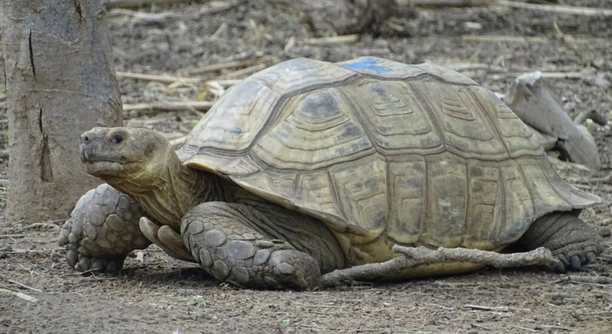
Tortoises are fascinating creatures, and if you’re considering keeping one as a pet, you might be wondering about their compatibility with other reptiles. Can they share a space with different species, or do they need their own?
Tortoises, while typically solitary animals, can sometimes live with other reptiles, but caution is necessary. Differences in size, temperament, and habitat needs may cause stress or injury. It is essential to ensure both species’ environments are suitable for cohabitation.
With the right care, some reptiles can coexist peacefully. Understanding their specific needs and behavior will help you make the best decision for your tortoise and any potential companions.
Key Considerations for Reptile Co-Habitation
When it comes to keeping tortoises with other reptiles, understanding their natural behavior is important. Tortoises are often solitary creatures, preferring to roam alone. They can be territorial, especially when there is limited space. Reptiles have different habits, temperatures, and dietary needs, which makes cohabiting a tricky decision. Some reptiles are more aggressive and could harm the tortoise, while others might just be too timid to interact well. It’s essential to set up a proper environment to ensure everyone feels comfortable. If you are planning to house multiple reptiles together, consider the needs of each species.
Tortoises have specific requirements for warmth, light, and humidity levels. Combining them with another species with different environmental needs could cause stress or health issues for both. It’s crucial to adjust the enclosure accordingly.
By observing the behaviors of both reptiles, you can determine compatibility. If one is more dominant or territorial, you may need to reconsider sharing space. For successful cohabitation, ensure they have enough space, proper heating, and a balanced diet to avoid conflict.
Space and Enclosure Setup
A spacious enclosure is a must when housing multiple reptiles. It’s essential that each animal has its own space to retreat when needed. Overcrowding or limited room increases stress, which could lead to fighting or poor health. You should always provide separate basking spots and hideouts. It’s important to separate feeding areas as well to avoid aggression over food. Proper ventilation is key to preventing the buildup of bacteria and maintaining a healthy environment.
Setting up the right environment also involves keeping temperature gradients in mind. Tortoises often require a warm basking area and a cooler, shaded section. In a mixed-species habitat, adjusting these temperatures for multiple reptiles could prove challenging. For example, some species of lizards or snakes may need a hotter environment, which could be harmful to the tortoise if the temperature is not regulated properly.
By creating an environment with suitable hideaways, feeding areas, and enough space for each reptile to thrive, you can ensure a more peaceful cohabitation experience. However, constant monitoring is key to keeping track of any changes in behavior or health issues that may arise.
Species Compatibility
Tortoises generally do not mix well with other reptiles. Some species are more docile, while others are more aggressive, creating the potential for stress or injury. It’s important to match species with similar temperaments to minimize risks.
Even if two species seem compatible, their behaviors may not align in practice. Tortoises tend to be slow-moving and non-confrontational, but they may react defensively to more active or territorial reptiles. For example, a fast-moving species might irritate the tortoise or try to dominate the space. Always observe the interactions carefully, especially in the early days of cohabitation.
Additionally, some reptiles, like certain types of lizards, are more likely to attack or intimidate a tortoise, especially if food is involved. It’s important to watch their body language closely. If one animal shows signs of aggression, consider separating them to ensure their well-being. Proper introductions and constant monitoring will help assess how the tortoise reacts to the presence of another reptile.
Feeding and Diet Considerations
Feeding time can be one of the trickiest parts of cohabiting tortoises with other reptiles. Each species has its own dietary preferences, which may lead to competition for food. Tortoises are primarily herbivores, whereas other reptiles may be omnivores or carnivores. Offering separate feeding areas is essential to reduce stress and ensure each reptile gets the food it needs.
It’s also important to be mindful of the types of food offered. For example, some reptiles may be prone to eating the tortoise’s food if it’s left out. You should avoid putting all the food in a shared area. Instead, feed them in separate locations to avoid food aggression or one reptile dominating the meal. Always monitor to make sure each animal is eating and getting the nutrients it requires.
Different reptiles also require varying levels of supplementation in their diets, such as calcium or vitamin D3. Ensure that both the tortoise and any other reptiles are getting the correct supplements, and avoid any potential conflicts over food that could arise from nutrient deficiencies.
Health and Hygiene Concerns
When keeping multiple reptiles together, maintaining proper hygiene is critical. Bacteria or parasites could spread between species, causing serious health issues. Regular cleaning of the enclosure is necessary to avoid contamination.
Each species has different health requirements, which may complicate things. Tortoises, for example, need a clean, dry habitat to prevent respiratory infections. Reptiles like lizards or snakes may require higher humidity levels. If these conditions overlap poorly, it could lead to illnesses for one or both species. Monitor the environment carefully to ensure it meets the needs of everyone.
Temperature and Lighting
Tortoises need a balanced temperature gradient, with a warm basking area and a cooler zone. Other reptiles may need different heat settings. If the temperature range in the enclosure isn’t ideal for all species, stress can occur. Ensuring proper UV lighting is also crucial for health.
Each reptile species should have access to their specific lighting and heat needs. Overheating or insufficient warmth can weaken their immune systems. Be prepared to adjust the setup as needed. Close attention should be paid to how both species are responding to the heat and light in their environment.
Territorial Behavior
Some reptiles, like certain species of lizards, can be highly territorial, especially when it comes to space and resources. Tortoises tend to claim areas within their habitat as their own. If another reptile encroaches on that territory, a conflict may arise. Always provide enough space to minimize territorial disputes.
FAQ
Can tortoises live with other reptiles?
Tortoises can technically live with other reptiles, but it depends on the species. Some reptiles are more social, while others are territorial. It’s essential to pair species with similar behavior, environmental needs, and diet. Tortoises can be peaceful but may not tolerate aggressive or active reptiles in the same space. If you choose to house tortoises with other reptiles, make sure their habitats are appropriately set up and that both species have ample space to avoid conflict. Regularly observe their interactions to ensure they are getting along.
What reptiles can live with tortoises?
The best reptiles to live with tortoises are usually other docile species that have similar environmental needs. Some examples include certain species of box turtles or mild-mannered lizards, like the bearded dragon. However, even among these, monitoring is key to prevent territorial disputes. Avoid pairing tortoises with aggressive species or those requiring very different temperature or humidity levels. Always do thorough research on the species’ behavior and habitat needs before cohabiting them.
How can I prevent aggression between tortoises and other reptiles?
To prevent aggression, it’s crucial to provide plenty of space and establish separate feeding areas. Make sure each reptile has access to its basking spot and shelter. If you notice signs of aggression, such as biting or territorial behavior, it may be best to separate the animals. Ensure that each species’ needs for space, light, and temperature are met to minimize stress. Observation is key; if they are not getting along, you may need to house them separately.
Do tortoises need a separate habitat from other reptiles?
While tortoises can sometimes live with other reptiles, it’s often better to provide a separate habitat. Tortoises have specific space, temperature, and humidity requirements that may not align with those of other reptiles. If they share an enclosure, there could be conflicts or stress. For their well-being, it’s generally a good idea to set up a separate enclosure tailored to the tortoise’s needs, especially if you’re unsure about the compatibility of other reptiles.
What are the risks of keeping tortoises with other reptiles?
The biggest risks of keeping tortoises with other reptiles are aggression and stress. Tortoises are slow and non-confrontational, but aggressive species could harm them. The environmental needs of different reptiles could also lead to health issues. Some reptiles require higher humidity levels, while tortoises do better in drier conditions. Additionally, parasites or diseases could be passed between species, especially if the habitat isn’t maintained correctly.
Can tortoises live with lizards?
Tortoises can live with some species of lizards, but caution is needed. Bearded dragons, for example, may cohabitate with tortoises, but each species needs space and their own basking area. The key is ensuring that both reptiles have their environmental needs met, such as temperature, lighting, and humidity. Always monitor the animals’ behavior to ensure they are not fighting or displaying signs of stress.
Is it possible to keep a tortoise with a snake?
It’s generally not recommended to keep a tortoise with a snake. Snakes are carnivores and may see a tortoise as prey, especially smaller tortoises. Even larger snakes might become aggressive or territorial. Additionally, snakes often need different temperatures or humidity levels, which can make it hard to provide the right environment for both species. For the safety and well-being of your tortoise, it’s best to avoid housing them with snakes.
What should I do if my tortoise is getting bullied by another reptile?
If your tortoise is getting bullied, you should separate it from the other reptile immediately. Aggression can cause serious stress, injuries, or even death. Make sure that your tortoise has its own space with separate food and basking areas. You can try reintroducing them later, but ensure they are compatible before allowing them to cohabit again.
Can tortoises live with amphibians?
Tortoises and amphibians generally do not mix well. Amphibians require high humidity, while tortoises prefer drier conditions. The temperature and light needs also differ between species. Additionally, amphibians can sometimes be carriers of parasites that could affect your tortoise’s health. For the tortoise’s well-being, it’s best to keep them separated from amphibians.
How can I tell if my tortoise is stressed from living with other reptiles?
Signs of stress in tortoises include changes in eating habits, hiding more than usual, aggression, or abnormal behaviors like pacing. If you notice your tortoise becoming more reclusive, losing appetite, or exhibiting signs of illness, this could indicate stress. If any of these behaviors occur, consider separating the reptiles and reassessing their living conditions. Regular observation will help you spot these signs early.
Final Thoughts
When considering whether tortoises can live with other reptiles, it’s important to remember that each species has its own set of needs. While some reptiles can cohabitate peacefully, others may not be suitable companions for a tortoise. Temperature, humidity, and space requirements are some of the key factors to think about. Reptiles like turtles or bearded dragons, which share similar habitat needs, might live together with tortoises. However, this is not always the case, so it’s important to do thorough research before introducing any reptile into the same space.
A major concern when housing tortoises with other reptiles is the risk of stress or aggression. Tortoises are often more passive, and aggressive species may harm them. Even species that are typically calm can still display territorial behavior. If the reptiles do not get along, it could cause stress, which may affect their health. Stress can lead to changes in appetite, behavior, and even physical health problems. Monitoring their interactions is crucial, and separation might be necessary if issues arise.
Overall, while it is possible for tortoises to live with other reptiles, it requires careful consideration of each species’ needs. By providing enough space, monitoring behaviors, and ensuring the environment is suitable for all reptiles involved, cohabitation can work for some. However, it is often safer and easier to house them separately to avoid potential health or behavioral issues. Every reptile is different, so keeping a close eye on their interactions and making adjustments as needed is key to ensuring their well-being.

Hello,
If you enjoy the content that we create, please consider saying a "Thank You!" by leaving a tip.
Every little bit helps us continue crafting quality advice that supports the health, happiness, and well-being of pets around the world, for pets of all shapes, sizes, and species.
We really appreciate the kindness and support that you show us!