
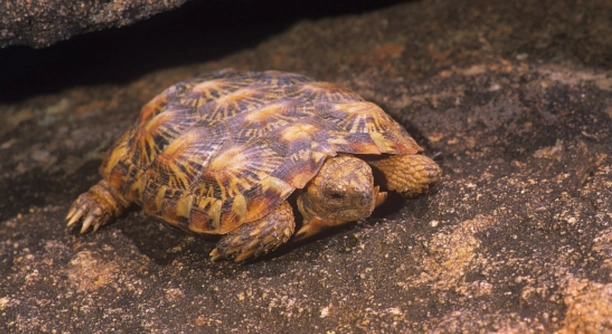
Tortoises, like many pets, can experience stress, which can affect their overall health and well-being. Recognizing the signs of stress early can help prevent long-term issues. Understanding how to ease their stress is essential for a happy tortoise.
The most common signs of stress in tortoises include changes in behavior, loss of appetite, and lethargy. Stress can result from environmental factors, improper habitat conditions, or interactions with other pets. Identifying and addressing these triggers can help your tortoise recover.
Managing stress in tortoises requires attention to their environment and routine. By following a few simple steps, you can help restore balance and support their health.
Unusual Behavior in Your Tortoise
One of the first signs your tortoise might be stressed is a noticeable change in behavior. This can include hiding more often, being unusually aggressive, or showing signs of lethargy. Tortoises are creatures of habit, so any shift in their typical behavior should be monitored closely. This could indicate discomfort or stress in their environment, which they may not be able to handle well. If your tortoise becomes more reclusive or seems irritated when interacting, stress might be at play.
If your tortoise is spending more time in its shell or appears more irritable than usual, it’s important to check its surroundings. Environmental changes or external factors can cause them to feel unsettled, leading to behavioral shifts. It’s best to provide a quiet, safe space where they can relax.
Monitoring behavior over time can give you insight into any developing issues. If stress continues, it’s important to address the underlying cause to ensure your tortoise’s well-being and prevent further complications.
Poor Appetite and Weight Loss
A stressed tortoise may refuse food, which is a clear sign of distress. Stress can affect its digestive system, making it difficult for them to eat properly. This can quickly lead to weight loss.
In some cases, stress could be related to an improper diet or environmental factors like temperature fluctuations. Ensure your tortoise’s habitat is kept at an ideal temperature and humidity. Offering the right foods can also make a difference. Over time, a lack of proper nutrition can affect your tortoise’s health and lead to other complications.
Addressing stress early on can help restore normal eating habits. Be sure to offer foods that are appealing and maintain their living space for optimal comfort.
Changes in Shell Condition
Stress can lead to noticeable changes in your tortoise’s shell. If the shell becomes softer or discolored, it might be a sign of poor health due to stress. This can also indicate improper humidity or diet. Monitoring the condition of the shell is crucial for identifying any underlying problems.
A stressed tortoise might also develop a condition known as shell rot. This occurs when the shell becomes soft and begins to deteriorate. It’s often caused by too much moisture, poor sanitation, or environmental stress. Ensuring a clean, dry environment can help prevent shell issues and reduce stress. If you notice any soft spots or discoloration, take action immediately.
You can help prevent shell-related stress by maintaining the proper temperature and humidity levels in your tortoise’s habitat. Regularly clean their living space and provide adequate light to support their health. Addressing these factors early on can help avoid serious shell damage and promote a stress-free environment for your tortoise.
Excessive Hiding or Withdrawn Behavior
If your tortoise starts hiding more than usual, it’s a red flag that stress might be affecting it. While they sometimes hide for comfort, excessive hiding could signal an issue. This behavior may be linked to environmental factors or an imbalance in their habitat.
Environmental stressors such as loud noises, bright lights, or the presence of other pets can cause tortoises to retreat into their shells more frequently. If you’ve recently changed their enclosure or moved them to a new space, they may need time to adjust. Creating a peaceful, secure environment is key for preventing unnecessary stress.
Ensure that your tortoise has plenty of hiding spots, but be mindful of their overall environment. Keep things calm and stable, so your tortoise feels safe. If the hiding continues for an extended period, you may need to reassess the habitat setup.
Changes in Activity Level
A stressed tortoise might become more lethargic or unusually active. Reduced activity or excessive movement can indicate discomfort or fear. This could be a response to changes in their environment or health issues. Pay attention to these shifts for clues about what may be stressing them out.
Monitor the tortoise closely to ensure it’s not just the usual change in behavior, but rather a sign of stress. If the tortoise has trouble moving or is overly sluggish, this could suggest something more serious, like a health issue or environmental problem. Taking note of these patterns can help identify stress early.
Difficulty in Breathing
Breathing issues can sometimes arise when a tortoise is stressed. Labored breathing, wheezing, or an increase in respiratory rate should be taken seriously. These symptoms can also be linked to a respiratory infection triggered by stress or an unsanitary living environment.
If your tortoise seems to be breathing heavily or struggling for air, immediate action is necessary. Ensure the habitat has proper ventilation and that temperature and humidity levels are optimal. A visit to the vet may also be needed to rule out infections or respiratory issues. Addressing breathing difficulties promptly will help your tortoise recover quickly.
Aggression or Biting
Stress can also cause a normally docile tortoise to become aggressive. If your tortoise starts biting or showing signs of irritation when handled, this could be a direct result of environmental stress or discomfort. This behavior is often a defense mechanism when they feel threatened.
Stress-induced aggression may occur when the tortoise feels unsafe or confined in its environment. It’s important to make sure they have enough space and time to roam freely. Avoid forcing interactions and give them time to adjust to changes. The less stressed they are, the calmer they’ll become.
FAQ
How can I tell if my tortoise is stressed?
There are several signs that can indicate stress in your tortoise. These include changes in behavior like hiding more often, refusing food, or acting more aggressively. A stressed tortoise may also show signs of lethargy or excessive activity, and you might notice changes in their shell, like softness or discoloration. If these behaviors persist, it’s important to adjust their environment or consult a vet for advice.
What causes stress in a tortoise?
Stress in tortoises can be caused by a variety of factors, including environmental changes, improper temperature, and humidity levels. The presence of other pets, loud noises, or too much handling can also stress them out. A lack of appropriate hiding spots or food variety may contribute to stress as well. In some cases, health problems may be the root cause, making it essential to monitor your tortoise’s overall condition.
How do I reduce stress for my tortoise?
To help reduce stress in your tortoise, create a calm and stable environment. Ensure that their enclosure is at the right temperature and humidity levels and provide plenty of hiding spots for them to retreat to. Avoid loud noises and sudden changes, and give them time to adjust if you move their habitat. Additionally, providing a balanced diet and limiting excessive handling can help ease their stress.
Can tortoises get stressed from handling?
Yes, tortoises can get stressed from too much handling. While they may enjoy interaction on occasion, frequent or rough handling can make them feel threatened. When picking up your tortoise, be gentle and avoid handling them for long periods. Always allow your tortoise to retreat to a safe space if they seem uncomfortable.
How long does it take for a tortoise to recover from stress?
The time it takes for a tortoise to recover from stress depends on the cause and the adjustments made to their environment. If the stressor is removed and the environment is improved, recovery can take anywhere from a few days to a couple of weeks. However, if there is a medical issue involved, it may take longer and require veterinary care.
Can stress affect my tortoise’s health?
Yes, prolonged stress can lead to various health problems in tortoises. Stress weakens their immune system, making them more susceptible to infections and illnesses. It can also cause digestive problems, affect their appetite, and lead to behavioral issues like aggression or lethargy. Ensuring a stress-free environment is vital for your tortoise’s overall health.
Should I take my tortoise to the vet if it shows signs of stress?
If your tortoise is showing prolonged or severe signs of stress, it’s a good idea to consult a vet. A professional can help identify whether the stress is due to environmental factors or an underlying health issue. Early intervention can prevent more serious health problems and ensure your tortoise recovers more quickly.
Is it normal for tortoises to hide a lot?
Tortoises sometimes hide for comfort or safety, but if they are hiding more than usual, it could be a sign of stress. Stressful situations, such as loud noises or changes in their environment, can cause them to retreat more frequently. Pay attention to their behavior and make necessary adjustments to their living space.
Can diet affect my tortoise’s stress levels?
Yes, an improper diet can contribute to stress. Tortoises need a balanced diet that includes a variety of vegetables, fruits, and sometimes protein, depending on the species. Poor nutrition or an unbalanced diet can lead to health problems and increase stress. Make sure you’re feeding your tortoise the right foods to support both their physical health and mental well-being.
How can I tell if my tortoise is not eating due to stress or health issues?
If your tortoise suddenly stops eating, it could be due to stress or a health issue. If the stressor has been removed and the tortoise is still not eating after a few days, it’s likely a health problem. In that case, you should consult a vet to rule out any underlying illnesses, as a lack of food intake can quickly lead to other complications.
Can other pets cause stress in my tortoise?
Yes, other pets can cause stress in tortoises, especially if they are too curious or aggressive. Dogs, cats, or other animals might intimidate your tortoise or invade its personal space, causing stress. It’s important to keep other pets at a safe distance from the tortoise’s enclosure and make sure the tortoise has a quiet, undisturbed area to retreat to.
What is the best way to create a stress-free environment for my tortoise?
To create a stress-free environment for your tortoise, focus on maintaining a stable habitat. Keep the temperature and humidity at optimal levels for their species. Provide hiding spots, and ensure they have enough space to move around comfortably. Reduce loud noises and disturbances in the area where your tortoise lives, and avoid frequent handling. A clean, calm space will help your tortoise feel safe and secure.
Are there any signs that my tortoise is stressed before it becomes serious?
Yes, early signs of stress in tortoises include slight changes in behavior like reduced activity, loss of appetite, and excessive hiding. They may also show signs of aggression or become unusually lethargic. Addressing these early symptoms by adjusting their environment or routine can prevent more serious stress-related issues.
Final Thoughts
Caring for a tortoise involves paying close attention to their needs and understanding when something is not quite right. Stress in tortoises can arise from many factors, such as changes in their environment, improper temperature or humidity levels, and even excessive handling. It’s important to be aware of the signs of stress so that you can take action before it becomes a bigger problem. While tortoises are generally hardy animals, their well-being depends on the stability and comfort of their surroundings.
Adjusting your tortoise’s environment is often the first step in helping them recover from stress. This can include ensuring they have a proper diet, providing the right temperature and humidity levels, and offering safe spaces to retreat. If their stress persists despite changes to their habitat, it may be time to consult a vet to rule out any underlying health issues. Taking a proactive approach to their care will help ensure they stay healthy and happy in the long run.
Remember, tortoises are creatures of habit and require a stable environment to thrive. Small adjustments, like reducing handling or improving their living conditions, can make a significant difference in their stress levels. By learning how to recognize signs of stress and addressing them promptly, you’re helping your tortoise live a healthier, more content life.

Hello,
If you enjoy the content that we create, please consider saying a "Thank You!" by leaving a tip.
Every little bit helps us continue crafting quality advice that supports the health, happiness, and well-being of pets around the world, for pets of all shapes, sizes, and species.
We really appreciate the kindness and support that you show us!