
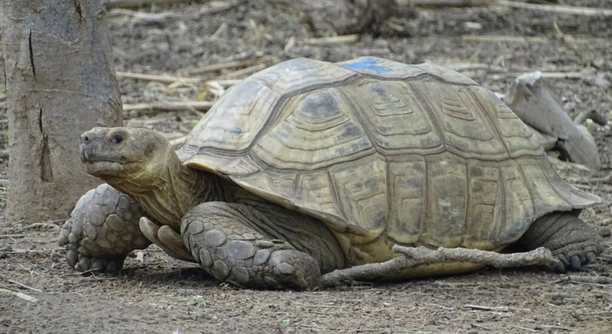
Tortoises are unique and fascinating pets, requiring the right care and environment to thrive. One of the key elements in creating a healthy habitat for your tortoise is selecting the right substrate and bedding.
The best substrate and bedding for a tortoise should provide adequate moisture control, comfort, and ease of cleaning while supporting natural behaviors. Suitable options include coconut coir, cypress mulch, and grass hay, which help mimic their natural environment.
Choosing the right bedding is crucial for your tortoise’s well-being. There are several factors to consider, from texture to humidity control, all of which play a role in their comfort and health.
Types of Substrate for Tortoises
When selecting the right substrate for your tortoise, it’s important to consider both functionality and comfort. The ideal substrate should keep your pet safe, healthy, and happy. Popular choices include coconut coir, which is soft, absorbent, and easy to clean. Cypress mulch is another great option, offering a natural look while maintaining proper humidity levels. Grass hay provides a more natural bedding, offering both nutrition and comfort, though it requires regular replacement to avoid mold. Each type has its pros and cons, so it’s crucial to choose the one that suits your tortoise’s needs.
Coconut coir is an excellent option for most tortoises. It’s lightweight, absorbent, and helps maintain humidity, which is important for certain species. However, it can sometimes get dusty, which may affect your pet’s respiratory system if not cleaned properly.
When setting up the habitat, consider factors like humidity, ease of cleaning, and the natural behavior of your tortoise. You want a substrate that allows them to burrow, stretch, and move comfortably. For tortoises that enjoy digging, a deep layer of bedding is ideal, while species that are less active might do well with a thinner layer. Regular cleaning and replacement of substrate will help prevent bacterial growth and unpleasant odors, ensuring your tortoise remains in a healthy environment.
Benefits of Natural Bedding
Natural bedding like hay or organic mulch mimics the environment tortoises are accustomed to, which can reduce stress.
It’s important to remember that natural bedding isn’t just for comfort—it also encourages your tortoise’s natural instincts, such as burrowing and foraging. Mulch or hay can also help regulate humidity, which is necessary for certain species of tortoises. Some tortoises also benefit from substrates that allow them to hide, as this reduces stress and allows them to feel secure in their environment. The addition of natural bedding can contribute to better overall health by allowing your tortoise to engage in behaviors that are important to their mental and physical well-being.
Choosing the right bedding for your tortoise can make all the difference in their overall health and happiness. Each tortoise has unique needs based on its species and environment, so it’s crucial to tailor the bedding to fit those requirements. While natural bedding does take some maintenance, it is well worth it to create a habitat that closely resembles their natural surroundings.
Best Bedding for Humidity Control
Humidity is a critical factor in creating the right environment for your tortoise. Some tortoises require higher humidity levels to thrive, while others prefer a drier habitat. Bedding options like coconut coir and cypress mulch help regulate moisture levels, ensuring your pet stays comfortable.
Coconut coir is particularly effective in maintaining humidity. It absorbs water well, releasing moisture slowly to maintain a consistent environment. This is essential for tortoises that come from humid climates. Cypress mulch, on the other hand, offers similar benefits, though it’s more commonly used for species needing moderate humidity.
Both bedding types are easy to spot clean and maintain. When using them, be mindful of the humidity levels in your tortoise’s habitat. Too much moisture can lead to mold or discomfort, while too little may cause dehydration. Regularly monitor humidity levels to ensure your tortoise’s needs are met.
Best Bedding for Digging and Burrowing
Some tortoises are natural diggers and need bedding that allows them to burrow comfortably. Providing a substrate that encourages this behavior is essential for their well-being.
A deep layer of coconut coir or organic topsoil works well for diggers. These substrates give your tortoise the freedom to dig and burrow, mimicking the natural habitat where they feel safe. However, avoid using sand as it can cause impaction if ingested.
For tortoises that love to dig, create a deeper substrate layer to encourage this instinct. Not only does this help your pet feel at home, but it also provides physical and mental stimulation. By supporting this behavior, you help your tortoise stay active and healthy. Regular cleaning is necessary to maintain a healthy environment, especially for digging species.
Bedding for Easy Cleaning
When choosing bedding for your tortoise, consider how easy it is to clean. Some substrates require more maintenance than others, which can be time-consuming.
Coconut coir is one of the easiest to clean. It clumps together, making it simple to remove waste. Cypress mulch also works well, as it doesn’t get too messy and requires only occasional spot cleaning.
Both of these options help reduce the buildup of bacteria and odor, which is especially helpful for keeping your tortoise’s environment hygienic. Easy-to-clean bedding will save time and effort, allowing you to focus more on your pet’s well-being.
Bedding for Odor Control
Odor control is essential in maintaining a clean and fresh habitat for your tortoise. Some bedding materials naturally neutralize odors, keeping your pet’s enclosure comfortable.
Cypress mulch is excellent for odor control. It helps trap moisture and reduces the growth of bacteria, which often cause unpleasant smells. Coconut coir can also be effective, absorbing waste and maintaining a fresh environment.
For the best results, replace bedding regularly and spot clean daily. This will keep odors under control and ensure your tortoise has a pleasant living space. A clean habitat contributes to your tortoise’s health and comfort.
Inexpensive Bedding Options
Not all bedding for tortoises has to be expensive. There are affordable options that still provide comfort and functionality.
Grass hay is an inexpensive option that works well for many species. It’s soft, absorbent, and provides a natural feel to your tortoise’s enclosure. While it doesn’t have the same odor control properties as other options, it’s a great choice for those on a budget. You can often find hay in bulk at pet stores or local farm supply shops, making it both cost-effective and convenient.
FAQ
What is the best substrate for a desert tortoise?
Desert tortoises thrive in dry environments, so it’s important to use a substrate that promotes dryness. A combination of cactus soil, sand, and organic mulch works well. This mixture allows for easy digging while keeping the habitat dry. Avoid using excessively moist substrates like coconut coir, as it can make the environment too humid for desert species. You can also use a thin layer of grass hay to mimic natural desert ground cover, but make sure to spot clean frequently to prevent moisture buildup.
Can I use sand for my tortoise’s bedding?
Sand can be used, but it should be done carefully. While it may mimic some natural environments, sand can pose risks if used improperly. When sand is the main bedding, tortoises may ingest it while eating or drinking, which can cause impaction in their digestive system. If you want to use sand, it’s best to mix it with other materials like coconut coir or organic soil to reduce the risk of impaction and help with moisture control. Make sure to use a fine, dust-free sand and clean the area regularly.
How often should I replace the substrate?
The frequency of replacing your tortoise’s bedding depends on the type of substrate used and how frequently you clean it. For substrates like coconut coir or cypress mulch, it’s best to replace them every 4 to 6 weeks, or when they begin to look dirty and soiled. Grass hay should be replaced more often, about every week, since it can become contaminated with waste or mold quickly. Spot cleaning every few days will help extend the life of the bedding and keep the habitat fresh.
Is it necessary to have a humid environment for my tortoise?
Humidity requirements depend on the species of tortoise you have. Some species, like Russian and Greek tortoises, require dry conditions and don’t need high humidity. However, species such as the red-footed tortoise or the Aldabra tortoise benefit from slightly higher humidity levels. If your tortoise needs a more humid environment, consider using substrates like coconut coir or moss, which help retain moisture. Regular misting can also maintain humidity levels, but it’s important not to overdo it, as excessive moisture can lead to health issues like respiratory infections.
Can I use reptile carpet as bedding for my tortoise?
Reptile carpet is a common bedding choice for some reptiles, but it’s not ideal for tortoises. Tortoises need a substrate that encourages natural behaviors, such as burrowing, foraging, and digging. Reptile carpet does not provide these opportunities and can also lead to injury if your tortoise is trying to dig. Additionally, reptile carpet requires frequent washing and can harbor bacteria if not cleaned properly. It’s better to use natural substrates like coconut coir, hay, or mulch, which are more beneficial for your tortoise’s health and well-being.
How deep should the bedding be for my tortoise?
The depth of the bedding will depend on the species of tortoise and its behavior. For species that love to dig and burrow, such as Leopard or Sulcata tortoises, a deeper substrate (4 to 6 inches) is ideal. This allows them to engage in natural behaviors and feel secure. For less active species, a thinner layer (2 to 3 inches) may suffice. Regardless of the depth, ensure the substrate is kept clean and dry. Overly deep bedding that becomes contaminated too quickly can negatively affect your tortoise’s health.
Is it okay to mix different types of bedding for my tortoise?
Mixing different types of bedding can be a good idea, as it combines the benefits of each substrate. For example, combining coconut coir with cypress mulch can help maintain both humidity and dryness, offering a balanced environment. You can also mix hay with soil to provide a natural feel while ensuring moisture control. When mixing bedding, be sure to consider the specific needs of your tortoise. For instance, desert species should avoid anything that retains too much moisture. Always ensure that the mix is safe and does not cause issues like mold or excessive dust.
What is the best way to clean tortoise bedding?
Cleaning tortoise bedding is crucial to maintaining a healthy environment. Start by removing any waste, such as droppings or uneaten food, daily. For substrates like coconut coir or cypress mulch, spot clean by removing soiled sections and replacing them with fresh material. Every few weeks, replace the bedding entirely, especially if it starts to smell or lose its effectiveness. If you’re using grass hay, change it out more frequently, as it can get moldy or contaminated quickly. Always wash your hands after cleaning to avoid transferring bacteria or germs.
Can I use newspaper or paper towels as bedding for my tortoise?
While newspaper and paper towels may seem like a convenient option, they are not the best for tortoises. These materials do not mimic natural environments and can cause stress for your pet. Paper towels do not provide opportunities for digging, and newspaper can be too harsh on your tortoise’s sensitive skin. If you need a temporary solution, use them for spot cleaning or as an emergency bedding option, but avoid using them long-term. Stick with natural bedding like coconut coir or cypress mulch for better comfort and health for your tortoise.
Final Thoughts
Choosing the right substrate for your tortoise is essential for their health and happiness. There are many different types of bedding, each with its unique benefits, and it’s important to select one based on your tortoise’s species and behavior. Natural bedding materials like coconut coir, cypress mulch, and grass hay can provide the best environment for your pet. They mimic the natural habitat of many tortoise species, allowing them to engage in behaviors like burrowing, foraging, and resting comfortably. It’s important to consider how each type of bedding handles moisture, as some species need more humidity while others thrive in dry conditions.
In addition to comfort, bedding plays a vital role in your tortoise’s health. Proper humidity control, ease of cleaning, and odor management are important factors to keep in mind. Substrates like coconut coir and cypress mulch are good at maintaining humidity, which can help prevent respiratory problems in tortoises that need a more humid environment. On the other hand, species that prefer dry conditions, such as desert tortoises, should have a substrate that keeps the enclosure dry, like a mix of sand and cactus soil. Regular cleaning and replacing bedding is also necessary to keep your tortoise’s habitat hygienic and safe from bacteria or mold.
Overall, the right substrate for your tortoise can make a big difference in their well-being. It’s essential to understand the specific needs of your tortoise, such as their moisture and temperature requirements, when selecting the best bedding. With the right materials and care, you can create a comfortable, healthy environment for your tortoise to thrive. Regularly maintaining their habitat and making sure they have enough space to roam and engage in natural behaviors will ensure that your tortoise lives a long, happy life.

Hello,
If you enjoy the content that we create, please consider saying a "Thank You!" by leaving a tip.
Every little bit helps us continue crafting quality advice that supports the health, happiness, and well-being of pets around the world, for pets of all shapes, sizes, and species.
We really appreciate the kindness and support that you show us!