
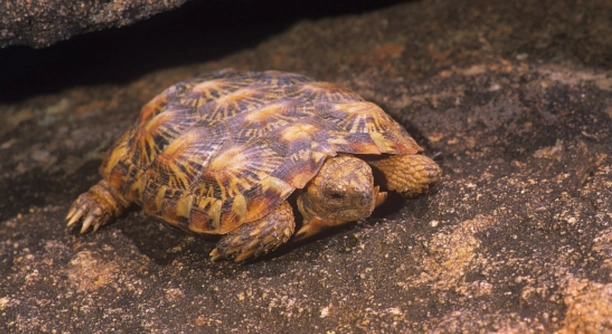
Tortoises are fascinating creatures that often capture our curiosity. Observing their slow movements and quiet nature might leave you wondering what goes on in their minds. One question that comes up is whether they ever get bored.
Tortoises do not experience boredom in the same way humans or even some other pets do. They are less likely to show signs of frustration or need for constant stimulation due to their slower, more solitary lifestyle.
Understanding how tortoises live and behave will help you better care for them. With the right environment, you can ensure they stay happy and healthy. Let’s explore what it really means for a tortoise to live its day-to-day life.
Tortoise Behavior and Stimulation
Tortoises are naturally solitary creatures that prefer a quiet, slow-paced life. Unlike other pets, they don’t require constant attention or mental stimulation to stay content. In their natural habitat, they wander around and engage in simple activities like foraging or basking in the sun. This helps them stay occupied without the need for extra enrichment. It’s important to provide them with a space where they can follow their instincts. A well-kept habitat with areas for exploration, basking, and burrowing can keep a tortoise active and healthy.
Creating the right environment can make a big difference. Giving your tortoise a space to roam, with different textures and areas for sunbathing or hiding, can help prevent boredom.
Tortoises may not need much entertainment but offering them variety in their surroundings will ensure they remain physically and mentally satisfied. A few plants, safe objects to climb on, and a chance to dig can keep them active. Just be mindful that too many changes can be overwhelming, so subtle changes are usually best.
Tortoise Habitat and Boredom Prevention
A well-designed habitat plays a key role in keeping your tortoise healthy and content. Providing areas to explore or hide, along with a proper light and temperature setup, helps replicate natural conditions and encourages movement.
Tortoises thrive in habitats that mimic their natural environment. They need plenty of space to move around and explore. Having various surfaces like rocks, plants, and dirt gives them opportunities to dig and climb. Without such stimulation, they may become less active. It’s also important to keep their space clean to avoid any stress or health issues.
Providing these elements is simple, but effective. A varied environment lets them stay active and curious, keeping their mind engaged. You don’t need expensive accessories, just a few natural elements that fit their needs. This allows your tortoise to feel more at ease in its space, reducing any boredom that could arise from an unstimulating environment.
Tortoise Interaction and Socialization
Tortoises don’t require daily interaction, but they do benefit from occasional attention. They are not as social as some other pets, yet they can form bonds with their owners over time.
While they may not seek affection, tortoises will become familiar with their caretaker’s routine. Over time, they might even recognize you and approach when you enter the room. Gentle handling or offering food can build trust. However, it’s crucial to avoid overwhelming them. Too much interaction can cause stress and may lead to a reluctance to engage. Maintaining a balance is key.
Understanding your tortoise’s behavior and respecting its space ensures that any interactions are positive. If you’re in tune with their needs, your tortoise will enjoy the benefits of human contact without becoming agitated. It’s all about moderation, as too much contact can cause discomfort for these solitary creatures.
Tortoise Diet and Mental Stimulation
Providing a varied diet not only keeps your tortoise healthy but can also offer mental stimulation. Fresh veggies, fruits, and occasional treats can keep them engaged. The process of foraging for food in their habitat adds to their sense of activity and purpose.
Incorporating a mix of food types encourages natural behaviors, like digging and searching. These actions provide your tortoise with opportunities to stay mentally sharp. Offering different textures, such as leafy greens, fruits, and flowers, helps make their mealtime more interesting. A balanced diet ensures they stay healthy while giving them a fulfilling routine.
Tortoise Exercise and Health
Tortoises are naturally active animals that require space to move around. Regular exercise keeps them fit and mentally stimulated. A larger area for exploration encourages natural behaviors, such as walking, digging, or climbing. These activities help them maintain a healthy weight and muscle tone.
Allowing your tortoise time outside its enclosure (if safe to do so) also provides them with fresh air and new surroundings. Just like with food, variety in their environment helps stimulate both their mind and body. Keep their living area spacious enough for them to stay active and engaged.
Tortoise Stress and Boredom
Stress can quickly lead to a tortoise becoming lethargic or disinterested in its surroundings. It’s crucial to recognize signs of discomfort. Overcrowding, sudden temperature changes, or a lack of hideaways can trigger stress.
Creating a calm and secure environment minimizes the chances of stress affecting your tortoise. Regularly checking the temperature and humidity levels and offering hiding spots can help. A tortoise that’s stressed is more likely to withdraw or stop eating, which can lead to health problems.
FAQ
Do tortoises get lonely?
Tortoises are solitary animals by nature. They do not experience loneliness the way humans or social animals do. While they don’t mind being alone, it’s still important to provide them with a comfortable and enriching environment. If you do have more than one tortoise, make sure they have enough space to avoid territorial conflicts. In general, tortoises are happy on their own as long as their basic needs are met.
How much space does a tortoise need?
The amount of space a tortoise requires depends on its species. However, most tortoises do best with a large area where they can roam freely. Ideally, an indoor enclosure should provide at least 4×8 feet of space, but bigger is always better. Outdoor enclosures are even better if the climate permits it. The more room they have to explore, the more mentally and physically stimulated they will be.
Can a tortoise play with toys?
Tortoises are not like dogs or cats and generally don’t engage with toys the same way. However, providing objects like rocks, logs, or even safe plants to climb on or hide under can encourage natural behaviors. You can also try offering food in a way that requires them to search for it, which provides mental stimulation.
How do I know if my tortoise is bored?
Boredom in tortoises can be subtle. If a tortoise becomes lethargic, spends excessive time hiding, or loses interest in food, it could be a sign they are not mentally or physically stimulated. Tortoises are naturally curious and need an environment that encourages exploration and activity. If you notice a change in behavior, it’s worth checking if their habitat needs any adjustments.
Do tortoises need a companion?
Tortoises do not need companions, as they are solitary animals in the wild. While some may tolerate the presence of another tortoise, it’s usually best to keep them alone to avoid stress. If you do keep more than one, make sure the enclosure is large enough to accommodate them without causing competition or stress. If you see signs of aggression or stress, separate them.
Can I take my tortoise outside?
Yes, tortoises can enjoy being outside, provided the environment is safe. Outdoor time allows them to bask in natural sunlight, which helps with Vitamin D production, and they get to explore a more varied environment. However, ensure the area is escape-proof and free of predators. Always supervise your tortoise when it is outside.
What do tortoises eat?
Tortoises are primarily herbivores, so their diet should consist mostly of vegetables, leafy greens, and some fruits. They enjoy plants like dandelion greens, collard greens, and flowers like hibiscus. Avoid giving them too much fruit, as it can cause digestive issues. Some species also eat small amounts of protein, such as insects, but this varies by type.
How do I take care of a baby tortoise?
Baby tortoises need specific care. They require a warm environment, with a heat source to maintain a temperature of about 80-85°F during the day. Ensure they have access to UVB light, as this is essential for their growth and shell health. Provide fresh food daily, and be mindful of their small size by offering smaller portions. They also need extra humidity, so misting their enclosure can help.
Can a tortoise live in a small tank?
While tortoises can live in a tank, it should be big enough to accommodate them. A small tank limits their ability to move around, leading to potential boredom and health issues. It’s best to provide a spacious enclosure that allows for natural behaviors like walking and digging. If a tank is used, ensure it is large enough, and consider transitioning to a larger outdoor setup if possible.
Why is my tortoise not eating?
A loss of appetite in tortoises can be caused by several factors, including stress, illness, or environmental issues like incorrect temperature or humidity. It’s essential to check if your tortoise’s habitat is optimal for its species. If the environment is fine and your tortoise still refuses food, it may be time to consult a vet.
Can tortoises swim?
Tortoises can swim, but not all species are good swimmers. Aquatic species, like the red-footed or yellow-footed tortoise, are more comfortable in water, whereas others, like the desert tortoise, should avoid it. If your tortoise is in water, be sure it is shallow enough for them to safely exit, as they can get tired quickly.
How can I tell if my tortoise is healthy?
A healthy tortoise will have clear eyes, a smooth shell, and be active when awake. Healthy tortoises also have a good appetite and maintain a steady weight. Their skin should not be dry or flaky, and they should move around comfortably. Any signs of swelling, discharge, or lethargy should be checked by a vet.
Is it okay to handle my tortoise often?
Tortoises are not naturally cuddly, and they generally do not enjoy being handled regularly. Handling should be minimal and gentle. Too much handling can stress them out. It’s important to let your tortoise explore and rest in its environment while keeping interaction calm and purposeful. If they seem stressed or hide often after being handled, consider reducing the amount of time spent picking them up.
What temperature should my tortoise’s habitat be?
The temperature of your tortoise’s habitat is crucial for its well-being. Daytime temperatures should range between 75-85°F, with a basking spot of 90-95°F. At night, temperatures can drop to around 65°F. Maintaining the correct temperature is essential for digestion, activity, and overall health.
Can tortoises live indoors?
Yes, tortoises can live indoors, but their habitat must be properly set up. They need enough space, UVB lighting, and a temperature gradient to feel comfortable. Indoor habitats should be large enough to allow for movement and exploration. If you live in a suitable climate, outdoor enclosures are preferable for providing natural sunlight.
Final Thoughts
Tortoises are unique creatures with specific needs that are often quite different from other pets. While they may not get bored in the traditional sense, they still require an enriching environment to stay active and healthy. By understanding their natural behaviors and creating a suitable habitat, you can ensure that your tortoise thrives. Providing enough space, appropriate temperatures, and safe objects to explore will keep them mentally and physically engaged, reducing the chance of inactivity or lethargy.
Caring for a tortoise involves more than just feeding and cleaning. They benefit from regular exercise, which helps maintain their health and weight. You don’t need to entertain them with toys, but offering different surfaces and hiding spots for them to explore can keep their minds stimulated. A balanced diet, with a variety of vegetables and occasional fruits, also plays a key role in their well-being. By paying attention to their dietary needs and providing the right enrichment, you’re helping your tortoise lead a fulfilling life.
While tortoises are often independent, it’s still important to interact with them gently and respect their space. They don’t require constant attention, but occasional, calm interaction can help build trust. Keeping their habitat clean and making small adjustments to their environment can improve their overall happiness. By following these simple steps, you can create a safe and comfortable home for your tortoise, ensuring they live a long, healthy life without unnecessary boredom or stress.

Hello,
If you enjoy the content that we create, please consider saying a "Thank You!" by leaving a tip.
Every little bit helps us continue crafting quality advice that supports the health, happiness, and well-being of pets around the world, for pets of all shapes, sizes, and species.
We really appreciate the kindness and support that you show us!