
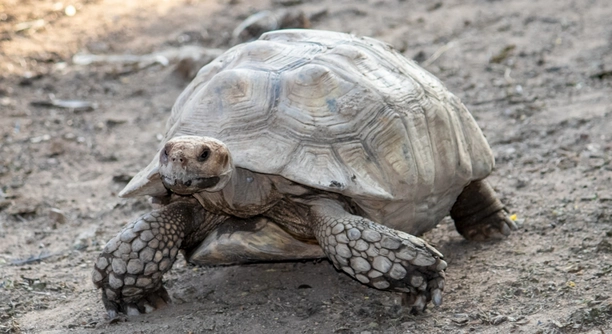
Tortoises are fascinating creatures, and their diet plays a significant role in their overall health. Many owners wonder about the types of food that are safe and beneficial for their shelled companions, especially when it comes to fruits.
Tortoises can eat fruits, but it should only be given in moderation. Excessive fruit intake can lead to health problems, such as obesity or digestive issues. It’s important to offer a variety of fruits and avoid high-sugar options.
Proper fruit servings can provide essential nutrients for your tortoise. Knowing which fruits to feed and how often can help keep them happy and healthy in the long run.
What Fruits Can Tortoises Eat?
Tortoises can enjoy a variety of fruits, but some are better suited for them than others. Fruits such as apples, strawberries, and pears are often a safe bet. These fruits contain vitamins that can benefit your tortoise, including Vitamin C, which helps with immune function. However, fruits like grapes and bananas are high in sugar, so they should be given sparingly. Citrus fruits, including oranges, are also not ideal because they can upset your tortoise’s digestive system. It’s important to balance their diet with plenty of leafy greens, vegetables, and grasses to ensure they receive a well-rounded nutritional profile.
While fruits are a tasty treat, they should not make up the majority of your tortoise’s diet. Offering too much fruit could lead to weight gain or digestive issues. Always remove any uneaten fruit after a few hours to avoid spoilage. Keep in mind, variety is key when feeding your tortoise fruits to maintain a healthy diet.
In addition to the fruits listed above, melons and berries are usually safe for tortoises in moderation. Melons like watermelon can be a refreshing treat that provides hydration. Berries, such as raspberries or blackberries, are high in antioxidants, which can support overall health. However, remember that each tortoise is different, and some might have preferences or tolerances for specific fruits. Always start with small portions when introducing a new fruit and monitor your tortoise’s response.
How Often Can Tortoises Eat Fruit?
Fruit should be a rare treat for tortoises, given no more than once or twice a week. This is especially true for species that are primarily herbivorous. Overfeeding can disrupt their digestive system and lead to unhealthy weight gain. The key is moderation. It’s important to focus on leafy greens and other vegetables for daily meals to ensure they receive all the nutrients they need. Fruits can be a fun and nutritious addition, but only in small amounts.
While fruits can be beneficial, too much sugar can quickly lead to issues like obesity or shell deformities. Rotating between different fruits while keeping portions small will help ensure they receive a variety of nutrients without overindulging in sugars. Remember, tortoises thrive best on a diet that includes mostly grasses, hay, and leafy greens, so fruits should only be given as an occasional supplement. By sticking to these guidelines, you can help your tortoise live a healthy and balanced life.
Can Fruits Be Harmful to Tortoises?
Fruits can be harmful if given too often. Overfeeding fruits that are high in sugar can lead to obesity or digestive issues for your tortoise. Some fruits also have high levels of acidity, which can affect their stomach and shell health.
For example, citrus fruits like oranges can upset a tortoise’s digestive system, causing discomfort. Similarly, fruits like grapes and bananas, though not toxic, can contribute to excess sugar intake if fed frequently. This can lead to weight gain, which is bad for your tortoise’s overall health. It’s important to offer fruits only as an occasional treat, ensuring they remain a small part of the diet.
Tortoises require a diet that is high in fiber and low in sugar to stay healthy. While fruits can provide vitamins and hydration, too much sugar can cause serious long-term health issues. Stick to a varied diet of vegetables and leafy greens, which provide more balanced nutrition. Fruits should not replace the more essential components of your tortoise’s diet.
How to Prepare Fruit for Tortoises?
Preparing fruit for your tortoise involves washing it thoroughly to remove pesticides or dirt. You also need to chop the fruit into small, manageable pieces. This prevents choking and makes it easier for your tortoise to eat. Avoid feeding fruits with seeds, as some could be harmful to their digestive system.
It’s best to remove any inedible skin or pits, as these can cause digestive discomfort or even pose a choking hazard. After chopping the fruit, you can offer it to your tortoise in a shallow dish. Make sure to remove any leftover fruit after a few hours to avoid it spoiling and attracting pests.
Offering fruit in moderation ensures that your tortoise enjoys it as a safe and nutritious treat. You can experiment with different fruits to find out which ones your tortoise enjoys the most. However, the key is balance—ensure that fruit doesn’t make up more than a small portion of their overall diet.
Fruits That Are Safe for Tortoises
Tortoises can safely eat a variety of fruits, including apples, pears, strawberries, and melons. These fruits offer some vitamins and hydration without too much sugar. It’s important to remove any seeds or pits before offering them to your tortoise.
You can also feed them berries like raspberries or blueberries in small amounts. These fruits are high in antioxidants, which can be good for your tortoise’s health. Avoid fruits that are too acidic or too sweet. Always ensure that fruit remains a small part of their diet.
Fruits to Avoid for Tortoises
Some fruits should never be fed to tortoises. Citrus fruits, such as oranges and lemons, can cause digestive distress and should be avoided. Similarly, fruits like avocado are toxic to many animals, including tortoises.
It’s essential to avoid feeding your tortoise high-sugar fruits like grapes and bananas too often. These can lead to obesity or other health problems if given in large quantities. Stick to safe fruits in moderation for the best results.
How to Introduce Fruit to Your Tortoise
When introducing fruit to your tortoise’s diet, start with small pieces. This allows your tortoise to get used to the new food without overwhelming their system. Always monitor them for any signs of digestive upset.
It’s also a good idea to offer fruit alongside their usual greens to ensure they get a balanced diet. This way, they can enjoy the fruit as a treat while still getting their essential nutrients. Introduce new fruits gradually and observe your tortoise’s response before making it a regular part of their diet.
FAQ
Can tortoises eat grapes?
Yes, tortoises can eat grapes, but they should only be given in moderation. Grapes are high in sugar, and feeding them too often can lead to obesity or digestive problems. If you choose to offer grapes, cut them into small pieces and remove the seeds. Always remember that fruits should be a treat, not a regular part of their diet.
Are bananas safe for tortoises?
Bananas are not toxic to tortoises, but like grapes, they are high in sugar. Feeding bananas to your tortoise occasionally is fine, but it should not be a regular part of their diet. Too much sugar can cause digestive issues or weight gain, so keep the portion size small.
Can tortoises eat strawberries?
Yes, strawberries are safe for tortoises to eat. They are a good source of Vitamin C and hydration. However, like all fruits, strawberries should be fed in moderation. Too many strawberries can upset their stomach and lead to digestive issues. Offer them as an occasional treat, ensuring they are small and easy for your tortoise to eat.
Are citrus fruits safe for tortoises?
No, citrus fruits such as oranges, lemons, or limes should not be given to tortoises. These fruits are too acidic and can cause digestive issues. Citrus fruits can also irritate their stomach lining, leading to discomfort or even health problems. Stick to safer fruit options like apples and pears.
Can tortoises eat watermelon?
Watermelon is safe for tortoises in moderation. It is hydrating and contains essential vitamins, but because it’s mostly water, it should not replace other more nutrient-dense foods like leafy greens. Always remove the seeds before offering watermelon, and only serve it occasionally to avoid overloading your tortoise with too much sugar or water.
Is it okay to feed tortoises fruit every day?
It is not advisable to feed tortoises fruit every day. Fruits should be a treat, not a staple in their diet. A well-balanced tortoise diet consists mainly of grasses, leaves, and vegetables that are high in fiber and low in sugar. Fruits, while nutritious, should be offered sparingly—about once or twice a week.
Can tortoises eat pineapples?
Pineapples are safe for tortoises to eat, but only in small amounts. Pineapple contains high levels of sugar and acid, which can upset their digestive system if fed too often. It’s best to remove the tough skin and give the fruit in small, manageable pieces. Feed pineapple only occasionally, as part of a balanced diet.
Are dried fruits safe for tortoises?
Dried fruits should be avoided as they are concentrated in sugar and lack the water content that fresh fruits provide. Feeding dried fruits to tortoises can lead to excessive sugar intake, leading to potential health problems like obesity or digestive issues. Stick to fresh, whole fruits and limit their portion size.
Can tortoises eat apple cores or seeds?
Apple cores and seeds should be avoided when feeding tortoises. The seeds contain small amounts of cyanide, which can be toxic if consumed in large quantities. While the amount in a single seed may not cause immediate harm, it’s safer to remove the seeds and core before offering the apple to your tortoise.
How do I know if my tortoise likes a particular fruit?
Tortoises can be picky eaters, and it might take time to figure out which fruits they prefer. Start by offering small pieces of different fruits and observe their reactions. If they show interest and finish the fruit, it’s likely something they enjoy. However, if they ignore it, try a different fruit. Always offer fruits alongside their usual leafy greens to maintain a balanced diet.
Can I feed my tortoise store-bought fruit snacks?
Store-bought fruit snacks, such as those in a jar or dried fruit, should be avoided. These often contain preservatives, added sugar, or artificial ingredients that can be harmful to your tortoise’s health. Stick to fresh, natural fruits to ensure your tortoise is getting the proper nutrients without unnecessary additives.
What should I do if my tortoise eats too much fruit?
If your tortoise eats too much fruit and shows signs of digestive upset, such as diarrhea or bloating, reduce their fruit intake immediately and focus on providing them with their usual diet of greens and hay. If symptoms persist, contact a veterinarian for advice. It’s important to maintain a balanced diet and avoid excessive sugar, which can lead to long-term health problems.
Can tortoises eat fruit peel or skin?
Some fruit peels are safe for tortoises, but not all. For example, the skin of apples and pears is generally fine to eat. However, citrus peels or the skins of avocados should be avoided as they can be harmful. Always research the specific fruit to ensure its skin is safe before offering it to your tortoise.
Can I feed my tortoise fruit salad?
You can make a fruit salad for your tortoise, but it should consist of a variety of safe, low-sugar fruits. Be sure to chop the fruits into small, bite-sized pieces and avoid any fruits that could be harmful, such as citrus or avocados. Serve the fruit salad as an occasional treat, ensuring it’s balanced with their regular greens and vegetables.
How do I know if my tortoise is getting enough fruit?
Your tortoise doesn’t need a lot of fruit to stay healthy. A small amount of fruit once or twice a week is enough to provide the vitamins and hydration they need. Focus primarily on a diet of leafy greens and vegetables, which provide the necessary nutrients and fiber. If your tortoise is eating well and maintaining a healthy weight, it’s likely getting enough fruit.
What fruits are good for baby tortoises?
For baby tortoises, it’s important to be especially cautious about fruit. While they can eat small amounts of safe fruits like apples, strawberries, or melon, it’s crucial to make sure these are not the main part of their diet. Focus on offering them grasses, leaves, and vegetables that are high in fiber to support proper growth and development. Fruits should only be given occasionally.
Final Thoughts
Feeding tortoises fruit can be a fun and beneficial treat, but it’s important to keep their diet balanced. Fruits provide vitamins and hydration, but they should never make up the bulk of a tortoise’s meals. A tortoise’s digestive system is better suited for a diet rich in high-fiber greens, vegetables, and grasses. Fruits should only be offered occasionally and in moderation to avoid potential health issues like obesity or digestive problems. When introducing fruits into their diet, it’s essential to ensure the portions are small and to remove any seeds or pits that might be harmful.
Different tortoises have different dietary needs depending on their species and age. While some tortoises can enjoy a wider variety of fruits, others may need more specialized care. For example, baby tortoises should have an even more carefully controlled diet. For all tortoises, fresh, whole fruits are always better than dried or processed ones. As with any treat, observing how your tortoise reacts to new fruits is important, as some may have sensitivities or preferences. Always offer fruits as an occasional addition to their regular meals, ensuring that it doesn’t replace the essential leafy greens or vegetables that make up the majority of their diet.
Lastly, always make sure to keep fruits safe and accessible for your tortoise. Chop them into manageable pieces to prevent choking, and remove any harmful components like seeds or skins that could cause digestive upset. By focusing on variety and balance, you can provide your tortoise with a diet that supports their long-term health. While fruits can be a delightful and enriching treat, a well-rounded diet of nutritious greens and appropriate vegetables is the best way to keep your tortoise thriving. Moderation is the key, and by maintaining that balance, you’ll help ensure your tortoise enjoys a healthy and happy life.

Hello,
If you enjoy the content that we create, please consider saying a "Thank You!" by leaving a tip.
Every little bit helps us continue crafting quality advice that supports the health, happiness, and well-being of pets around the world, for pets of all shapes, sizes, and species.
We really appreciate the kindness and support that you show us!