
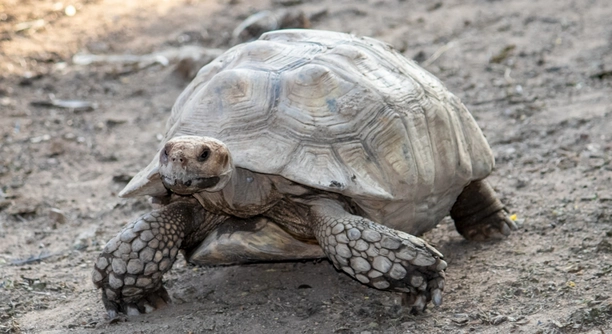
Tortoises are fascinating creatures that grow at different rates depending on their species. If you have one as a pet or are simply curious, understanding their growth process can help you provide the best care.
Tortoise growth rates vary significantly based on species, diet, and environment. On average, most species grow slowly, with some reaching full size in 10-20 years. However, specific conditions can influence how fast they develop.
The growth rate of tortoises can be influenced by various factors, such as habitat, diet, and health. Knowing these details will help you understand their development better.
Factors Affecting Tortoise Growth Rate
Tortoises can grow at varying rates, and several factors influence this process. One of the most important factors is the species. Larger tortoises, like the Aldabra and Galápagos tortoises, grow more slowly compared to smaller species. The environment in which they live also plays a significant role. For instance, tortoises kept in warm, consistent temperatures tend to grow more rapidly than those in colder climates. Additionally, their diet has a major impact. A diet rich in vitamins and minerals promotes faster growth, while poor nutrition can stunt development. The age at which a tortoise begins to receive optimal care also influences its growth rate, as early health issues can hinder proper development.
Many pet owners may not realize how much of an effect the environment has on their tortoise. When housed in an environment that mimics their natural habitat, they are more likely to grow properly. It is important to maintain a proper balance of heat, humidity, and space for optimal growth.
Tortoises are slow-growing animals by nature. However, with the right care, their growth can be accelerated slightly. Ensuring they receive the proper nutrition, temperature, and living conditions will help them grow as quickly and healthily as possible.
Proper Diet for Tortoise Growth
A balanced diet is essential for a tortoise’s growth. Providing them with high-quality greens, fruits, and vegetables will ensure they get the right nutrients to support healthy development. Avoid feeding them processed foods or too many sugary fruits, as this can cause health issues.
The right foods will provide the essential vitamins and minerals, like calcium, which are crucial for shell and bone development. Some tortoises may also benefit from supplements, but it’s always best to consult with a veterinarian before adding these to their diet. By offering a variety of fresh foods and ensuring proper hydration, you will help your tortoise grow at its natural rate.
Different tortoises have different dietary needs depending on their species. For instance, herbivores require a diet primarily made up of leafy greens, while some species may also require a small amount of protein. Understanding what your tortoise needs to stay healthy and thrive is key to supporting its growth.
Temperature and Environment’s Impact on Growth
Temperature plays a critical role in the growth rate of tortoises. If kept in a controlled, warm environment, their metabolism increases, allowing them to grow faster. In colder conditions, their growth slows down, as they become less active and require more time to digest their food.
Creating a habitat that mirrors their natural environment is essential for healthy growth. Tortoises thrive in environments with regulated heat and humidity. A heat lamp or basking spot is necessary for their digestion and overall health. Without proper heat, they may become lethargic and show stunted growth.
It is important to maintain a proper habitat that meets their needs. Tortoises that are housed in environments with fluctuating temperatures or incorrect lighting often experience slower growth and may develop health issues. Providing the proper heating, humidity, and space is key to encouraging healthy development.
Shell Development and Growth Rate
The growth of a tortoise’s shell is tied closely to its overall growth. Shells that are healthy and develop properly require a balanced diet and proper hydration. Malnourished tortoises can experience shell deformities or slow shell growth.
Shell development depends on several factors, with calcium being one of the most critical nutrients. Without enough calcium, tortoises may develop soft or irregular shells. Shell growth can also be affected by age, as younger tortoises typically grow faster. Proper exposure to UVB light is also necessary for healthy shell development.
Tortoises with strong, healthy shells grow at a more consistent pace. When properly fed and cared for, their shells will harden and grow evenly, supporting their overall physical development. Ensuring that your tortoise has access to a well-rounded diet, as well as the proper lighting and space, is essential.
Health and Growth Rate
A tortoise’s health directly affects its growth rate. If a tortoise is sick or stressed, it may not grow as quickly. Stress factors, such as poor living conditions or improper diet, can stunt its growth. Proper care is essential for ensuring they develop at a healthy pace.
Regular check-ups with a veterinarian will help identify potential health problems early. If a tortoise has parasites or nutritional deficiencies, it will not grow properly. Keeping your tortoise in a clean, comfortable environment and monitoring its health can help support proper growth and prevent complications.
Growth Spurt Phases
Tortoises experience growth spurts, especially during their early years. These spurts are most noticeable in hatchlings and juveniles. During this time, they may grow quickly, depending on their environment and diet. However, the growth rate slows as they reach maturity.
The first few years are crucial for a tortoise’s growth. Proper care during this time ensures they grow strong and healthy, laying the foundation for steady growth later in life. During growth spurts, they require a high-calcium diet and exposure to sunlight or UVB light to promote healthy bone and shell development.
FAQ
How fast do tortoises grow?
Tortoises grow at different rates depending on their species. Some may grow rapidly in their first few years, while others grow slowly over decades. Typically, most tortoises reach full size between 10 to 20 years, though it varies greatly with species and care. Environmental factors like temperature and diet also play a significant role in their growth rate.
What factors affect how fast a tortoise grows?
Several factors influence a tortoise’s growth rate. The most significant are species, diet, temperature, and health. Species determine how large and fast a tortoise will grow. A proper diet rich in vitamins and calcium is essential for healthy growth. Warm temperatures and correct humidity help boost their metabolism, promoting growth.
Can tortoises grow too fast?
If a tortoise grows too quickly, it can lead to health problems. Rapid growth due to overfeeding or improper conditions can strain their internal systems, causing skeletal issues or shell deformities. It’s important to provide a balanced diet and proper environmental conditions to support steady, healthy growth.
How can I encourage my tortoise to grow faster?
You can encourage healthy growth by providing a nutritious diet that includes fresh greens, calcium-rich foods, and adequate hydration. Additionally, maintaining proper temperature and humidity levels in their habitat will stimulate their metabolism, promoting natural growth. Regular veterinary check-ups ensure your tortoise is growing properly without any health issues.
What is the best diet for a growing tortoise?
A growing tortoise requires a diet rich in leafy greens, such as dandelion greens, collard greens, and kale. A variety of vegetables, fruits in moderation, and high-fiber foods are essential. For species that require it, offering protein-rich foods may be necessary, but the focus should be on plant-based nutrition.
Does temperature affect tortoise growth?
Yes, temperature plays a major role in the growth rate of tortoises. They are cold-blooded, meaning their metabolism is regulated by external temperatures. When housed in warmer conditions, tortoises tend to grow faster. On the other hand, cooler environments slow down their digestion and metabolism, which can hinder growth.
How can I tell if my tortoise is growing properly?
A healthy tortoise will show consistent growth in both its size and shell development. It should appear active and alert, not lethargic. The shell should be smooth and hard, with no deformities or soft spots. If you notice any signs of slow or stunted growth, consult with a veterinarian to ensure your tortoise is receiving the right care.
What is the role of UVB light in tortoise growth?
UVB light is crucial for tortoises, as it allows them to synthesize vitamin D3, which is necessary for calcium absorption. Without UVB light, tortoises cannot properly utilize calcium, leading to weak bones and shells. Providing UVB lighting in their enclosure is vital for healthy growth, especially for young tortoises.
Can I speed up my tortoise’s growth with supplements?
While supplements can help if a tortoise is lacking essential nutrients, they should not be used as a substitute for a proper diet. Calcium and vitamin D3 supplements may be necessary, but it’s best to consult with a veterinarian before adding any supplements to ensure you’re providing the right balance for growth.
How long does it take for a tortoise to reach full size?
The time it takes for a tortoise to reach full size depends on its species. Some smaller species may only take around 5-10 years, while larger species like the Galápagos tortoise can take several decades to fully mature. Generally, most tortoises take 10-20 years to grow to their full size, though it varies.
Is my tortoise’s shell growth a sign of overall health?
Yes, a tortoise’s shell is a good indicator of overall health. Proper shell growth is typically smooth, hard, and uniform. Any abnormalities, such as softness, deformities, or pyramiding, may indicate underlying health issues, such as calcium deficiencies or improper care. Consistent shell growth is a sign of a well-cared-for tortoise.
How can I prevent my tortoise from growing too slowly?
To prevent slow growth, ensure your tortoise is getting the proper diet, plenty of fresh water, and a comfortable environment. Avoid conditions that are too cold or damp, and keep their habitat clean. Regularly check for any signs of illness, as parasites or infections can also lead to stunted growth.
What are common signs of malnutrition in tortoises?
Signs of malnutrition in tortoises include lethargy, poor shell development, weight loss, and an inability to grow properly. If a tortoise is not receiving enough calcium, its shell may become soft or misshapen. If you’re concerned, consult a vet for advice on improving its diet and overall care.
Can I overfeed my tortoise?
Yes, overfeeding can lead to obesity and health problems. While it’s important to provide enough food, it’s equally important not to overfeed your tortoise. Make sure to offer the right amounts of vegetables and greens without excessive fruits or fatty foods, which can lead to obesity and other complications.
What is the ideal habitat for a growing tortoise?
A proper habitat for a growing tortoise should include a warm basking spot, UVB lighting, and enough space for movement. The temperature should be maintained between 75-85°F, with a basking area reaching up to 95°F. Adequate humidity is also important, particularly for species that come from more tropical environments. A clean, spacious enclosure is vital for healthy growth.
How often should I take my tortoise to the vet?
It’s recommended to take your tortoise to the vet at least once a year for a routine check-up. However, if you notice any changes in their growth, behavior, or diet, it’s best to consult a vet sooner. Early detection of any issues can prevent serious health problems from developing.
Final Thoughts
Tortoises are fascinating creatures with unique growth patterns that vary depending on their species and environment. While their growth rate can be influenced by several factors, the most important ones are diet, temperature, and overall health. Ensuring that your tortoise receives the right care from the start will set a solid foundation for its growth. Providing a balanced diet with proper nutrients, adequate hydration, and exposure to UVB light will help promote healthy development.
It is essential to monitor your tortoise’s growth closely to ensure it is progressing at a healthy pace. This includes checking for signs of malnutrition, dehydration, or any abnormal growth patterns, such as a soft or misshapen shell. Regular visits to a vet can help catch any health issues early, allowing for prompt treatment if needed. It’s also important to remember that tortoises grow at different rates depending on their species. Some species may take many years to reach their full size, while others may grow quickly during their early years.
In conclusion, caring for a tortoise requires patience and attention to detail. Their growth is a reflection of the environment and care provided. By ensuring your tortoise has the right diet, living conditions, and medical care, you can help it grow strong and healthy. Understanding the factors that affect tortoise growth will make you better equipped to provide the best care possible for your pet.

Hello,
If you enjoy the content that we create, please consider saying a "Thank You!" by leaving a tip.
Every little bit helps us continue crafting quality advice that supports the health, happiness, and well-being of pets around the world, for pets of all shapes, sizes, and species.
We really appreciate the kindness and support that you show us!