
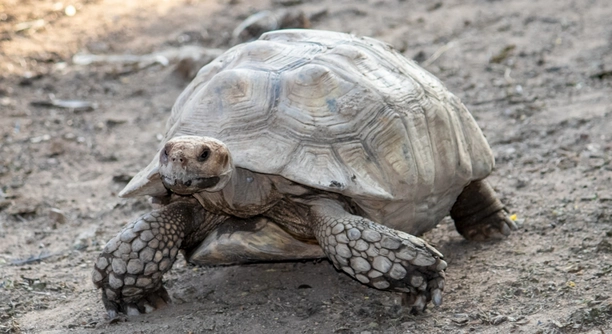
Tortoises are fascinating creatures, but understanding their feeding habits can be tricky. Their diet and feeding schedule are key to keeping them healthy and active. Knowing the right amount and frequency helps ensure they thrive.
Tortoises typically eat every other day, though this may vary depending on their species, age, and size. The amount they consume can range from a small handful of food to about 1/8th of their body weight.
A proper feeding schedule and understanding their needs are crucial for their well-being. This guide will help you manage their diet and feeding times more effectively.
How Much Should a Tortoise Eat?
Tortoises require a balanced diet to maintain their health, and the amount they eat depends on various factors, such as their age, species, and activity level. Generally, adult tortoises need about 1/8th of their body weight in food per day or every other day. This can include a variety of leafy greens, vegetables, and some fruits, depending on their species. Hatchlings and juveniles, however, may require more frequent feedings, as they grow quickly. Understanding your tortoise’s specific needs will ensure they get the right amount of food.
The food should be fresh and varied, avoiding too much fruit or protein, which can lead to health issues.
Maintaining a consistent feeding schedule will support your tortoise’s digestion and overall well-being. Feeding them regularly without overfeeding will help prevent obesity and other related health concerns. As your tortoise ages, their food intake may decrease, so it’s essential to monitor their eating habits.
How Often Should You Feed Your Tortoise?
Tortoises typically need to be fed every other day, but this may vary based on their species and life stage.
For young or growing tortoises, feeding every day can be necessary to support their development. As they age, the frequency can decrease, with most adults only needing food every other day. Some species, like Mediterranean tortoises, can go for longer periods without food, while others, like Russian tortoises, require more regular meals. The key is to avoid overfeeding, which can lead to obesity.
What Should You Feed Your Tortoise?
Tortoises thrive on a variety of leafy greens and vegetables. The specific diet depends on their species, but generally, they enjoy dandelion greens, collard greens, and kale. Avoid feeding them iceberg lettuce or high-protein foods, which can cause health issues.
Fruits can be given as an occasional treat but shouldn’t be a staple. Some tortoises enjoy hibiscus flowers, while others might like a bit of cucumber or bell pepper. Always ensure the food is fresh and free of pesticides. Offering a range of vegetables helps ensure they get a variety of nutrients.
Calcium is essential for tortoises, so be sure to provide a source of it, such as cuttlebone or calcium powder sprinkled over their food. This helps keep their shell strong and prevents metabolic bone disease. It’s also important to provide access to fresh, clean water at all times, as hydration plays a key role in their overall health.
Feeding Schedules for Different Tortoise Species
Different species of tortoises may have varying dietary needs, affecting how often and how much they eat.
For example, desert tortoises are adapted to eating less frequently and can go without food for a few days. In contrast, tropical tortoises tend to eat more often due to their higher metabolism. Understanding your tortoise’s natural environment can help tailor its diet and feeding schedule.
Some species, like the Russian tortoise, do well with two feedings per week, while others, like the Leopard tortoise, require more regular meals. By researching your tortoise’s specific species, you can create a balanced and efficient feeding routine. Always observe their appetite and adjust their feeding schedule if necessary.
Signs Your Tortoise Is Overfed
Overfeeding a tortoise can lead to health issues like obesity and shell deformities. If your tortoise is sluggish, has trouble moving, or becomes less active, it could be a sign they’re eating too much.
Another indicator of overfeeding is weight gain. If your tortoise’s body feels round or its shell looks wider than usual, reduce the amount of food. Excessive food intake can also cause loose stools. Watch for these signs and adjust their diet to avoid long-term health problems.
Creating a Feeding Schedule for Your Tortoise
A feeding schedule should be consistent and based on your tortoise’s age, size, and species. Younger tortoises may need daily feedings, while adults may only require food every other day. It’s crucial to stick to this routine to ensure proper digestion and avoid irregular eating patterns.
Having a fixed time each day or every other day for feeding helps set your tortoise’s internal clock. It also ensures that they eat the right amount without overfeeding. The goal is a healthy, balanced diet tailored to your tortoise’s specific needs.
How to Encourage Healthy Eating Habits
Encouraging healthy eating habits starts with offering a variety of fresh, nutritious foods. Rotating different vegetables and greens keeps their diet interesting and ensures they get all the necessary nutrients. It’s also a good idea to avoid offering the same food repeatedly.
By mixing things up, you’ll help your tortoise develop a preference for healthy options. Make sure to remove any uneaten food to prevent spoilage. This keeps their environment clean and encourages better eating habits overall.
FAQ
How do I know if my tortoise is eating enough?
A healthy tortoise should be active, alert, and have a healthy weight. If your tortoise is losing weight, seems lethargic, or isn’t eating much, they might not be getting enough food. Pay attention to their behavior. If they are active and their shell remains smooth and firm, it’s usually a good sign. Keep track of their feeding schedule, making sure they are eating regularly. If you’re still unsure, consult a vet to ensure they’re getting the right amount of food.
Can tortoises eat fruit every day?
Fruit should be offered as a treat, not a daily food item. It’s high in sugar, which can lead to health problems like obesity. Feeding fruit once or twice a week is enough for most species. Some tortoises, such as Mediterranean species, can tolerate a small amount of fruit in their diet. But always prioritize leafy greens and vegetables, which should make up the bulk of their meals.
How often should I change my tortoise’s water?
Tortoises need fresh, clean water every day. Water should be changed daily to ensure it stays clean and free from bacteria. Tortoises may not drink often, but they still need access to water at all times to stay hydrated. Providing a shallow water dish that is easy for them to access and clean regularly will help keep them healthy.
Can I feed my tortoise lettuce?
Not all types of lettuce are suitable for tortoises. Iceberg lettuce, for example, has very little nutritional value and can lead to digestive issues. Romaine lettuce or other dark leafy greens are better choices. These provide more nutrients, including vitamins A and K. However, lettuce should still be given in moderation as part of a varied diet.
Is it okay to feed my tortoise protein?
Some species of tortoises, particularly younger ones or certain tropical varieties, may need some protein in their diet, but it should be minimal. Too much protein can lead to kidney problems or shell deformities. Offer occasional protein sources like insects or high-protein vegetables. However, be cautious and keep it balanced with fiber-rich greens and vegetables.
How much should I feed my baby tortoise?
Baby tortoises require more food than adults due to their rapid growth. They should be fed every day with a varied diet, including leafy greens, vegetables, and a small amount of fruit. A general guideline is to offer them food in amounts that they can finish in about 15 minutes. Overfeeding can cause problems, so it’s best to remove any leftover food.
Can my tortoise eat flowers?
Yes, many tortoises enjoy eating certain flowers, and they can be a healthy addition to their diet. Safe flowers include hibiscus, dandelions, and pansies. Just make sure the flowers are pesticide-free and safe for your species of tortoise. Avoid any flowers that are known to be toxic, such as lilies.
How do I create a feeding schedule for my tortoise?
A feeding schedule should be based on your tortoise’s species and age. For younger tortoises, feeding daily is usually necessary, while adults can be fed every other day. Set a consistent time each day to feed them. It’s important to give them a balanced diet, mainly consisting of fresh leafy greens, vegetables, and occasional fruit. Track their appetite and adjust the amount as needed to ensure they stay healthy and active.
Can I feed my tortoise vegetables I grow at home?
Yes, growing your own tortoise food can be a great way to provide fresh, pesticide-free vegetables. Just ensure that the plants you grow are safe for tortoises to eat. Common options include dandelion greens, clover, and certain herbs. Be cautious with garden vegetables like tomatoes, as they can be toxic. Research each plant before offering it to your tortoise.
What should I do if my tortoise isn’t eating?
If your tortoise isn’t eating, there may be several reasons. Check if they are stressed, sick, or in a hibernation phase (if appropriate for their species). Ensure their environment is warm enough and that their habitat is clean. If the lack of eating continues, it’s important to consult a vet. Illnesses such as respiratory infections or parasites can cause a loss of appetite, and early detection is key to treatment.
How much should my tortoise drink?
Tortoises don’t typically drink large amounts of water at once. However, it’s crucial to provide them with fresh water daily. Some tortoises may soak in their water dish to hydrate, which helps with digestion and overall hydration. A shallow water dish is ideal, ensuring they can easily access it. Watch for signs of dehydration, such as dry, flaky skin, and encourage them to drink by soaking them gently in water.
Final Thoughts
Feeding your tortoise the right amount of food and following a consistent schedule is essential for their health. Tortoises need a balanced diet, including fresh greens, vegetables, and occasional fruit. By providing variety in their meals, you ensure they receive the nutrients necessary for growth and well-being. Pay attention to their behavior, weight, and overall health to determine if their diet is working. Overfeeding or underfeeding can lead to health problems, so it’s important to monitor their eating habits regularly.
A well-planned feeding routine will help your tortoise stay active and healthy. If you have a young tortoise, feeding them daily is important for growth, while adult tortoises may only need food every other day. The amount of food should be appropriate for their size, and it’s best to remove any leftover food to avoid spoilage. Consistency is key—sticking to a schedule helps your tortoise adapt to a predictable routine. Along with food, always provide access to fresh, clean water to support hydration and digestive health.
If you’re unsure about any aspect of your tortoise’s diet or feeding schedule, it’s always a good idea to consult a vet. A professional can guide you on the best feeding practices specific to your tortoise’s species and needs. Regular check-ups ensure that your tortoise remains in good health and helps catch any potential issues early on. Feeding your tortoise well is one of the most important aspects of responsible care, and by following a proper schedule, you can ensure they live a long, healthy life.

Hello,
If you enjoy the content that we create, please consider saying a "Thank You!" by leaving a tip.
Every little bit helps us continue crafting quality advice that supports the health, happiness, and well-being of pets around the world, for pets of all shapes, sizes, and species.
We really appreciate the kindness and support that you show us!