
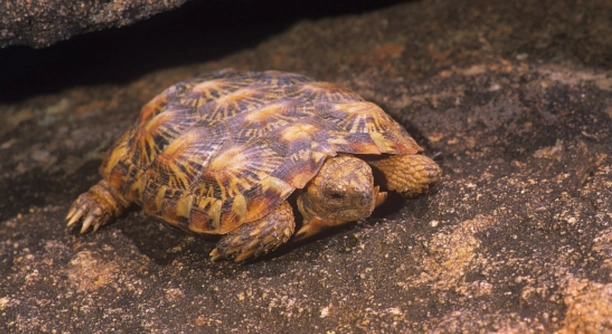
Tortoises are fascinating creatures, known for their slow and steady nature. Many wonder about their behavior and abilities, such as how long they can hold their breath. The answer might surprise you.
Tortoises are capable of holding their breath for several hours, depending on the species and environmental conditions. Some can even go without air for up to 24 hours, especially if they are in a cold, low-activity state.
There’s a lot more to learn about this impressive ability and how tortoises manage it. From their slow metabolism to their unique breathing habits, the details reveal much about these ancient reptiles.
How Tortoises Breathe
Tortoises have a unique way of breathing. Unlike many animals, they don’t have to breathe constantly. Their slow metabolism allows them to take long breaks from respiration, especially when they’re inactive or in cooler temperatures. This ability helps them conserve energy, especially during hibernation periods or when submerged in water. A tortoise’s lungs are designed to work in a way that allows them to go without air for extended periods. When they need to hold their breath, they reduce their oxygen usage to an impressive degree. This process is not the same for every species, and factors like temperature, activity level, and health can all impact how long they can hold their breath.
They can even survive underwater for several hours, which is especially true for aquatic tortoises. Aquatic tortoises are more adept at holding their breath since they are regularly submerged in water. Their bodies are built to handle the pressure of underwater environments, so they can manage without taking in air for longer stretches.
When in a relaxed state, a tortoise can remain underwater for several hours. For aquatic species, this is a normal behavior. It’s important to note that while they can hold their breath for a long time, tortoises still need regular access to air to stay healthy.
Factors Affecting Breath-Holding
Tortoises, especially land species, may have shorter breath-holding abilities compared to their aquatic counterparts. For instance, a dry, warm environment might shorten the time they can stay underwater. Even their level of physical activity influences how long they can hold their breath. If a tortoise is actively moving, it will need oxygen sooner than one resting quietly. Their health also plays a role. Illness or injury can reduce their ability to hold their breath, as their metabolism may speed up, requiring more oxygen.
A well-fed, healthy tortoise can hold its breath much longer than one that is stressed or underfed. The temperature of their environment plays a big part as well. Colder conditions can cause a tortoise’s metabolism to slow down, allowing it to go without air for longer. This is why you may notice tortoises appearing less active during the colder months, as they are conserving energy by taking fewer breaths.
The Role of Temperature in Breath Holding
Temperature is essential to understanding a tortoise’s breath-holding abilities. When a tortoise is in a cool environment, its metabolism slows down. This decreased metabolic rate allows the tortoise to hold its breath for much longer. Conversely, warmer environments speed up the metabolism, which leads to a faster need for oxygen. This is one of the reasons why tortoises are more active in warmer climates and less so in cooler ones. It’s important to keep this in mind when caring for a tortoise, as their activity levels and breath-holding abilities will fluctuate with temperature.
Aquatic tortoises, especially those in colder waters, tend to have longer periods of breath-holding since the cooler temperature supports their slower metabolism. Some species of tortoises are adapted to live in very specific environments, where temperature and oxygen levels are more predictable. These tortoises can hold their breath for longer durations because their bodies are in tune with the needs of their environment. However, even with these adaptations, a tortoise must always have access to air when needed. Prolonged periods without air can harm them.
The Impact of Stress on Breath-Holding
Stress can significantly reduce a tortoise’s ability to hold its breath. When stressed, their metabolism speeds up, and their need for oxygen increases. This means they can’t stay underwater for as long and may surface more frequently. Stress can be caused by environmental changes, handling, or illness, all of which put extra strain on the tortoise’s system.
A stressed tortoise will breathe more rapidly, using up oxygen faster than when relaxed. Stress factors such as loud noises, sudden movements, or overcrowded living spaces can trigger this reaction. In the wild, this response helps them stay alert and survive in dangerous situations, but in captivity, it can be detrimental to their health.
Reducing stress in captivity can help tortoises breathe more efficiently and hold their breath for longer periods. Creating a calm, quiet environment and ensuring they have enough space to roam can improve their overall well-being. Stress management is important for preserving a tortoise’s natural abilities and allowing it to thrive in its habitat.
Breathing Patterns in Aquatic vs. Land Tortoises
Aquatic tortoises tend to have more efficient and longer breath-holding capabilities than their land counterparts. Living in water allows them to stay submerged for longer periods, often up to several hours. Their bodies are adapted to underwater life, with specialized lungs and slower metabolic rates that help them conserve oxygen. This makes them excellent at holding their breath when submerged.
Land tortoises, however, don’t spend as much time underwater and need more frequent access to air. Although they can hold their breath for a while, their ability is more limited compared to aquatic species. Their lungs are better suited for oxygen intake in the air, rather than underwater. Environmental factors, such as temperature and humidity, can also affect how long they can hold their breath. In colder climates, land tortoises might naturally go into a state of dormancy, lowering their breathing rate even more.
Tortoise Behavior While Holding Breath
When a tortoise holds its breath, its body goes into a state of rest. The heart rate slows down, and oxygen consumption is minimized. This allows the tortoise to stay underwater or in a low-activity state for an extended period. During this time, the tortoise remains calm and still.
Some species of tortoises even enter a form of semi-dormancy, lowering their metabolic rate to conserve energy. The longer they can hold their breath, the more energy they save. This behavior is crucial in their survival, especially during long periods of hibernation or when food sources are scarce.
Tortoise Health and Breath Holding
A tortoise’s overall health impacts its ability to hold its breath. A healthy, well-fed tortoise can typically hold its breath longer, as their body functions are running optimally. Illness or poor nutrition can hinder this ability by increasing their oxygen needs. Maintaining good health is vital for extending breath-holding durations.
Handling Breath-Holding in Captivity
In captivity, it’s essential to create a suitable environment to support a tortoise’s natural breath-holding abilities. Ensuring the correct temperature, humidity, and space can help regulate their metabolism. Avoid stressors that could trigger rapid breathing, and always provide access to clean, fresh water.
FAQ
How long can a tortoise hold its breath?
The duration a tortoise can hold its breath varies by species and environment. On average, a tortoise can hold its breath anywhere from 30 minutes to several hours. Some aquatic tortoises can manage up to 24 hours when in colder environments or during a state of inactivity. Land tortoises usually hold their breath for shorter periods, typically around 30 minutes to an hour, depending on activity levels and health.
Can tortoises breathe underwater?
Tortoises cannot breathe underwater like fish. They rely on air to breathe, but they can hold their breath for extended periods. Aquatic species are better adapted for this, and they have specialized lungs to help them stay submerged longer. While they can survive underwater for a while, they still need to surface for air eventually.
Does temperature affect how long a tortoise can hold its breath?
Yes, temperature plays a significant role in a tortoise’s ability to hold its breath. In cooler environments, their metabolism slows down, which allows them to conserve oxygen and hold their breath for longer. Warmer temperatures increase their metabolic rate, making them require more oxygen, so they need to surface more often. Keeping tortoises in stable, appropriate temperatures is essential for their health and well-being.
How does stress affect a tortoise’s breath-holding ability?
Stress can reduce a tortoise’s ability to hold its breath. When stressed, their metabolism speeds up, increasing their oxygen needs. This causes them to breathe more rapidly, and they are unable to stay submerged as long. Stress can come from environmental changes, handling, or even loud noises. Keeping a tortoise in a calm, quiet environment will help minimize stress and allow them to hold their breath for longer periods.
Are there any health concerns if a tortoise holds its breath too long?
If a tortoise holds its breath for too long, it may cause stress or strain on their respiratory system. This is typically not a problem unless the tortoise is kept in unnatural conditions or under extreme stress. However, prolonged breath-holding in unhealthy conditions could result in oxygen deprivation, which may lead to serious health issues, including organ failure. It’s important to ensure that tortoises always have access to air when they need it.
Can a tortoise drown?
While tortoises can hold their breath for long periods, they can still drown if they are unable to surface for air. Aquatic tortoises are better equipped for underwater environments and can hold their breath for longer than land species, but they still need to come up for air. If a tortoise is submerged in water with no means of escape or if it is trapped, there is a risk of drowning. Always ensure that aquatic tortoises have a safe, easy way to access air.
How often should a tortoise be allowed to breathe in captivity?
In captivity, tortoises should have access to air at all times. While they can hold their breath for extended periods, they must not be deprived of oxygen for too long. If you have an aquatic tortoise, ensure that their water environment is suitable for regular breathing. For land tortoises, provide a space where they can roam freely and breathe comfortably.
Can tortoises hold their breath while hibernating?
Yes, during hibernation or brumation, tortoises reduce their metabolic rate significantly. This lowered metabolism allows them to hold their breath for longer periods, as their bodies require less oxygen. However, it is essential to note that hibernation should only happen under specific conditions, such as the right temperature and time of year, to ensure a tortoise’s health.
What happens if a tortoise is forced to hold its breath for too long?
If a tortoise is forced to hold its breath beyond its natural limits, it can experience oxygen deprivation. This can cause stress, physical discomfort, and potentially harm its respiratory system. Prolonged deprivation of air can lead to organ damage and even death in extreme cases. It’s crucial to always provide a tortoise with the opportunity to breathe when needed.
Can tortoises breathe through their skin?
Tortoises do not breathe through their skin in the same way amphibians like frogs do. They rely entirely on their lungs to breathe, though some species may absorb small amounts of oxygen through their skin in water. However, this is not enough to sustain them for long periods. They still need to surface and breathe air to stay alive.
Are all tortoises able to hold their breath for long periods?
No, not all tortoises can hold their breath for the same duration. Aquatic tortoises are generally better at holding their breath for extended periods due to their adaptations to underwater life. Land tortoises, while still capable of holding their breath for some time, generally have shorter breath-holding capabilities. The specific species, activity level, and environmental factors all influence a tortoise’s ability to hold its breath.
Can tortoises hold their breath when they are active?
While tortoises can hold their breath during periods of inactivity, their breath-holding ability is limited when they are active. If a tortoise is moving around or foraging, it will need oxygen more quickly. Activity increases the body’s oxygen consumption, making it harder for them to hold their breath for long periods. They will surface or breathe more often when they are active.
What should I do if my tortoise is having trouble breathing?
If you notice that your tortoise is struggling to breathe or is having difficulty holding its breath, it’s important to consult a veterinarian. Breathing issues could indicate a respiratory infection, stress, or poor living conditions. Make sure your tortoise is in a clean, well-maintained environment, and keep an eye on its temperature, humidity, and diet to ensure it is healthy.
Final Thoughts
Tortoises are fascinating creatures with unique abilities, especially when it comes to holding their breath. These reptiles have adapted over time to survive in various environments, from the dry desert to the water-filled habitats of aquatic species. Their ability to hold their breath for extended periods is a key survival trait, helping them conserve energy, avoid predators, and adapt to their surroundings. While the time they can hold their breath varies depending on the species and environmental factors, it’s clear that this remarkable ability plays an essential role in their survival. Whether it’s an aquatic tortoise holding its breath underwater for several hours or a land tortoise staying still for shorter periods, their bodies have evolved to support such behaviors.
However, it’s important to understand the factors that affect a tortoise’s ability to hold its breath. Stress, temperature, and overall health all play significant roles. Tortoises need calm, stable environments to thrive, and any disturbance in their routine or habitat can affect their breath-holding capacity. Stress from handling, sudden temperature changes, or improper living conditions can cause their metabolism to increase, making it harder for them to stay submerged for long periods. This can impact their overall health, and over time, may lead to more serious complications. That’s why providing a proper and stress-free environment is essential for a tortoise’s well-being.
In captivity, tortoise owners should be mindful of these factors to ensure their pets remain healthy. A well-balanced diet, appropriate temperature regulation, and a peaceful environment are key to allowing tortoises to express their natural behaviors, including holding their breath for extended periods. Understanding the needs of these animals will help provide them with a long, healthy life. While tortoises may be able to hold their breath for hours, it is essential to keep their living conditions in mind so they can thrive and maintain their natural abilities. By respecting their natural rhythms and needs, tortoises can live comfortably and continue to amaze us with their remarkable qualities.

Hello,
If you enjoy the content that we create, please consider saying a "Thank You!" by leaving a tip.
Every little bit helps us continue crafting quality advice that supports the health, happiness, and well-being of pets around the world, for pets of all shapes, sizes, and species.
We really appreciate the kindness and support that you show us!