
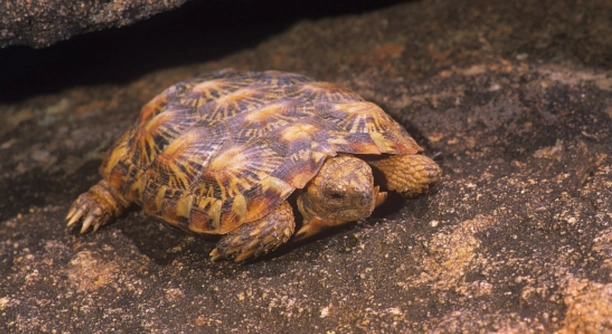
Tortoises are fascinating creatures, but you might wonder about their behavior, especially when it comes to biting. It’s not unusual to have questions about their interactions and whether they could bite you.
Tortoises, in general, do not bite aggressively. However, they may bite in certain situations, such as when feeling threatened or when food is involved. Their bites are typically not harmful, but they can cause discomfort.
Tortoises are gentle animals, but understanding when and why they might bite can help you interact with them safely. This article explores tortoise behavior and how you can avoid bites.
Why Do Tortoises Bite?
Tortoises are known for their slow movements and calm demeanor. However, like all animals, they can show aggression or defensiveness, which can sometimes result in biting. Most tortoises are not naturally inclined to bite unless they feel threatened or scared. In the wild, tortoises might bite if they are provoked by predators or other animals. In captivity, their biting behavior can be triggered by stress, sudden movements, or unfamiliar handling. If they feel cornered or are not given enough space, they may lash out with a bite. Food is another common trigger. A tortoise may bite out of excitement or competition if food is introduced suddenly or if it is part of a territorial dispute with another tortoise. Understanding the reasons behind a tortoise’s behavior helps ensure better interactions.
Tortoises generally do not bite out of malice. Their bites are usually defensive or food-related.
While it might be alarming to experience a tortoise bite, it is usually not severe. Their bites are not likely to cause serious injury. However, they can be painful and can break the skin, especially if the tortoise is larger or more territorial. Most tortoises have small, sharp beaks that can grab onto skin or clothing. The force of the bite typically depends on the species, size, and temperament of the tortoise. For instance, some species like the sulcata tortoise have stronger bites due to their size, while smaller species are less likely to cause injury. If you do get bitten, it’s important to stay calm and gently remove the tortoise without causing it further stress. Proper care and handling can help reduce the likelihood of such incidents.
How to Prevent Tortoise Bites
Preventing bites from tortoises often comes down to understanding their behavior and body language. When interacting with tortoises, avoid making sudden movements that might startle them. Giving them time to adjust to their surroundings and new people can also help them feel more at ease. Additionally, ensure they have enough space to move freely in their environment, as confined spaces can lead to stress and defensive behavior. If you have more than one tortoise, make sure each one has a designated area and access to food to prevent territorial disputes. Always approach your tortoise slowly, giving it a chance to get used to your presence.
Creating a comfortable and stress-free habitat is key to minimizing biting. A calm and controlled environment allows tortoises to feel secure, reducing the chance of aggression. Regularly handle your tortoise gently, allowing it to become accustomed to human contact. Over time, this builds trust, making it less likely for a bite to occur.
What Happens When a Tortoise Bites?
When a tortoise bites, the impact can vary based on the size and species. In general, the bite is not severe but can cause some discomfort. The sharpness of their beak can break the skin, leading to minor cuts or bruises. Most bites don’t require medical attention unless the wound becomes infected.
If a tortoise does bite, it’s often a sign that it feels threatened or stressed. The pain from the bite typically fades quickly, but it’s important to clean any wounds to prevent infection. Most bites from smaller tortoises are not serious, but larger species can apply more pressure. In the wild, tortoises bite as a defense mechanism. In captivity, biting often occurs due to stress or territorial behavior. It’s important to observe your tortoise closely for signs of discomfort or agitation to avoid triggering such reactions.
Regardless of the severity, cleaning the bite and monitoring for any signs of infection is important. Although bites are typically not dangerous, ensuring proper care can help avoid complications. It’s crucial to make sure the tortoise feels secure in its environment to minimize aggressive responses. A calm environment will help reduce the chances of future bites.
How to Handle a Tortoise Safely
Handling a tortoise correctly can prevent bites and ensure a safe interaction. Always approach the tortoise slowly and calmly. Sudden movements can startle it, increasing the chances of a defensive reaction. When picking up a tortoise, support its body from the bottom, never holding it by the shell or legs.
It’s important to allow the tortoise to move freely, as forcing interaction can cause stress. Spend time letting your tortoise get used to your presence. Regular handling, but at the tortoise’s own pace, helps build trust and comfort. Some tortoises may enjoy gentle petting or light interaction, but never force them into any situation they seem uncomfortable with. By respecting their space and allowing for gradual interaction, you will lower the risk of defensive biting.
In general, handling your tortoise less frequently but in a calm manner can help foster trust. Avoid making them feel trapped or cornered, as that’s when they may bite. By maintaining patience and observing their behavior, you’ll find that handling becomes much safer for both of you.
Tortoise Bite Prevention Tips
To avoid getting bitten by your tortoise, ensure its environment is stress-free and spacious. Sudden movements or overcrowding can trigger aggressive behavior. Regularly check the enclosure to ensure it’s comfortable for your tortoise, with access to food and hiding spots.
Being mindful of when and how you interact with your tortoise is also key. Take things slow and give the tortoise time to approach you. Avoid overwhelming it with too much attention or frequent handling. Gradually, your tortoise will become more accustomed to your presence, reducing the chances of a bite.
Recognizing Tortoise Body Language
Tortoises have subtle ways of expressing discomfort or agitation. They might pull their heads and limbs into their shells when feeling threatened or scared. Their body language can tell you when they’re not in the mood for interaction. Observing these signs helps prevent a bite.
If your tortoise starts moving quickly away from you or hisses, it’s a clear sign that it feels stressed or threatened. Avoid trying to pick it up during these moments. Recognizing these signs can help you avoid triggering a defensive bite. It’s important to respect their boundaries.
The Right Feeding Techniques
Proper feeding habits can also reduce the chance of biting. When offering food, make sure the tortoise has plenty of time and space to eat without feeling rushed or crowded. Introducing food slowly gives the tortoise time to adjust.
Try to feed your tortoise in a quiet and calm area where it feels safe. Avoid reaching in too quickly or disturbing it while eating. If there are multiple tortoises, feed them separately to reduce competition and territorial behavior.
FAQ
Can a tortoise bite cause harm?
Tortoise bites are usually not dangerous, but they can cause pain, especially if the tortoise is large or the bite is on sensitive skin. Smaller tortoises are less likely to cause serious harm, though their bites may still lead to minor cuts or bruising. The sharp beak of a tortoise can break the skin, leading to potential infections if not properly cleaned. It’s important to clean the wound and monitor it for signs of swelling or infection, but in general, tortoise bites are more of a discomfort than a severe injury.
How can I tell if my tortoise is about to bite?
Tortoises often show clear signs before they bite. If your tortoise retracts its head or body into its shell, it may be a sign that it’s feeling threatened. Hissing, rapid movements, or turning its body toward you can also signal that the tortoise is upset. If you notice any of these signs, it’s best to back off and give your tortoise some space. Sudden or loud movements may also startle them, increasing the chance of a defensive bite. Understanding your tortoise’s body language can help you avoid bites.
What should I do if my tortoise bites me?
If a tortoise bites you, stay calm. Gently remove its beak from your skin without pulling too hard. Clean the bite with soap and water, and apply an antiseptic to prevent infection. If the wound appears deep or shows signs of infection, contact a healthcare professional. Most bites are harmless and will heal on their own with proper care. Avoid panicking, as this can stress both you and the tortoise. In the future, you can take steps to prevent further bites by learning more about the tortoise’s behavior and needs.
Do tortoises bite for no reason?
Tortoises typically do not bite without reason. They are not naturally aggressive animals and will generally bite only when they feel threatened or stressed. This could be due to a perceived danger, discomfort, or competition for food. In captivity, they may bite out of territorial behavior or frustration. Sometimes, tortoises bite out of excitement during feeding times, especially if they’re hungry. Understanding their environment and their stressors can help you avoid situations where biting may occur.
Are tortoises more likely to bite when they are hungry?
Yes, tortoises may bite if they are hungry, particularly when food is introduced. They may mistake a hand for food or become overly excited during feeding time, which can lead to accidental bites. To avoid this, try offering food in a calm, slow manner and give your tortoise time to focus on eating. Make sure to provide a consistent feeding schedule so the tortoise doesn’t feel overly hungry and agitated. It’s important to avoid sudden movements around food, as this can lead to unexpected reactions.
Is there a difference in bite behavior between tortoise species?
Yes, the likelihood and intensity of a tortoise bite can vary depending on the species. Larger species like the sulcata or leopard tortoises are more likely to deliver a stronger bite due to their size and strength. Smaller species, like the Russian or Greek tortoises, have less powerful bites, but they can still cause discomfort. Some species are naturally more territorial, while others are more docile. Understanding the temperament and behavior of the specific species you have can help you know what to expect when interacting with them.
Can tortoises be trained not to bite?
Training a tortoise not to bite can be challenging, as their behavior is mostly driven by instinct rather than learned actions. However, they can become accustomed to regular handling and calm interactions, which can reduce the chances of biting. It’s important to respect their space and allow them to feel safe and secure. Positive reinforcement, such as offering food or rewards after calm behavior, can help encourage non-biting behavior. With time and patience, your tortoise may learn that being calm around you leads to more positive experiences.
What do I do if my tortoise keeps biting?
If your tortoise frequently bites, it may be stressed or uncomfortable. Check its environment for any potential stressors, such as overcrowding, too much noise, or improper temperature. Ensure it has enough space to move freely and feels secure. Sometimes, repeated biting can be a sign that the tortoise is unhappy with its living conditions or routine. Handling your tortoise with more care and respect, avoiding sudden movements, and creating a calming environment can help prevent these behaviors. If biting persists, consulting with a reptile expert may be beneficial to address underlying issues.
Is it normal for a tortoise to bite other tortoises?
Yes, it is normal for tortoises to bite each other, especially in the wild where they may be competing for food, territory, or mates. In captivity, tortoises might bite each other for similar reasons, such as fighting over space or food. It’s essential to provide separate areas for each tortoise to reduce aggression. If multiple tortoises are housed together, be mindful of their interactions and observe if one is being overly aggressive toward the others. Separation and proper management can prevent fights and reduce the likelihood of bites.
Do tortoises ever bite out of affection?
Tortoises do not bite as a way of showing affection. Unlike some animals that bite during play or bonding, tortoises do not exhibit that type of behavior. Any biting from a tortoise is typically due to stress, fear, or hunger. They may nip at you if they mistake your hand for food or if they are feeling threatened. If your tortoise seems to enjoy your presence or interaction, they may approach you calmly, but biting is not part of their social behavior. Understanding what triggers a bite is important for avoiding them.
Can tortoises become aggressive over time?
Tortoises can become more aggressive if they feel stressed, threatened, or confined. Factors such as improper living conditions, lack of space, or territorial disputes with other tortoises can make them more likely to bite. Over time, if these stressors are not addressed, the tortoise may develop more defensive behaviors. Regularly checking the tortoise’s environment, diet, and overall health can help keep aggression in check. If you notice your tortoise becoming more aggressive, it’s essential to identify any changes in its surroundings and take steps to reduce stress.
Final Thoughts
Tortoises, as gentle and calm creatures, are generally not prone to biting. Their behavior is often a response to feeling threatened or stressed, rather than an act of aggression. When they do bite, it is typically because they feel the need to protect themselves or their territory. Understanding the reasons behind this behavior is important for creating a safe and comfortable environment for your tortoise. By recognizing the signs of stress or discomfort, you can take steps to prevent biting and ensure better interactions with your pet.
The key to avoiding bites lies in being patient and observant. It’s essential to allow your tortoise time to adjust to its surroundings, especially when you first bring it home. Tortoises need time to get used to human contact, so it’s important to handle them gently and avoid making sudden movements that might startle them. Providing a stress-free environment with enough space to move around, access to food, and hiding spots can make a big difference in reducing aggressive behavior. When feeding, take your time and avoid rushing them, as this can cause unnecessary stress. Over time, your tortoise will become more comfortable with you, and the chances of it biting will decrease.
If you do get bitten, don’t panic. Most bites are not harmful and will heal quickly with proper care. It’s always a good idea to clean any bite immediately to avoid infection, but you don’t need to worry about serious harm. By continuing to build trust with your tortoise, you can minimize the chances of future bites. Regular handling, proper care, and a calm environment will help your tortoise feel more secure and less likely to bite out of fear or stress. In the end, understanding your tortoise’s needs and behavior is the best way to ensure a peaceful and enjoyable relationship with your pet.

Hello,
If you enjoy the content that we create, please consider saying a "Thank You!" by leaving a tip.
Every little bit helps us continue crafting quality advice that supports the health, happiness, and well-being of pets around the world, for pets of all shapes, sizes, and species.
We really appreciate the kindness and support that you show us!