
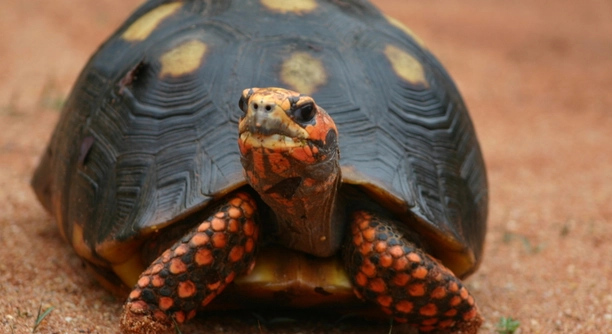
Sometimes, pet owners may notice an unpleasant odor coming from their red-footed tortoises. It can be surprising and concerning, but it’s important to understand the reasons behind it to ensure your pet’s health.
The bad smell may be caused by a number of factors, such as poor hygiene, improper diet, or health issues like infections. Regular cleaning, appropriate diet, and vet visits can help prevent or address these smells effectively.
Identifying the root cause can help you take steps to fix the issue and keep your tortoise happy and healthy.
Poor Hygiene and Unclean Habitats
A dirty enclosure is one of the main reasons your red-footed tortoise might have a bad smell. If the substrate, like bedding or soil, is left unchanged for too long, waste can build up and create unpleasant odors. The tortoise’s food and water bowls can also get dirty quickly, contributing to the smell. It’s essential to clean your tortoise’s home regularly to prevent bacteria or mold from growing. A dirty environment can not only cause a bad smell but also lead to health problems. Cleaning once a week or more, depending on the size of the habitat, will help keep things fresh.
The smell can be reduced by changing the bedding and cleaning all areas of the enclosure with reptile-safe disinfectants. This includes removing old food and waste, which will help keep odors at bay.
Regular cleaning will also keep your tortoise healthy by preventing any buildup of harmful bacteria. Make sure to dry the enclosure completely before adding fresh bedding to keep mold from forming. Keeping your tortoise’s environment clean is one of the simplest and most effective ways to reduce the smell.
Diet and Food Choices
What your red-footed tortoise eats can affect how they smell. Some foods may cause digestive problems, resulting in foul odors. Feeding your tortoise a diet too high in protein or foods that aren’t suitable for them can lead to smelly waste or even stomach discomfort. A proper diet with a variety of fruits, vegetables, and limited protein is key to keeping your tortoise’s digestive system healthy.
It’s important to research the right foods and avoid giving them too many high-protein options, such as meat or dairy, which can lead to bad smells. A balanced diet is essential for overall health and odor control.
Always monitor your tortoise’s eating habits and waste after changes in their diet. If you notice consistent bad smells, consider adjusting their food and consulting a veterinarian to ensure they’re not suffering from dietary issues. Keeping your tortoise’s diet well-balanced will prevent unpleasant odors and contribute to their long-term health.
Health Problems and Infections
If your tortoise is smelling bad despite proper care and hygiene, an infection or health problem could be the cause. Respiratory infections, shell rot, or skin infections are some of the common issues that might make your tortoise smell unpleasant. If you notice signs like wheezing, discharge from the eyes or nose, or soft spots on the shell, it’s important to take them to the vet. Health problems not only cause bad odors but can also affect your tortoise’s overall well-being.
Infections often come from a combination of stress, poor environment, and improper care. If your tortoise is housed in a damp, dirty environment or is underfed, they may become more susceptible to infections. A proper setup and a healthy diet help strengthen their immune system, reducing the risk of these issues. Regularly checking for signs of health problems and maintaining a stress-free, clean habitat is essential to prevent bad smells caused by infections.
If the odor is persistent and doesn’t go away with improved care, it’s important to visit a veterinarian. They can diagnose any underlying health conditions and offer appropriate treatment to help your tortoise recover. Timely intervention can prevent more serious health issues and restore your tortoise’s comfort and odor-free state.
Improper Temperature and Humidity
The right temperature and humidity are crucial for your tortoise’s health and comfort. If the environment is too hot or too cold, it can cause stress and may contribute to bad smells. Red-footed tortoises thrive in a warm, humid environment, but if it becomes too humid or not humid enough, it can cause mold and bacteria to grow, leading to unpleasant odors.
Ensure that your tortoise’s habitat maintains a consistent temperature and humidity level. Using a thermometer and hygrometer can help you keep track of the conditions. A temperature gradient, with a basking area that’s warm and a cooler side, is essential. If the humidity is too low, consider adding a water dish or misting the habitat to increase moisture.
A comfortable environment helps your tortoise stay healthy and reduces stress. Keeping the temperature and humidity at the proper levels will not only prevent bad smells but also support your tortoise’s overall well-being. Adjusting the conditions and observing your pet’s behavior can help create a better habitat for them.
Improper Substrate Choices
The type of bedding used in your tortoise’s enclosure can affect how it smells. Using the wrong substrate can trap moisture, leading to mold and bacteria growth. Opt for a substrate that’s easy to clean, like coconut coir, aspen shavings, or cypress mulch, which help control odor.
It’s also important to spot clean daily, removing any waste to prevent buildup. Regularly replace the substrate, at least every two to three weeks, to avoid excessive odor. This simple task can make a big difference in keeping your tortoise’s environment fresh.
Overfeeding and Inadequate Digestion
Overfeeding your red-footed tortoise can lead to poor digestion, resulting in smelly waste. This happens when your tortoise consumes more than it can process, leading to undigested food or excessive waste production. Overfeeding can also cause obesity, further stressing your tortoise’s body and digestive system.
A healthy tortoise should have a balanced diet that includes a variety of fruits, vegetables, and minimal protein. Feeding small amounts daily, rather than large portions, will help maintain a healthy weight and prevent digestive issues. Monitor your tortoise’s eating habits and adjust portions as needed to ensure proper digestion.
Dehydration
Dehydration is another factor that can lead to unpleasant smells in tortoises. When your red-footed tortoise doesn’t drink enough water, it can lead to urinary issues and concentrated waste, which may have a stronger, foul odor. Ensure that fresh water is available at all times.
In addition to providing fresh water, consider offering your tortoise a shallow water dish for soaking. This can help hydrate them and also aid in digestion. If your tortoise isn’t drinking, it might be worth discussing with a vet to rule out health issues related to dehydration.
FAQ
Why does my red-footed tortoise smell bad even after cleaning?
If your tortoise still smells after cleaning, there could be underlying issues like an infection or health problem. It’s possible that certain areas in the enclosure are missed during cleaning, or there may be waste hidden in the substrate. If the odor persists, it’s a good idea to check for signs of illness such as discharge, wheezing, or skin issues. A visit to the vet may be necessary if health problems are suspected.
How often should I clean my red-footed tortoise’s enclosure?
You should spot clean your tortoise’s enclosure daily, removing waste, uneaten food, and any other debris. Full cleaning of the enclosure should be done at least once a week, or more often if you notice the buildup of waste or foul odors. Changing the substrate every 2-3 weeks is also recommended.
What can I do if my tortoise’s waste smells really bad?
A smelly waste could indicate digestive issues, a poor diet, or even an infection. Ensure your tortoise is eating a balanced diet and that it’s not overfed. High-protein foods, like meat or dairy, can cause smelly stools, so these should be limited. If the smell persists, consult a veterinarian to rule out health problems.
Is it normal for a red-footed tortoise to smell after a meal?
A slight odor after eating is normal, especially if the tortoise consumes moist or fruit-based foods. However, if the odor is overwhelming or lingers, it could indicate digestive issues or improper diet. Check the foods you’re offering and ensure they are appropriate for your tortoise’s needs.
How can I improve the humidity in my tortoise’s habitat?
To improve humidity, mist the enclosure lightly every day, especially if the air is dry. You can also add a shallow water dish that encourages your tortoise to soak. Ensure that the humidity stays between 60-80% for optimal health. Using a hygrometer will help monitor levels accurately.
What should I feed my red-footed tortoise to reduce bad smells?
A proper diet can reduce bad smells. Red-footed tortoises thrive on a variety of leafy greens, fruits, and flowers. Avoid feeding them high-protein foods like meat or dairy, as these can lead to smelly waste. Stick to a diet of vegetables like dandelion greens, collard greens, and squash, with occasional fruit as a treat.
Can a dirty water bowl cause a smell?
Yes, a dirty water bowl can certainly contribute to an unpleasant smell in your tortoise’s enclosure. Bacteria can grow in stagnant water, causing both odor and potential health issues for your tortoise. Clean the water bowl daily and ensure the water is fresh and free from debris.
What if my red-footed tortoise is not drinking enough water?
Dehydration can lead to concentrated waste and stronger odors. If your tortoise is not drinking enough, consider offering water in a shallow dish for soaking or misting them gently. It might also help to provide a shallow puddle for them to step into. If dehydration persists, consult a vet.
Is it okay to use pine or cedar bedding for my tortoise?
Pine and cedar bedding should be avoided because they contain aromatic oils that can be harmful to reptiles. These types of wood can irritate your tortoise’s respiratory system and cause unpleasant smells in the habitat. Instead, use safer options like coconut coir, cypress mulch, or aspen shavings.
Can mold in the substrate cause a bad smell?
Yes, mold can cause a very unpleasant odor and should be addressed immediately. If you notice mold, remove the affected bedding and clean the area thoroughly. Replace the substrate with fresh material, and ensure the humidity level is appropriate to prevent further mold growth.
What signs should I look for if my tortoise is sick and causing the bad smell?
If your tortoise is sick, you may notice discharge from the eyes, nose, or mouth, lethargy, wheezing, or trouble breathing. A bad smell that doesn’t improve with cleaning might be a sign of infection or other health issues. A vet visit is crucial if these symptoms appear.
Why does my tortoise’s shell smell bad?
If your tortoise’s shell has an odor, it could be due to shell rot, a condition caused by bacteria or fungi. This often results in soft, smelly spots on the shell. Make sure to inspect the shell regularly, and if you notice any unusual signs, take your tortoise to a veterinarian.
Can bad smells affect my tortoise’s health?
A bad smell may be a sign of poor hygiene, an improper diet, or a health issue, all of which can affect your tortoise’s overall well-being. Keeping the habitat clean, ensuring a balanced diet, and monitoring for any signs of illness are essential steps to maintain good health for your tortoise.
How do I reduce bad odors from my tortoise’s habitat?
Regular cleaning and proper ventilation are key. Spot clean daily, change the substrate every few weeks, and make sure the humidity and temperature are balanced. Using safe, absorbent bedding can also help reduce odors. Finally, a balanced diet is essential for minimizing smelly waste.
Final Thoughts
Addressing the smell of your red-footed tortoise is essential for both their health and the comfort of your home. The causes of bad odors can range from simple hygiene issues to more serious health problems. By understanding these causes and making the necessary changes, you can help ensure your tortoise remains happy and healthy while reducing unpleasant smells in their enclosure. Regular cleaning of their habitat, a balanced diet, and proper humidity levels are the first steps in managing odors and promoting a healthy environment for your tortoise.
It’s important to pay attention to your tortoise’s behavior and the condition of their enclosure. Signs of poor health, such as discharge, wheezing, or changes in appetite, should not be ignored, as they can be linked to the source of the smell. If you notice persistent odors despite your best efforts to maintain cleanliness and proper care, visiting a veterinarian is a wise decision. A professional can help rule out any infections or illnesses that may be affecting your tortoise’s health and contribute to the odor.
In the end, keeping your red-footed tortoise healthy and free from odors requires regular attention to their habitat, diet, and overall care. Ensuring their living space is clean, providing them with a balanced diet, and maintaining the right environmental conditions will go a long way in preventing unpleasant smells. Your tortoise’s well-being and comfort should always be a priority, and with proper care, the issue of bad smells can be easily managed.

Hello,
If you enjoy the content that we create, please consider saying a "Thank You!" by leaving a tip.
Every little bit helps us continue crafting quality advice that supports the health, happiness, and well-being of pets around the world, for pets of all shapes, sizes, and species.
We really appreciate the kindness and support that you show us!