
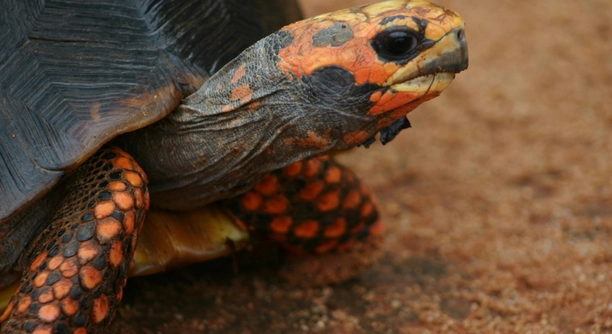
Red-footed tortoises are fascinating pets, and their tank setup is essential for their health and well-being. Ensuring that their habitat is safe and suitable can help them thrive. However, some items should never be included in their environment.
Certain objects and materials can harm your red-footed tortoise if added to their tank. It is crucial to avoid toxic plants, inappropriate substrates, sharp items, and objects that could cause injury or stress. A safe tank is key to their health.
Creating a safe and comfortable environment for your red-footed tortoise is important. Knowing which items are harmful helps in setting up the perfect habitat for them. Keep reading for a closer look at what should be kept out of the tank.
1. Toxic Plants to Avoid in Your Tortoise Tank
Red-footed tortoises are herbivores, but not all plants are safe for them. Some plants, even common houseplants, can be toxic and cause serious harm. Plants like oleander, ivy, and certain types of fern should never be included in their tank. These can lead to poisoning, digestive issues, or worse.
While adding plants to the tank can help create a natural setting, it’s important to make sure the plants are safe. Stick to safe options like dandelions, clover, and grass. If you want to introduce variety, choose edible plants like collard greens or hibiscus.
Always double-check the plants before adding them to your tortoise’s home. Even a small amount of a toxic plant can cause serious harm, and the best way to avoid this is by knowing what to put in the tank beforehand. Red-footed tortoises deserve a healthy, safe environment, and choosing the right plants is a big part of that.
2. Unsafe Substrates for Your Tortoise’s Tank
When setting up a tortoise tank, the substrate plays a key role in their well-being. Avoid substrates like cedar or pine bedding, which release harmful oils. These oils can cause respiratory issues and other health problems for your tortoise.
Instead, opt for safe bedding like coconut coir, organic soil, or a mix of sand and dirt. These options are more natural and provide better humidity control. They also help in mimicking the wild environments where your tortoise would naturally live.
Choosing the right substrate not only ensures comfort for your tortoise but also prevents potential hazards. The wrong bedding can irritate their skin, cause infections, or even disrupt their digestion if ingested. Always check the type of bedding before introducing it to your tortoise’s tank. A little knowledge goes a long way in creating a safer environment for them.
3. Chemicals and Cleaning Products
Harsh chemicals should never be used in your tortoise’s tank. Products like bleach, ammonia, and other strong cleaners can leave harmful residues. These chemicals can irritate their skin, eyes, and respiratory system. Always use natural, non-toxic cleaners.
When cleaning the tank, make sure to remove all traces of any cleaning products. Opt for vinegar and water solutions to clean surfaces safely. You can also use mild dish soap, but ensure it’s fully rinsed off. Over time, chemicals can build up and harm your tortoise if not properly cleaned. It’s essential to maintain a safe environment by avoiding anything toxic.
Even common household cleaning items can cause big issues. For example, if you use anything with artificial fragrances, your tortoise might be sensitive to those as well. To avoid long-term health problems, it’s best to stick to simple, natural cleaners that won’t compromise your tortoise’s health. A little extra care can go a long way in creating a better home.
4. Sharp Objects or Broken Items
Sharp objects and broken items should be kept out of your tortoise’s tank. Things like glass pieces, metal shards, or any sharp-edged decorations can cause injury. Tortoises are slow-moving creatures, and even small cuts or scrapes can lead to infections.
When selecting tank décor, make sure everything is smooth and safe. Avoid any rocks with jagged edges or anything that might fall over and create a hazard. If you want to add some decoration, go for items with soft surfaces, like ceramic objects or natural wood. Ensure that nothing in the tank poses a risk to your tortoise’s delicate skin.
Additionally, always check for any broken items, as even a small fracture can create a danger zone. Keeping their environment free of sharp or dangerous objects ensures your tortoise can move around comfortably without fear of injury. Regularly inspect the tank to remove anything that could be harmful. Your tortoise’s safety should always come first.
5. Excessive Heat Sources
Red-footed tortoises need a warm environment, but excessive heat can be harmful. Avoid using heat lamps or heating pads that create extreme temperatures. Overheating can cause dehydration, stress, or burns.
While maintaining the right temperature is important, it’s crucial not to overdo it. Provide a heat source that can maintain a consistent, moderate temperature. This helps your tortoise stay comfortable and healthy without the risk of overheating. A thermometer can help you monitor the tank’s conditions.
6. Water Dishes That Are Too Shallow or Too Deep
The water dish in your tortoise’s tank needs to be just the right depth. If it’s too shallow, your tortoise won’t be able to soak properly. If it’s too deep, your tortoise may struggle to climb in and out.
Choose a dish that’s wide and shallow enough for your tortoise to comfortably drink from and soak in. It’s also important to clean the water regularly to prevent bacterial growth. Fresh water should always be available to keep your tortoise hydrated and happy.
FAQ
What substrate is best for a red-footed tortoise?
The best substrate for a red-footed tortoise is a mix of coconut coir and organic soil. This combination mimics their natural environment, providing a soft surface for them to walk on. It also helps to maintain the right humidity level. Avoid using sand alone, as it can dry out the tank too quickly and doesn’t provide enough moisture. Always ensure the substrate is not too dusty, as that could cause respiratory issues. It’s also important to spot clean regularly and replace the substrate when needed to maintain a clean environment.
Can I put sand in my red-footed tortoise’s tank?
While sand can be used in small amounts, it shouldn’t be the primary substrate for a red-footed tortoise. Sand doesn’t hold moisture well and can lead to the tank becoming too dry, which isn’t ideal for a red-footed tortoise that needs humidity. If you decide to use sand, make sure to mix it with a more moisture-retaining substrate, like coconut coir or organic soil, to help maintain proper humidity. Never use play sand, as it might contain additives or chemicals that can harm your tortoise.
How often should I clean my red-footed tortoise’s tank?
Cleaning the tank should be done regularly to maintain a healthy habitat for your tortoise. It’s important to spot clean daily by removing any uneaten food, feces, or waste. A full tank cleaning should be done once every two weeks or as needed. During a full clean, remove the substrate, wash the tank thoroughly with non-toxic cleaners, and replace the substrate. Always ensure the tank is completely dry before adding fresh substrate. Regular cleaning helps prevent bacteria buildup and keeps your tortoise’s environment safe.
What plants are safe for red-footed tortoises?
Red-footed tortoises can eat a variety of plants, but it’s essential to choose safe, non-toxic options. Common safe plants include dandelions, clover, hibiscus, and collard greens. These plants are not only safe but also nutritious. Avoid plants like oleander, ivy, or any type of fern, as these can be toxic to your tortoise. It’s also a good idea to avoid any plants from the wild unless you are sure they’re safe, as they could contain harmful chemicals or pesticides. Always double-check a plant’s safety before adding it to your tortoise’s tank.
Can I use ceramic decorations in my red-footed tortoise’s tank?
Ceramic decorations are generally safe for red-footed tortoises as long as they don’t have sharp edges or small parts that could be swallowed. Smooth ceramic items can be used to add variety to the tank, providing hiding spots or climbing opportunities. Just make sure that the ceramic items are large enough to prevent your tortoise from ingesting them, as swallowing small parts could lead to choking or digestive problems. Always inspect the decorations for cracks or breakage, as sharp pieces can cause injury.
How can I maintain humidity in my red-footed tortoise’s tank?
Red-footed tortoises need a humidity level of around 60% to 80%. To maintain this, you can mist the substrate and the sides of the tank daily with water. Adding a humidity box or hiding place filled with moist moss can also help keep the humidity up. If your tank is in a dry area, consider using a humidifier or placing a shallow water dish near a heat source to increase evaporation. Keep an eye on the humidity with a hygrometer to ensure that it stays within the ideal range.
What temperature should I keep my red-footed tortoise’s tank?
The tank’s temperature should vary depending on the time of day. During the day, the warm side of the tank should be around 85°F to 90°F, with the cooler side ranging from 75°F to 80°F. At night, the temperature can drop to around 70°F to 75°F. Using a heat lamp or ceramic heat emitter can help provide the necessary warmth. Make sure to place a thermometer on both sides of the tank to monitor temperatures and adjust if needed. It’s crucial to avoid temperatures above 95°F, as that can stress the tortoise.
Can I put a heat pad in my red-footed tortoise’s tank?
While heat pads can provide warmth, they are not ideal for red-footed tortoises. A heat pad can only warm the substrate directly underneath it, which might not create a consistent temperature gradient throughout the tank. Heat pads also don’t provide the basking area your tortoise needs to regulate its body temperature effectively. Instead, opt for a heat lamp or ceramic heater, which will create a more even warmth across the tank. If using a heat pad, be sure to monitor the temperature closely to prevent overheating.
How often should I feed my red-footed tortoise?
Red-footed tortoises are typically fed every other day or three to four times a week. Their diet consists mostly of leafy greens, vegetables, and some fruits. Offer a variety of foods like dandelion greens, hibiscus flowers, and squash to keep them interested and ensure a balanced diet. Avoid feeding them too many high-sugar fruits or processed foods. It’s also important to provide calcium and vitamin D3 supplements if your tortoise is not getting enough from its food. Always remove uneaten food to keep the tank clean.
Can I house more than one red-footed tortoise together?
It’s generally not recommended to house multiple red-footed tortoises together, especially if they are not from the same group. Tortoises can be territorial, and housing more than one can lead to stress, fights, or even injury. If you do choose to house more than one, make sure the tank is large enough to give each tortoise space to retreat and establish its own area. Monitor them closely for any signs of aggression or stress. Separate the tortoises if they start fighting or displaying signs of dominance.
Final Thoughts
Taking care of a red-footed tortoise requires careful attention to their environment. From the right substrate to the proper temperature and humidity, each element plays a role in ensuring their well-being. It’s important to make sure you avoid harmful items in their tank, like toxic plants, sharp objects, or harmful chemicals. Keeping their habitat clean and safe is essential for maintaining their health and happiness.
By choosing the right plants, substrate, and accessories, you can create an environment where your red-footed tortoise can thrive. Make sure to regularly check the tank for any signs of wear or damage in decorations or equipment. Even small changes, like adjusting the water dish depth or replacing substrate, can make a big difference. A little extra care in setting up their home goes a long way in keeping your tortoise comfortable.
Remember, a red-footed tortoise is a long-term commitment, and providing them with the proper care is key to a happy and healthy life. With the right approach, you can create a safe and enjoyable environment for your pet. Regularly educating yourself about their needs and making adjustments as they grow will help ensure their well-being for years to come. Taking these steps will make the difference between a stressed, unhealthy tortoise and a thriving one.

Hello,
If you enjoy the content that we create, please consider saying a "Thank You!" by leaving a tip.
Every little bit helps us continue crafting quality advice that supports the health, happiness, and well-being of pets around the world, for pets of all shapes, sizes, and species.
We really appreciate the kindness and support that you show us!