
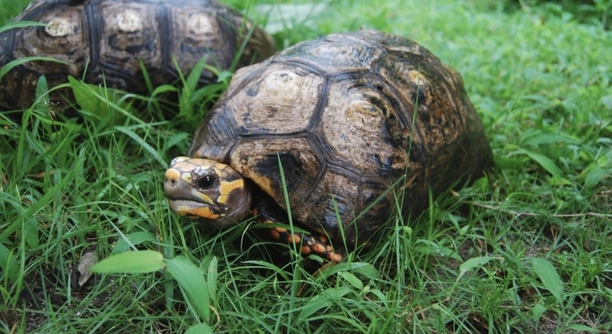
Red-footed tortoises are known for their varied diet, but not all foods are safe for them. If you’re a tortoise owner, it’s important to know which treats can be healthy and which might cause harm.
Red-footed tortoises can eat Brussels sprouts in moderation, but they should not be a regular part of their diet. Excessive consumption can lead to digestive issues due to their high fiber content and potential for gas production.
When offering vegetables like Brussels sprouts, balancing them with other foods is essential to avoid any digestive upset. Understanding how different foods impact your tortoise’s health will help ensure their long-term well-being.
Nutritional Value of Brussels Sprouts for Red-Footed Tortoises
Brussels sprouts are packed with essential nutrients like vitamins A, C, and K, which can benefit red-footed tortoises. These vitamins support immune function, bone health, and overall well-being. Additionally, Brussels sprouts contain fiber, which aids digestion. However, while these vegetables can be healthy in small amounts, they come with certain risks when overfed. Too much fiber or certain compounds can cause digestive distress, which might result in bloating or discomfort for your tortoise.
Feeding Brussels sprouts occasionally as a treat is fine, but moderation is key. Offering too many at once can create an imbalance in your tortoise’s diet, affecting its health.
Incorporating a variety of greens, vegetables, and fruits is always the best way to ensure your red-footed tortoise gets a well-rounded diet. Balance is crucial, as each food type contributes different nutrients. Avoid feeding Brussels sprouts more than once a week, and focus on other leafy greens like collard greens or dandelion greens to provide better nutritional value overall.
Potential Risks of Feeding Brussels Sprouts
While Brussels sprouts have some health benefits, they do come with certain risks. Overfeeding can lead to digestive issues for your tortoise, especially if their diet lacks variety.
Brussels sprouts are known for their high fiber content, which is generally beneficial for digestion. However, if fed too often, they can cause bloating, gas, or even diarrhea in red-footed tortoises. The high fiber can overwhelm their digestive system, making it harder for them to process other foods efficiently. This may lead to discomfort and unhealthy weight gain over time.
For a tortoise to thrive, a diet consisting of various vegetables, grasses, and occasional fruit is best. Moderation is essential when feeding Brussels sprouts, as they should not be the main component of your tortoise’s meals.
How Often Should You Feed Brussels Sprouts to Your Tortoise?
Brussels sprouts should be fed sparingly, ideally once a week. Feeding them too often can upset your tortoise’s digestion and cause discomfort.
A red-footed tortoise’s diet should focus on variety. Offering Brussels sprouts once a week helps maintain balance without overwhelming the digestive system. If fed more frequently, the high fiber content can lead to gas and bloating. Instead, try incorporating other vegetables like collard greens, turnip greens, or hibiscus leaves. These provide better nutritional value and lower fiber levels, which are gentler on your tortoise’s stomach.
Remember, moderation is key. By offering Brussels sprouts occasionally, you can give your tortoise a nutrient boost without overloading them. This also ensures they enjoy a well-rounded diet, supporting their long-term health and comfort.
Signs Your Tortoise May Be Overfed Brussels Sprouts
If your tortoise starts showing signs of discomfort, like bloating or irregular bowel movements, it might be due to overfeeding Brussels sprouts.
Excessive fiber can cause digestive upset, so keep an eye on your tortoise’s behavior. If they seem sluggish or have difficulty passing stool, reduce the amount of Brussels sprouts in their diet. Gas and bloating are clear indicators that they’ve had too much. If these symptoms persist, consider seeking advice from a reptile vet.
Even though Brussels sprouts are rich in nutrients, overfeeding them can do more harm than good. A balanced diet that includes a wide range of vegetables is always preferable. Keep track of what your tortoise eats to avoid potential issues.
Other Safe Vegetables for Red-Footed Tortoises
Red-footed tortoises can enjoy a variety of safe vegetables that offer more balanced nutrients than Brussels sprouts. These include leafy greens and colorful vegetables.
Collard greens, dandelion greens, and squash are excellent alternatives to Brussels sprouts. They provide a wide range of essential vitamins and minerals while being gentle on your tortoise’s digestive system. Offering a mix of vegetables ensures your tortoise gets a well-rounded diet. Variety is key to maintaining their health and preventing digestive issues.
When choosing vegetables, always opt for fresh, pesticide-free options. These alternatives are less likely to cause the bloating or discomfort that Brussels sprouts can bring if fed too often.
The Role of Fruits in a Tortoise’s Diet
Fruits can be a healthy treat for your tortoise when given in moderation. While they provide natural sugars, they should not be the main part of the diet.
Fruits like strawberries, papaya, and mangoes are high in vitamins and antioxidants. However, they also contain sugars that, when consumed excessively, can lead to weight gain and digestive problems. To avoid these risks, serve fruit as an occasional snack rather than a daily offering. Mixing fruits with leafy greens helps to balance their diet while giving them the occasional sweet treat they enjoy.
Water and Hydration for Red-Footed Tortoises
Hydration is critical for your red-footed tortoise’s health. Make sure they always have access to fresh water.
Tortoises need to stay hydrated, especially since they are often kept in dry environments. Providing a shallow water dish for drinking and soaking is important for maintaining their hydration and preventing dehydration. Always check the water daily to ensure it’s clean. Regular hydration helps with digestion, skin health, and overall vitality.
FAQ
Can red-footed tortoises eat cabbage?
Yes, red-footed tortoises can eat cabbage, but it should be offered in moderation. Cabbage, especially in large amounts, contains goitrogens, which can interfere with thyroid function. To avoid any negative impact, offer cabbage as a treat rather than a staple food. Make sure it is part of a varied diet with other leafy greens and vegetables to provide a better balance of nutrients.
Is it okay to feed red-footed tortoises fruit every day?
Feeding fruit daily is not ideal for red-footed tortoises. While fruits like strawberries, melons, and papayas are a good source of vitamins, they are also high in sugar. Too much sugar can lead to obesity and digestive issues. Fruits should be offered once or twice a week, keeping the rest of their diet focused on leafy greens, vegetables, and grasses for proper nutrition.
What vegetables should I avoid feeding my red-footed tortoise?
Avoid feeding red-footed tortoises vegetables that are high in oxalates, like spinach and beet greens. These can interfere with calcium absorption and lead to kidney problems over time. Additionally, avoid starchy vegetables like potatoes and corn, as they can be too heavy for their digestive system and lead to weight gain. Always opt for leafy greens, herbs, and non-starchy vegetables instead.
How much should I feed my red-footed tortoise?
The amount of food you should feed your red-footed tortoise depends on its size and age. Generally, a juvenile tortoise will need more food to support growth, while an adult tortoise requires less. A good rule of thumb is to provide enough food that will be consumed within 30-60 minutes. Offer a variety of greens and vegetables, with fruit being an occasional treat.
Can red-footed tortoises eat iceberg lettuce?
It’s not recommended to feed red-footed tortoises iceberg lettuce. While not toxic, iceberg lettuce offers little nutritional value. It has high water content and lacks the vitamins and minerals needed for a balanced diet. Instead, opt for dark leafy greens like kale, collard greens, and dandelion greens, which are much more beneficial for your tortoise.
How do I know if my red-footed tortoise is overweight?
Overweight red-footed tortoises may have a bloated or rounded appearance, especially around their midsection. Their shell may appear wider or the legs and head might look smaller in proportion. If your tortoise has difficulty moving or seems sluggish, it could be a sign of weight gain. To prevent this, monitor their food intake and ensure they are getting plenty of exercise by providing space for them to roam.
Can red-footed tortoises eat flowers?
Yes, red-footed tortoises can eat some flowers, but it’s important to offer safe varieties. Safe flowers for tortoises include hibiscus, dandelions, and nasturtiums. Avoid flowers that have been treated with pesticides or chemicals. Flowers can provide extra vitamins and a little variety in their diet, but they should not replace the main components, like leafy greens.
Should I feed my red-footed tortoise any animal protein?
Red-footed tortoises are primarily herbivores but do occasionally consume animal protein in the wild, such as insects, small snails, or carrion. However, feeding them animal protein is not necessary and should only be done sparingly. It can be harmful in large amounts and can upset their digestive system. Stick to a plant-based diet for the most part and offer occasional protein if needed.
Can red-footed tortoises eat carrots?
Carrots can be fed to red-footed tortoises but should be offered in moderation. Carrots are high in sugar and can lead to weight gain if fed in excess. Carrot tops, however, are a great choice, as they offer more fiber and nutrients. A good practice is to chop carrots into small pieces and mix them with other vegetables to provide a balanced meal.
How often should I soak my red-footed tortoise?
Soaking is important for hydration and to help with digestion, especially in red-footed tortoises that are housed in dry environments. Soak your tortoise 2-3 times a week in shallow, lukewarm water. This helps keep them hydrated and supports proper bowel function. Be sure to monitor the water level and make sure it’s shallow enough for your tortoise to climb in and out easily.
Can red-footed tortoises eat avocado?
No, red-footed tortoises should not eat avocado. Avocado contains a substance called persin, which is toxic to many animals, including tortoises. Feeding avocado to your tortoise can lead to serious health issues, such as heart damage. It’s best to stick to safe vegetables, fruits, and leafy greens that are proven to be safe and beneficial.
Final Thoughts
Red-footed tortoises can eat Brussels sprouts, but they should only be given in moderation. While these vegetables offer important nutrients like vitamins A, C, and K, overfeeding them can cause digestive issues. The high fiber content in Brussels sprouts can lead to bloating or discomfort in your tortoise. It’s important to balance their diet with other greens, vegetables, and fruits to ensure they get a variety of nutrients without upsetting their digestive system. In general, Brussels sprouts should be treated as an occasional treat rather than a regular part of their meals.
The key to a healthy diet for a red-footed tortoise is variety. They thrive on a mixture of leafy greens like collard greens, dandelion leaves, and hibiscus, along with vegetables like squash and bell peppers. Offering a wide range of plant-based foods will ensure your tortoise gets the vitamins, minerals, and fiber it needs for good health. When feeding fruits, be mindful of the sugar content, and only offer them occasionally. A diet that includes a variety of greens, vegetables, and an occasional fruit treat will keep your tortoise healthy and active.
Always keep an eye on your tortoise’s overall health, paying attention to any signs of digestive issues, weight gain, or sluggishness. If you notice anything unusual, it might be time to adjust their diet. Providing clean water for drinking and soaking is also essential for hydration and digestion. By carefully managing what your red-footed tortoise eats and ensuring a balanced diet, you can help them live a long, healthy life.

Hello,
If you enjoy the content that we create, please consider saying a "Thank You!" by leaving a tip.
Every little bit helps us continue crafting quality advice that supports the health, happiness, and well-being of pets around the world, for pets of all shapes, sizes, and species.
We really appreciate the kindness and support that you show us!