
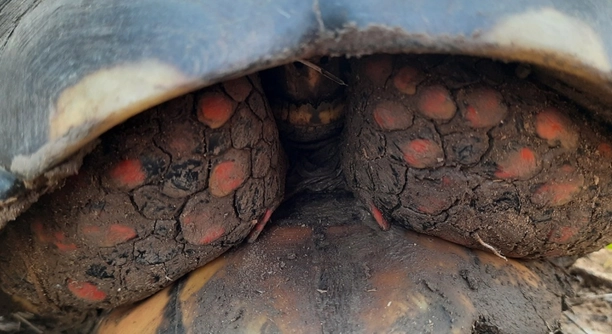
It can be concerning when your red-footed tortoise doesn’t seem interested in playing or engaging with its environment. As a pet owner, understanding why this happens is crucial for ensuring their well-being and happiness.
There are several reasons why your red-footed tortoise may not be interested in playing, including stress, temperature issues, improper diet, or health concerns. Tortoises are creatures of habit, and any disruption can affect their behavior and activity levels.
Understanding the possible causes behind this behavior is key. By addressing their needs and environment, you can encourage more activity and ensure your tortoise’s health.
Understanding Your Tortoise’s Environment
One of the main factors that influence your red-footed tortoise’s behavior is its environment. Tortoises are highly sensitive to changes in their surroundings. They need a consistent temperature, proper humidity, and a comfortable habitat. If these conditions are not met, it can lead to stress, which may cause your tortoise to become disinterested in activities or play. Ensure that your tortoise’s enclosure mimics its natural habitat. Consider factors like temperature gradients, UV lighting, and humidity control, which are vital for their health and behavior. A well-maintained environment encourages them to be more active and curious.
It’s also important to provide sufficient space for exploration. Tortoises are naturally inclined to move around, so a cramped or cluttered space may limit their ability to engage in stimulating behaviors.
A safe, comfortable space is essential for your tortoise’s mental and physical health. A simple, stress-free environment can make a huge difference in their mood and activity levels.
The Role of Diet
Diet plays an essential role in your tortoise’s energy levels and behavior. A poor diet may cause lethargy and a lack of interest in playful activities. Red-footed tortoises are omnivores, so a mix of vegetables, fruits, and protein sources is needed for balanced nutrition. Overfeeding on the wrong foods can lead to health issues, such as obesity, which can make your tortoise less active. You should also avoid overfeeding or giving them food high in sugar or fat.
Offering a variety of fresh, nutrient-rich foods will keep your tortoise energized and more likely to explore its surroundings. Proper nutrition is the foundation for a tortoise that enjoys being active and playing.
Feeding them the right balance of vegetables, fruits, and protein also contributes to their longevity and well-being, keeping them lively and engaged.
Temperature and Lighting Issues
If the temperature in your tortoise’s enclosure isn’t right, it can lead to a lack of energy and interest in playing. Red-footed tortoises require a specific temperature range, typically around 75-85°F, with a basking area that can reach 90°F.
Without proper heat, your tortoise’s metabolism slows down, making it difficult for them to remain active. Make sure your lighting setup includes both UVB light, which helps with calcium absorption, and a heat source for basking. Without these, your tortoise might seem sluggish, uninterested, or less responsive to playtime. Proper temperature and lighting are crucial for maintaining your tortoise’s activity levels and overall health.
A consistent light cycle, with a 12-hour day and night pattern, helps your tortoise regulate its internal clock. Sudden changes in temperature or lighting can cause stress, affecting its mood and behavior.
Stress and Anxiety
Stress is a common factor that may make your tortoise avoid playing. It can result from various sources, such as loud noises, too much handling, or an overcrowded enclosure. When your tortoise feels threatened or uncomfortable, it tends to withdraw and become less active.
Reducing stress is vital for encouraging playful behavior. Ensure your tortoise’s space is quiet and peaceful, away from potential stressors. Frequent movement or noise around their enclosure can lead to anxiety. Providing hiding spots or areas where they feel safe can also help them feel more secure. A calm environment can promote your tortoise’s natural curiosity and playfulness.
Your tortoise will likely be more active if it feels safe and relaxed. Allow it to acclimate to its surroundings without constant disturbance.
Health Problems
Illness or injury may make your tortoise uninterested in playing. If your red-footed tortoise is feeling unwell, it may not have the energy to engage in activities. Look for signs like changes in appetite, lethargy, or visible wounds.
If you notice anything unusual, it’s essential to consult a veterinarian. A health issue could be the root cause of their disinterest in play.
Tortoises can experience a range of health problems, from respiratory infections to digestive issues. These conditions can significantly affect their behavior and energy levels. Quick treatment is crucial to get your tortoise back to its playful self.
Lack of Social Interaction
Tortoises can be solitary creatures, but some red-footed tortoises do enjoy social interaction. If your tortoise is isolated and not receiving enough attention, it may become bored or less active.
Providing occasional interaction or the company of another tortoise can boost their engagement.
FAQ
Why isn’t my red-footed tortoise interested in eating?
If your tortoise is not eating, it could be due to stress, improper temperature, or health issues. Check the temperature in their enclosure. If it’s too cold or too hot, they may lose their appetite. Stress from a noisy environment or changes in their habitat can also cause them to stop eating. Lastly, health problems like digestive issues or infections may lead to a lack of appetite. Monitor their behavior and consult a vet if needed.
How often should I feed my red-footed tortoise?
Red-footed tortoises generally need to be fed every day, with a balanced diet consisting of vegetables, fruits, and some protein. The amount depends on their age and size. Hatchlings and juveniles may require more frequent feeding, while adults can be fed every other day. Offer a variety of food to ensure they get the necessary nutrients.
Can red-footed tortoises eat fruit every day?
Fruit should be offered in moderation. While red-footed tortoises enjoy fruit, it is high in sugar, which can lead to obesity or digestive problems if fed too often. Aim to provide fruit about once or twice a week, with the majority of their diet consisting of vegetables and some protein.
How do I know if my red-footed tortoise is stressed?
Signs of stress in tortoises include reduced appetite, hiding more than usual, and withdrawing from activities they normally enjoy. Stress can also cause them to become more aggressive or fearful. Factors such as temperature fluctuations, excessive handling, or a noisy environment can trigger stress. Make sure their environment is calm and consistent.
What temperature does a red-footed tortoise need?
Red-footed tortoises need a warm environment to thrive. The air temperature in their enclosure should range from 75-85°F, with a basking spot that reaches up to 90°F. At night, the temperature should not drop below 70°F. Maintaining these temperatures helps them digest food properly and stay active.
Do red-footed tortoises need a UVB light?
Yes, UVB lighting is essential for red-footed tortoises. UVB helps them synthesize vitamin D3, which is necessary for calcium absorption and bone health. Without UVB, tortoises can develop metabolic bone disease. Make sure the UVB light is in place for about 12 hours a day, simulating natural daylight.
Can I house more than one red-footed tortoise together?
It’s possible to house multiple red-footed tortoises, but there are a few considerations. Males can be territorial, especially if there are females present, which can lead to aggression. If you choose to house them together, ensure there is enough space for each tortoise to establish its own territory and that they have multiple hiding spots.
How do I encourage my tortoise to play?
To encourage your tortoise to play, you need to make their environment stimulating and interactive. Provide different textures, hiding spots, and things they can explore. You can also try using food to motivate them to move around, such as placing it in different areas of their enclosure to encourage foraging.
What is the best substrate for a red-footed tortoise?
The best substrate for a red-footed tortoise is one that mimics their natural habitat. Use a mix of coconut coir, topsoil, and leaf litter. This will help maintain proper humidity and allow the tortoise to burrow. Avoid sand or gravel, as they can cause digestive issues if ingested.
Why is my tortoise not moving much?
If your red-footed tortoise isn’t moving much, it could be due to environmental factors, such as temperature or lighting issues. They may be too cold or lack proper basking spots. Another reason could be that they are stressed or unwell. Check their habitat and consult a vet if necessary.
Can red-footed tortoises swim?
Red-footed tortoises are not strong swimmers, but they can paddle in water. They enjoy shallow water to soak and drink, but deep water should be avoided to prevent drowning. Always supervise them when offering water that is deep enough to pose a risk.
How long do red-footed tortoises live?
Red-footed tortoises have long lifespans, often living between 40 to 50 years in captivity when provided proper care. Some may live even longer. Their lifespan can be shortened if they don’t receive the right diet, environmental conditions, or healthcare.
How can I tell if my red-footed tortoise is male or female?
Males usually have a concave plastron (the underside of the shell), which helps them mount females during mating. Females tend to have flatter plastrons. Males may also have longer tails and slightly larger claws. These differences are often more noticeable in adult tortoises.
Should I handle my red-footed tortoise regularly?
It’s fine to handle your tortoise occasionally, but frequent handling can cause stress. Red-footed tortoises prefer to have their own space. Only handle them when necessary and make sure to keep the sessions brief. Allow them to explore their environment at their own pace.
Final Thoughts
Caring for a red-footed tortoise can be a rewarding experience, but it’s important to understand their needs and behavior. If your tortoise is not interested in playing, there could be several factors at play. From environmental issues like temperature and lighting to diet and stress, addressing these areas can often bring noticeable improvements in your tortoise’s activity levels. Monitoring their health, providing a proper diet, and ensuring a stress-free environment are key steps toward encouraging play and overall well-being.
While it may take some time to understand exactly what’s causing your tortoise to become disinterested, patience is essential. Many of these issues can be resolved by adjusting the environment or offering a more varied diet. Remember that tortoises are naturally slow-moving creatures, so their activity levels may not always match your expectations. However, creating an enriching and comfortable space for them will allow them to engage at their own pace. It’s crucial to observe their behavior closely to spot any potential problems early, which can help you avoid more serious health concerns down the road.
Lastly, if changes in diet, habitat, and care don’t seem to help, it’s always a good idea to consult a veterinarian. Health issues can often be the root cause of behavior changes, and a professional can help you determine if something is wrong. Ensuring your tortoise is healthy, happy, and comfortable will result in a more active and engaged pet, giving both you and your tortoise a better experience. With proper attention and care, your red-footed tortoise can live a long, healthy, and happy life.

Hello,
If you enjoy the content that we create, please consider saying a "Thank You!" by leaving a tip.
Every little bit helps us continue crafting quality advice that supports the health, happiness, and well-being of pets around the world, for pets of all shapes, sizes, and species.
We really appreciate the kindness and support that you show us!