
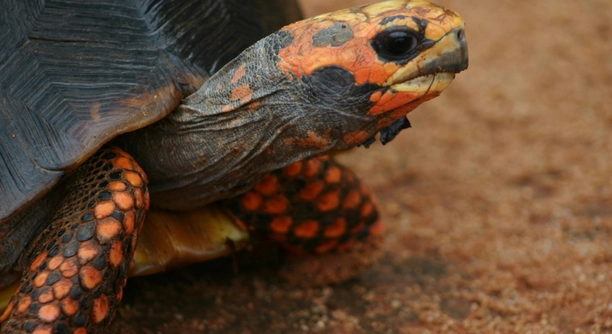
Red-footed tortoises are popular pets, known for their docile nature and unique eating habits. If you’re a tortoise owner, it’s natural to want to feed them a variety of foods to keep them healthy and happy.
Red-footed tortoises can eat artichokes in moderation, but it’s important to be cautious. Artichokes are high in fiber and certain compounds, which may cause digestive issues or discomfort if fed too frequently.
Understanding the proper portion sizes and frequency of artichoke servings can ensure your tortoise enjoys a balanced diet without unnecessary risks. Let’s take a closer look at how artichokes affect their health.
Can Red-Footed Tortoises Eat Artichokes Safely?
Red-footed tortoises are known for their diverse diet, enjoying various fruits, vegetables, and plants. Artichokes are one such vegetable that many owners may consider offering. While they aren’t toxic, feeding artichokes to your tortoise requires some caution. The high fiber content in artichokes can be difficult for them to digest in large amounts, which may lead to bloating or even constipation. Like many foods, moderation is key to ensuring a healthy and balanced diet for your pet.
In general, red-footed tortoises should not eat artichokes too often. They can eat it as an occasional treat, but it’s not something they should be fed regularly. Keep the serving size small to avoid digestive issues.
It’s important to remember that red-footed tortoises have specific dietary needs. In their natural habitat, they would eat a variety of plants, grasses, and fruits. Offering too many fibrous vegetables like artichokes can disrupt their digestive system, so it’s best to stick with a balanced diet that includes a variety of safe foods. Try to mix artichokes with other vegetables such as leafy greens, squash, and edible flowers to ensure proper nutrition.
Health Risks of Feeding Artichokes to Red-Footed Tortoises
Artichokes can cause potential health issues if fed incorrectly. The high fiber and certain compounds, like cynarin, may be tough for red-footed tortoises to handle in large amounts. Overfeeding could lead to dehydration, bloating, or even impact their ability to absorb nutrients properly.
If you decide to offer artichokes to your tortoise, remember to prepare them properly. Removing tough outer leaves and cutting the artichoke into small, manageable pieces will help reduce the chances of your tortoise struggling to digest it. If your tortoise shows any signs of discomfort after eating, it’s best to avoid giving them artichokes in the future. Also, avoid offering artichokes to younger or smaller tortoises who may have more sensitive digestive systems.
For overall health, ensure that your tortoise receives a varied diet that aligns with their nutritional needs. Leafy greens, fruits like papaya and mango, and other safe vegetables should be their main source of food. Occasionally offering artichokes is fine, but it should be done sparingly to prevent health complications. Keeping track of your pet’s behavior and digestive health is a good way to monitor how they are reacting to different foods.
Artichokes and Digestive Health
Red-footed tortoises are prone to digestive issues when fed foods that are too fibrous. Artichokes, due to their high fiber content, can cause bloating or discomfort if fed in large amounts. It’s important to monitor how much you offer to avoid these issues.
While fiber is an essential part of a tortoise’s diet, too much at once can overload their digestive system. This can lead to a variety of symptoms, such as lack of appetite, lethargy, or constipation. Keeping servings small helps prevent such digestive disturbances. Introduce new foods slowly to ensure they don’t cause unexpected health issues.
Additionally, tortoises with a history of digestive problems should avoid artichokes altogether. Some may have more sensitive digestive systems that don’t handle the plant’s fiber well. If your tortoise seems to have difficulty digesting artichokes, consider cutting back on their intake or removing it entirely from their diet.
Portion Size and Frequency
Feeding artichokes should be done in moderation. A small piece once every couple of weeks is usually enough. Overfeeding any single food can lead to an imbalance in nutrition, which is something to watch out for.
It’s easy to get excited and give your tortoise a variety of treats, but balance is key. Red-footed tortoises thrive on a diverse range of vegetables and fruits. By offering small portions of artichokes sparingly, you reduce the risk of negative health effects. In nature, they would not consume artichokes regularly, so keep that in mind when serving them at home.
Make sure that the majority of your tortoise’s meals consist of appropriate vegetables like leafy greens, fruits, and other non-fibrous plants. These should form the core of their diet, with occasional treats like artichokes for variety and enrichment.
Preparing Artichokes for Red-Footed Tortoises
Before feeding artichokes to your tortoise, it’s important to prepare them properly. Remove the tough outer leaves and cut the artichoke into smaller, bite-sized pieces to make it easier to digest. This step helps prevent choking or discomfort.
The tougher, outer leaves of an artichoke can be hard for a tortoise to chew and digest. Removing these parts makes it safer and more palatable for your pet. Only feed the softer, inner portions of the artichoke. If you plan to serve it raw, be sure to wash it thoroughly to remove any pesticides or chemicals.
Other Safe Foods for Red-Footed Tortoises
Alongside occasional artichokes, you can feed your red-footed tortoise a variety of other fruits and vegetables. Leafy greens like collard greens, dandelion greens, and mustard greens are great staples for their diet. Fruits like papaya, mango, and berries can also be offered in small amounts.
Red-footed tortoises are opportunistic feeders and enjoy a wide range of plant-based foods. Providing a diverse diet not only keeps them healthy but also mentally stimulated. Try to offer a mix of leafy greens, vegetables, and fruits for a well-rounded and nutritious diet.
Watching for Health Changes
Keep an eye on your tortoise’s behavior and health after introducing new foods, including artichokes. If you notice any signs of discomfort, such as decreased activity, swollen abdomen, or trouble passing waste, stop offering artichokes immediately and consult a vet.
FAQ
Can artichokes be part of a balanced diet for red-footed tortoises?
Artichokes can be part of a red-footed tortoise’s diet, but only in moderation. They should not make up a large portion of their meals due to their high fiber content, which could cause digestive issues like bloating or constipation. If fed occasionally, they can be a tasty treat, but it’s crucial to balance them with other foods like leafy greens and fruits to ensure proper nutrition.
How often can I feed artichokes to my red-footed tortoise?
Artichokes should only be fed once every couple of weeks at most. Feeding them too often could lead to digestive problems due to the tough fiber. Keep servings small and treat artichokes as a special treat rather than a regular food item. Consistency in their diet will help your tortoise stay healthy.
Are artichokes safe for baby red-footed tortoises?
It’s best to avoid giving artichokes to baby red-footed tortoises, as their digestive systems are still developing and might not handle the high fiber content as well as adults. Stick with softer, easier-to-digest foods like leafy greens, soft fruits, and vegetables. Offering high-fiber foods like artichokes could lead to digestive distress in younger tortoises.
How do I know if my tortoise is having trouble digesting artichokes?
If your tortoise shows signs of bloating, discomfort, or difficulty passing waste after eating artichokes, it could be a sign of digestive trouble. Other symptoms to look out for include lethargy, loss of appetite, or noticeable changes in their behavior. If you notice any of these signs, remove artichokes from their diet and consult a veterinarian.
Can artichokes cause dehydration in red-footed tortoises?
While artichokes are not directly dehydrating, they can contribute to digestive problems if fed too frequently. Dehydration can be a result of digestive discomfort, like constipation or bloating, which might occur when artichokes are overfed. Ensure your tortoise always has access to fresh water and balance their diet with water-rich foods like cucumbers and leafy greens to maintain proper hydration.
Is it okay to feed my tortoise artichoke hearts?
Yes, artichoke hearts are a safer option than the tougher outer leaves. The heart is softer and easier to digest, making it a better choice for your tortoise. However, you should still feed it in moderation and avoid overloading their diet with any single food item. As a part of a varied diet, artichoke hearts can be a good treat.
What should I do if my tortoise has eaten too much artichoke?
If your tortoise has consumed too much artichoke and is showing signs of digestive issues like bloating or constipation, make sure they have access to plenty of fresh water. You can also offer foods with higher moisture content to help with digestion, like leafy greens and watery vegetables. If symptoms persist, it’s important to consult a veterinarian for further advice.
Can I feed my tortoise canned artichokes?
Canned artichokes should be avoided, as they often contain added salt or preservatives that could harm your tortoise’s health. Fresh artichokes are the best option. Always wash and prepare them properly before serving. Canned foods are generally not recommended for tortoises due to these added chemicals and sodium levels.
How should I store artichokes for my tortoise?
To store artichokes, keep them in the refrigerator to maintain their freshness. You can store them whole, or if you’ve already prepared them, keep the cut pieces in a sealed container to prevent them from drying out. Fresh artichokes should be used within a few days for the best quality. Always remove any leftover artichoke from your tortoise’s enclosure after feeding to prevent spoilage.
Can artichokes help with my tortoise’s shell health?
While artichokes are a good source of fiber, they do not specifically contribute to shell health. For stronger shells, focus on providing a balanced diet rich in calcium and vitamin D. Foods like collard greens, kale, and dandelion greens are excellent choices for promoting healthy shell growth. Artichokes are more of a treat than a necessary part of their shell care.
Can red-footed tortoises eat other thistle-related plants like cardoon?
Red-footed tortoises can consume other thistle-related plants like cardoon, but like artichokes, these should only be fed occasionally and in moderation. Cardoon, while edible, can also be high in fiber and tough for a tortoise’s digestive system if given too often. Always introduce new plants slowly and monitor for any adverse reactions.
What other foods should I avoid feeding my red-footed tortoise?
In addition to limiting artichokes, avoid feeding your tortoise foods like iceberg lettuce, which lacks nutritional value, or rhubarb, which is toxic to them. Foods high in oxalates, like spinach, should be given sparingly as they can interfere with calcium absorption. Stick to safe, nutrient-rich vegetables and fruits to ensure your tortoise’s well-being.
Final Thoughts
Feeding your red-footed tortoise a varied and balanced diet is essential for their health and well-being. While artichokes are not toxic, they should be given sparingly due to their high fiber content, which can be difficult for tortoises to digest in large amounts. Overfeeding artichokes or other fibrous vegetables can lead to digestive issues such as bloating, constipation, or discomfort. Offering them occasionally as a treat is fine, but it’s important not to rely on them as a regular food item.
A well-balanced diet for your tortoise should focus on a variety of leafy greens, fruits, and other vegetables that are easier to digest. Leafy greens like collard greens, dandelion greens, and mustard greens are excellent staples, while fruits like papaya, mango, and berries can provide a healthy dose of vitamins and minerals. These foods are not only easier on the digestive system but also help maintain hydration, which is vital for your tortoise’s overall health. Artichokes, if fed, should be a rare addition and not a regular part of their meals.
In the end, moderation is the key when introducing any new food to your red-footed tortoise’s diet. Always observe how your pet reacts after eating a new food, and if any signs of digestive discomfort appear, stop feeding it and consult a vet. By providing a variety of safe and nutritious foods, you can ensure that your tortoise stays healthy and enjoys a long, happy life. Keeping track of their diet, along with regular health checks, is the best way to promote their overall wellness.

Hello,
If you enjoy the content that we create, please consider saying a "Thank You!" by leaving a tip.
Every little bit helps us continue crafting quality advice that supports the health, happiness, and well-being of pets around the world, for pets of all shapes, sizes, and species.
We really appreciate the kindness and support that you show us!