
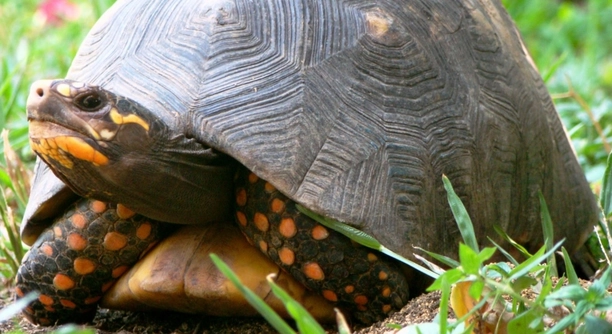
Red-footed tortoises are known for their curious nature, often exploring their surroundings. However, it can be concerning when your tortoise isn’t as active as expected. Understanding the reasons behind this behavior can help improve their well-being.
The lack of interest in exploration may be due to several factors, including environmental stress, health issues, or insufficient stimulation. Factors such as improper humidity, diet, or habitat design can lead to a decrease in your tortoise’s natural curiosity and activity levels.
Identifying the cause and addressing it will help restore your tortoise’s natural behavior and ensure its comfort and happiness.
Environmental Stress
Your red-footed tortoise’s environment plays a big role in their activity levels. If the habitat is too cold, too hot, or too dry, it can make your tortoise feel uncomfortable and reduce their desire to explore. Tortoises thrive in warm, humid conditions, with temperatures ranging between 75 to 85°F. If these conditions aren’t met, they may feel stressed or lethargic, causing them to stay hidden or inactive. Make sure to check the temperature and humidity levels regularly and adjust as needed. Lighting also plays a crucial role; without enough UVB light, tortoises may become lethargic or stressed.
You can create a better environment for your tortoise by ensuring it has access to a basking spot with the right temperature. Adding a humid hide area can help your tortoise stay comfortable and relaxed. A healthy habitat promotes exploration and reduces stress.
Once the environmental conditions are optimal, your red-footed tortoise should become more active. Proper lighting, temperature, and humidity will encourage your tortoise to explore their space and engage with their surroundings.
Diet and Health
A poor diet may also cause your tortoise to lose interest in exploring. If they are not getting the right nutrients, they can feel sluggish and lack the energy needed for exploration. A diet with plenty of leafy greens, fruits, and some animal protein can support their overall health and boost their energy levels. Offering variety in their meals also keeps their appetite and interest in eating high.
Additionally, health problems can cause lethargy. If your tortoise is experiencing issues like parasites, infections, or other illnesses, they may not feel like moving. If you notice that your tortoise’s behavior is unusual, consider consulting a vet for a proper diagnosis and treatment.
By maintaining a balanced diet and monitoring health, you help your tortoise stay active and curious. Proper nutrition and prompt medical care can get them back to their lively, exploring self.
Habitat Enrichment
If your red-footed tortoise is not exploring, it may be due to a lack of stimulation in their habitat. Tortoises enjoy having things to investigate and interact with. Adding hiding spots, rocks, logs, and plants can give your tortoise more opportunities to explore. Enrichment encourages natural behaviors like foraging and climbing, making the environment more engaging for them.
Tortoises are naturally curious creatures. When their habitat is barren, they have fewer things to investigate, which leads to boredom. You can add variety by changing the setup of their enclosure every so often. A few different textures and obstacles in their environment can make a significant difference. Also, using different types of food or placing food in various areas encourages them to search and explore.
If your tortoise has limited space to move around, they may feel confined and less likely to engage with their surroundings. A larger enclosure will allow them more room to roam and explore. Make sure the habitat remains safe and spacious for them to thrive.
Behavior and Personality
Each tortoise has its own personality, and some may naturally be less active than others. It is important to observe your tortoise’s behavior over time. While some red-footed tortoises are very curious and energetic, others can be more reserved and enjoy spending time in their hiding spots. As long as your tortoise is eating, drinking, and showing no signs of distress, it may simply be their temperament.
If your tortoise has been more active in the past but is now showing signs of inactivity, it might be worth considering external factors. Stress or environmental changes can lead to a shift in behavior. Keep an eye out for any changes, especially in the way they interact with their environment. Regular observation will help you better understand your tortoise’s needs and behavior patterns.
Red-footed tortoises are known for being friendly, but their levels of activity will vary depending on individual preferences. It’s essential to be patient and not assume there’s an issue if they simply prefer a more quiet and reserved lifestyle.
Temperature Fluctuations
Temperature changes can significantly affect your red-footed tortoise’s activity levels. If the temperature in their environment fluctuates too much, it can cause stress and make them less likely to explore. Maintaining a consistent temperature range will help them feel secure and more active.
A steady temperature, ideally between 75°F and 85°F, is crucial for their health and well-being. If the enclosure is too cold, they will likely become sluggish. Too much heat can also be problematic, causing overheating and lethargy. Use reliable thermometers to keep track of the temperature and ensure it remains stable.
Lack of Outdoor Exposure
Red-footed tortoises are naturally outdoor creatures and thrive when given time outside their enclosures. Lack of outdoor exposure can lead to reduced activity and disinterest in exploring. When possible, allow them safe outdoor time to soak up natural sunlight and enjoy a broader environment.
Sunlight not only provides vitamin D, which is essential for their health, but it also stimulates natural behaviors. Outdoor experiences help them stay active, as they explore new terrain and encounter new sights, smells, and textures. This helps prevent boredom and promotes a more active lifestyle.
Activity Level Changes
Tortoises tend to slow down during cooler months or in response to changes in their environment. If your red-footed tortoise is not as active, it could be due to a seasonal change or an environmental shift. Some tortoises naturally reduce their activity level when they feel the temperature drop.
FAQ
Why isn’t my red-footed tortoise moving much?
If your tortoise is not moving as much, it could be due to environmental factors like temperature or humidity being too low. Red-footed tortoises need consistent warmth and humidity to stay active. If these factors are not met, your tortoise may feel sluggish or stressed. It could also be a sign of illness or a lack of stimulation in their habitat. Ensure the enclosure has proper lighting, temperature, and enough space for them to roam.
How do I know if my tortoise is sick?
Signs that your tortoise may be sick include a lack of appetite, lethargy, respiratory issues (such as wheezing or nasal discharge), or abnormal shell conditions. If your tortoise is showing any of these symptoms, it’s important to consult a vet who specializes in reptiles for an accurate diagnosis and treatment plan.
Should I be worried if my tortoise isn’t eating?
Loss of appetite in a tortoise can be concerning, but it is often linked to factors like stress, poor temperature, or an inadequate diet. Make sure your tortoise is offered a variety of foods that are appropriate for their species, such as leafy greens, fruits, and a small amount of protein. If the issue persists, a visit to the vet may be necessary.
Can my tortoise get too hot in its enclosure?
Yes, a tortoise can become overheated if the enclosure is too warm, especially if there is not enough room for them to move to cooler areas. Excessive heat can lead to dehydration, heat stress, and other health problems. Ensure that your tortoise has access to both a basking area with higher temperatures and a cooler space to retreat to.
How do I make my tortoise more active?
To encourage activity, ensure that your tortoise has a stimulating environment. This includes adding hides, rocks, plants, and other obstacles that they can explore. You can also offer food in different places to motivate them to move around. Regularly change their enclosure setup to keep them engaged.
Why isn’t my red-footed tortoise interested in its food?
If your tortoise is not eating, there could be various reasons behind it, such as improper diet, temperature issues, or stress. Make sure you are providing a balanced diet appropriate for your tortoise’s species, and that the temperature and humidity are in the proper range. Stress from changes in their environment or handling can also cause a decrease in appetite.
Can red-footed tortoises live alone?
Yes, red-footed tortoises can live alone. They are solitary animals by nature, though they can tolerate the presence of others under the right conditions. If you plan to keep more than one, make sure there is enough space for them to have their own territory, as they can become territorial, especially if the enclosure is too small.
How much space does a red-footed tortoise need?
Red-footed tortoises need a spacious enclosure to move around freely. A minimum of 10 square feet of space is recommended for one tortoise, with additional space for each extra tortoise. The larger the enclosure, the more opportunity your tortoise has for exploring and staying active.
What should I do if my tortoise is digging a lot?
Tortoises dig for various reasons, including seeking food, nesting, or finding cooler spots. Digging is a natural behavior, but if your tortoise is digging excessively, it may indicate that it’s not comfortable in its environment. Check the temperature, humidity, and overall space to ensure these factors are optimal.
Is it safe to handle my red-footed tortoise?
Yes, it is generally safe to handle your tortoise, but it’s important to be gentle and avoid excessive handling, as it can cause stress. Only handle your tortoise when necessary and avoid picking it up too often. Always support its body fully and avoid grabbing it by the legs or shell.
Final Thoughts
Understanding the behavior of your red-footed tortoise is essential for ensuring its well-being and encouraging it to explore. If your tortoise is not as active as you’d like, it’s important to assess various factors like temperature, humidity, diet, and overall comfort. By creating an environment that meets its specific needs, you can help encourage your tortoise to be more active and curious. Whether it’s adjusting the temperature in the enclosure or providing outdoor exposure, small changes can lead to noticeable improvements.
Red-footed tortoises are naturally curious animals, but they can be sensitive to environmental stress. The most common causes of inactivity include inadequate temperature regulation, lack of space, or insufficient stimulation. Offering a variety of enrichment, such as hiding spots, different textures, and occasional outdoor time, can motivate them to explore. It’s also important to observe their eating habits, as loss of appetite can signal underlying health issues that may need attention from a veterinarian.
In conclusion, keeping a red-footed tortoise requires attention to detail and patience. By ensuring their living space is comfortable and offering them a diverse and engaging environment, you can improve their overall health and activity levels. If problems persist, it is always wise to consult with a reptile veterinarian to rule out any health concerns.

Hello,
If you enjoy the content that we create, please consider saying a "Thank You!" by leaving a tip.
Every little bit helps us continue crafting quality advice that supports the health, happiness, and well-being of pets around the world, for pets of all shapes, sizes, and species.
We really appreciate the kindness and support that you show us!