
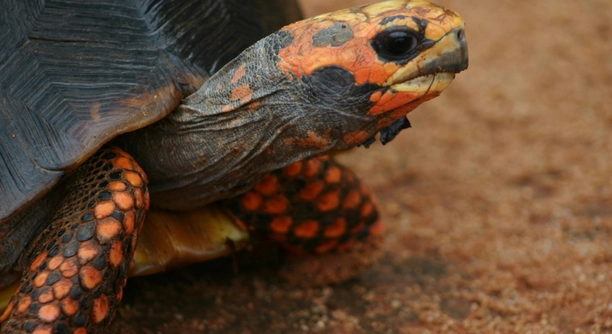
Red-footed tortoises are fascinating creatures, often recognized for their vibrant appearance and gentle nature. However, one issue that can affect their health is beak overgrowth, which may cause discomfort and other complications. Understanding this issue is important.
Beak overgrowth in red-footed tortoises can occur due to various factors, such as improper diet, lack of adequate wear, and inadequate environmental conditions. These factors can contribute to abnormal growth, leading to discomfort, difficulty eating, and potential health issues.
Identifying the causes of beak overgrowth is crucial to ensuring your tortoise’s well-being. Proper care and understanding can help prevent this condition and improve the quality of life for your red-footed tortoise.
Improper Diet and Nutritional Deficiencies
A balanced diet is essential for the overall health of red-footed tortoises, including maintaining proper beak growth. Without the right mix of nutrients, particularly calcium and fiber, their beaks can grow excessively. Calcium is especially important for bone health and shell development. When a tortoise doesn’t receive enough of this nutrient, it can lead to irregular beak development. Additionally, a lack of variety in their diet can contribute to nutritional gaps, making the overgrowth issue worse. Providing them with a variety of leafy greens, fruits, and specially formulated pellets helps ensure they get the nutrition they need.
A poor diet can affect more than just the tortoise’s shell. Overgrown beaks can make it difficult for the tortoise to eat, leading to weight loss and further health issues. Proper food choices play a big role in keeping their beak at a healthy length.
Offering a variety of foods that mimic their natural diet ensures your red-footed tortoise gets the essential nutrients needed for proper growth. A carefully balanced diet will not only prevent beak overgrowth but improve their overall quality of life.
Lack of Proper Wear
When red-footed tortoises do not have the opportunity to wear down their beaks naturally, overgrowth becomes a concern. In their natural habitat, they would often scrape and chew on various surfaces that help maintain beak health. Without such opportunities in captivity, their beaks can grow too long, affecting their ability to feed properly.
Providing rough surfaces for your tortoise to climb on, such as rocks, wood, or other textured materials, encourages the natural wear of their beak. This is a simple yet effective way to reduce the risk of beak overgrowth, helping them maintain a healthy, functional beak.
Inadequate Lighting and Heat
Without proper lighting and heat, red-footed tortoises can struggle to maintain their overall health. UVB light is crucial for their calcium absorption, which plays a key role in preventing beak overgrowth. If they lack sufficient exposure to UVB rays, it can lead to weakened bones and, eventually, excessive beak growth.
Proper basking temperatures are also necessary for their digestion and metabolic function. When these conditions aren’t met, their system becomes imbalanced, and beak growth may increase as a result. Ensure your tortoise has access to a heat source that mimics their natural environment.
Providing the right light and heat is an investment in your tortoise’s long-term health. Consistent UVB exposure and regulated temperatures are simple yet effective ways to help prevent beak overgrowth and support their well-being. Your tortoise will thank you by thriving in a healthy environment.
Stress and Anxiety
Stress can have significant physical effects on red-footed tortoises, and one of the outcomes may be abnormal beak growth. Tortoises under stress may not eat properly, leading to nutritional imbalances that can contribute to this issue. Overcrowding, sudden changes in environment, or constant handling can increase stress levels.
A peaceful environment with minimal disruptions is key for reducing stress. Providing your tortoise with a quiet and safe space to roam is important for maintaining a healthy mental state. This will not only help their beak but overall well-being.
When tortoises are less stressed, they are more likely to eat regularly, maintain a healthy diet, and grow normally. A calm and stable environment allows them to flourish physically and mentally, ensuring that their beaks remain at a healthy length.
Genetic Factors
Some red-footed tortoises may be genetically predisposed to developing beak overgrowth. In these cases, the issue may be harder to prevent, as it’s tied to their biological makeup. However, environmental factors can still help manage the condition.
Even with genetic tendencies, providing proper care and maintaining optimal conditions can reduce the severity of overgrowth. Regular checks and trimming when necessary can help address the issue before it becomes problematic.
Proper attention to diet, lighting, and overall care can support a tortoise with genetic predisposition. While genetics may play a role, environmental management remains a key factor in controlling beak growth.
Malnutrition from Improper Diet Choices
When a tortoise is fed the wrong foods or lacks variety, malnutrition can set in. Beak overgrowth may occur as a result of insufficient calcium or poor nutritional intake. The tortoise’s body struggles to grow properly without essential nutrients.
Offering a diet that mirrors their natural feeding habits is essential. Fresh greens, fruits, and specially designed tortoise pellets provide the nutrients needed to avoid deficiencies and overgrowth. Regular dietary adjustments ensure long-term health.
A balanced diet should be the foundation of your red-footed tortoise’s care. Avoid feeding them only one type of food, and aim for a variety to support their beak and overall health.
FAQ
What causes beak overgrowth in red-footed tortoises?
Beak overgrowth in red-footed tortoises can be caused by various factors. These include improper diet, inadequate lighting and heat, lack of proper wear, stress, and even genetic factors. Without proper care, these issues can lead to abnormal beak development, causing discomfort and difficulty feeding. Addressing each of these aspects helps to manage the condition and maintain healthy beak growth.
How can I prevent beak overgrowth in my red-footed tortoise?
The best prevention includes providing a balanced diet, proper lighting, and suitable environmental conditions. Ensure your tortoise has access to UVB light for calcium absorption, the right basking temperatures, and enough textured surfaces to naturally wear down its beak. A stress-free environment is also essential for their overall health. Regular check-ups can help spot potential issues early.
What should I feed my red-footed tortoise to avoid beak overgrowth?
A variety of foods is essential for preventing beak overgrowth. Provide dark leafy greens such as collard greens, dandelion greens, and kale, along with fruits like papaya, mango, and strawberries. A well-balanced diet with a good calcium-to-phosphorus ratio supports their overall health. Avoid feeding too much fruit or high-protein foods, as these can upset their nutritional balance.
How can I tell if my tortoise’s beak is overgrown?
Signs of beak overgrowth include difficulty eating, visible extensions or abnormalities in the beak’s shape, and sometimes drooling or a refusal to feed. If your tortoise’s beak appears longer than usual or the edges are uneven, it may be time for a veterinary check-up to assess the situation.
Can beak overgrowth affect my tortoise’s health?
Yes, beak overgrowth can lead to several health issues. It can cause problems with eating and result in malnutrition. The tortoise may struggle to bite into food properly, leading to further health complications. Overgrowth can also lead to discomfort and even infections if left untreated.
How do I trim an overgrown beak?
Trimming an overgrown beak should be done carefully. It is best to seek veterinary advice before attempting to trim it yourself. A vet can show you the proper technique, and in some cases, professional care may be needed to prevent injury. Never attempt to trim the beak with scissors or clippers without proper guidance, as this can cause harm to your tortoise.
What role does UVB light play in preventing beak overgrowth?
UVB light is crucial for red-footed tortoises because it helps them produce vitamin D3, which is necessary for calcium absorption. Without proper UVB exposure, the tortoise’s body cannot process calcium effectively, leading to weaker bones and improper beak growth. Ensure your tortoise has access to natural sunlight or artificial UVB lighting for 10-12 hours daily.
Can stress lead to beak overgrowth in tortoises?
Yes, stress can play a role in beak overgrowth. Stress can cause a reduction in appetite, affecting the tortoise’s nutrition and potentially leading to beak issues. Sources of stress may include overcrowding, sudden changes in environment, or frequent handling. Maintaining a calm and stable environment is essential for your tortoise’s health.
How often should I check my tortoise’s beak for overgrowth?
It’s important to check your tortoise’s beak regularly, at least once a month, especially if it has shown signs of previous overgrowth. During these checks, look for any irregularities in shape, length, or function. Early detection can help prevent serious issues and ensure timely intervention if needed.
Is beak overgrowth common in red-footed tortoises?
Beak overgrowth is relatively common in red-footed tortoises, especially when they are housed in environments where their dietary or environmental needs are not fully met. While some tortoises may never experience overgrowth, those that do can benefit from adjustments to their care routine to prevent worsening of the condition.
What happens if I don’t address beak overgrowth?
If left untreated, beak overgrowth can lead to several complications. It can affect your tortoise’s ability to eat, causing malnutrition and weight loss. Over time, this can also result in infections, difficulty moving, and other physical discomforts. Regular care and early intervention are key to preventing long-term health problems.
Can a red-footed tortoise live with an overgrown beak?
A red-footed tortoise can survive with an overgrown beak, but it may experience difficulty eating and lead to further health issues. In extreme cases, it may require professional trimming. If you notice signs of overgrowth, it is important to take action quickly to prevent further complications.
Should I provide my tortoise with supplements to help with beak growth?
In addition to a balanced diet, calcium supplements may be beneficial for red-footed tortoises, particularly if their diet is lacking in calcium. However, it is important to use supplements carefully, as too much calcium can cause other health issues. Always consult with a vet before adding supplements to their diet.
How can I help my tortoise wear down its beak naturally?
Providing your tortoise with textured surfaces such as rocks, logs, or other rough materials can help wear down the beak naturally. These surfaces allow the tortoise to grind and wear down the beak, preventing overgrowth. Regular access to these materials can reduce the need for trimming.
Are there specific signs that indicate my tortoise’s beak is growing too fast?
Signs that the beak may be growing too fast include a noticeable increase in size, sharp edges, and difficulty eating. If you notice your tortoise struggling to chew or picking at food instead of eating it, it may be a sign that the beak is becoming too long and needs attention.
Final Thoughts
Beak overgrowth in red-footed tortoises is a manageable condition, but it requires attention to detail in their care. The primary factors contributing to overgrowth are diet, environmental conditions, and lack of proper wear. By ensuring that your tortoise has a balanced diet with adequate calcium and nutrients, as well as proper UVB lighting, you can significantly reduce the chances of overgrowth. Regular checks of your tortoise’s beak and overall health are crucial to detecting any early signs of issues. In some cases, environmental enrichment, such as textured surfaces for natural beak wear, can also help maintain a healthy beak.
Taking action early is essential. If you notice any signs of overgrowth, such as difficulty eating or an unusually long beak, it’s important to seek professional help. A veterinarian can assist with trimming and give guidance on how to prevent the problem from reoccurring. While trimming at home is an option for some experienced tortoise owners, it’s safest to have a professional handle the beak trimming to avoid injury. A proper check-up ensures that the tortoise’s beak and overall health are in good shape, helping them lead a comfortable and happy life.
Ultimately, prevention is better than cure. Providing the right environment, proper diet, and enough space for your tortoise will go a long way in ensuring their health. By paying attention to these factors, you can avoid the discomfort of beak overgrowth and give your red-footed tortoise the best possible care. Regularly assessing their condition and acting quickly when problems arise will help ensure that your tortoise remains healthy and active throughout their life.

Hello,
If you enjoy the content that we create, please consider saying a "Thank You!" by leaving a tip.
Every little bit helps us continue crafting quality advice that supports the health, happiness, and well-being of pets around the world, for pets of all shapes, sizes, and species.
We really appreciate the kindness and support that you show us!