
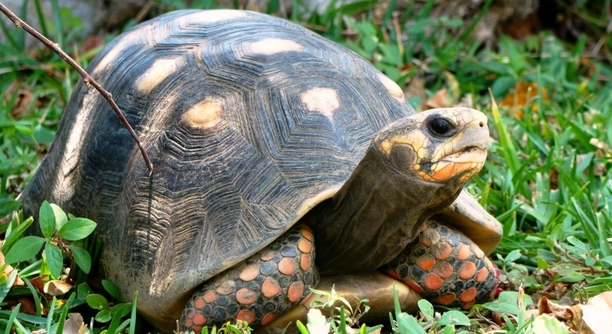
A red-footed tortoise not drinking water can be a source of concern for many pet owners. Understanding the reasons behind this behavior can help ensure your tortoise remains healthy and hydrated.
The most common reason for a red-footed tortoise not drinking water is dehydration due to inadequate humidity or improper environmental conditions. Additionally, stress, illness, or a lack of proper hydration sources can contribute to this behavior.
Exploring these factors will help you determine the best approach to encourage your tortoise to drink and stay hydrated.
Why Proper Hydration Matters for Red-Footed Tortoises
Red-footed tortoises are prone to dehydration, especially if their living environment is not properly maintained. These tortoises are native to regions with high humidity, so they require consistent moisture in their habitat. Without the right amount of water or humidity, your tortoise may stop drinking water. Hydration plays a key role in their overall health, affecting their digestion, skin condition, and even behavior. When they don’t drink enough, it can lead to health problems, including kidney failure or shell abnormalities. You may notice a lack of activity, which often signals that something is wrong.
Proper humidity is a fundamental factor in promoting water consumption. A dry environment can quickly cause discomfort for your tortoise, leading to decreased interest in drinking. By maintaining the right levels of humidity, your tortoise will be more inclined to hydrate.
To improve hydration, consider providing a shallow water dish. The water should be easily accessible, as red-footed tortoises prefer to drink from pools or puddles in the wild. A deeper dish might intimidate them, so be sure it’s just enough for them to dip their heads in comfortably.
The Importance of Temperature and Lighting
A proper temperature and lighting setup is essential for a healthy tortoise. These factors influence their behavior and overall well-being. Tortoises are cold-blooded animals, which means they rely on external sources for warmth. If their habitat is too cold or too hot, they may become stressed and avoid drinking. Proper temperature gradients and heat lamps help maintain their comfort. If your tortoise is feeling cold, it may not drink because its body isn’t at an optimal temperature for digestion and hydration. It’s important to monitor the temperature closely to ensure they feel safe and stable.
Understanding your tortoise’s temperature needs will prevent dehydration and ensure it’s not an overlooked issue.
Stress and Its Impact on Hydration
Stress can have a major impact on your red-footed tortoise’s hydration habits. When stressed, they may refuse to drink water or become more reclusive. Environmental changes, loud noises, or the presence of other animals can trigger this response. Additionally, frequent handling or disruptions to their routine can cause anxiety, making them less likely to stay hydrated.
Your tortoise may stop drinking water if it feels threatened or unsettled in its habitat. Creating a peaceful, calm environment is key to reducing stress. Consider setting up a quiet, private area for your tortoise to feel secure, away from potential sources of anxiety. The more comfortable your tortoise feels, the more likely it will return to healthy drinking habits.
Introducing a more stable environment and reducing stress factors can help alleviate this issue. If possible, limit handling and ensure they have a secluded area to retreat to. Stress-free tortoises are more likely to drink water and thrive.
Illness and Dehydration
A red-footed tortoise that refuses to drink water may also be ill. Various health conditions, like respiratory infections, can make it harder for them to stay hydrated. When sick, your tortoise’s appetite may decrease, and its interest in drinking water might diminish as well. Some health conditions cause dehydration, making it even more important for you to monitor their water intake.
It’s essential to keep an eye out for signs of illness, such as lethargy, a change in eating habits, or difficulty moving. If you suspect your tortoise is sick, contact a veterinarian to determine the cause. Prompt treatment is necessary to address dehydration and illness together, ensuring that your tortoise stays healthy and hydrated during its recovery. Keep its environment clean and temperature-controlled to avoid additional stress.
Incorrect Water Dish Placement
The location of your tortoise’s water dish can also affect its drinking habits. If the dish is placed in an area that feels too exposed or inconvenient, your tortoise may avoid it. Tortoises prefer to drink in quiet, secure spots where they feel safe.
Make sure the water dish is easily accessible and placed in an area your tortoise naturally visits. Avoid placing it under harsh lights or in high-traffic areas, as this can make your tortoise feel uneasy. A shaded, calm corner of the enclosure works best for hydration.
Type of Water Offered
The type of water you provide can impact your tortoise’s drinking habits. Tap water may contain chlorine or other chemicals that could discourage your tortoise from drinking. Using filtered water or dechlorinated water is a safer and more appealing option for your tortoise.
Tortoises often avoid water they find unpleasant or harmful. Using dechlorinated water can make a noticeable difference in encouraging your red-footed tortoise to hydrate properly. Offering fresh, clean water at all times helps ensure your tortoise stays healthy and hydrated.
Overfeeding and Hydration
Overfeeding your tortoise can also affect its drinking behavior. If a tortoise is consuming too much food, it may feel less inclined to drink water. A heavy meal can cause them to become sluggish or more sedentary, which leads to a decreased need for hydration.
Maintaining a balanced diet is crucial for hydration. When overfed, your tortoise may not feel the urge to drink as much water, leading to dehydration. You can adjust portion sizes to help your tortoise maintain a healthy balance between eating and drinking.
FAQ
Why is my red-footed tortoise not drinking water?
Several factors can cause a red-footed tortoise to avoid drinking water. It could be due to dehydration caused by low humidity or poor environmental conditions. Stress from handling, noise, or changes in the habitat can also make a tortoise reluctant to drink. Illness, improper temperature, or incorrect water placement may also contribute. Ensuring the environment is comfortable, quiet, and properly maintained is crucial for encouraging hydration.
How can I encourage my red-footed tortoise to drink more water?
Creating a comfortable environment is key. Ensure that the humidity level is between 70% and 80%, and the temperature ranges from 75°F to 85°F. Provide fresh, dechlorinated water in a shallow dish and place it in a calm, quiet area of the enclosure. If needed, offer water using a syringe, but never force it.
What type of water is best for my tortoise?
Filtered or dechlorinated water is ideal for red-footed tortoises. Tap water often contains chlorine or other chemicals that can discourage them from drinking. You can buy dechlorination drops at pet stores, or let the water sit for 24 hours to allow the chlorine to evaporate. This helps ensure your tortoise gets clean, safe water.
How often should I provide fresh water for my tortoise?
Fresh water should be provided daily. Make sure the water bowl is cleaned regularly to remove any debris. In warmer conditions, your tortoise may drink more frequently, while in cooler settings, they may drink less. Always monitor their hydration levels and replace the water if it becomes contaminated.
Is it normal for my tortoise to drink little water?
Red-footed tortoises, like all reptiles, don’t always drink large amounts of water at once. They often get hydration from their food, like fruits and vegetables. However, if you notice a prolonged lack of water intake or signs of dehydration such as sunken eyes or lethargy, it’s best to address the issue immediately.
Can stress prevent my tortoise from drinking water?
Yes, stress can prevent a red-footed tortoise from drinking water. If your tortoise feels threatened, it may become less active and avoid drinking. Common stressors include noise, new pets, or frequent handling. Make sure your tortoise has a quiet, calm environment where it can feel secure.
Should I worry if my tortoise isn’t drinking water after a meal?
It’s not uncommon for tortoises to drink less immediately after eating. However, prolonged avoidance of water can indicate an underlying issue. If your tortoise consistently avoids drinking or seems sluggish after meals, it could be a sign of dehydration or other health problems.
Can I force my tortoise to drink water?
Forcing a tortoise to drink water can cause stress and should be avoided. Instead, offer water in a comfortable, calm environment and let your tortoise hydrate on its own. If your tortoise refuses to drink, you can use a syringe to gently offer small amounts of water, but never force it.
How can I tell if my tortoise is dehydrated?
Signs of dehydration in red-footed tortoises include sunken eyes, dry or flaky skin, lethargy, and a lack of appetite. You may also notice that your tortoise’s feces are dry or hard. If you observe these symptoms, it’s important to increase hydration and consult a veterinarian if necessary.
Can a lack of water cause my tortoise to stop eating?
Yes, dehydration can cause your tortoise to lose interest in food. When a tortoise is dehydrated, it may become lethargic and have a reduced appetite. Ensuring that your tortoise has access to clean water and a humid, temperature-controlled environment will help stimulate its appetite and maintain healthy eating habits.
What can I do if my tortoise isn’t drinking enough water during winter?
During the winter months, your tortoise may drink less water due to lower temperatures. Ensure that the enclosure is still within the proper temperature range (75°F to 85°F) and that the humidity levels remain stable. If necessary, use a humidity dome or a humidifier to maintain moisture levels. Monitor your tortoise closely to ensure it’s getting enough hydration from food sources as well.
Can the water dish be too deep for my tortoise?
Yes, if the water dish is too deep, it can be intimidating for your tortoise, especially if it struggles to reach the water comfortably. A shallow dish is better, allowing your tortoise to easily drink without feeling overwhelmed. The dish should be big enough for them to dip their head into but not so deep that it feels unsafe.
Does my tortoise need water even if it’s eating moist food?
While red-footed tortoises can get some hydration from fruits and vegetables, they still need access to fresh water. Moisture from food isn’t enough to keep them fully hydrated. Offering water daily is essential for maintaining their health, even if they are consuming water-rich foods like lettuce, watermelon, or cucumbers.
Is it safe for my tortoise to drink from a puddle or rainwater?
Rainwater can be a good source of hydration for your tortoise, but make sure it is clean and free from contaminants. Puddles in outdoor enclosures are fine as long as the water is clean and hasn’t been exposed to harmful chemicals. Always monitor your tortoise’s access to water to ensure it remains safe.
What can I do if my tortoise continues to refuse water?
If your tortoise refuses to drink water, first check the environmental conditions. Ensure proper humidity, temperature, and a stress-free setting. If your tortoise continues to avoid water, consider using a syringe or soaking it in shallow water to encourage hydration. If there are no improvements, seek advice from a veterinarian.
Final Thoughts
Taking care of a red-footed tortoise involves ensuring its basic needs are met, especially hydration. If your tortoise is not drinking water, it’s essential to examine the environment, diet, and overall health. Tortoises can be sensitive to changes, so providing a consistent and calm setting is crucial. Make sure the temperature and humidity levels are appropriate, as these factors directly impact your tortoise’s comfort and willingness to drink.
While it’s normal for tortoises to get some moisture from their food, fresh water should always be available. If your tortoise is not drinking, there may be other underlying causes, such as stress or health issues. Monitoring their behavior, checking the water quality, and creating a stress-free environment are all essential steps. Offering water through different methods can also help encourage drinking. Using a shallow dish or offering water in a more accessible manner can often make a big difference.
If hydration problems persist, seeking professional advice from a veterinarian is the best course of action. Dehydration can lead to severe health issues, so it’s essential to act quickly if you notice any signs of dehydration or a lack of drinking. A vet can guide you through possible treatments or adjustments to your tortoise’s care routine. With proper care, your red-footed tortoise should stay healthy, hydrated, and happy.

Hello,
If you enjoy the content that we create, please consider saying a "Thank You!" by leaving a tip.
Every little bit helps us continue crafting quality advice that supports the health, happiness, and well-being of pets around the world, for pets of all shapes, sizes, and species.
We really appreciate the kindness and support that you show us!