
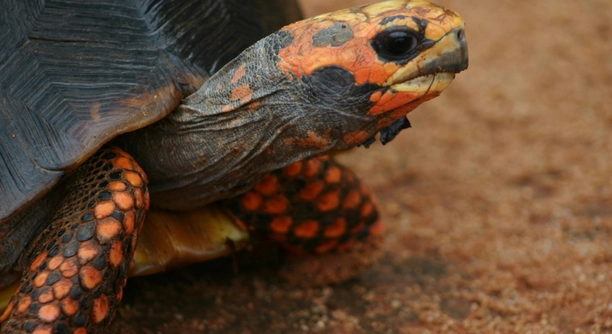
Is your red-footed tortoise frequently rubbing its eyes, leaving you concerned about its well-being? Eye rubbing in tortoises can be a sign of irritation, infection, or environmental factors affecting their comfort and health. Addressing the cause is essential for their overall well-being.
Red-footed tortoises rub their eyes due to dry environments, substrate irritation, or underlying health issues such as infections or vitamin deficiencies. Ensuring proper humidity, a clean habitat, and a balanced diet helps prevent discomfort and promotes eye health in these reptiles.
Environmental factors and health conditions can contribute to this behavior. Learning the possible causes and solutions will help you maintain your tortoise’s health and comfort.
Common Reasons for Eye Rubbing
Red-footed tortoises may rub their eyes due to environmental conditions, such as low humidity or irritating substrates. Dry air can cause eye discomfort, leading them to rub against objects for relief. Additionally, dusty or fine bedding materials can irritate their eyes, making them more prone to rubbing. Poor water quality, especially if they frequently soak in unclean water, can also lead to eye irritation. Identifying these factors early can help prevent further discomfort.
If your tortoise’s enclosure lacks proper humidity, their eyes may dry out, leading to frequent rubbing. Misting the habitat daily and providing a shallow water dish can help maintain moisture levels and prevent dryness.
Maintaining a clean and comfortable habitat is essential for their eye health. Choosing a substrate that does not produce excess dust and regularly cleaning their water source can prevent irritation. Adjusting these factors can reduce eye rubbing and promote overall well-being.
Health Concerns to Consider
Frequent eye rubbing may also indicate an underlying health issue. Infections, vitamin A deficiencies, and respiratory problems can cause irritation, leading to increased rubbing behavior. Addressing these issues promptly is important for their overall health.
Infections often result from bacterial exposure, leading to swollen or watery eyes. If you notice persistent irritation, swelling, or discharge, a visit to a reptile veterinarian is necessary. Vitamin A deficiencies, common in tortoises with an imbalanced diet, can cause eye swelling and dryness. Feeding them leafy greens and vitamin-rich foods can prevent deficiencies. Respiratory infections, often due to poor humidity control, may also cause eye issues. Signs include wheezing, nasal discharge, and lethargy.
Regular checkups, a balanced diet, and proper humidity levels can prevent most eye-related health issues. Monitoring their behavior and making necessary adjustments will help keep them healthy and comfortable.
Preventing Eye Irritation
Keeping the humidity at the right level is essential. Red-footed tortoises need a humid environment to prevent their eyes from drying out. Misting the enclosure daily and using a hygrometer to monitor humidity can help maintain the right conditions and keep their eyes comfortable.
Choosing the right substrate makes a difference. Avoid dusty or fine bedding materials that can cause irritation. Coconut coir, cypress mulch, or sphagnum moss are better options as they help retain moisture without creating dust. Regularly cleaning and replacing the substrate also prevents debris from irritating their eyes and causing discomfort.
Providing clean water is just as important. Tortoises often soak in their water dish, and dirty water can introduce bacteria that irritate their eyes. Changing the water daily and ensuring the dish is large enough for soaking but shallow enough to avoid contamination helps prevent irritation and keeps them healthy.
When to See a Veterinarian
Persistent eye rubbing may indicate a serious problem that requires professional care. If you notice swelling, discharge, or excessive tearing, an infection may be present. Delaying treatment can lead to complications, so scheduling a veterinary visit is the best course of action for your tortoise’s health.
Veterinarians can diagnose underlying issues such as infections, vitamin deficiencies, or respiratory problems. They may prescribe antibiotic drops for infections or recommend dietary adjustments to prevent vitamin A deficiency. If a respiratory infection is suspected, they will check for additional symptoms like wheezing or nasal discharge and provide appropriate treatment. Prompt veterinary care ensures your tortoise receives the help they need.
Adjusting Their Diet
A well-balanced diet helps prevent eye issues. Vitamin A is essential for eye health, and a deficiency can lead to dryness and irritation. Leafy greens, carrots, and squash provide natural sources of vitamin A, helping to maintain proper eye function and overall well-being.
Hydration also plays a role in preventing eye irritation. Fresh fruits like watermelon and papaya offer additional moisture, supporting healthy eyes. Ensuring access to clean water and offering a variety of nutrient-rich foods keeps your tortoise hydrated and reduces the risk of dietary-related eye problems.
Improving Their Habitat
Proper lighting is necessary for their health. UVB lighting supports vitamin D3 production, which helps with nutrient absorption. Without it, they may develop deficiencies that impact eye health. Using a high-quality UVB bulb and replacing it every six months ensures they receive adequate exposure.
Final Thoughts
Small changes can make a big difference. Maintaining proper humidity, providing a balanced diet, and keeping their habitat clean will reduce eye irritation and promote overall health.
FAQ
Why does my red-footed tortoise rub its eyes after eating?
This often happens when food particles or juices get on their face. Fruits, especially those with high sugar content, can leave a sticky residue that causes irritation. Wiping their face gently with a damp cloth after meals can help prevent discomfort.
Can substrate cause eye irritation?
Yes, dusty or dry substrate can irritate their eyes. Sand, dry hay, and wood shavings create small particles that can get into their eyes, leading to rubbing and discomfort. Switching to moisture-retaining options like coconut coir or sphagnum moss reduces the risk of irritation.
Does bathing help with eye irritation?
Soaking your tortoise in lukewarm water for 10–15 minutes can help remove debris and keep their eyes hydrated. Regular soaks also aid in overall hydration, preventing dry eyes and skin issues. Ensuring their water dish is clean and accessible encourages natural soaking behaviors.
What role does vitamin A play in eye health?
Vitamin A deficiency can lead to eye swelling, discharge, and increased rubbing. Foods rich in vitamin A, such as carrots, dandelion greens, and butternut squash, support eye health. If signs of deficiency appear, a veterinarian may recommend dietary changes or supplements.
Can poor lighting affect my tortoise’s eyes?
Lack of proper UVB lighting can lead to health issues, including weakened immune function, which makes them more prone to infections. Using a high-quality UVB bulb and replacing it every six months ensures they receive the light they need to maintain good health.
Is eye rubbing a sign of respiratory infection?
Yes, if accompanied by nasal discharge, wheezing, or lethargy. Respiratory infections can cause eye swelling and excessive tearing. If you notice these symptoms, seek veterinary care immediately, as untreated infections can become severe and impact their breathing.
How can I tell if my tortoise has an eye infection?
Signs include swelling, redness, excessive blinking, and discharge. Infections can develop from bacterial exposure, poor hygiene, or injuries. If symptoms persist for more than a day, a vet visit is necessary to prevent complications and ensure proper treatment.
Can stress cause my tortoise to rub its eyes?
Yes, stress from environmental changes, excessive handling, or overcrowding can lead to unusual behaviors, including eye rubbing. Creating a stable, quiet environment and minimizing disruptions can help reduce stress-related behaviors and improve overall well-being.
How often should I clean my tortoise’s enclosure?
A full cleaning should be done weekly, while spot cleaning should happen daily. Removing waste, old food, and dirty water prevents bacteria buildup, which can cause eye infections. Maintaining a clean habitat reduces the risk of health problems.
Should I use eye drops for my tortoise?
Only use eye drops recommended by a veterinarian. Some over-the-counter products may not be safe for reptiles. If your tortoise shows persistent eye irritation, a vet can provide the appropriate treatment to address the underlying cause.
Final Thoughts
Keeping a red-footed tortoise healthy requires attention to diet, habitat conditions, and overall care. Eye rubbing is often a sign of irritation caused by dryness, substrate issues, or foreign particles. By maintaining proper humidity levels, providing a clean environment, and offering a balanced diet rich in essential nutrients, you can help prevent many common eye problems. Simple adjustments, such as misting the enclosure regularly and using a tortoise-safe substrate, can make a significant difference in their overall well-being.
Observing your tortoise’s behavior is essential in identifying potential health concerns early. If eye rubbing is accompanied by swelling, discharge, or respiratory symptoms, seeking veterinary care is necessary. Eye infections and vitamin deficiencies can worsen without treatment, leading to discomfort and further health complications. Regular check-ups, a consistent feeding routine, and proper hydration all play a role in keeping your tortoise in the best possible condition.
Preventative care is the best way to avoid serious health issues. Ensuring they have access to clean water, providing UVB lighting, and maintaining a stress-free environment will support their long-term health. Small changes in their care routine can lead to noticeable improvements in their behavior and comfort. By staying attentive to their needs, you can create a safe and comfortable space where your tortoise can thrive.

Hello,
If you enjoy the content that we create, please consider saying a "Thank You!" by leaving a tip.
Every little bit helps us continue crafting quality advice that supports the health, happiness, and well-being of pets around the world, for pets of all shapes, sizes, and species.
We really appreciate the kindness and support that you show us!