
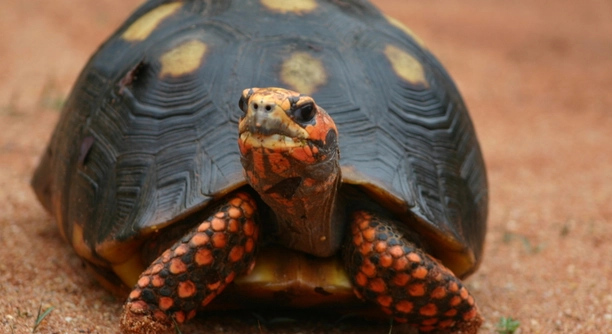
Overfeeding your red-footed tortoise can lead to several health issues. It’s important to monitor their diet to ensure they receive the proper amount of food. Keep reading to learn how to spot the signs of overfeeding.
Overfeeding a red-footed tortoise can cause weight gain, shell deformities, and even organ stress. Recognizing these signs early can prevent further complications and help maintain your tortoise’s overall health and well-being.
Learning how to manage your tortoise’s diet properly is essential for their long-term health. Keep reading to understand how to avoid common feeding mistakes.
1. Weight Gain and Excessive Fat
Overfeeding a red-footed tortoise can lead to noticeable weight gain. If they’re fed more than they need, their body will store the excess calories as fat, which can result in an unhealthy weight. It’s essential to keep track of their size and monitor how much food they consume.
Weight gain can stress their bones, joints, and organs, which may result in long-term damage. While a few extra pounds may seem harmless, it can create lasting health issues. Ensuring that your tortoise eats a balanced amount of food based on their size and activity level is crucial.
To avoid weight gain, it’s recommended to stick to a proper feeding schedule, avoid offering too many treats, and ensure a variety of foods. Providing them with fresh vegetables and a limited amount of fruit can help them maintain a healthy weight. Avoiding excessive portions will keep them from becoming overweight and support their overall well-being.
2. Shell Deformities
One of the signs that your red-footed tortoise is overfed may be the development of shell deformities. Too much food, especially foods high in fat and calcium, can affect their shell growth.
Overfeeding leads to a disproportionate amount of calcium and other nutrients, causing irregular growth patterns in their shells. These issues may become more noticeable as they age, causing their shells to become misshapen or soft. The key is to maintain a balanced diet with proper nutrition.
Tortoises need proper shell care to maintain their natural shape and strength. Their diet should include a variety of foods with the right calcium-to-phosphorus ratio. If you suspect your tortoise is overfed, consult a vet to ensure they’re receiving the proper nutrients in the right amounts.
3. Respiratory Issues
Overfeeding can put extra strain on your tortoise’s organs, particularly the lungs. If they’re gaining weight rapidly, their breathing may become labored, which can lead to respiratory problems. Monitoring their food intake closely can prevent this.
A heavier tortoise will have difficulty moving around and breathing, especially if their body isn’t accustomed to carrying the extra weight. This can make them more susceptible to respiratory infections and other illnesses. Avoid overfeeding by giving them the correct portion sizes based on their age, size, and activity level.
Ensuring a proper diet will not only keep their weight in check but also help maintain their respiratory health. Overfeeding may also lead to them being less active, which could cause further health complications. Adjusting their food intake according to their needs will help keep them healthy and active.
4. Decreased Activity Levels
When a red-footed tortoise is overfed, it may begin to show less interest in moving around. Overeating can lead to sluggishness, as excess food can cause their body to feel weighed down. They may spend more time resting.
If your tortoise is constantly inactive, it’s likely due to overfeeding. When their energy isn’t used properly, it can lead to lethargy. Not only does this result in less exercise, but it can also cause their muscles and joints to weaken. Keeping your tortoise’s diet in balance promotes healthy activity and mobility.
Reducing their food intake or changing the types of food given can help restore their natural energy levels. Ensure they have a healthy, varied diet and a suitable environment to encourage them to move around more. This will keep them active and reduce the chances of weight-related health issues.
5. Uneven Growth
Overfeeding your red-footed tortoise can lead to uneven growth patterns. Excess food may cause rapid growth in some areas, particularly in the shell, while other parts of the body may not develop properly. This can create an imbalance.
Uneven growth due to overfeeding can lead to deformities that impact the tortoise’s ability to move and function. Their shell may grow too quickly, resulting in soft or misshapen areas. It’s important to regulate their diet to ensure they grow steadily and healthily. A balanced diet will allow them to develop naturally without causing long-term issues.
Adjusting portion sizes and ensuring they receive a variety of food sources will help maintain even growth. Avoiding high-fat foods and offering nutritious, well-rounded meals will keep their development on track and prevent physical abnormalities.
6. Digestive Problems
Overfeeding can strain a tortoise’s digestive system, causing issues like bloating, diarrhea, and constipation. When they eat more than necessary, their digestive tract struggles to process the excess food, leading to discomfort and irregular bowel movements.
To help prevent digestive issues, ensure that your tortoise’s meals are portioned properly. A balanced diet with appropriate fiber content will support digestion and keep their gut healthy. It’s also important to provide fresh water and avoid overfeeding high-fat foods that can overwhelm their system.
If your tortoise shows signs of discomfort or irregular digestion, reducing food portions and adjusting their diet may improve the situation. Over time, this will help them maintain a healthy digestive system and overall well-being.
7. Decreased Lifespan
Overfeeding can lead to a shorter lifespan for your red-footed tortoise. The added stress on their body from excess weight can lead to health issues that shorten their life expectancy. Proper diet is key to long-term health.
By avoiding overfeeding and offering a balanced diet, your tortoise has a better chance of living a longer, healthier life. Obesity can cause a variety of problems, including organ damage, joint issues, and heart complications. Ensuring they maintain a healthy weight is essential to keeping them around for many years to come.
FAQ
What is the ideal amount of food to feed a red-footed tortoise?
The ideal amount of food depends on the size, age, and activity level of your red-footed tortoise. Generally, adult tortoises should be fed every other day, while younger tortoises may need daily feedings. A balanced diet of fresh vegetables, fruits, and occasional protein will ensure they get the right nutrients without overfeeding. Be sure to offer food in moderate portions, roughly the size of their shell. Adjust their food intake based on their activity levels, with less food given during colder months when they are less active.
How can I tell if my red-footed tortoise is overweight?
Signs that your red-footed tortoise may be overweight include a noticeable increase in size, especially around the neck and limbs, and an overall sluggishness in movement. Their shell may appear bloated or disproportionately large, and they may struggle to move around or engage in typical activities. You can also check their weight against recommended guidelines based on their age and size. If they are gaining weight quickly or seem less active, reducing food portions may help prevent further issues.
What foods should I avoid feeding my red-footed tortoise?
Avoid feeding your red-footed tortoise high-fat, sugary foods like processed snacks, dairy products, and excess fruit. These can lead to obesity and other health issues. It’s also best to avoid giving them foods high in oxalates, like spinach and rhubarb, as these can interfere with calcium absorption. Stick to a varied diet of dark leafy greens, grasses, and occasional flowers, ensuring their meals are nutritionally balanced.
Can overfeeding cause health problems in other parts of the body?
Yes, overfeeding can cause problems not only with weight but also with other body systems. It can strain the digestive system, leading to bloating, constipation, or diarrhea. Over time, this can result in organ stress, particularly in the liver and kidneys. Additionally, excess weight can lead to joint and bone issues as the tortoise struggles to carry the extra mass, potentially causing long-term skeletal problems. Proper feeding practices are vital to preventing these complications.
Is it necessary to provide my red-footed tortoise with treats?
Treats should only be offered sparingly and in moderation. While it’s fine to give your tortoise a small amount of fruit or other favorites, they should not be a regular part of their diet. Treats can be high in sugar and fat, which can lead to overfeeding and health issues. Instead, focus on a well-balanced diet of vegetables, greens, and occasional flowers. Treats should never make up more than 10-15% of their overall food intake.
How often should I check my tortoise’s weight?
It’s a good idea to monitor your tortoise’s weight every 4-6 weeks. This will help you track their growth and ensure they are not gaining weight too rapidly. Weighing them regularly will also alert you to any sudden changes in size, allowing you to make adjustments to their diet or consult a veterinarian if needed. If your tortoise is a juvenile, it’s particularly important to check their weight regularly to ensure proper growth without overfeeding.
What are the best vegetables to feed my red-footed tortoise?
Leafy greens like collard greens, mustard greens, dandelion greens, and turnip greens are excellent choices. These provide essential nutrients like calcium and fiber. You can also offer some vegetables like squash, pumpkin, and bell peppers in moderation. Avoid feeding them too much high-calcium food without balancing it with other nutrients, as this can lead to improper calcium absorption.
How can I prevent my red-footed tortoise from becoming overweight?
To prevent overfeeding and obesity, regulate their food portions and avoid offering too many high-fat treats. Provide a varied diet that is rich in fiber and low in sugar. Ensure they have access to plenty of water, and encourage physical activity by providing a large enclosure where they can roam and explore. Regularly monitor their weight and adjust their diet based on their size and activity level to keep them at a healthy weight.
Is it normal for my red-footed tortoise to stop eating sometimes?
Yes, it is normal for red-footed tortoises to have periods where they eat less, especially in colder months or during brumation (a form of hibernation for tortoises). However, if your tortoise stops eating for an extended period or shows signs of illness like lethargy or weight loss, it could indicate a health issue. In such cases, it’s best to consult a veterinarian to ensure there are no underlying problems.
How do I adjust my red-footed tortoise’s diet for the winter months?
In the winter, your tortoise may become less active and require fewer calories. Reduce the amount of food you provide to avoid overfeeding. You can also offer foods that are easier to digest, like leafy greens and certain types of grasses. Keep their enclosure warm enough to maintain healthy digestion, but avoid overfeeding them in cold weather when their metabolism slows down.
Can I feed my red-footed tortoise fruit regularly?
Fruit should be offered sparingly to red-footed tortoises. While fruits like mango, papaya, and bananas are a good source of vitamins, they are also high in sugar, which can contribute to obesity and other health problems. Offering fruit once or twice a week as a treat is fine, but it should not be a regular part of their diet. Focus on providing a variety of leafy greens and vegetables to ensure balanced nutrition.
Final Thoughts
Overfeeding your red-footed tortoise can lead to a number of health issues, including obesity, joint stress, and digestive problems. By paying attention to portion sizes and offering a balanced diet, you can help keep your tortoise healthy and active. Regularly monitoring their weight and making adjustments to their feeding habits based on their activity levels and age will ensure they stay in good shape. Remember, a healthy tortoise is a happy tortoise, and maintaining proper feeding practices is crucial for their long-term well-being.
It’s important to be aware of the signs of overfeeding, such as sluggishness, bloating, and difficulty moving. These could indicate that your tortoise is carrying extra weight, which could put unnecessary strain on their body. Additionally, while treats can be a fun way to bond with your tortoise, they should only make up a small portion of their diet. High-fat or high-sugar foods, such as fruits, should be given sparingly. Stick to fresh vegetables and leafy greens as the main components of their meals.
Ultimately, every red-footed tortoise is different, and what works for one may not be suitable for another. It’s important to tailor their diet to their specific needs, taking into account factors like size, age, and activity level. If you’re unsure about your tortoise’s diet or if you suspect they may be overfed, it’s always a good idea to consult with a reptile vet. By being proactive and educated about their care, you can help ensure that your red-footed tortoise lives a long, healthy life.

Hello,
If you enjoy the content that we create, please consider saying a "Thank You!" by leaving a tip.
Every little bit helps us continue crafting quality advice that supports the health, happiness, and well-being of pets around the world, for pets of all shapes, sizes, and species.
We really appreciate the kindness and support that you show us!