
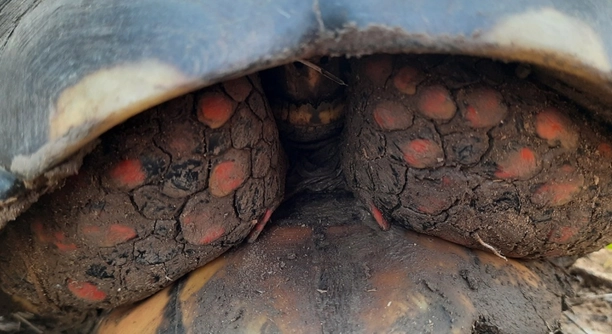
As winter approaches, keeping a red-footed tortoise warm becomes essential. These reptiles are sensitive to temperature changes, and understanding how to create a warm, comfortable environment will help them thrive throughout the colder months.
Maintaining warmth for a red-footed tortoise in winter involves providing a stable heat source, such as a heat lamp or ceramic heater. A basking area with temperatures between 85-90°F is crucial, while the ambient temperature should stay around 75°F.
Managing warmth effectively ensures your tortoise remains healthy and active, especially during the colder season.
Provide a Stable Heat Source
A consistent heat source is key to maintaining the proper temperature for a red-footed tortoise. Using a heat lamp or ceramic heater is an effective method. These heat sources simulate the sun’s warmth, giving your tortoise the comfort it needs during the colder months. It’s important to avoid placing the lamp too close, as this can cause overheating or burn your tortoise. Aim for a basking area that stays between 85°F and 90°F, while the rest of the enclosure should remain around 75°F.
Remember to monitor the temperature regularly with a thermometer to ensure it stays within the ideal range. Heat mats or pads can also be used under the enclosure to provide extra warmth, but these should not be the primary heat source. By providing stable, direct heat, you can help keep your tortoise healthy and active during winter.
Creating a warm environment involves both the air temperature and the basking area. Always ensure your tortoise has a warm place to retreat and bask, and adjust the heat as needed to maintain a comfortable setting.
Use Proper Lighting
Lighting is just as important as heat. Tortoises need UVB light to produce vitamin D3, which helps them absorb calcium. During the winter, when natural sunlight is limited, providing UVB lighting is essential. This should be on for 10-12 hours daily to mimic daylight hours.
Make sure the UVB light is within the appropriate distance from the tortoise’s basking area. Too far, and it won’t provide enough UVB exposure. Too close, and it can cause burns. A well-balanced lighting setup helps maintain your tortoise’s health, particularly in colder months when natural light exposure is low.
By providing UVB lighting, you ensure that your red-footed tortoise can properly digest food and maintain strong bones. Without sufficient UVB, tortoises can suffer from metabolic bone disease and other health issues, making this an essential part of their winter care routine.
Maintain Proper Humidity Levels
Humidity is crucial for a red-footed tortoise, especially in the winter when indoor air tends to be drier. Aim for humidity levels between 60% and 80%. This can be maintained by misting the enclosure daily or using a humidity regulator.
A humid environment helps prevent dehydration and skin issues. A shallow water dish should always be available for drinking and soaking. However, make sure the water doesn’t remain stagnant for too long to avoid bacterial growth. If the enclosure gets too dry, it could lead to respiratory problems or shedding issues.
Using a hygrometer can help track the humidity levels accurately. Consider placing a humidity box with moist sphagnum moss to provide a localized humid spot. This allows your tortoise to hydrate and adjust to the moisture levels as needed.
Insulate the Enclosure
Insulating the tortoise’s enclosure helps retain heat and prevent temperature fluctuations. This can be done by using materials like foam boards, Mylar, or heavy blankets. Adding insulation ensures that the heat you provide remains consistent, preventing the enclosure from becoming too cold at night.
To properly insulate, focus on the sides and bottom of the enclosure. The top can remain open or ventilated, but proper insulation will trap warmth and create a stable environment. This method helps reduce the need for constant adjustments to heat sources. It also ensures that your tortoise feels secure in a consistently warm space.
Insulating the enclosure effectively minimizes energy usage by maintaining a steady internal temperature. It also reduces the stress on your tortoise, providing a more comfortable and stable habitat during the colder months.
Choose the Right Substrate
Selecting the right substrate for your tortoise is important in maintaining the right temperature and humidity. Choose a material that can hold moisture, such as coconut coir or cypress mulch. This helps keep humidity levels stable in the enclosure.
Avoid using sand or gravel, as these can dry out the environment and may cause digestive issues if ingested. A proper substrate also provides your tortoise with a comfortable surface to move on. Make sure to spot clean daily and replace the substrate regularly to keep the habitat clean and hygienic.
Provide Warm Hiding Spots
Red-footed tortoises appreciate having a warm hiding spot. This gives them a sense of security while also providing a consistent temperature. Create a small, enclosed area with heat to offer them a private retreat.
Ensure the hide is easily accessible and large enough for the tortoise to move around comfortably. It should also be placed in the warmer section of the enclosure, where the temperature remains consistent. This will encourage your tortoise to spend time in its hide, helping it stay warm when needed.
FAQ
How do I know if my red-footed tortoise is too cold?
If your red-footed tortoise is too cold, it will become lethargic and may not eat. A lack of movement, combined with a refusal to bask or show interest in food, indicates that the temperature in the enclosure is too low. Check the temperature regularly to ensure that the basking area stays between 85-90°F and the ambient temperature remains around 75°F. If your tortoise continues to appear sluggish despite proper heating, it may also indicate other health issues, so it’s worth consulting a vet.
Can I use a heat pad for my red-footed tortoise?
Heat pads can be used to provide additional warmth to the enclosure, but they should not be the primary heat source. They are most effective when used under the enclosure’s substrate or under the basking area to offer a more even temperature distribution. However, they do not provide the intense, direct heat that a heat lamp or ceramic heater offers. Be sure to monitor the temperature carefully and ensure the heat pad is not causing overheating or hot spots.
Is it okay to leave the UVB light on 24/7?
No, UVB lights should not be left on 24/7. Red-footed tortoises require a natural day-night cycle, so UVB lights should be on for 10-12 hours a day and turned off at night. This helps maintain their circadian rhythm, which is important for their overall health. Make sure to use a timer to regulate the lighting schedule and avoid excessive exposure, as too much UVB can lead to skin damage and other health problems.
What humidity level is best for my red-footed tortoise in winter?
During winter, it is crucial to maintain a humidity level between 60-80%. This ensures that the tortoise’s skin remains hydrated, and it can prevent respiratory issues. You can maintain this humidity by misting the enclosure daily, adding a humidity box with moist sphagnum moss, or using a humidifier. Be sure to monitor the humidity levels with a hygrometer to ensure they stay within the ideal range.
Can I use a heat lamp and a ceramic heater together?
Yes, you can use both a heat lamp and a ceramic heater together. A heat lamp provides focused, direct heat to the basking area, while a ceramic heater offers ambient warmth throughout the enclosure. Together, they can create a stable and comfortable environment for your red-footed tortoise. Be sure to place the heat sources correctly to avoid creating too much heat in one spot. Regularly check the temperatures to ensure they are within the ideal range for your tortoise’s needs.
How often should I clean my red-footed tortoise’s enclosure?
The enclosure should be spot cleaned daily, removing waste and uneaten food. This helps keep the environment clean and reduces the risk of bacteria buildup. A deep clean should be done once a month. This involves removing all substrate, cleaning the walls, and sanitizing the enclosure with a reptile-safe disinfectant. Always ensure the enclosure is completely dry before replacing the substrate.
Can I use an under-tank heater for my red-footed tortoise?
Under-tank heaters can be used, but they are not ideal for red-footed tortoises. These heaters are best suited for amphibians or species that need constant contact with a heat source. Red-footed tortoises are better suited to overhead heat sources like heat lamps or ceramic heaters. If using an under-tank heater, make sure it doesn’t overheat the substrate, and monitor the temperature regularly to ensure it doesn’t cause harm.
What type of water should I use for my red-footed tortoise?
For drinking and soaking, it’s best to provide your tortoise with clean, dechlorinated water. You can use tap water if you allow it to sit for 24 hours to let chlorine evaporate, or you can use bottled spring water. Change the water daily to ensure freshness and prevent bacteria growth.
Should I provide a hiding spot for my red-footed tortoise in winter?
Yes, providing a warm hiding spot for your red-footed tortoise during winter is essential. This gives your tortoise a place to retreat if it feels stressed or needs extra warmth. Ensure the hide is placed in the warmest part of the enclosure, and that it is large enough for the tortoise to comfortably move around. The hiding spot should also provide a sense of security, which will help your tortoise feel safe and comfortable during the colder months.
How long should my red-footed tortoise bask each day?
Your red-footed tortoise should bask for about 4-6 hours each day to maintain proper body temperature. The basking area should be around 85-90°F, and your tortoise will regulate its exposure based on its needs. Make sure to provide a consistent heat source for this duration and monitor your tortoise to ensure it is getting the right amount of basking time.
Final Thoughts
Maintaining the proper warmth for your red-footed tortoise in winter is essential for its health and well-being. With the right temperature, humidity, and care, your tortoise can stay comfortable and active during the colder months. The key is to provide a balanced environment that mimics its natural habitat as closely as possible. This includes proper lighting, heating, and humidity control, which will help your tortoise thrive even when temperatures drop outside. Ensuring that your tortoise has access to consistent warmth and a suitable substrate will go a long way in supporting its health throughout the winter season.
As you care for your red-footed tortoise, always pay attention to its behavior. If your tortoise seems less active or refuses to eat, it might be a sign that the temperatures are not right. Regularly check the temperature in the basking area and the overall enclosure to ensure it remains within the ideal range. You should also monitor humidity levels to prevent dehydration or respiratory issues. If you’re ever unsure, it’s important to consult a veterinarian familiar with reptiles. Their expertise can help you adjust your care routine to suit your tortoise’s needs.
Keeping a red-footed tortoise warm in winter doesn’t have to be complicated. By following simple steps such as providing proper heating, hydration, and the right environment, you can ensure your tortoise remains healthy. Remember that consistency is key, and regular maintenance of the enclosure will help prevent any problems. A little extra attention to your tortoise’s habitat during the colder months can go a long way in supporting its overall health and well-being.

Hello,
If you enjoy the content that we create, please consider saying a "Thank You!" by leaving a tip.
Every little bit helps us continue crafting quality advice that supports the health, happiness, and well-being of pets around the world, for pets of all shapes, sizes, and species.
We really appreciate the kindness and support that you show us!