
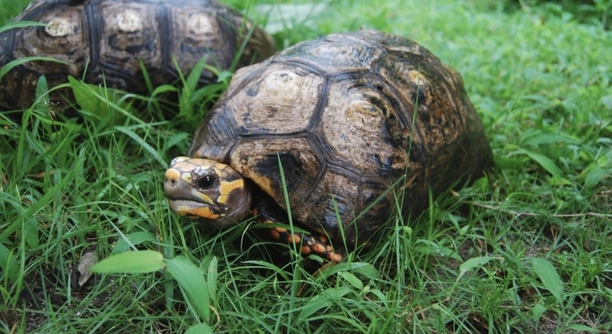
Red-footed tortoises are popular pets for many reptile enthusiasts, known for their striking appearance and calm nature. However, like all animals, they can suffer from health issues such as respiratory infections, which can be difficult to spot at first.
Respiratory infections in red-footed tortoises are common and can be caused by factors like poor humidity, temperature fluctuations, or stress. Early detection is crucial for effective treatment, as untreated respiratory infections can worsen and cause long-term damage.
Understanding these signs will help you take proactive steps in keeping your tortoise healthy. By recognizing early symptoms, you can ensure a quicker recovery and prevent further complications down the line.
Common Signs of Respiratory Infections in Red-Footed Tortoises
Respiratory infections in red-footed tortoises often start subtly, but the signs can progress quickly if not addressed. One of the first things to look for is unusual breathing sounds, such as wheezing or a rattling noise. If your tortoise seems to be struggling to breathe, or if it is breathing through its mouth rather than its nose, it’s a red flag. Additionally, keep an eye out for mucus discharge around the nostrils or in the mouth. This is often a sign that the infection has started to spread.
Even mild symptoms should be taken seriously. If your tortoise is experiencing excessive mucus or difficulty breathing, it’s important to monitor it closely. These signs are not always easy to spot immediately, but with careful observation, you’ll be able to catch them early and take necessary steps to help your pet recover.
One other symptom to watch for is lethargy. A red-footed tortoise that is less active than usual might be trying to conserve energy to fight off the infection. Keep an eye on any changes in behavior, as even minor shifts can signal a health issue.
Changes in Eating Habits
A decrease in appetite is another clear sign that something may be wrong. Respiratory infections can make a tortoise feel unwell, leading to a noticeable drop in food consumption. This loss of interest in food can quickly lead to other problems, such as weight loss.
If you notice that your tortoise is turning away from its favorite foods or consistently eating less than usual, it may be struggling with its respiratory health. It is essential to provide a warm, humid environment to make it easier for your pet to eat. You should also offer a variety of easily digestible foods to tempt them. When tortoises are feeling unwell, they are less likely to eat as much as they need, which can impact their overall health. Monitoring their eating habits closely will give you insight into how they are coping. The sooner you recognize a change, the better you can manage the situation and reduce the risk of further complications.
A lack of interest in food might not seem alarming at first, but it is a critical symptom that shouldn’t be ignored. A sudden loss of appetite can indicate that your tortoise is facing significant discomfort, potentially from an underlying infection. This can worsen over time, so addressing it quickly is key to a swift recovery.
Swelling Around the Eyes or Face
Swelling in and around your red-footed tortoise’s eyes is another common symptom of a respiratory infection. If you notice puffiness or bloating near the eyes or face, it could be a sign of fluid buildup caused by the infection. In some cases, the swelling may extend to other parts of the head, which can affect your tortoise’s overall comfort.
This swelling often occurs as a result of mucus or fluid accumulating in the sinuses or respiratory system. The build-up prevents proper drainage, leading to swelling and discomfort. If left untreated, this can create additional health issues, as the fluid may not only cause pain but could also interfere with normal eye function. You may also notice that your tortoise becomes more irritable or avoids contact due to the discomfort caused by the swelling. Early intervention can help reduce swelling and prevent the infection from worsening.
Addressing these signs promptly is crucial. If you observe any noticeable swelling, it’s important to consult with a vet experienced in reptiles. This helps prevent the condition from progressing and ensures your tortoise gets the right treatment to recover.
Difficulty Closing the Mouth
Difficulty in closing the mouth properly can be another red flag. This symptom typically happens when the respiratory infection causes swelling or fluid buildup around the mouth or throat. If your tortoise’s mouth remains slightly open or appears “stuck,” it may be struggling to move its jaw due to discomfort.
This problem can cause additional stress for your tortoise, especially when trying to eat or drink. If the mouth remains open for extended periods, dehydration can become an issue, as your tortoise may be unable to fully close its mouth to drink water. This symptom often accompanies other signs of infection, like discharge from the nose or mouth. It’s important to keep your tortoise hydrated during this time, as dehydration can quickly lead to further complications, especially if left untreated.
In more severe cases, the mouth can become stiff, preventing your tortoise from closing it fully. This symptom can cause difficulty in eating and drinking, leading to further stress on your pet’s health. Getting a proper diagnosis and treatment plan will help reduce discomfort and improve your tortoise’s chances of recovery.
Nasal Discharge
Nasal discharge is one of the most noticeable signs of a respiratory infection in a red-footed tortoise. If you notice thick mucus coming from the nose, it’s a clear indication that your tortoise’s respiratory system is under stress. This discharge may vary in color, ranging from clear to cloudy or yellowish.
The mucus can make breathing more difficult for your tortoise, causing it to become even more lethargic or inactive. If the discharge continues for several days, it’s important to check the humidity levels in its habitat. High humidity levels are essential for helping a tortoise fight off respiratory infections. Without proper humidity and warmth, it may struggle to recover.
If you notice nasal discharge along with other signs of infection, such as wheezing or swelling, it’s essential to seek veterinary advice quickly. Nasal discharge is often just one symptom, and acting fast can prevent further complications from developing.
Wheezing or Labored Breathing
Wheezing or labored breathing is a serious sign that your tortoise may have a respiratory infection. If your tortoise is having trouble breathing or making odd sounds, such as wheezing or rattling, it may indicate that its lungs or airways are affected. This condition can lead to serious health problems if not treated.
Wheezing occurs when the airways become blocked or inflamed, making it harder for your tortoise to breathe properly. In severe cases, you may notice the tortoise’s shell rising and falling more rapidly than usual, indicating distress. If this happens, you should take your tortoise to a reptile vet immediately for proper diagnosis and treatment. These symptoms can quickly escalate, leading to further complications like pneumonia.
Taking action right away when you spot labored breathing will help prevent more severe health issues and give your pet the best chance for recovery.
Lack of Mobility
When a red-footed tortoise is unwell, it may become less active. A lack of mobility or reluctance to move is often a sign that your tortoise is feeling weak or stressed due to an infection. This could be linked to the energy required to fight off the illness.
A sick tortoise may retreat to a dark, quiet corner of its enclosure, avoiding usual activities like walking or eating. If you observe this behavior for an extended period, it is important to evaluate the overall health of your tortoise. While lethargy alone may not indicate a respiratory infection, it should not be ignored.
FAQ
What causes respiratory infections in red-footed tortoises?
Respiratory infections in red-footed tortoises are commonly caused by environmental stressors such as improper humidity, temperature fluctuations, and poor ventilation in their enclosure. When the habitat is too cold or too dry, their immune systems weaken, making them more vulnerable to infections. Overcrowding in enclosures or exposure to other sick animals can also lead to respiratory issues.
How can I prevent respiratory infections in my red-footed tortoise?
To prevent respiratory infections, it’s essential to maintain an appropriate habitat for your tortoise. Ensure the enclosure is warm enough, typically between 75°F and 85°F during the day, with a nighttime drop to around 70°F. A proper humidity level of 60% to 80% is also crucial. Regular cleaning of the enclosure and providing a stress-free environment will help prevent infections. Avoid placing your tortoise in drafty areas and minimize any sudden changes in temperature.
What should I do if I think my red-footed tortoise has a respiratory infection?
If you suspect your tortoise has a respiratory infection, it’s important to take action quickly. Start by adjusting the temperature and humidity in its environment to ensure it is comfortable. Offer fresh water and ensure the diet is nutritious. Monitor for worsening symptoms and consult a reptile veterinarian for a proper diagnosis and treatment plan. In some cases, antibiotics may be required, so professional care is crucial.
Can a red-footed tortoise recover from a respiratory infection?
Yes, a red-footed tortoise can recover from a respiratory infection, especially if it’s treated early. However, recovery depends on the severity of the infection and how quickly it is addressed. With proper care, such as maintaining correct environmental conditions and providing the necessary treatment, your tortoise has a good chance of making a full recovery. If the infection has spread significantly, recovery may take longer, and in some cases, permanent damage could occur.
How long does it take for a red-footed tortoise to recover from a respiratory infection?
Recovery time varies depending on the severity of the infection and how quickly treatment begins. Mild cases can improve in a few weeks, while more serious infections may require several months of care. During recovery, it’s crucial to provide optimal living conditions and follow your vet’s instructions carefully. If the tortoise’s symptoms don’t improve, a follow-up visit to the vet may be necessary.
What are the signs that a respiratory infection is getting worse?
If your red-footed tortoise’s condition is worsening, you may notice an increase in nasal discharge, labored breathing, or persistent wheezing. Swelling around the eyes, difficulty opening or closing the mouth, and lack of appetite can also signal that the infection is progressing. If these symptoms appear or intensify, it’s important to seek immediate veterinary attention.
Is it safe to treat a red-footed tortoise at home for a respiratory infection?
While you can adjust the environment at home (temperature, humidity) to help support your tortoise, it’s important to consult a reptile veterinarian for a proper diagnosis and treatment plan. Home remedies, such as over-the-counter antibiotics or improper humidity levels, can make the condition worse if not handled correctly. A vet can prescribe the proper medication, like antibiotics or other treatments, to target the infection.
Can a respiratory infection affect my red-footed tortoise’s growth?
Yes, a respiratory infection can potentially affect your tortoise’s growth, especially if the infection is prolonged or untreated. Chronic illness can prevent your tortoise from getting the nutrition and energy needed to grow properly. It may also cause weight loss and lethargy. Early intervention can minimize the impact on growth and overall health.
What are some other health problems that can affect red-footed tortoises?
Apart from respiratory infections, red-footed tortoises can suffer from a range of other health issues. These include shell rot, parasites, metabolic bone disease, dehydration, and vitamin A deficiency. Regular check-ups with a reptile vet and proper care can help prevent these conditions. Ensuring a balanced diet and proper habitat conditions are essential for maintaining your tortoise’s overall health.
How do I know if my red-footed tortoise needs veterinary care?
If you notice any signs of distress, such as labored breathing, lethargy, loss of appetite, or abnormal behavior, it’s a good idea to take your tortoise to the vet. Any persistent symptoms that don’t improve after adjusting the environment should be evaluated by a professional. It’s always better to be safe and get a diagnosis, as early treatment can prevent serious complications.
Can stress cause respiratory infections in red-footed tortoises?
Yes, stress is a significant factor that can contribute to respiratory infections in red-footed tortoises. Stressful environments, like overcrowding, sudden changes in habitat, or exposure to other sick animals, can weaken their immune systems, making them more susceptible to infections. Creating a stable, calm, and comfortable environment is key to preventing stress-related health issues.
What should I feed my red-footed tortoise if it has a respiratory infection?
If your tortoise is suffering from a respiratory infection, offer easily digestible foods that will help maintain its energy levels. Leafy greens, such as dandelion greens and collard greens, are good choices. You can also offer fruits like papaya or mango, but avoid feeding too much high-sugar food. It’s important to ensure your tortoise stays hydrated, so providing fresh water and moistening its food can help.
How can I ensure my red-footed tortoise’s enclosure is safe from respiratory infections?
To keep your tortoise’s enclosure free from respiratory infections, keep it clean and well-ventilated. Regularly clean the enclosure and remove any waste, uneaten food, or old bedding. Provide plenty of space for your tortoise to move around, and make sure the humidity and temperature levels are ideal. Avoid placing the enclosure in drafty areas and keep other pets away to minimize the risk of cross-contamination.
Can respiratory infections be passed between tortoises?
Yes, respiratory infections can be contagious, especially in a shared environment. If one tortoise is sick, it’s possible that the infection can spread to others, particularly if they have close contact or are housed in the same enclosure. Isolating the infected tortoise and thoroughly disinfecting the enclosure will help prevent the spread of the infection.
Final Thoughts
Respiratory infections in red-footed tortoises are not uncommon, but with early detection and proper care, they can be treated effectively. The key is to recognize the symptoms as soon as they appear. Changes in behavior, such as lethargy or loss of appetite, along with visible signs like nasal discharge or difficulty breathing, should never be ignored. When these symptoms occur, it’s important to take quick action by adjusting the tortoise’s environment and seeking veterinary help if necessary.
Preventing respiratory infections starts with providing the right conditions for your red-footed tortoise. Maintaining the proper temperature and humidity levels in its habitat is essential for its overall health. A comfortable, stress-free environment will help support its immune system and reduce the risk of illness. Regular cleaning of the enclosure, proper nutrition, and avoiding drafts or sudden temperature changes are all simple but effective ways to minimize the chances of respiratory infections.
If your tortoise does develop a respiratory infection, prompt treatment can make a big difference in its recovery. It’s crucial to consult with a veterinarian who specializes in reptiles, as they will be able to provide the right medications and guidance. Keep an eye on your tortoise’s progress, follow your vet’s recommendations, and make sure the environment remains optimal for healing. By staying vigilant and proactive, you can help ensure your red-footed tortoise leads a healthy and comfortable life.

Hello,
If you enjoy the content that we create, please consider saying a "Thank You!" by leaving a tip.
Every little bit helps us continue crafting quality advice that supports the health, happiness, and well-being of pets around the world, for pets of all shapes, sizes, and species.
We really appreciate the kindness and support that you show us!