
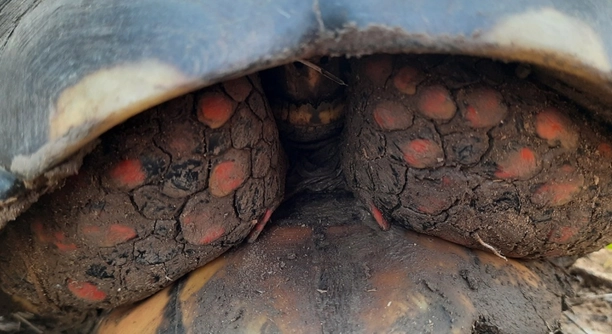
Red-footed tortoises are popular pets for reptile enthusiasts. To keep them healthy and happy, it’s important to feed them the right foods. However, not everything is safe for them to eat, and some foods can even harm them.
Certain foods can pose serious risks to your red-footed tortoise. Toxic foods like chocolate, processed meats, and certain fruits can cause digestive issues or even death. Understanding which foods are harmful is crucial for their well-being.
Feeding them the wrong foods can lead to health problems. Knowing the risks helps keep your red-footed tortoise safe and thriving.
Chocolate
Chocolate is extremely toxic to red-footed tortoises. It contains theobromine, a compound that can be deadly to reptiles, even in small amounts. The effects of chocolate poisoning can range from vomiting and diarrhea to heart problems and, in severe cases, death. Red-footed tortoises are unable to metabolize theobromine, making them highly vulnerable to its toxic effects.
Even a small bite of chocolate can have harmful consequences. It’s best to avoid feeding any kind of chocolate to your tortoise. Keep chocolate treats out of reach to ensure they stay safe.
If your tortoise accidentally consumes chocolate, it’s important to seek veterinary care immediately. Your vet will help manage any symptoms and prevent further damage. Early intervention can save your pet’s life. The best way to protect your tortoise is by staying informed and being cautious with their diet.
Processed Meats
Processed meats, such as deli meats, sausages, and hot dogs, should never be fed to your red-footed tortoise. These foods are high in salt and preservatives, which can lead to kidney damage and dehydration. Reptiles, especially tortoises, have very different dietary needs than humans, and their bodies are not equipped to handle processed foods.
Instead of processed meats, focus on offering your tortoise fresh vegetables, fruits, and safe protein sources like insects. These will provide the right nutrients to keep them healthy.
Avocado
Avocado contains persin, a toxin that is harmful to many animals, including red-footed tortoises. Even small amounts can cause serious issues like breathing problems, heart damage, and digestive distress. The leaves, skin, and pit of the avocado are especially dangerous.
If your tortoise accidentally eats avocado, it could experience severe symptoms, including lethargy, swelling, and vomiting. This can quickly become life-threatening if not addressed. If you suspect they’ve eaten any part of avocado, seek immediate veterinary help to avoid permanent damage. It’s better to be safe than sorry when it comes to food safety.
To keep your tortoise healthy, avoid feeding any parts of the avocado fruit. Stick to safe, tortoise-friendly fruits and vegetables that don’t carry such risks. Always make sure that their diet is free from toxic foods to ensure a long and healthy life.
Iceberg Lettuce
Iceberg lettuce provides very little nutritional value and can cause digestive problems for red-footed tortoises. It’s mostly water, and while it might seem refreshing, it doesn’t offer the essential vitamins and minerals your tortoise needs.
Feeding iceberg lettuce can lead to diarrhea and dehydration, which can seriously impact your tortoise’s health. A diet rich in dark, leafy greens such as collard greens, kale, and dandelion leaves is a much better choice. These provide the necessary nutrients without the risk of harmful effects. Be mindful of what you offer, and avoid iceberg lettuce completely.
Adding variety to your tortoise’s diet is key to their overall well-being. Mixing in a range of greens, along with safe fruits and vegetables, ensures they receive balanced nutrition. Make sure their diet supports their health and encourages proper digestion and hydration.
Rhubarb
Rhubarb contains oxalic acid, which is toxic to red-footed tortoises. Even small amounts of rhubarb can cause kidney damage, digestive problems, and potentially death. The leaves are especially harmful, but the stalks can also be dangerous.
It’s essential to avoid giving your tortoise any part of rhubarb. This simple precaution helps prevent serious health issues. If your tortoise consumes rhubarb, contact a vet immediately for guidance and treatment.
Keeping harmful plants out of your tortoise’s enclosure will protect their health. Stick to safe, edible plants and vegetables that won’t pose a risk to your pet.
Dairy Products
Dairy products, such as cheese and milk, should never be given to red-footed tortoises. Tortoises cannot digest dairy properly, and it can lead to gastrointestinal issues like diarrhea and bloating. These foods can upset their stomach and make them very sick.
Tortoises’ digestive systems aren’t designed to handle animal-based products like dairy. Offering them a diet based on vegetables, fruits, and safe protein will support their overall health. When in doubt, always check if the food is suitable for tortoises before offering it.
Canned Vegetables
Canned vegetables often contain preservatives, high salt levels, and added sugars that can harm a red-footed tortoise’s health. These processed foods offer little nutritional value and can lead to dehydration or kidney problems.
Always feed your tortoise fresh, raw vegetables to ensure they get the proper nutrients. Avoid any canned options, as the added chemicals can disrupt their delicate system. Fresh is always best when it comes to feeding tortoises.
FAQ
Can red-footed tortoises eat fruit?
Yes, red-footed tortoises can eat fruit, but it should be given in moderation. Fruits like papaya, mango, strawberries, and bananas are safe, but due to their high sugar content, they should only make up a small portion of their diet. Offering too much fruit can lead to obesity or digestive problems. It’s best to provide fruits as a treat rather than a regular part of their daily food intake.
What vegetables are safe for red-footed tortoises?
Red-footed tortoises enjoy a variety of leafy greens and vegetables. Safe options include collard greens, dandelion leaves, mustard greens, and kale. You can also offer vegetables like carrots, squash, and bell peppers. These provide essential nutrients such as fiber, vitamins, and minerals. Avoid feeding them too much high-oxalate veggies like spinach, as this can interfere with calcium absorption.
How often should I feed my red-footed tortoise?
Red-footed tortoises should be fed every day, especially when they are young and growing. Adult tortoises can be fed every other day. Offer a variety of greens, fruits, and vegetables daily to keep them healthy. Make sure their food is fresh, clean, and appropriately sized for their age and size.
Is it okay to feed my tortoise insects or protein?
Yes, red-footed tortoises can eat insects like crickets, mealworms, and other small invertebrates. This should be done in moderation, especially if they are still growing. Protein should only be a small portion of their diet, with the majority consisting of plant matter. Too much protein can cause kidney issues in tortoises.
Can I feed my tortoise eggs?
Red-footed tortoises can eat eggs, but they should only be given occasionally. Eggs are a good source of protein, but they are also high in fat. Too many eggs can lead to obesity or health issues. Boiled eggs are the best option, and they should be offered in small amounts.
What is the best way to hydrate my red-footed tortoise?
Red-footed tortoises get most of their hydration from their food, especially fruits and vegetables with high water content. You can also offer them a shallow dish of water for soaking, as they may drink from it. Ensure the water is clean and changed regularly. If your tortoise isn’t drinking, you can gently soak it in lukewarm water to encourage hydration.
Should I feed my tortoise lettuce?
While tortoises can eat lettuce, it’s important to avoid iceberg lettuce. It has very little nutritional value and can lead to digestive issues. Instead, offer darker, leafy lettuces like romaine or leaf lettuce, which are higher in fiber and nutrients. Keep in mind, lettuce should not be the main food offered.
What should I do if my tortoise refuses to eat?
If your tortoise stops eating, it may be due to stress, environmental changes, or an underlying health issue. Make sure their habitat is at the correct temperature and humidity. Check for signs of illness and consider consulting a vet if the loss of appetite persists for more than a few days.
Can my red-footed tortoise eat flowers?
Yes, some flowers are safe for red-footed tortoises. Safe options include hibiscus, dandelions, and pansies. However, be cautious and ensure that the flowers are not sprayed with pesticides or chemicals. Always research which flowers are safe before offering them to your tortoise.
How can I provide calcium to my red-footed tortoise?
Calcium is essential for a red-footed tortoise’s shell and bone health. You can provide calcium by offering cuttlebone or a calcium supplement powder. Sprinkle the powder on their food, especially if they are not getting enough calcium through their diet. Vitamin D3 is also necessary for calcium absorption, so make sure your tortoise gets enough natural sunlight or UVB light.
Can I feed my tortoise human food?
It’s best to avoid feeding red-footed tortoises human food, especially processed or salty items. Foods like bread, pasta, and chips are not suitable for them. Stick to foods that are specifically safe for tortoises, such as fresh vegetables, fruits, and safe protein sources.
How do I know if my tortoise is overweight?
If your tortoise seems sluggish, has trouble moving, or has an unusually large belly, it might be overweight. Overweight tortoises can suffer from health problems, such as respiratory issues or joint pain. Make sure to adjust their diet and exercise routine if you notice these signs. Regular checkups with a vet can help monitor their weight and overall health.
Can I feed my tortoise fish or meat?
While red-footed tortoises are mostly herbivores, they can consume small amounts of fish or meat on occasion. However, this should be very limited, as a diet high in animal protein can lead to kidney issues. Offer meat or fish only as a rare treat and focus on plant-based foods for most of their diet.
Final Thoughts
Feeding your red-footed tortoise the right foods is essential for its health and longevity. While they are relatively easy to care for, it’s important to understand their dietary needs to avoid harmful foods. By sticking to a balanced diet of leafy greens, fruits, vegetables, and safe protein sources, you can ensure your tortoise thrives. Providing fresh and nutritious food helps maintain a healthy shell, good digestion, and overall well-being. It’s important to always research what’s safe for them and avoid common household foods that can cause harm.
Many pet owners might not realize how certain foods can negatively affect a tortoise’s health. Foods like chocolate, avocado, iceberg lettuce, and processed meats may seem harmless, but they can cause serious health problems. Tortoises are sensitive creatures, and their digestive systems are quite different from ours. Offering them a varied diet of natural, unprocessed foods is the best way to keep them healthy. It’s also helpful to watch for any changes in their eating habits, as this can indicate underlying health concerns.
In the end, keeping a red-footed tortoise healthy isn’t just about what they eat—it’s also about creating a proper living environment. Along with a nutritious diet, ensure your tortoise has access to proper lighting, humidity, and a suitable habitat to support its overall health. By providing the right food, monitoring their condition, and seeking professional care when needed, you can enjoy a happy, healthy tortoise for many years to come.

Hello,
If you enjoy the content that we create, please consider saying a "Thank You!" by leaving a tip.
Every little bit helps us continue crafting quality advice that supports the health, happiness, and well-being of pets around the world, for pets of all shapes, sizes, and species.
We really appreciate the kindness and support that you show us!