
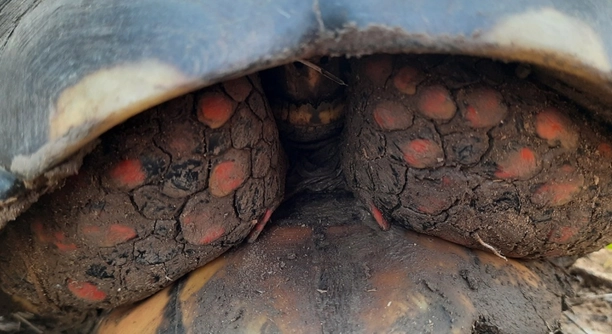
It can be concerning when your red-footed tortoise avoids its food dish. As a pet owner, it’s important to figure out why and address the issue quickly to maintain your tortoise’s health and well-being.
There are several potential reasons for a red-footed tortoise to avoid its food dish, such as stress, an inappropriate environment, illness, or food preference. It’s crucial to observe your tortoise closely and rule out any underlying issues.
Understanding why your tortoise isn’t eating can help you improve its care. Identifying the cause can lead to better health outcomes and a happier tortoise.
Stress and Environmental Factors
Stress can play a big role in your red-footed tortoise’s eating habits. Tortoises are sensitive creatures, and changes in their environment can cause them to lose interest in food. For example, loud noises, sudden temperature changes, or even new animals in the vicinity can affect their behavior.
Environmental stressors can also come from improper habitat conditions. Your tortoise’s enclosure needs to have the right balance of temperature, humidity, and lighting to keep them comfortable. If their enclosure isn’t set up correctly, it could lead to a lack of appetite or changes in behavior.
The best way to address this is by ensuring your tortoise’s enclosure is stable. Check that the temperature is within the recommended range, and make sure they have proper hiding spots and basking areas. If you’ve recently moved your tortoise to a new location, give them time to adjust. A calm, safe space will help them feel more at ease and encourage better eating habits.
Illness or Injury
If stress isn’t the issue, an illness or injury could be the reason your tortoise is avoiding food. Just like other animals, tortoises can suffer from infections, parasites, or other health problems that affect their appetite. Sometimes, they may not show clear signs of illness, making it tricky to identify.
A few common signs of illness in tortoises include lethargy, swelling, or nasal discharge. If you notice any unusual behavior, it’s best to consult a veterinarian. A professional will be able to examine your tortoise and determine if there’s a medical issue that’s preventing them from eating.
While waiting for a vet appointment, try to keep your tortoise in a stress-free environment. Provide easy access to clean water and a variety of foods in case they start eating again. It’s important to monitor their health and act quickly if you notice anything concerning. Getting them the right care will help them recover and regain their appetite.
Food Preferences
Sometimes, your red-footed tortoise may avoid their food dish simply because they’re not fond of what’s offered. Tortoises can be picky eaters, and if they’re not interested in a particular food, they might ignore it altogether. Offering a variety of food options is key.
Try offering different types of greens, fruits, and vegetables to see what they prefer. Red-footed tortoises generally enjoy leafy greens like collard greens, dandelion greens, and mustard greens. You can also provide fruits like papaya, mango, or berries. If they’re still not eating, consider changing up the texture or presentation of their food.
If you notice that your tortoise avoids certain foods more often than others, take note of this for future feeding. Adjusting their diet to what they prefer may help ensure they get the nutrients they need without stressing them out. This can also encourage healthy eating habits and prevent future food refusals.
Temperature and Lighting
The temperature and lighting of your tortoise’s enclosure can greatly affect their appetite. Red-footed tortoises require a specific range of temperatures to be comfortable. If their environment is too cold or too hot, it may lead them to avoid food.
Ensure that your tortoise’s basking area is between 90-95°F, and the cooler side of the enclosure should be around 75°F. A temperature drop below 70°F can cause your tortoise to become sluggish and lose interest in food. Along with proper heating, your tortoise needs a UVB light to help with digestion and overall health. Without the proper lighting, they may feel lethargic and avoid eating.
Keep a thermometer in the enclosure to monitor the temperatures regularly. Make sure the UVB light is on for 10-12 hours a day, simulating natural sunlight. A stable and well-lit environment will encourage your tortoise to eat and stay healthy.
Overfeeding
Overfeeding your tortoise can sometimes cause them to avoid their food dish. If they are consistently offered food, they may eat less or refuse to eat altogether. It’s important to follow a proper feeding schedule to avoid excess food buildup.
Tortoises thrive on a balanced diet, but too much food can lead to digestive issues. This can cause them to feel lethargic and lose their appetite. Pay attention to how much food your tortoise eats and adjust accordingly.
Offer food in reasonable portions and monitor their intake. Regularly check their weight to ensure they are not overfed and that their diet is balanced. This will help keep them healthy and eating well.
Hygiene and Cleanliness
The cleanliness of your tortoise’s enclosure is important for their eating habits. If their food dish is dirty or contaminated, they may refuse to eat out of instinct. Regularly clean the enclosure and food dish to ensure that your tortoise feels comfortable eating.
Make sure the food dish is washed after each feeding and that uneaten food is removed to avoid contamination. Keeping the water fresh is equally important, as dirty water can also discourage your tortoise from eating. A clean environment helps to reduce stress and encourages healthy eating habits.
Time of Feeding
The time of day you feed your red-footed tortoise can also impact their appetite. Tortoises are more likely to eat when they feel most active, which is typically during the warmer parts of the day. Make sure to offer food when they are likely to be active and alert.
Observe your tortoise’s daily routine and try feeding them during the times they seem most interested in exploring or basking. Keeping to a consistent feeding schedule also helps train them to expect food at specific times, which can improve their eating behavior.
FAQ
Why is my red-footed tortoise not eating?
There could be several reasons why your red-footed tortoise is not eating. Stress, illness, or improper environmental conditions such as temperature or lighting can make them lose interest in food. Additionally, they may be avoiding food because they’re not fond of what’s being offered or they might be overfed. Check their enclosure’s temperature, lighting, and cleanliness, and consider offering a variety of food to find out what they prefer. If the problem persists, it’s best to consult a vet to rule out any health concerns.
How can I tell if my tortoise is sick?
Sick tortoises may display a range of symptoms, including lethargy, swelling, nasal discharge, or difficulty breathing. You might also notice changes in their eating habits, like a total loss of appetite. If your tortoise is acting unusually slow or seems disoriented, it could indicate a health problem. Other signs include abnormal stool, shell discoloration, or irregular behavior. If you notice these symptoms, it’s important to seek veterinary help immediately to diagnose and treat the condition.
Can my tortoise be picky about food?
Yes, red-footed tortoises can be quite selective when it comes to their food. They may refuse certain vegetables or fruits, especially if they are not fresh or if they don’t like the texture. Some tortoises may also have specific preferences for certain types of food, such as leafy greens over fruits. If your tortoise is not eating, try offering different types of food, such as dandelion greens, papaya, or mango, to see if they have a preference.
How often should I feed my red-footed tortoise?
Red-footed tortoises should be fed every day, but the amount depends on their age and size. Baby tortoises may require more frequent feedings than adults, but generally, an adult red-footed tortoise can be fed once a day. Be mindful of the portion size to avoid overfeeding. Offer fresh vegetables, fruits, and occasional protein sources in appropriate portions. Make sure not to leave food in the enclosure for more than a few hours to prevent spoilage and encourage your tortoise to eat when the food is fresh.
Can I leave my tortoise’s food out overnight?
It’s not recommended to leave food in your tortoise’s enclosure overnight, as it can spoil and attract pests. Tortoises should be offered fresh food daily, but any uneaten food should be removed after a few hours to maintain a clean environment. This helps to prevent any food from going bad and keeps the enclosure hygienic. If your tortoise is refusing food during the day, removing leftovers will also help to monitor whether they’re eating enough.
What is the ideal temperature for my tortoise’s enclosure?
For a red-footed tortoise, the ideal temperature range for their basking spot should be between 90-95°F, while the cooler side of the enclosure should be around 75°F. If the temperature is too low, they may become sluggish and avoid eating. Ensure that your tortoise has access to both a warm basking area and a cooler retreat space so they can regulate their body temperature properly. Use a thermometer to monitor the temperature to make sure it stays within the recommended range.
Can my tortoise eat fruit every day?
While red-footed tortoises enjoy fruits, they should not have them every day as part of their diet. Fruits are high in sugar, and feeding them too often can lead to obesity and digestive problems. Fruits should be given as an occasional treat, not a daily staple. Offering fruits like papaya, mango, and berries once or twice a week is ideal. The majority of their diet should consist of leafy greens, flowers, and some vegetables to maintain a balanced and healthy diet.
What should I do if my tortoise refuses to eat for a long time?
If your tortoise refuses food for more than a few days, it’s important to assess their environment and health. Check the temperature, lighting, and humidity levels in their enclosure. If everything seems fine and they are still not eating, consider offering a variety of foods or changing their feeding schedule. If the lack of appetite persists, it could be a sign of illness, and you should take your tortoise to the vet for an evaluation. A thorough checkup will help identify any underlying health issues.
Can a tortoise overeat?
Yes, tortoises can overeat, especially if you offer them food too frequently. Overfeeding can lead to obesity and cause digestive problems. Red-footed tortoises have slow metabolisms, so they don’t need large portions of food every day. Make sure to offer a balanced diet and avoid excessive portions. Additionally, try not to leave food in their enclosure for extended periods of time. Regularly monitor their weight to ensure they are maintaining a healthy size.
Is it normal for a tortoise to eat less during winter?
Yes, it’s normal for some tortoises, including red-footed tortoises, to eat less during cooler months. This is because they are less active during the winter and may not require as much food. However, they should still be offered food daily, even if they’re eating less. Keep the enclosure warm enough to prevent your tortoise from becoming too cold, as temperature drops can further reduce their appetite. During this time, they may also go through a period of reduced activity, so adjusting their feeding schedule may be necessary.
Final Thoughts
Understanding why your red-footed tortoise is avoiding its food dish can take some time and patience. There are a variety of factors that can affect their appetite, from environmental stress to food preferences. By closely monitoring their behavior and making sure their habitat is set up correctly, you can help ensure that your tortoise is in the best possible condition to eat. Regularly check their enclosure’s temperature, lighting, and cleanliness. These adjustments may be all that’s needed to get your tortoise eating again. Sometimes, offering a variety of foods and making sure you’re feeding them at the right times can help as well.
If the issue persists despite addressing the environmental factors, it’s essential to consider health concerns. Tortoises can sometimes refuse food due to illness or injury, which may not be immediately obvious. If your tortoise is not eating for more than a few days, showing signs of illness, or behaving unusually, consulting with a vet is the best course of action. A professional evaluation will help identify any potential health issues and ensure that your tortoise receives the proper treatment.
Lastly, remember that every tortoise is different, and it may take some trial and error to figure out what works best for yours. Keep a consistent feeding schedule, offer a variety of foods, and be mindful of the overall conditions of their environment. With time, patience, and proper care, your red-footed tortoise should return to its healthy, happy self. Whether it’s adjusting their diet, improving their habitat, or addressing any health concerns, the key is to stay observant and proactive.

Hello,
If you enjoy the content that we create, please consider saying a "Thank You!" by leaving a tip.
Every little bit helps us continue crafting quality advice that supports the health, happiness, and well-being of pets around the world, for pets of all shapes, sizes, and species.
We really appreciate the kindness and support that you show us!