
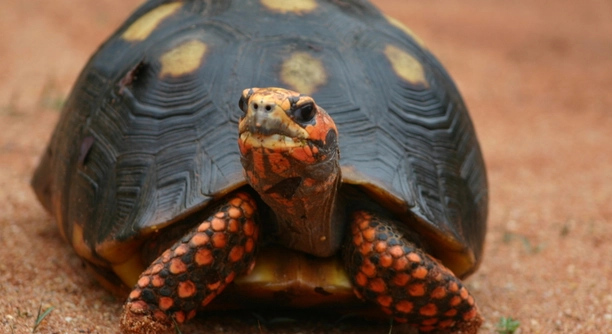
Red-footed tortoises are popular pets due to their calm nature and unique appearance. If you own one, you might wonder what fruits are safe to feed them. One fruit often considered is mulberries.
Red-footed tortoises can safely eat mulberries in moderation. The fruit is non-toxic and provides nutrients that are beneficial for your tortoise’s diet. However, too much can lead to digestive issues, so it’s important to offer them occasionally.
Understanding the right amount of mulberries to offer your tortoise will help keep them healthy. Keep reading for more information on how to properly include this fruit in their diet.
Nutritional Value of Mulberries for Red-Footed Tortoises
Mulberries are rich in vitamins and minerals that can benefit your red-footed tortoise. They are an excellent source of vitamin C, which supports a strong immune system. Mulberries also contain fiber, which helps with digestion, and antioxidants that can protect cells from damage. Additionally, they are low in fat, making them a healthy treat for tortoises. Offering your tortoise a small portion of mulberries occasionally can contribute to their overall health without causing harm.
However, even though mulberries have beneficial properties, it’s important to keep in mind that they should not be the main part of your tortoise’s diet. A varied diet with other fruits, vegetables, and leafy greens is crucial for meeting all of their nutritional needs. Too much of any one type of food, including mulberries, can disrupt their digestive balance.
To ensure your tortoise is getting the right nutrition, combine mulberries with other safe fruits and vegetables. It’s important to remember that treats like mulberries should be given in moderation to maintain a healthy diet.
How to Serve Mulberries to Your Tortoise
When offering mulberries, always make sure they are clean and free from pesticides or chemicals. Gently rinse them under water before serving. It’s also essential to remove any stems or leaves from the berries, as they may not be safe for your tortoise to consume.
You can offer mulberries fresh or frozen. If using frozen mulberries, make sure they are fully thawed before feeding them to your tortoise. While mulberries are a healthy option, they should still be given in small amounts to avoid digestive issues.
Risks of Overfeeding Mulberries
Mulberries are a healthy treat for red-footed tortoises, but feeding them too often can cause problems. They are high in natural sugars, which can lead to weight gain and potential digestive issues. Overfeeding can also affect their ability to absorb other essential nutrients.
When you give your tortoise too many mulberries, their digestive system may struggle to process the excess sugar and fiber. This could lead to diarrhea or bloating, which are both uncomfortable for your pet. It’s important to remember that mulberries should only be offered in moderation to avoid these issues.
To keep things balanced, limit mulberries to a small portion a few times a week. Pair them with other fruits and vegetables for a well-rounded diet. This way, your tortoise will enjoy variety while maintaining a healthy digestion system.
Signs Your Tortoise May Have Eaten Too Many Mulberries
If you notice your tortoise becoming lethargic or having loose stools, they may have eaten too many mulberries. These are signs that their digestive system is reacting to an excess of sugar or fiber. In more severe cases, your tortoise might even lose their appetite.
If this happens, it’s important to stop feeding mulberries for a while and allow their system to reset. Offer them bland foods like leafy greens to help with digestion. If the symptoms persist, consulting a vet is always the best option to ensure there are no underlying health issues.
Other Fruits to Offer Your Red-Footed Tortoise
While mulberries can be a tasty treat, it’s important to provide a variety of fruits to ensure balanced nutrition. Safe fruits for red-footed tortoises include strawberries, papayas, and mangoes. These fruits offer vitamins and minerals that support your tortoise’s health.
Mixing up fruits helps keep your tortoise engaged and excited about their diet. The variety also ensures that they get a wide range of nutrients. Always remember to serve fruits in moderation and avoid anything too high in sugar, like grapes, which should be fed sparingly.
Vegetables Your Red-Footed Tortoise Will Enjoy
In addition to fruits, tortoises benefit from a diet rich in vegetables. Leafy greens like dandelion greens, collard greens, and mustard greens are excellent choices. These vegetables provide essential fiber, vitamins, and calcium for strong bones and overall health.
Offering a mix of vegetables alongside fruits ensures your tortoise is getting a well-rounded diet. Vegetables should make up the majority of their food, with fruits like mulberries acting as occasional treats. This balance will help keep them in top shape.
The Importance of Hydration
Your red-footed tortoise needs fresh water every day. Dehydration can cause health problems like kidney issues and a weakened immune system. Always ensure a shallow dish of clean water is available for your tortoise to drink from.
FAQ
Can red-footed tortoises eat mulberries every day?
No, mulberries should not be fed to your red-footed tortoise every day. They contain natural sugars that can lead to digestive issues and weight gain if consumed too frequently. Offering mulberries a few times a week in small amounts is a safe approach. It’s important to ensure a balanced diet that includes a variety of fruits, vegetables, and leafy greens. Overfeeding sugary fruits like mulberries can upset your tortoise’s digestive system and cause long-term health problems.
What other fruits can I feed my red-footed tortoise?
In addition to mulberries, red-footed tortoises enjoy a range of fruits. Safe options include papaya, mango, strawberries, bananas, and apples. Always remove any seeds or pits from fruits like apples and cherries, as they can be harmful. Keep in mind that fruits should only be given in moderation to avoid sugar overload. Variety is key to providing a well-rounded diet, so rotate between different fruits to ensure your tortoise gets the most nutrients possible.
Are mulberries safe for baby red-footed tortoises?
Mulberries are generally safe for baby red-footed tortoises in moderation. However, because young tortoises have more sensitive digestive systems, it’s even more important to limit sugary fruits like mulberries. Offering them as an occasional treat and ensuring their diet is primarily composed of leafy greens and vegetables is essential for healthy growth. If you’re introducing new fruits like mulberries to a baby tortoise, do so gradually to monitor their reaction.
How much mulberry should I feed my red-footed tortoise?
It’s best to feed mulberries in small portions. For an adult red-footed tortoise, offering about 1-2 berries per serving is a safe amount. If you’re feeding a baby or juvenile tortoise, you can offer even less. The goal is to provide a treat, not a staple, and ensure that most of their diet consists of vegetables and leafy greens. Always observe how your tortoise reacts to new foods and adjust portions if necessary.
Can mulberries cause diarrhea in tortoises?
Yes, mulberries can cause diarrhea in tortoises if fed in excess. The high sugar content in mulberries can upset your tortoise’s digestive system, especially if they are not accustomed to sugary fruits. If you notice your tortoise developing loose stools after eating mulberries, it’s a sign that they are being overfed or have a sensitive stomach. Reduce the amount of mulberries and ensure they are eating a more balanced diet with plenty of fiber from vegetables.
Can red-footed tortoises eat frozen mulberries?
Yes, red-footed tortoises can eat frozen mulberries as long as they are thawed before feeding. Freezing the berries doesn’t remove the nutrients, so they are still beneficial. However, make sure the mulberries are not too cold when serving them to avoid upsetting your tortoise’s stomach. Always ensure that any frozen berries are pesticide-free and clean before feeding them to your tortoise.
How can I tell if my red-footed tortoise likes mulberries?
You can tell if your red-footed tortoise likes mulberries by observing their behavior when presented with the fruit. Tortoises are usually slow to approach new foods, but if they are interested, they will begin nibbling on the mulberries. If they ignore the fruit, try offering it again at a later time or try a different fruit. Tortoises can have their own preferences, and it’s important to offer a variety of foods to find what they enjoy the most.
Is it safe to feed red-footed tortoises mulberries from my garden?
It is safe to feed mulberries from your garden to your red-footed tortoise as long as you are certain that no pesticides, chemicals, or fertilizers have been used on the plants. Mulberries from your garden can be a healthy, natural treat, but always wash them thoroughly before offering them to your tortoise. If you’re unsure about the safety of your garden’s mulberries, it’s better to buy organic ones from a trusted source to avoid any risk of harmful chemicals.
What should I do if my red-footed tortoise doesn’t want to eat mulberries?
If your red-footed tortoise refuses to eat mulberries, don’t be too concerned. Tortoises can be picky eaters, and some may not care for certain fruits. You can try offering mulberries in different ways, such as mixing them with other fruits or vegetables, or try offering them again at a later time. If your tortoise consistently refuses mulberries, focus on other fruits and vegetables that they enjoy and that are safe for them.
Are mulberries high in calcium for tortoises?
Mulberries are not particularly high in calcium, which is an essential nutrient for red-footed tortoises. While they offer vitamin C, antioxidants, and fiber, they do not provide the levels of calcium needed for strong bones and overall health. To meet your tortoise’s calcium needs, focus on offering dark leafy greens like collard greens, dandelion greens, and mustard greens, as well as calcium supplements if necessary.
How can I incorporate mulberries into my tortoise’s diet?
To incorporate mulberries into your red-footed tortoise’s diet, serve them as a treat alongside their regular meals. You can mix mulberries with other fruits or even vegetables to add variety. Make sure to limit the quantity to avoid overfeeding, and ensure that most of their food is nutrient-rich, like leafy greens and vegetables. Feeding mulberries as an occasional treat will allow your tortoise to enjoy the fruit without compromising their health.
Final Thoughts
Red-footed tortoises can safely eat mulberries, but it’s important to feed them in moderation. These fruits offer several benefits, such as vitamin C and fiber, which can support your tortoise’s immune system and digestion. However, because mulberries are high in natural sugars, feeding them too often could cause digestive issues or weight gain. It’s always best to offer mulberries as an occasional treat, not as a regular part of their diet. By keeping treats like mulberries limited, you ensure that your tortoise maintains a healthy balance.
A healthy diet for your red-footed tortoise should focus primarily on vegetables and leafy greens. While fruits like mulberries can be a tasty and nutritious addition, they should only make up a small portion of their overall intake. Offering a variety of fruits, vegetables, and even some flowers can help meet all of your tortoise’s nutritional needs. This variety will ensure your pet gets the vitamins, minerals, and fiber necessary for long-term health. In addition, regular access to fresh water is crucial for keeping your tortoise hydrated and healthy.
Finally, always be mindful of how your tortoise responds to different foods. Each tortoise is unique, and some may have sensitivities to certain fruits or vegetables. If you notice any signs of discomfort, such as diarrhea or a loss of appetite, it’s important to adjust their diet accordingly. In general, a mix of safe fruits, vegetables, and leafy greens will help keep your red-footed tortoise happy and healthy. Providing treats like mulberries every once in a while is perfectly fine, as long as you balance it with other nutritious options.

Hello,
If you enjoy the content that we create, please consider saying a "Thank You!" by leaving a tip.
Every little bit helps us continue crafting quality advice that supports the health, happiness, and well-being of pets around the world, for pets of all shapes, sizes, and species.
We really appreciate the kindness and support that you show us!