
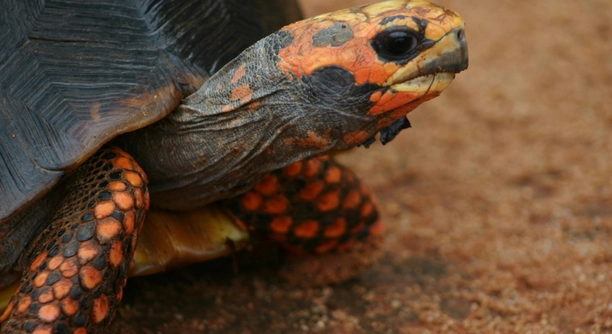
Is your red-footed tortoise sneezing more than usual, leaving you concerned about its health? Sneezing in tortoises can be a sign of environmental issues, dietary imbalances, or underlying respiratory infections that need attention.
The most common reason your red-footed tortoise is sneezing is due to low humidity or dusty substrate. Tortoises need a stable environment with proper moisture levels to prevent irritation in their respiratory system and reduce the risk of infection.
Understanding these causes will help you create a healthier habitat for your tortoise. Simple changes to its care routine can make a big difference in its overall well-being.
Adjust the Humidity Levels
Red-footed tortoises need a humid environment to stay healthy. If the air is too dry, their respiratory system can become irritated, leading to sneezing. The ideal humidity level for them is between 70% and 80%. Using a hygrometer will help you monitor the humidity in their enclosure. Misting the habitat with water daily or adding a humid hide filled with damp sphagnum moss can help maintain proper moisture levels. If your tortoise’s enclosure has a screen top, consider covering part of it to trap humidity. Proper humidity also supports healthy shell growth and prevents dehydration.
Keeping the enclosure at the right humidity level can make a noticeable difference in your tortoise’s health. Low humidity not only causes sneezing but can also lead to other respiratory issues over time.
Make small adjustments and observe your tortoise’s behavior. If sneezing decreases, you’ll know you’re providing the right environment. Keeping humidity stable will keep your tortoise comfortable.
Change the Substrate
Some types of bedding can create dust that irritates your tortoise’s respiratory system. Sand, dry soil, or wood shavings may release fine particles that cause sneezing. Switching to a moisture-retaining substrate can help reduce irritation.
Coconut coir, cypress mulch, and organic topsoil are great options. These substrates hold moisture well without becoming too damp. When choosing a substrate, avoid anything with added chemicals or strong scents, as these can also cause respiratory issues. Mixing different types of substrate can create a balanced environment that holds humidity while remaining soft and comfortable for your tortoise. Spot-clean the substrate daily to remove waste and replace it entirely every few weeks to maintain cleanliness.
A good substrate choice helps prevent sneezing while making the enclosure feel more natural. Keeping the habitat clean and free of excessive dust will support your tortoise’s overall health.
Keep the Enclosure Clean
A dirty enclosure can lead to bacteria and mold buildup, which may cause sneezing. Food scraps, waste, and damp substrate create an unhealthy environment. Regular cleaning helps prevent respiratory issues and keeps your tortoise comfortable in its habitat.
Spot-clean the enclosure daily by removing uneaten food and waste. Replace soiled substrate as needed to prevent bacteria from spreading. Every few weeks, do a deep clean by replacing all substrate, scrubbing surfaces with a reptile-safe disinfectant, and rinsing everything thoroughly. Pay attention to water dishes, as standing water can harbor bacteria. Keeping everything clean reduces airborne irritants that may cause sneezing.
Poor air circulation can also contribute to respiratory problems. If the enclosure has limited airflow, adding small vents or adjusting the lid can help. Ensuring fresh air circulates properly will reduce dust buildup and help your tortoise breathe easily.
Check for Respiratory Infections
Frequent sneezing, along with wheezing or mucus around the nose, may indicate a respiratory infection. These infections can develop if the enclosure is too cold or if humidity levels fluctuate too much. A tortoise with a respiratory infection may also become lethargic or lose interest in food.
If you suspect an infection, increasing the enclosure temperature slightly can help. Warmer temperatures support the immune system and help your tortoise fight off minor issues. However, if symptoms persist, a vet visit is necessary. A veterinarian can determine if antibiotics are needed. Delaying treatment can lead to serious health problems, so it’s best to act quickly.
Preventing respiratory infections starts with proper care. Keeping the enclosure clean, maintaining stable humidity, and providing a warm basking spot will reduce the risk. A healthy environment helps keep your tortoise strong and less likely to develop respiratory issues.
Avoid Strong Scents
Air fresheners, cleaning products, and scented candles can irritate your tortoise’s respiratory system. Chemical fumes linger in the air and may cause sneezing. Keeping the enclosure in a well-ventilated area away from strong odors will help prevent unnecessary irritation.
If you clean near the enclosure, use unscented or reptile-safe products. Even certain perfumes or laundry detergents can be overwhelming for a tortoise. Reducing exposure to strong scents will create a safer and more comfortable environment for your pet.
Provide a Balanced Diet
A poor diet can weaken your tortoise’s immune system, making it more prone to sneezing and respiratory issues. Feeding a variety of leafy greens, vegetables, and occasional fruits will provide essential nutrients. Calcium and vitamin supplements also support overall health. A well-fed tortoise is more resistant to infections and environmental stress.
Adjust Temperature Levels
Cold temperatures can stress a tortoise and lead to respiratory problems. Ensure the basking area stays around 90°F while the cooler side remains between 75°F and 80°F. Using a reliable thermometer will help maintain proper temperature levels and keep your tortoise healthy.
FAQ
What should I do if my red-footed tortoise keeps sneezing?
If your tortoise is sneezing frequently, check the humidity levels in its enclosure. Low humidity or dry conditions can cause respiratory irritation. Make sure the humidity is between 70% and 80%, and mist the enclosure regularly to maintain moisture. If sneezing persists despite proper humidity, consider cleaning the enclosure and removing any dust.
How can I tell if my tortoise has a respiratory infection?
Signs of a respiratory infection include sneezing with mucus, wheezing, or labored breathing. Your tortoise may also appear lethargic, stop eating, or have swollen eyes. If these symptoms continue, it’s important to consult a vet for proper diagnosis and treatment.
Can I use regular household cleaning products in the tortoise’s enclosure?
Avoid using scented or chemical-laden cleaning products in the tortoise’s habitat. These can irritate the respiratory system. Instead, use unscented, reptile-safe disinfectants to clean the enclosure. Always rinse surfaces thoroughly to remove any cleaning residue.
How do I prevent my tortoise from getting a cold?
To prevent cold-related respiratory issues, ensure the enclosure is warm enough. The basking area should be around 90°F, and the cooler side should stay between 75°F and 80°F. Avoid drafts and sudden temperature changes. A reliable thermometer can help maintain consistent temperatures.
Is it okay to use sand as substrate for my red-footed tortoise?
Sand can be too dusty and dry, which may irritate your tortoise’s respiratory system. It’s better to use a substrate that retains moisture, such as coconut coir or cypress mulch. These options create a more natural and comfortable environment for your tortoise while preventing dust buildup.
How often should I clean my tortoise’s enclosure?
You should spot-clean the enclosure daily to remove waste and uneaten food. Every few weeks, completely replace the substrate and thoroughly clean the enclosure using reptile-safe disinfectant. Regular cleaning prevents the buildup of bacteria and mold, which can lead to respiratory issues.
What is the ideal humidity level for a red-footed tortoise?
The ideal humidity for a red-footed tortoise is between 70% and 80%. Too low a humidity level can lead to respiratory issues and dehydration. Use a hygrometer to monitor the humidity and mist the enclosure regularly to maintain proper moisture.
Can I use a heat lamp to regulate my tortoise’s temperature?
Yes, a heat lamp is an effective way to provide warmth to your tortoise’s basking area. Ensure the lamp provides a temperature around 90°F, but avoid overheating the enclosure. Make sure the cooler side of the enclosure stays between 75°F and 80°F.
What are the best foods for a red-footed tortoise?
A balanced diet for a red-footed tortoise should include a variety of leafy greens such as collard greens, mustard greens, and dandelion leaves. You can also offer occasional fruits like papaya and bananas. Avoid feeding too many high-oxalate or high-phosphorus foods. Supplement with calcium and vitamin D3 as needed.
Can I use a dehumidifier in my tortoise’s enclosure?
It’s generally not recommended to use a dehumidifier in a tortoise’s enclosure, as it may lower the humidity too much. Instead, focus on increasing humidity by misting the enclosure or using a humid hide. If you use a dehumidifier, make sure to monitor humidity closely.
How do I know if my tortoise is stressed?
Signs of stress in tortoises include excessive hiding, lack of appetite, or abnormal behaviors like pacing or aggression. Stress can be caused by environmental factors like temperature fluctuations, low humidity, or an overcrowded enclosure. Address any issues and make sure the environment is stable and comfortable.
Can I bathe my tortoise to help with sneezing?
Bathing your tortoise can help with hydration and can sometimes clear out minor nasal congestion, but it’s not a long-term solution. It’s more important to address the underlying cause, like humidity or cleanliness in the enclosure. Use warm water for the bath and avoid submerging the tortoise completely.
Should I change my tortoise’s substrate often?
Yes, you should replace the substrate entirely every few weeks to maintain cleanliness and prevent bacterial buildup. Spot-clean the substrate daily to remove waste, and replace it when it starts to smell or looks soiled. A clean substrate helps maintain a healthy environment for your tortoise.
What type of water should I provide my tortoise?
Always provide clean, fresh water in a shallow dish that’s easy for your tortoise to access. Change the water daily to prevent bacteria buildup. If you’re using tap water, consider using a water conditioner to remove chlorine and other chemicals that could irritate your tortoise.
Can my tortoise sneeze because of food?
Certain foods may cause sneezing if they irritate your tortoise’s system. For example, feeding overly dry or too many high-oxalate vegetables can lead to irritation. Stick to fresh, hydrated greens and a balanced diet to reduce any food-related sneezing.
How long does it take for a tortoise to recover from a respiratory infection?
Recovery time depends on the severity of the infection and how quickly treatment is administered. With proper veterinary care, your tortoise should start showing improvement within a few weeks. However, severe infections can take longer to heal, and follow-up visits may be needed.
Is it safe for my tortoise to live with other animals?
While some tortoises can live with other reptiles, it’s generally not recommended to house them with animals that might stress them out. Keep your tortoise’s habitat calm and quiet to avoid stress-related health problems. If you do house them with others, monitor for signs of aggression or illness.
Final Thoughts
Caring for a red-footed tortoise requires attention to several key factors in its environment and health. A common concern for tortoise owners is when their pet starts sneezing. Sneezing can be a sign of several things, including environmental factors like humidity or dust, and sometimes it may point to respiratory issues. Ensuring the enclosure maintains the right temperature and humidity levels is essential for preventing such problems. Proper substrate, daily cleaning, and avoiding irritants like strong scents also help create a healthier space for your tortoise. If the sneezing continues, it’s important to consider other possible causes, like an infection, which would require a visit to the vet.
Creating a balanced environment is key to your tortoise’s overall well-being. This includes not just humidity and temperature but also making sure the tortoise has access to a varied diet that provides essential nutrients. If your tortoise’s diet lacks calcium, vitamins, or other nutrients, its immune system may weaken, making it more vulnerable to health issues, including sneezing and respiratory problems. Regularly providing the right foods and supplements ensures that your pet remains healthy and strong. It also helps your tortoise recover more quickly if it does get sick. While sneezing may seem like a minor concern at first, it’s important not to ignore it, as it can lead to more serious health problems if left unaddressed.
Ultimately, the key to preventing sneezing and other health issues in a red-footed tortoise is consistency. Keep the habitat clean, maintain proper temperature and humidity levels, and make sure your tortoise gets the right nutrition. Regular monitoring of its health and behavior can help catch problems early. If sneezing continues despite making environmental adjustments, it’s always best to seek professional help from a vet. Taking these steps will ensure your red-footed tortoise lives a long, healthy life.

Hello,
If you enjoy the content that we create, please consider saying a "Thank You!" by leaving a tip.
Every little bit helps us continue crafting quality advice that supports the health, happiness, and well-being of pets around the world, for pets of all shapes, sizes, and species.
We really appreciate the kindness and support that you show us!