
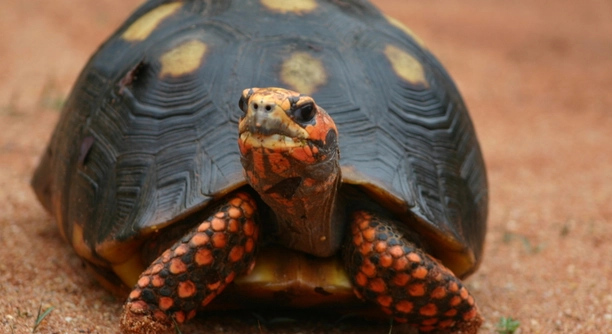
Are your red-footed tortoises interested in new foods, and you are wondering if pumpkin is a safe option for them? Pumpkin is a common fruit in many households, but its suitability for tortoises requires careful consideration before adding it to their diet.
Red-footed tortoises can eat pumpkin in moderation, as it provides fiber and essential nutrients. However, excessive consumption may cause digestive issues due to its high water content and natural sugars. Offering small portions occasionally ensures a balanced diet and prevents potential health concerns.
Understanding the benefits and risks of feeding pumpkin to red-footed tortoises is essential. A well-balanced diet supports their overall well-being and longevity, ensuring they receive proper nutrition while avoiding dietary imbalances.
Nutritional Benefits of Pumpkin for Red-Footed Tortoises
Pumpkin contains essential vitamins and minerals that can support a red-footed tortoise’s overall health. It is a good source of vitamin A, which promotes eye health and a strong immune system. The fiber in pumpkin aids digestion, helping to regulate bowel movements and prevent constipation. Additionally, pumpkin contains potassium, which supports muscle function and hydration. While it is not a staple food, offering small amounts occasionally can provide variety and additional nutrients. Ensuring a balanced diet with leafy greens and other vegetables remains essential to maintaining a tortoise’s well-being.
Feeding red-footed tortoises pumpkin in small portions allows them to enjoy its benefits without digestive issues. Too much pumpkin can lead to an imbalanced diet, so it is best to offer it as an occasional treat rather than a primary food source.
When introducing pumpkin, remove any seeds and offer it raw or cooked without added ingredients. A thinly sliced or mashed portion is easier for tortoises to eat. Observing their response can help determine if they enjoy it and tolerate it well. Including a variety of vegetables ensures they receive a wide range of nutrients, preventing dietary deficiencies and promoting long-term health.
Potential Risks of Feeding Pumpkin
Overfeeding pumpkin can cause digestive upset due to its high water content and natural sugars. Large amounts may lead to diarrhea, which can cause dehydration. Keeping portions small helps maintain digestive balance and prevents unnecessary health concerns.
Red-footed tortoises require a diverse diet, and relying too much on pumpkin can lead to nutritional imbalances. While it contains beneficial nutrients, it lacks the calcium necessary for shell and bone health. A diet high in sugary foods can also contribute to weight gain over time. It is important to prioritize nutrient-dense foods such as dark leafy greens, which provide the necessary vitamins and minerals for optimal health. Additionally, pumpkin should never replace their primary food sources. Moderation is key, as variety ensures they receive a well-rounded diet that supports growth and longevity.
Understanding the right way to feed pumpkin allows red-footed tortoises to enjoy it safely. Ensuring their diet remains balanced with appropriate vegetables, fruits, and protein sources will help them stay healthy. By offering pumpkin occasionally and monitoring their reaction, it becomes a beneficial addition without compromising their overall nutrition.
How to Feed Pumpkin to Red-Footed Tortoises
Pumpkin should always be fresh and free from additives. Remove the seeds and skin before serving, as they can be difficult to digest. Offering small, thin slices or mashed pumpkin makes it easier for tortoises to eat and digest without issues.
Raw pumpkin is the best option since it retains its natural nutrients. Cooking is acceptable, but avoid adding oils, salt, or spices. Serve it in moderation, mixing it with other vegetables to maintain a balanced diet. A small portion once or twice a month is enough to provide variety without overwhelming their system. Watching how they respond to pumpkin helps ensure it does not cause digestive problems.
Feeding red-footed tortoises should always be done with balance in mind. Alongside pumpkin, they need a diet rich in leafy greens, vegetables, and calcium sources. Providing occasional fruits and monitoring their health ensures they get proper nutrition. Variety keeps them engaged and prevents them from becoming overly dependent on a single food. Consistency in feeding schedules and portion control prevents overfeeding while supporting their well-being.
Alternative Foods for a Balanced Diet
Leafy greens like collard greens, mustard greens, and dandelion leaves provide essential nutrients while supporting overall health. These should make up the majority of a red-footed tortoise’s diet, ensuring they get enough fiber and calcium. Mixing in different greens keeps meals nutritious and interesting.
Vegetables such as squash, bell peppers, and carrots offer additional vitamins and minerals. Small amounts of fruits like papaya and mango can be given occasionally, but they should not be a daily part of their diet due to high sugar content. Protein sources like earthworms and snails are beneficial for younger tortoises, helping them develop strong muscles and shells. Offering a mix of these foods ensures a well-rounded diet that meets their needs.
A varied diet is key to maintaining a healthy tortoise. Rotating vegetables, greens, and protein sources prevents nutrient deficiencies and keeps them engaged with their food. Sticking to a balanced feeding routine helps them thrive and prevents unnecessary health issues related to improper nutrition.
How Often to Feed Pumpkin
Pumpkin should only be given occasionally to prevent dietary imbalances. Feeding a small portion once or twice a month is enough to provide benefits without disrupting their nutrition. Overfeeding can lead to digestive issues, so moderation is essential when including it in their diet.
Monitoring how a tortoise reacts to pumpkin helps determine if it suits their digestive system. Some may tolerate it well, while others may experience mild discomfort. If any digestive issues arise, reducing or eliminating pumpkin from their diet ensures their health remains stable and free from unnecessary complications.
Signs of Overfeeding Pumpkin
Too much pumpkin can cause diarrhea due to its water content and natural sugars. Loose stool, dehydration, or lethargy are signs that a tortoise may be consuming too much. Adjusting portion sizes and frequency can help maintain a balanced diet without causing unnecessary digestive discomfort.
Final Thoughts
Offering pumpkin as an occasional treat adds variety to a red-footed tortoise’s diet. Keeping portions small and ensuring a well-rounded meal plan with leafy greens and vegetables supports their long-term health. Paying attention to their response to different foods helps create a nutritious and enjoyable diet.
FAQ
Can I feed pumpkin seeds to my red-footed tortoise?
Pumpkin seeds should be avoided when feeding red-footed tortoises. The seeds can be difficult for them to digest and may pose a choking hazard. While some tortoises may eat seeds in the wild, it is best to remove them when offering pumpkin. Stick to the flesh of the pumpkin for a safer option.
Is pumpkin safe for baby red-footed tortoises?
Baby red-footed tortoises have more delicate digestive systems than adults. While pumpkin can be offered in small amounts, it should not be a primary food source. It’s better to focus on leafy greens and other vegetables that provide essential nutrients for their growth. Too much pumpkin can cause digestive upset in young tortoises, so moderation is key.
What other fruits can I feed my red-footed tortoise?
Red-footed tortoises enjoy a variety of fruits, but they should only be fed in moderation. Safe fruits for tortoises include papaya, mango, strawberries, and blueberries. These fruits provide vitamins and moisture but should not make up a large portion of their diet. Too much fruit can lead to digestive issues and weight gain due to the high sugar content.
Can red-footed tortoises eat cooked pumpkin?
While raw pumpkin is the best option, cooked pumpkin can also be fed to red-footed tortoises. However, avoid using any added ingredients like salt, sugar, or oil. Cooking may reduce some nutrients in pumpkin, but it still remains a safe option. Just be sure to serve it in small, manageable portions.
Is pumpkin beneficial for red-footed tortoises’ health?
Yes, pumpkin provides several health benefits. It’s a good source of vitamin A, which promotes healthy vision and supports the immune system. Pumpkin also offers fiber, which helps with digestion. However, it should be fed in moderation to prevent any digestive upset. Its high water content means it should not be a regular part of their diet but rather an occasional treat.
How do I prepare pumpkin for my red-footed tortoise?
To prepare pumpkin for your tortoise, start by removing the seeds and skin. Cut the pumpkin into small, manageable pieces or mash it to make it easier for them to eat. Serve it raw or lightly cooked, but always without any added seasoning. This ensures that the pumpkin remains a safe and nutritious option for your tortoise.
Can I feed canned pumpkin to my red-footed tortoise?
Canned pumpkin should be avoided as it often contains added sugars, preservatives, or other chemicals that can be harmful to your tortoise. Fresh pumpkin is always the best option. If canned pumpkin is the only option, ensure it is 100% pure pumpkin with no added ingredients before offering it to your tortoise.
What vegetables should I avoid feeding my red-footed tortoise?
There are certain vegetables that should be avoided when feeding red-footed tortoises. Avoid feeding them vegetables like iceberg lettuce, which has very little nutritional value and can cause digestive issues. Also, avoid high-oxalate vegetables like spinach, as they can interfere with calcium absorption. Stick to leafy greens like collard greens, dandelion leaves, and mustard greens.
How often should I feed my red-footed tortoise pumpkin?
Pumpkin should be fed as an occasional treat, not a regular part of their diet. Offering small portions once or twice a month is sufficient to provide benefits without disrupting their nutritional balance. Overfeeding pumpkin can lead to digestive upset or nutritional imbalances, so it is essential to keep it in moderation.
Can red-footed tortoises eat pumpkin with the skin on?
The skin of the pumpkin is tough and can be difficult for red-footed tortoises to digest. It’s best to remove the skin before offering pumpkin to them. This makes it easier for them to consume and ensures they benefit from the flesh’s nutrients without any potential digestive issues.
Can pumpkin help with my red-footed tortoise’s constipation?
Yes, the fiber in pumpkin can help promote healthy digestion and relieve constipation. The high water content in pumpkin also aids hydration, which is important for regular bowel movements. If your tortoise is experiencing constipation, a small portion of pumpkin can be offered as part of their diet to help. However, if constipation persists, consult a veterinarian for further advice.
Is pumpkin high in sugar?
Pumpkin does contain natural sugars, but the sugar content is relatively low compared to other fruits. Still, feeding too much pumpkin can lead to weight gain or digestive issues due to the sugar content. It’s essential to feed pumpkin in moderation to avoid potential health problems while still offering the benefits of its nutrients.
How do I know if my red-footed tortoise likes pumpkin?
Tortoises can be picky eaters, and it may take time to know if they like pumpkin. Start by offering a small amount and observe their reaction. If they show interest and eat it without any issues, you can gradually offer more. If they refuse or show signs of digestive discomfort, it’s best to avoid feeding it to them.
Can I feed my red-footed tortoise pumpkin every day?
No, pumpkin should not be a daily food item for red-footed tortoises. It should only be offered occasionally due to its high water content and natural sugars. Regular feeding of pumpkin can cause digestive upset or lead to an imbalanced diet. Stick to a balanced variety of vegetables, fruits, and protein sources for their daily meals.
What are the best leafy greens for red-footed tortoises?
The best leafy greens for red-footed tortoises include collard greens, mustard greens, dandelion greens, and turnip greens. These greens provide essential nutrients such as calcium and fiber, which are important for bone health and digestion. Offering a variety of these greens ensures a balanced and healthy diet for your tortoise.
Can pumpkin help with hydration?
Yes, the high water content in pumpkin can help with hydration. Tortoises often do not drink enough water, and providing foods with high moisture content can help keep them hydrated. However, pumpkin should not replace fresh water; it should be part of a well-balanced diet that supports overall hydration.
Final Thoughts
Pumpkin can be a healthy and enjoyable treat for red-footed tortoises when fed in moderation. It provides important nutrients, such as vitamin A and fiber, which support their health. However, it is essential to remember that pumpkin should not be a primary part of their diet. While it offers some benefits, it is crucial to maintain a varied and balanced diet that includes a range of vegetables, fruits, and other essential foods. Feeding pumpkin too often can lead to digestive issues, as it contains high levels of water and natural sugars.
Feeding your tortoise pumpkin can be a fun way to add variety to their meals, but it should always be prepared properly. Always remove the seeds and skin before offering pumpkin to ensure it is safe and easy to digest. Additionally, offering small amounts of pumpkin, once or twice a month, is the best way to incorporate it into their diet without overfeeding. This occasional treat can contribute to your tortoise’s overall well-being but should never replace the more important staple foods that provide the necessary nutrients for their growth and health.
Ultimately, ensuring a balanced and diverse diet for your red-footed tortoise is the key to their long-term health. While pumpkin can be beneficial, it should be treated as an occasional snack rather than a regular meal. By offering a wide variety of leafy greens, fruits, and other vegetables, you can help keep your tortoise happy and healthy. As with all dietary changes, it’s essential to monitor their health and consult with a veterinarian if you notice any signs of discomfort or digestive issues.

Hello,
If you enjoy the content that we create, please consider saying a "Thank You!" by leaving a tip.
Every little bit helps us continue crafting quality advice that supports the health, happiness, and well-being of pets around the world, for pets of all shapes, sizes, and species.
We really appreciate the kindness and support that you show us!