
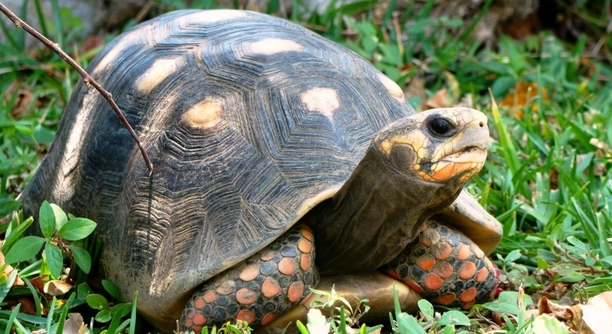
Is your red-footed tortoise showing signs of boredom, such as pacing or lack of interest in food? Providing enrichment activities can help keep your tortoise engaged, stimulated, and healthy while preventing stress-related behaviors and promoting overall well-being.
The best enrichment ideas for a bored red-footed tortoise include introducing varied foods, offering hiding spots, providing climbing structures, creating digging areas, adding water features, rotating enclosure decorations, and engaging in supervised outdoor exploration. These activities mimic natural behaviors and encourage physical and mental stimulation.
Incorporating these activities into your tortoise’s routine can make a significant difference in its overall happiness. A well-enriched environment ensures a healthier, more active, and more content red-footed tortoise.
Introduce Varied Foods
Offering a diverse diet keeps your red-footed tortoise engaged and prevents food boredom. Mixing different fruits, vegetables, and protein sources mimics natural foraging behavior. Leafy greens, bell peppers, and squash provide essential vitamins, while occasional protein sources like cooked eggs or snails support a balanced diet. Rotating food choices stimulates interest and encourages natural eating habits. Placing food in different locations within the enclosure also promotes exploration and activity. You can even use a food puzzle or hide small treats under leaves to encourage problem-solving skills. Variety in diet contributes to both mental and physical well-being.
Introducing new foods should be done gradually to monitor your tortoise’s reaction. Some foods may cause digestive issues, so small portions help prevent discomfort. Fresh, pesticide-free produce ensures safety while maintaining nutritional value.
A well-balanced diet keeps your tortoise active and alert. Providing a range of flavors and textures encourages natural behaviors and overall health.
Provide Hiding Spots
Hiding spots are essential for reducing stress and making your tortoise feel secure. Logs, caves, or overturned flower pots create sheltered spaces. A comfortable hiding area allows for natural behaviors, ensuring a relaxed and confident tortoise.
Creating multiple hiding spots within the enclosure gives your tortoise options to retreat and rest. Using natural materials like bark, cork, or dense foliage helps replicate the environment they experience in the wild. Having a mix of open and enclosed spaces allows for exploration while maintaining a sense of security. Placing shelters in different temperature zones also helps your tortoise regulate body heat effectively. Regularly changing the arrangement of hiding spots adds enrichment by making the environment feel new and stimulating.
A well-structured enclosure with secure hiding places contributes to a tortoise’s overall well-being. It reduces stress-related behaviors and encourages natural instincts like burrowing and seeking shelter when needed.
Add Climbing Structures
Climbing structures encourage exercise and mental stimulation. Placing rocks, logs, or sturdy platforms in the enclosure allows your tortoise to explore different levels. These additions help develop muscle strength, improve coordination, and prevent boredom by introducing new textures and surfaces to navigate.
Flat stones, wooden ramps, and stacked bricks create engaging climbing areas. Avoid steep inclines to prevent falls, and ensure all structures are stable. Natural materials like cork bark or driftwood add variety and encourage exploration. Moving or rearranging these structures occasionally keeps the environment stimulating. Combining climbing spots with shaded areas provides both activity and resting spaces. Observing your tortoise interact with these elements helps you adjust placements for their comfort and safety.
Climbing structures also support natural behaviors. In the wild, red-footed tortoises navigate uneven terrain, so offering similar challenges promotes physical health. A well-designed setup keeps your tortoise engaged and active daily.
Create Digging Areas
Digging is a natural behavior that provides exercise and mental stimulation. A dedicated digging area allows your tortoise to engage in this instinctive activity. Loose soil, coconut coir, or a sand-and-soil mix creates a comfortable space for burrowing. This setup helps maintain healthy nails and encourages natural movement.
A digging area should be deep enough for your tortoise to burrow comfortably. Adding leaf litter or dried moss enhances the experience, making it more interactive. Some tortoises use these spaces for resting, while others enjoy the process of moving and shaping the substrate. Keeping the soil slightly moist prevents excessive dust and supports humidity levels. Periodically refreshing the substrate ensures a clean and inviting digging space.
Providing a designated digging spot keeps your tortoise entertained while supporting its natural instincts. This activity promotes both physical and mental well-being, reducing stress and encouraging exploration in its environment.
Add Water Features
A shallow water dish provides hydration and encourages soaking. Red-footed tortoises enjoy sitting in water to regulate their body temperature and stay hydrated. Ensure the dish is large enough for soaking but shallow enough to prevent accidents. Refresh the water daily to maintain cleanliness.
A small pond or a misting system can enhance the enclosure’s humidity levels. Red-footed tortoises thrive in moderate humidity, and additional moisture helps prevent dehydration. Adding smooth stones around the water area provides easy access while preventing spills. Regularly cleaning the water feature prevents bacterial buildup and keeps your tortoise healthy.
Rotate Enclosure Decorations
Changing decorations in the enclosure prevents boredom and encourages exploration. Rotating logs, rocks, and plants keeps the environment fresh and engaging. Adjusting the layout occasionally challenges your tortoise to navigate new spaces, promoting mental stimulation and physical activity. Simple changes make a significant difference in maintaining interest.
Supervised Outdoor Exploration
Allowing outdoor time in a secure area provides fresh air and natural sunlight. Exposure to UVB rays supports shell and bone health. A safe, enclosed space with grass, logs, and shaded spots creates an enriching outdoor experience while preventing escape or exposure to predators.
FAQ
How often should I change my tortoise’s enrichment items?
Rotating enrichment items every two to three weeks keeps the enclosure interesting. Changing climbing structures, hiding spots, or decorations prevents boredom and encourages exploration. Even small adjustments, like rearranging logs or adding new textures, can stimulate curiosity and activity.
What types of toys are safe for a red-footed tortoise?
Safe toys include natural materials like wooden blocks, hollow logs, and rubber balls. Avoid small objects that could be swallowed or anything with sharp edges. Edible toys, such as leafy greens hung from a string, provide both enrichment and a healthy snack. Always monitor interactions with new items.
Can my tortoise recognize and interact with new enrichment items?
Yes, red-footed tortoises are curious and will explore unfamiliar objects. They may push, climb, or nudge new items as they investigate. Introducing different textures, scents, and shapes enhances their environment. Providing enrichment that encourages movement and problem-solving supports mental stimulation and natural behaviors.
Should I provide mirrors or reflective surfaces for my tortoise?
Mirrors can sometimes cause stress, as a tortoise may perceive its reflection as another tortoise. If introducing a reflective surface, monitor behavior closely. If signs of stress, such as head bobbing or repeated pacing, appear, remove the mirror. Some tortoises lose interest after a short time.
How important is digging enrichment for a red-footed tortoise?
Digging is a natural behavior that helps with exercise and stress relief. Providing a dedicated digging area with loose soil, coconut coir, or a sand-soil mix allows for burrowing and movement. A well-maintained digging space also helps keep nails at a healthy length.
What are some interactive feeding ideas for my tortoise?
Hiding food under leaves or placing it inside hollow logs encourages natural foraging instincts. Using a food puzzle, such as a partially covered dish, makes mealtime more engaging. Hanging leafy greens or offering vegetables in different locations promotes movement and adds variety to their routine.
Can red-footed tortoises get bored without enrichment?
Yes, a lack of stimulation can lead to inactivity and stress. Tortoises benefit from a dynamic environment with varied textures, climbing areas, and foraging challenges. Changing their surroundings regularly and providing different enrichment activities keeps them engaged and prevents boredom-related behaviors.
Is it safe to take my tortoise outside for enrichment?
Supervised outdoor time in a secure area allows for natural exploration and exposure to sunlight. Ensure the space is enclosed to prevent escapes or predator threats. Offering shaded spots, grass, and logs encourages movement while maintaining safety. Always monitor the temperature to avoid overheating.
Do red-footed tortoises enjoy human interaction?
While they do not seek affection like mammals, they can recognize their owners and respond to routine interactions. Some tortoises tolerate gentle handling, while others prefer minimal contact. Spending time near their enclosure, offering food by hand, and providing engaging enrichment helps build trust over time.
How can I tell if my tortoise enjoys an enrichment activity?
Active engagement, such as climbing, exploring, or investigating objects, indicates interest. If your tortoise repeatedly interacts with an item, it is a good sign they enjoy it. Lack of interest or avoidance suggests that the enrichment may need adjustments to better suit their preferences.
Final Thoughts
Providing enrichment for a red-footed tortoise is essential for its well-being. A stimulating environment encourages natural behaviors such as exploring, foraging, and digging. Without enrichment, a tortoise may become inactive or stressed. Simple changes, like rearranging the enclosure or introducing new textures, can keep them engaged. Rotating enrichment items ensures they do not lose interest. Whether through climbing structures, edible toys, or supervised outdoor time, adding variety helps maintain their physical and mental health.
Each tortoise has unique preferences, so observing their reactions to different enrichment activities is important. Some may enjoy digging areas, while others prefer climbing or investigating new objects. Adjusting the environment based on their interests keeps them engaged. Safety should always be a priority, with non-toxic materials and secure setups. Supervision is necessary when introducing new items or allowing outdoor time to prevent accidents. A well-planned enrichment routine supports a tortoise’s overall quality of life.
Keeping a red-footed tortoise active and mentally stimulated does not have to be complicated. Small changes in their habitat can make a significant difference. Regularly offering new challenges and interactive feeding methods prevents boredom. By providing a diverse and engaging space, owners can ensure their tortoise stays healthy and content.

Hello,
If you enjoy the content that we create, please consider saying a "Thank You!" by leaving a tip.
Every little bit helps us continue crafting quality advice that supports the health, happiness, and well-being of pets around the world, for pets of all shapes, sizes, and species.
We really appreciate the kindness and support that you show us!