
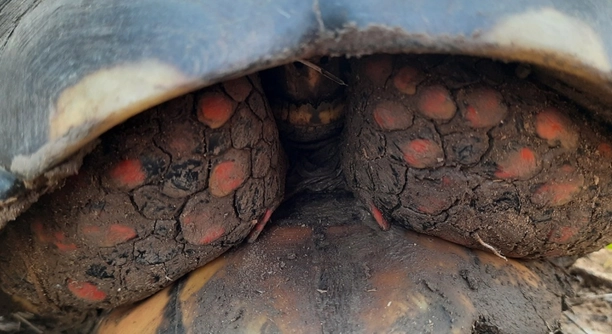
Red-footed tortoises are wonderful pets that require proper care and a suitable living environment to thrive. To ensure they are happy and healthy, the right tank accessories are essential. In this article, we’ll explore the best options available.
The ideal tank accessories for a red-footed tortoise include heating lamps, humidifiers, substrate, hides, and proper UV lighting. These essentials help maintain their temperature, humidity, and overall well-being. Choosing the right items can promote a healthier and happier tortoise.
These accessories are easy to find, and understanding how to set them up correctly can make a big difference in your tortoise’s quality of life. Let’s take a look at the key items to enhance their habitat.
The Importance of Proper Heating and UV Lighting
Proper heating and UV lighting are crucial for your red-footed tortoise’s health. These reptiles are cold-blooded, meaning they rely on external sources to regulate their body temperature. A heating lamp can provide the warmth they need, while a UVB light helps them process calcium, preventing shell deformities and other health issues.
Without adequate heat, your tortoise can become sluggish, and their immune system can weaken. UVB lighting ensures they get the necessary exposure to prevent bone disease, a common issue in reptiles that don’t have access to proper light.
Setting up a proper lighting system in their tank involves using a combination of basking bulbs and UVB lights. Place the basking lamp in one corner, where your tortoise can regulate its body temperature. The UVB light should be on for 12-14 hours a day to mimic natural sunlight. Always ensure the light is the appropriate distance from the basking spot to provide the right intensity. Without the right setup, your tortoise may face long-term health issues.
Humidity Control for Healthy Shells
Maintaining the correct humidity is vital for your red-footed tortoise. They thrive in a humid environment, which helps them shed their skin properly and stay hydrated. A humidity level of 60-80% is ideal for them.
To control humidity, consider using a humidifier and misting the tank daily. This will create a more consistent environment that helps prevent respiratory problems. Keep a close eye on the humidity level with a gauge to ensure it stays within the right range.
Substrate Choices for the Tank
Choosing the right substrate is key for maintaining your tortoise’s tank environment. It should help with humidity control and be safe for the tortoise to interact with.
Coconut coir, cypress mulch, and organic topsoil are all good choices. They retain moisture well and allow your tortoise to burrow, which is important for their natural behaviors. Avoid using sand or gravel, as they can cause impaction if ingested. The substrate should be deep enough for them to dig and explore.
Make sure to replace the substrate regularly to keep the tank clean and prevent mold growth. Providing a mix of textures and materials can mimic their natural habitat, supporting both their physical and mental well-being. With the right substrate, your tortoise can enjoy a comfortable and healthy living space.
Hiding Spots for Comfort and Security
Tortoises need hiding spots to feel safe. A hide provides a quiet space for them to retreat when they feel stressed or need rest.
Use logs, rocks, or commercially available hide boxes to create a cozy retreat. Place the hide in a shaded area of the tank, where they can relax away from the light. The hide should be just large enough for them to crawl into comfortably but not too spacious to leave them feeling exposed.
Make sure the hide is easy to clean to prevent any bacteria build-up. Rotating hiding spots and keeping them varied ensures your tortoise remains comfortable and relaxed. When choosing hides, consider the materials they’re made of to ensure they’re safe and non-toxic for your pet.
Feeding Dishes for Easy Access
Feeding dishes are essential for providing a clean and organized feeding area. Choose a shallow, wide dish to avoid spills. This ensures your tortoise can easily access its food without creating a mess.
Ceramic or stainless steel bowls are the best options, as they are durable and easy to clean. Avoid plastic bowls, as they can be chewed on and may harbor bacteria over time. Position the dish in a low-traffic area of the tank, where your tortoise can eat undisturbed. Clean the dish daily to maintain proper hygiene.
Proper Water Supply for Hydration
A shallow water dish is a must for keeping your red-footed tortoise hydrated. Choose a heavy, non-tip dish to prevent spills and ensure consistent access to fresh water.
Ensure the water level is low enough for your tortoise to drink without risk of drowning. Change the water daily to keep it clean and free from bacteria. Providing fresh water encourages hydration, which is key to their overall health. A water dish can also double as a place for soaking, which helps with shedding and digestion.
Temperature Control for a Healthy Habitat
Maintaining the correct temperature is crucial for your tortoise’s well-being. A basking area should reach 90-95°F, while the cooler side of the tank should be around 75°F.
Use a thermostat and a reliable heating source to maintain stable temperatures. Temperature gradients allow your tortoise to regulate its body heat naturally, helping with digestion and activity levels. A reliable heat source, such as a ceramic bulb or heat mat, ensures the right warmth during the day and night. Always monitor the temperature to ensure it stays within safe limits.
FAQ
What size tank does a red-footed tortoise need?
A red-footed tortoise requires a tank that is at least 4 feet long for an adult. This gives them enough room to move around and explore. For young tortoises, a smaller enclosure may be suitable, but as they grow, you will need to upgrade their living space. The tank should also be tall enough to accommodate the lighting and heating system, ensuring that there is enough space for basking and hiding.
For an adult tortoise, a 75 to 100-gallon tank is ideal, but the larger the tank, the better. If you have the space, consider providing an outdoor enclosure during warmer months. This allows your tortoise to enjoy natural sunlight and more room to roam, which is beneficial for their health.
How often should I clean my red-footed tortoise’s tank?
You should clean your red-footed tortoise’s tank at least once a week. This includes changing the substrate, cleaning the water dish, and wiping down the tank’s surfaces. Spot cleaning should be done daily to remove waste and uneaten food.
A deep clean, involving replacing the substrate, should be done monthly. This will help prevent any bacteria or mold buildup. Regular cleaning not only keeps the tank fresh but also ensures your tortoise stays healthy and the tank environment is safe. Make sure to use non-toxic cleaners when cleaning their tank, as some chemicals can harm your tortoise.
What should I feed my red-footed tortoise?
A balanced diet for a red-footed tortoise consists mainly of leafy greens, fruits, and some vegetables. Offer a variety of food to ensure they get all the necessary nutrients. Common greens like dandelion, collard, and mustard greens are great choices. Avoid offering iceberg lettuce, as it lacks nutritional value.
Fruits such as papaya, mango, and strawberries can be fed occasionally as a treat. They should make up no more than 10-15% of their diet. You can also provide small amounts of protein, like insects or cooked eggs, but this should not be a regular part of their meals. Always ensure fresh food is offered and remove any uneaten portions to prevent decay.
Do red-footed tortoises need a heat lamp at night?
Red-footed tortoises don’t require a heat lamp at night. Their natural environment would cool down after sunset, so they can tolerate a drop in temperature at night. However, the tank should not go below 70°F during the night.
If your room gets too cold at night, you may want to use a ceramic heat emitter or a low-wattage heat mat to maintain warmth. These do not emit light, so they won’t disturb your tortoise’s natural sleep cycle. It’s important to maintain a temperature gradient so your tortoise can choose a comfortable spot to rest.
Can I keep more than one red-footed tortoise in the same tank?
It is not recommended to keep multiple red-footed tortoises in the same tank unless the enclosure is large enough. They can be territorial, and keeping more than one tortoise in a small space may cause stress and fighting.
If you decide to house more than one tortoise, make sure the tank is large, and each tortoise has access to its own basking spot, hide, and feeding dish. Watch for signs of aggression, such as chasing, biting, or constant hiding, which indicate that they might not be comfortable with each other. It’s always safer to keep them in separate enclosures if you’re unsure.
What lighting do red-footed tortoises need?
Red-footed tortoises require UVB lighting for 12-14 hours a day. UVB rays help them process calcium, which is vital for their bone health and shell development. You should use a UVB bulb specifically designed for reptiles.
The UVB light should be placed about 6-12 inches above the basking spot, and you need to replace the bulb every 6-12 months, even if it still appears to be working. UVB lighting is critical for their overall health, as it mimics the natural sunlight they would receive in the wild. Without it, your tortoise could develop metabolic bone disease.
Can I use a regular light bulb for my tortoise’s tank?
A regular light bulb is not sufficient for your tortoise’s needs. While it can provide light, it does not emit UVB rays necessary for calcium absorption. Use a specific UVB light bulb to ensure your tortoise receives the proper lighting for bone health and overall well-being.
A separate heat bulb should be used to create a basking spot with temperatures ranging between 90-95°F. You may also use a ceramic heat emitter if you need a heat source without light at night. A combination of UVB and heat bulbs is the best setup for your tortoise’s tank.
How do I maintain the right humidity level in my tortoise’s tank?
Maintaining the right humidity level is essential for your red-footed tortoise’s health. Aim for 60-80% humidity. A simple way to achieve this is by using a humidifier and misting the tank regularly.
The substrate you choose will also play a role in maintaining humidity. Coconut coir and cypress mulch are excellent for retaining moisture. You can also place a shallow water dish in the tank, which helps increase the humidity level. Monitor the humidity with a gauge to ensure it stays within the ideal range. Too low a humidity level can lead to respiratory issues, while too high can cause mold or fungal problems.
Can I take my red-footed tortoise outside?
Yes, you can take your red-footed tortoise outside, but only when the weather is warm and safe. They enjoy natural sunlight, which provides important UVB exposure. Make sure the outdoor area is secure, as tortoises can be escape artists.
Keep an eye on the temperature; it should be between 75-90°F during the day. Avoid leaving your tortoise outside during extreme weather conditions or overnight. Always supervise them to prevent them from getting into dangerous situations, such as escaping or encountering predators. Provide plenty of shaded areas so they can retreat when they need to cool off.
Final Thoughts
Caring for a red-footed tortoise requires attention to detail and a good understanding of their needs. These tortoises can live for decades, so providing them with the right environment early on is crucial for their long-term health. With the proper tank setup, such as heating, UVB lighting, and humidity control, your tortoise can thrive in a space that mimics its natural habitat. Choosing the right substrate, providing hiding spots, and ensuring a balanced diet will help maintain their happiness and well-being.
One of the most important things to remember is consistency. Tortoises are creatures of habit and need a stable environment to feel comfortable. Regular cleaning of their tank, proper water management, and keeping the temperature within the right range will prevent stress and health issues. It’s also important to monitor their behavior regularly to ensure they are not showing signs of illness or discomfort. Making small adjustments as needed will ensure your tortoise remains active and healthy.
Lastly, red-footed tortoises are not just pets, but long-term companions that require a commitment of time and effort. By investing in the right accessories and maintaining a routine, you can create an environment that supports their natural instincts and helps them lead a healthy life. Your red-footed tortoise will depend on your care, so providing a safe, clean, and stimulating habitat will go a long way in ensuring their happiness for years to come.

Hello,
If you enjoy the content that we create, please consider saying a "Thank You!" by leaving a tip.
Every little bit helps us continue crafting quality advice that supports the health, happiness, and well-being of pets around the world, for pets of all shapes, sizes, and species.
We really appreciate the kindness and support that you show us!