
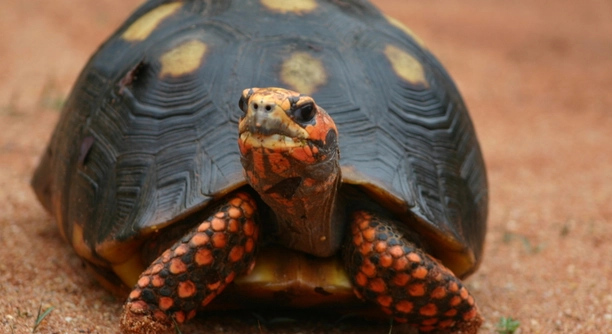
Keeping a red-footed tortoise tank smelling fresh can be challenging, but with the right steps, it’s entirely achievable. The key is regular maintenance and careful attention to their habitat’s conditions.
Maintaining a clean tank involves removing waste daily, cleaning water dishes, and replacing substrate regularly. Using odor-absorbing materials like activated charcoal and maintaining proper ventilation will help reduce unwanted smells and create a healthier environment.
By following simple steps, you can create a pleasant habitat for your tortoise. Maintaining cleanliness and odor control is essential to ensure a comfortable living space.
Clean the Tank Regularly
Cleaning your tortoise’s tank regularly is one of the most effective ways to keep odors at bay. Removing waste such as uneaten food, feces, and old bedding can prevent smells from building up. It’s important to clean all surfaces, including rocks, branches, and hiding spots, where debris can gather. Doing this once a day will help maintain a fresh environment for both you and your tortoise. You should also replace the bedding every 1-2 weeks, depending on the level of mess. This will help avoid the accumulation of bacteria that contributes to unpleasant odors.
Cleaning the tank daily is essential to avoid smells. Don’t skip any part of the tank, including the water dish.
Adding fresh bedding after cleaning ensures your tortoise’s environment stays hygienic. Using materials like coconut coir or aspen shavings can help absorb moisture and odors. Also, make sure to clean water bowls frequently to prevent stagnant water, which can quickly lead to bad smells.
Maintain Proper Ventilation
Good ventilation is critical to keeping the tank fresh. If the tank is sealed too tightly, humidity can build up and cause odors to linger. The key is ensuring there’s enough airflow while still maintaining the proper temperature and humidity levels for your red-footed tortoise. Small ventilation holes on the sides of the tank or a screened lid can make a big difference in preventing the buildup of stale air. Check the airflow regularly to ensure there is no obstruction.
Good ventilation prevents humidity buildup and helps reduce lingering odors. Ensure the airflow isn’t blocked.
If airflow is inadequate, consider adding a small fan or adjusting the tank’s lid to allow for more ventilation. A proper balance between airflow, temperature, and humidity can help create a healthy, fresh-smelling environment for your tortoise. Too much humidity can cause mold and mildew, which contributes to unpleasant odors. Adjusting the tank’s ventilation regularly can keep things in check.
Use Activated Charcoal
Activated charcoal is a great way to reduce odors in your tortoise’s tank. It absorbs moisture and neutralizes smells, making it a simple yet effective tool. You can place it in a small pouch or container within the tank to keep it out of the tortoise’s reach.
Activated charcoal works well when placed in areas of the tank that are prone to moisture, such as near the water dish or wet bedding. It helps keep the air fresh by absorbing excess humidity, which reduces bacterial growth that causes bad odors. Make sure to replace the charcoal every month for continuous odor control.
Charcoal is best used as part of an overall cleaning routine. While it can absorb odors, it doesn’t replace regular cleaning and maintenance. When combined with other odor-reducing methods like proper ventilation and clean bedding, it can greatly improve the overall smell of the tank. Be cautious of placing too much, as you don’t want to block airflow.
Choose the Right Substrate
Choosing the right substrate is essential to maintaining a fresh-smelling tank. Natural materials like coconut coir, cypress mulch, and aspen shavings are great choices. These substrates absorb moisture well and help control odors. Avoid using sandy substrates, as they don’t absorb moisture effectively.
Coconut coir, in particular, is an excellent option for keeping the tank dry and odor-free. It’s absorbent, odor-resistant, and easy to replace when needed. If you choose to use cypress mulch, ensure it is free from chemicals, as these can harm your tortoise. Substrates like these provide a comfortable environment for your pet while reducing the chances of smell buildup.
While changing the substrate every few weeks is essential, it’s also a good idea to spot clean areas that get wet more frequently. Wet spots attract bacteria, which can lead to unpleasant odors. This combined effort ensures a cleaner, fresher habitat for your red-footed tortoise.
Remove Uneaten Food
Uneaten food can quickly spoil and contribute to odors in your tortoise’s tank. Be sure to remove any leftover food daily. If food is left for too long, it can become moldy, which leads to a strong, unpleasant smell.
In addition to removing uneaten food, clean the feeding area thoroughly. Some food scraps may stick to the surface, and these can also attract bacteria. By cleaning this area daily, you prevent odors from building up. Always ensure that the food you offer is in the right amount, so it doesn’t go to waste.
Keep Water Clean
Dirty water can cause bad smells and harbor harmful bacteria. Change your tortoise’s water regularly to keep it fresh and clean. A good rule of thumb is to replace the water every other day, especially if it becomes soiled.
Cleaning the water dish is just as important as changing the water. Use a mild, tortoise-safe cleaner to scrub the dish thoroughly before refilling it. This will help eliminate any bacteria or mold that could form in the water. Clean the water dish every time you change the water to ensure it remains free from contaminants.
Use a Dehumidifier
A dehumidifier can help regulate the humidity levels in the tank. Excess moisture can contribute to mold and bacteria growth, which leads to odors. Using a dehumidifier will keep the air fresh and reduce the likelihood of odors.
A dehumidifier also helps maintain the proper humidity levels for your tortoise’s health. If the air becomes too dry, it can cause respiratory problems for your pet. Be sure to monitor the humidity levels regularly to keep them balanced, and adjust the dehumidifier as needed.
FAQ
How often should I clean my red-footed tortoise’s tank?
You should clean your tortoise’s tank at least once a week, but it’s important to spot-clean daily. Removing uneaten food, waste, and wet spots will prevent odors from developing and help maintain a fresh environment. Every 1-2 weeks, replace the bedding completely to ensure it remains clean and free from bacteria.
What is the best substrate for a red-footed tortoise tank?
Coconut coir, cypress mulch, and aspen shavings are ideal substrates for red-footed tortoises. These materials are absorbent and help control odors by soaking up moisture. Avoid sand, as it doesn’t hold moisture well and can make cleaning difficult. Make sure to replace the substrate regularly for a fresh environment.
How can I control humidity in the tank?
Maintaining proper humidity is essential for your tortoise’s health and odor control. You can achieve this by using a humidity gauge to monitor levels and a dehumidifier to prevent excessive moisture. Keeping the tank well-ventilated helps balance humidity, preventing mold and bacteria buildup that cause odors.
Can I use a regular air freshener in the tank?
Avoid using air fresheners in your tortoise’s tank. These products often contain chemicals that can be harmful to your pet. Instead, rely on natural methods, like activated charcoal or proper ventilation, to maintain a fresh environment. If you need to freshen the air, consider using a pet-safe air purifier.
How do I clean the water dish properly?
Cleaning the water dish is crucial to prevent bacteria and mold growth. Use a tortoise-safe, mild cleaner to scrub the dish at least once a week. Every time you change the water, rinse the dish with clean water and scrub it to remove any residue that may have accumulated. Regular cleaning ensures your tortoise’s water remains safe and fresh.
Can I use vinegar to clean my tortoise’s tank?
Vinegar can be a good natural cleaner, but it should be used with caution. Dilute it with water before using it on the tank to avoid any strong smell that could harm your tortoise. After cleaning, rinse the surfaces thoroughly to remove any vinegar residue, as it can irritate your tortoise’s sensitive skin.
How do I prevent odors from developing in the tank?
To prevent odors, maintain a routine of daily spot cleaning, proper ventilation, and regular water changes. Using odor-absorbing materials like activated charcoal and choosing absorbent substrates will help. Ensuring your tank is dry and free from wet spots is key to preventing bacteria and mold growth.
What should I do if the tank still smells despite regular cleaning?
If the tank still smells after following cleaning routines, check for hidden sources of odor, like wet spots under the substrate or mold growth. You may also need to adjust the humidity levels or use additional odor control methods, like placing a dehumidifier in the room or increasing airflow.
Is it okay to have live plants in the tank?
Live plants can add beauty to the tank and help maintain humidity levels. However, you should choose plants that are safe for tortoises and won’t harm them if eaten. Make sure to clean the plants regularly and ensure they are free from mold or pests, which can contribute to unpleasant smells.
How can I keep the tank smelling fresh during hot weather?
During hot weather, the heat can increase humidity and cause odors to form faster. To manage this, increase ventilation and use a dehumidifier to reduce moisture. Additionally, ensure that the tank is cleaned more frequently, as the higher temperature can cause waste to break down more quickly, contributing to bad smells.
Should I remove my tortoise from the tank during cleaning?
It’s a good idea to remove your tortoise from the tank while you clean to ensure it remains safe and comfortable. Place your tortoise in a temporary enclosure with food, water, and a warm spot while you clean the tank. This will allow you to clean thoroughly without disturbing your pet.
Final Thoughts
Keeping a red-footed tortoise tank clean and fresh requires regular maintenance and attention to detail. By following basic cleaning routines, like removing uneaten food and waste daily, you can significantly reduce odors in the tank. The substrate plays a big role in controlling smell as well, so choosing the right material is essential. Opt for absorbent substrates such as coconut coir or cypress mulch to keep moisture in check and help prevent bacterial growth. These simple steps can make a noticeable difference in maintaining a clean, odor-free environment for your tortoise.
Water cleanliness is another critical factor to consider. Regularly changing the water and thoroughly cleaning the water dish ensures that harmful bacteria and mold do not develop. Make it a habit to scrub the water dish every time you refill it, removing any residue that may build up. This keeps your tortoise’s environment healthy and prevents the water from becoming a source of foul smells. Maintaining fresh, clean water is crucial for your tortoise’s well-being, as it helps avoid potential health problems.
Finally, humidity control is essential for both odor prevention and your tortoise’s health. Keeping the tank at the right humidity level helps prevent mold growth and keeps the air fresh. A dehumidifier can be useful if your tank tends to get too humid, especially during hot weather. Balancing humidity and temperature will create a comfortable and safe space for your tortoise to thrive. With proper care, you can ensure that your red-footed tortoise’s tank stays fresh and your pet remains healthy.

Hello,
If you enjoy the content that we create, please consider saying a "Thank You!" by leaving a tip.
Every little bit helps us continue crafting quality advice that supports the health, happiness, and well-being of pets around the world, for pets of all shapes, sizes, and species.
We really appreciate the kindness and support that you show us!