
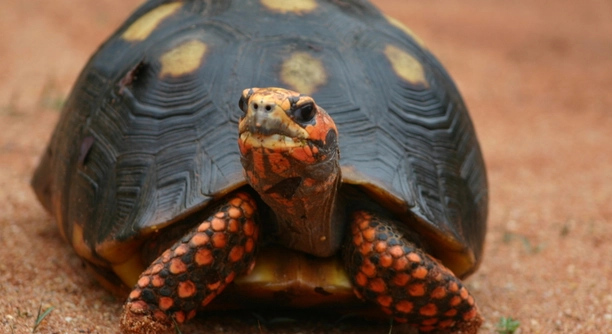
Red-footed tortoises are popular pets known for their friendly demeanor and unique appearance. As owners, we often wonder about the best diet to provide them. One common question is whether carrots are suitable for these fascinating creatures.
Yes, red-footed tortoises can eat carrots in moderation. While carrots are not toxic, they should be offered as part of a balanced diet, with careful attention to quantity. Carrots are high in sugar and should not make up a large portion of their meals.
Carrots can be a tasty treat, but it’s essential to understand the right amount to feed your tortoise. Keep reading to learn more about proper diet and how to incorporate carrots into their nutrition plan.
What Do Red-Footed Tortoises Eat?
Red-footed tortoises are omnivores, meaning they eat both plant and animal matter. In the wild, their diet consists of fruits, leaves, flowers, and small insects or carrion. As pets, their diet should mirror this natural variety. Providing them with a balance of plant-based foods like leafy greens, fruits, and some protein will help keep them healthy.
While fruits such as mango, papaya, and berries can be offered, vegetables like dandelion greens, collard greens, and squash are essential staples. This mix ensures they receive the necessary vitamins and minerals for proper growth and energy. Overfeeding sugary foods like fruits or carrots can lead to health issues like obesity.
Providing a variety of foods helps to meet their nutritional needs. Also, always offer fresh water to your tortoise. Consistency and balance are key in creating a sustainable, healthy diet for your pet. Avoid feeding them processed or high-fat foods that don’t contribute to their well-being.
How to Incorporate Carrots Into Their Diet
Carrots can be a healthy treat for red-footed tortoises, but they must be fed in moderation. While carrots provide valuable nutrients like beta-carotene, too many can cause imbalances in their diet.
Carrots should only make up a small part of their overall food intake. Offer them occasionally as part of a varied diet. If fed in excess, the sugar content in carrots could contribute to digestive problems, leading to weight gain or other complications. It’s best to cut them into small pieces to ensure the tortoise can easily consume them.
Feeding your tortoise a balanced, diverse diet promotes overall health and vitality. In addition to offering carrots, include a mix of greens, fruits, and occasional protein sources. A varied diet helps to avoid nutrient deficiencies and supports their immune system. Make sure any food you give them is fresh and pesticide-free for their safety.
Can Carrots Cause Health Problems for Red-Footed Tortoises?
Carrots are healthy when fed in moderation, but overfeeding them can cause issues. Too many carrots can affect your tortoise’s digestive system and overall health.
Carrots are high in sugar and low in fiber. If your tortoise eats too many, it could disrupt their balance of nutrients. Excessive sugar can lead to obesity, shell deformities, and metabolic problems. To avoid these issues, offer carrots as a treat rather than a regular part of their diet. Ensure the rest of their meals include plenty of fiber-rich vegetables and fruits to maintain balance.
The high sugar content in carrots is especially concerning for red-footed tortoises. A constant sugar-heavy diet could lead to metabolic bone disease (MBD) and other long-term health problems. Red-footed tortoises require a varied diet, with an emphasis on leafy greens and less sugary foods. To promote better digestion and overall health, consider offering carrots only once or twice a week.
Portion Control for Carrots
Knowing how much to feed your tortoise is important for their well-being. For carrots, limit the portion size to avoid any problems.
As a general rule, carrots should only make up about 5-10% of their total food intake. This ensures they enjoy the health benefits of carrots without overdoing it on sugar. It’s easy to overfeed treats, so be mindful of portions. Use small pieces of carrot as an occasional snack, keeping the bulk of their diet filled with other healthy foods like leafy greens and non-sugary vegetables.
Keeping a variety in their meals will ensure your red-footed tortoise stays healthy and avoids the risks associated with excessive sugar. Maintaining portion control allows you to keep their diet balanced and supports their long-term health. Don’t be afraid to experiment with different foods to keep them happy and well-nourished, but remember to keep carrots as just one small part of the puzzle.
Other Safe Vegetables for Red-Footed Tortoises
Red-footed tortoises thrive on a diet full of variety. In addition to carrots, there are many vegetables that are safe and healthy for them to eat.
Leafy greens like collard greens, dandelion greens, and mustard greens are excellent choices. These vegetables provide essential nutrients and fiber. Other safe options include squash, bell peppers, and zucchini. Always make sure the vegetables are fresh and free of pesticides.
Variety is crucial for a balanced diet, so try offering different veggies every day. These foods help support digestion and contribute to overall health. Avoid giving them iceberg lettuce, as it lacks nutritional value. A colorful plate of greens and veggies will keep your tortoise happy and healthy.
Can Carrots Be Fed to Young Red-Footed Tortoises?
Carrots can be fed to young red-footed tortoises, but it’s important to be even more careful with portion size.
Younger tortoises have specific dietary needs that require a balance of nutrients to grow properly. Their smaller size means they can be more sensitive to the sugars in carrots. Offer carrots sparingly and focus on providing them with a variety of leafy greens and vegetables to meet their nutritional needs.
A nutrient-rich diet is key for their development, and carrots should only be a small part of their diet. Be mindful of the amounts and the balance with other vegetables to avoid any negative effects on their health.
Is There a Risk of Overfeeding Carrots?
It’s easy to feed too many carrots without realizing the potential consequences.
Carrots are delicious, but they should only be offered as an occasional treat. Overfeeding can lead to nutritional imbalances, affecting your tortoise’s growth and overall health. Stick to small portions to keep your tortoise on track with a well-rounded diet.
FAQ
Can I feed my red-footed tortoise baby carrots?
Yes, baby carrots can be fed to your red-footed tortoise in moderation. They are small and easy to handle, which makes them a convenient treat. However, like regular carrots, they should not be a large part of their diet. Baby carrots have the same sugar content as regular ones, so it’s important to keep portions small. Treat baby carrots as an occasional snack rather than a regular meal. Focus on providing a variety of leafy greens and other vegetables to ensure a well-balanced diet.
How often can I give my red-footed tortoise carrots?
Carrots should be given only once or twice a week. This frequency helps avoid any issues related to their high sugar content. Even though carrots provide some nutrients, they don’t offer the full range of vitamins and minerals that your tortoise needs. Therefore, it’s essential to provide a variety of other fruits and vegetables. Limit carrots to a small portion to keep your tortoise healthy and avoid overfeeding.
Can carrots cause shell deformities in red-footed tortoises?
While carrots themselves don’t directly cause shell deformities, a poor diet that includes too many sugary vegetables like carrots can contribute to nutritional imbalances. Shell deformities are often linked to a lack of calcium and other important nutrients, which may result from an improper diet. If carrots are fed excessively, they can displace more nutrient-dense foods. For a healthy shell, ensure your tortoise has access to calcium-rich foods like dark leafy greens, and supplement their diet with calcium if needed.
What vegetables are best for red-footed tortoises besides carrots?
There are many great vegetables for red-footed tortoises. Leafy greens like collard greens, dandelion greens, and mustard greens are excellent staples in their diet. Other vegetables such as squash, zucchini, bell peppers, and cucumber provide important vitamins and hydration. It’s a good idea to rotate their diet regularly to include a variety of vegetables to keep them interested and healthy. Remember to avoid feeding them too much of any one food to ensure they get a balanced diet.
Can carrots be harmful to adult red-footed tortoises?
Carrots are not harmful to adult red-footed tortoises if fed in small amounts. The sugar content in carrots can cause weight gain and digestive issues if overfed, so it’s crucial to limit their intake. Adult tortoises still need a wide variety of vegetables to stay healthy, so carrots should only be a small part of their diet. A balanced diet of leafy greens, vegetables, and fruits will ensure they get the nutrients they need without overloading on sugar.
Are there any fruits I can feed my red-footed tortoise instead of carrots?
Yes, there are many fruits that can be safely fed to red-footed tortoises. Some good options include papaya, mango, strawberries, blueberries, and watermelon. These fruits are lower in sugar compared to carrots and offer various vitamins and antioxidants. However, fruits should also be given sparingly and should not be the main component of their diet. A variety of leafy greens and vegetables should make up the majority of what they eat.
Can carrots be fed to red-footed tortoises year-round?
Yes, carrots can be fed to red-footed tortoises year-round, but it’s important to feed them in moderation. In some regions, tortoises may naturally experience a reduction in available food during certain seasons, which can affect their diet. While carrots are available year-round, ensure that you continue offering fresh, seasonal vegetables and fruits as part of a diverse and balanced diet. Keep in mind that the nutritional needs of your tortoise may vary depending on the time of year, so adjust their diet accordingly.
Should I peel carrots before feeding them to my red-footed tortoise?
There is no need to peel carrots before feeding them to your red-footed tortoise, as the skin contains some beneficial nutrients and fiber. Just make sure to wash the carrots thoroughly to remove any dirt or pesticides. If you’re concerned about chemicals on the skin, you can peel the carrots, but this is not strictly necessary. Cutting the carrots into small, manageable pieces will make it easier for your tortoise to eat and digest them.
Are cooked carrots safe for red-footed tortoises?
It is generally best to feed red-footed tortoises raw vegetables, including carrots. Cooking carrots can reduce their nutritional content, and it may also make them harder to digest for your tortoise. If you do decide to cook carrots, avoid adding any seasonings or oils. Keep cooked carrots as an occasional treat and ensure they are cool before offering them to your tortoise. For the most part, raw carrots provide more nutrients and are easier for your tortoise to enjoy.
What happens if I feed my red-footed tortoise too many carrots?
Feeding your tortoise too many carrots can lead to several health issues. The high sugar content in carrots can cause obesity, digestive problems, and even metabolic issues if overfed. Additionally, an imbalanced diet that relies too much on carrots may cause your tortoise to miss out on essential nutrients, such as calcium and fiber, which are critical for their overall health. It’s always best to provide a balanced diet with a variety of vegetables, fruits, and other foods to support a healthy tortoise.
Can baby red-footed tortoises eat carrots?
Yes, baby red-footed tortoises can eat carrots, but they should be given in smaller amounts than adults. Young tortoises need a carefully balanced diet to support their growth and development. Carrots, while tasty, are not as nutrient-dense as other foods like dark leafy greens. Feeding baby tortoises a wide variety of vegetables is essential for their proper development. Keep carrots as an occasional treat and focus on providing them with a solid foundation of nutrient-rich foods.
Can I feed my red-footed tortoise a carrot-only diet?
No, a carrot-only diet is not suitable for red-footed tortoises. While carrots provide some nutrients, they do not offer the full range of vitamins and minerals your tortoise needs to thrive. A balanced diet should include a variety of leafy greens, vegetables, and occasional fruits, as well as a small amount of protein. Carrots should be part of a diverse diet rather than the main component. Stick to offering carrots as a treat rather than a primary food source for your tortoise.
Final Thoughts
When it comes to feeding your red-footed tortoise, carrots can be a healthy and enjoyable treat in moderation. They are packed with nutrients like beta-carotene, which is beneficial for their health. However, they should never make up a large portion of their diet. Carrots are high in sugar, which can lead to issues like obesity, metabolic problems, and digestive issues if overfed. The key is balance. A varied diet with plenty of leafy greens, vegetables, and occasional fruits will ensure your tortoise gets the right nutrients without the risk of overfeeding sugary foods like carrots.
It’s important to always consider portion control when feeding carrots or any other treat to your tortoise. Carrots should only be offered once or twice a week in small amounts, keeping them as a special treat rather than a regular part of their meals. Focus on providing a variety of vegetables like dandelion greens, collard greens, and squash. These foods offer more fiber and less sugar, helping maintain your tortoise’s digestive health and overall well-being. Keeping carrots as an occasional snack allows your tortoise to enjoy their benefits without causing harm.
In the end, a healthy tortoise diet is about variety and moderation. Carrots can fit into this diet as long as they are given in the right amount. Make sure to keep their diet diverse, with a mix of fruits, vegetables, and leafy greens, and avoid feeding them processed foods or too much of any one type of food. Always ensure your tortoise has access to fresh water and consider supplementing their diet with calcium or other necessary nutrients. By doing so, you’ll help your red-footed tortoise live a long, healthy, and happy life.

Hello,
If you enjoy the content that we create, please consider saying a "Thank You!" by leaving a tip.
Every little bit helps us continue crafting quality advice that supports the health, happiness, and well-being of pets around the world, for pets of all shapes, sizes, and species.
We really appreciate the kindness and support that you show us!