
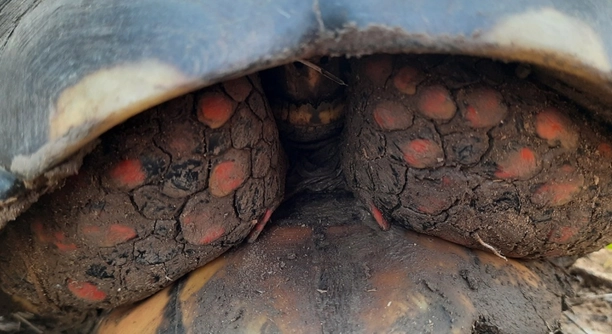
Red-footed tortoises are known for their unique behavior, and one of the actions you might observe is rubbing their nose on the ground. This is a common behavior that can signal various things about your tortoise’s health or environment.
Rubbing their nose on the ground is often a sign of exploration or discomfort. Tortoises use their sense of smell to interact with their surroundings, and this behavior could indicate the need for more stimulation or a possible health issue.
Understanding why your red-footed tortoise is rubbing its nose can help you create a better environment for its well-being.
Reasons for Nose Rubbing in Red-Footed Tortoises
Nose rubbing in red-footed tortoises can result from various factors, including environmental changes or stress. These tortoises are naturally curious and will explore their surroundings by rubbing their noses against objects. This behavior may also be a way for them to mark territory or investigate the textures around them. However, when this action becomes excessive, it could signal discomfort or an underlying issue. Stressors such as an improper habitat setup or a lack of mental stimulation can lead to repetitive behaviors. Environmental conditions, such as lighting and humidity, should also be checked to ensure they are suitable for your tortoise. Inadequate lighting or temperature imbalances can cause physical discomfort, leading your tortoise to rub its nose in an attempt to find relief. Monitoring their living conditions closely is essential to pinpoint any possible triggers.
Sometimes, nose rubbing is linked to physical health concerns. Infections, injuries, or issues with the tortoise’s respiratory system could make it rub its nose on surfaces more frequently. If the rubbing is accompanied by other symptoms, such as discharge, swelling, or difficulty breathing, it is crucial to seek veterinary advice.
A red-footed tortoise may also rub its nose simply because it’s feeling bored or unstimulated. A lack of mental challenges can result in repetitive behaviors. Providing more enrichment in the form of different textures, objects, or even another tortoise as a companion might help curb the nose rubbing. When offering enrichment, be sure to introduce items like branches, rocks, or hiding places, which can make their enclosure more dynamic. This will allow them to explore and engage with their habitat. Additionally, providing access to varied areas for exploration within their space can make a significant difference. If nose rubbing continues or worsens, it’s best to consult with a reptile vet to rule out any serious medical conditions.
How to Address the Behavior
If your red-footed tortoise is rubbing its nose, the first step is to evaluate its habitat. Make sure that the temperature, humidity, and lighting are appropriate. A warm basking area and a cooler area should be provided. The humidity should be kept at a level that suits the species, typically around 60 to 80%. A common issue is poor lighting, which can lead to stress and discomfort. Ensure that they have access to both UVA and UVB light to maintain healthy shell growth and metabolic functions.
Beyond environmental factors, consider the mental well-being of your tortoise. Offering enrichment items, like hiding places or plants, can give them the stimulation they need. Changing their enclosure setup regularly can also provide fresh stimuli and prevent boredom. This helps maintain a healthy balance of activity in their day-to-day life. If after these changes the nose rubbing persists, take your tortoise to a vet for a thorough examination.
Health Issues that May Cause Nose Rubbing
Red-footed tortoises rubbing their noses may suffer from respiratory infections or other underlying health problems. Respiratory infections can cause discomfort and lead to symptoms like nose rubbing, excessive nasal discharge, or labored breathing. If these signs are present, it’s critical to consult a vet right away.
Respiratory infections in tortoises are often caused by improper humidity, inadequate temperature, or exposure to drafts. If your tortoise shows signs of these issues, check the temperature gradient in its enclosure and ensure that the humidity is stable. An overly dry environment can make it more susceptible to respiratory issues. Keeping the enclosure temperature within the correct range and preventing cold drafts can help keep your tortoise healthy. If the symptoms of illness persist, a vet can provide the appropriate treatment to restore the tortoise’s health.
In addition to respiratory problems, parasites, injuries, or abscesses may lead to similar behaviors. For example, an abscess or wound near the nose area can cause irritation, leading to rubbing. Checking for visible wounds and monitoring behavior closely will help you spot any other signs of discomfort early. If the issue is suspected to be caused by a parasite, a vet can perform a fecal test to confirm the diagnosis and suggest a course of treatment.
When to Seek Veterinary Assistance
If your tortoise’s nose rubbing continues for more than a few days, it’s essential to seek veterinary assistance. Prolonged or frequent rubbing can indicate a more serious issue. For example, if the rubbing is linked with nasal discharge or difficulty breathing, it’s a clear sign that medical intervention is necessary.
A veterinarian experienced in reptiles can conduct a thorough examination to identify any potential health issues. They may perform a physical checkup, diagnostic tests, or take a culture of any nasal discharge to identify infections or other conditions. If an infection is found, antibiotics or other treatments may be prescribed. A vet can also determine if there are any environmental factors contributing to the problem. This may include advice on improving lighting, temperature, or humidity levels. If the tortoise has an injury, a vet can provide treatment and advice on proper care to ensure it heals properly.
Taking your tortoise to a vet ensures it receives the appropriate care to recover quickly. A quick diagnosis and treatment plan will also help prevent long-term issues, ensuring your tortoise stays healthy and comfortable. Regular checkups and proactive care can keep your red-footed tortoise happy and thriving.
Environmental Stressors that Contribute to Nose Rubbing
Improper habitat conditions can cause your red-footed tortoise to rub its nose. Factors like poor humidity, incorrect temperature, or inadequate lighting can lead to discomfort, prompting the tortoise to engage in repetitive behaviors. Ensure the environment meets their specific needs for a healthier, more comfortable life.
A well-balanced environment helps your tortoise feel secure. Maintaining proper humidity (60-80%) and temperature gradients is crucial for their comfort. Providing access to both warm and cool areas within the enclosure ensures they can regulate their body temperature properly. Adjusting these elements might reduce stress and prevent behaviors like nose rubbing.
Providing Proper Enrichment for Your Tortoise
Providing enrichment is essential for your tortoise’s mental and physical well-being. Red-footed tortoises are intelligent creatures that need mental stimulation to prevent boredom. Offering new objects, climbing structures, and hiding spots helps to keep them engaged. You can also rotate objects in their habitat to keep things interesting.
Adding variety in their habitat encourages exploration and helps mimic natural behaviors. Simple changes like adding leaves, branches, or logs provide new textures for your tortoise to interact with. Over time, this will reduce the likelihood of repetitive actions, such as rubbing the nose, by keeping the tortoise entertained and engaged.
Proper Feeding Habits
A well-balanced diet is vital for your tortoise’s health. Make sure they are eating a variety of fresh, safe vegetables and fruits. Avoid overfeeding them with high-protein foods, as this can cause long-term health issues. A balanced diet helps prevent health problems that could trigger behaviors like nose rubbing.
FAQ
Why does my red-footed tortoise rub its nose on the ground?
Nose rubbing in red-footed tortoises is a behavior typically associated with exploring their environment or dealing with stress. They use their sense of smell to investigate objects, and rubbing their nose could simply be part of their natural curiosity. However, excessive rubbing may indicate discomfort, boredom, or even a health issue such as a respiratory infection. It is important to monitor their behavior and environmental conditions to determine the cause.
How can I tell if my tortoise is sick?
Look for signs such as nasal discharge, wheezing, labored breathing, or swollen eyes. A sick tortoise might also show less interest in eating or drinking and could become lethargic. If you notice any of these symptoms, it’s essential to seek veterinary help right away. Early detection can prevent more severe health problems.
What should I do if my tortoise’s nose rubbing seems excessive?
If nose rubbing becomes frequent or prolonged, you should evaluate your tortoise’s environment first. Ensure that the temperature, humidity, and lighting are appropriate. If environmental factors are correct, it may be time to visit a veterinarian to rule out possible health problems such as respiratory infections or physical injuries.
Can humidity affect my tortoise’s behavior?
Yes, incorrect humidity levels can have a significant impact on your tortoise’s behavior and health. Too little humidity can cause dehydration, making your tortoise uncomfortable, while excessive humidity may encourage respiratory infections. Red-footed tortoises thrive in environments with humidity between 60-80%. Maintaining this balance will help reduce stress and prevent unnecessary behaviors like nose rubbing.
What is the ideal temperature for my red-footed tortoise’s habitat?
Red-footed tortoises need a temperature gradient within their enclosure to regulate their body temperature. The basking area should be around 85-90°F (29-32°C), while the cooler side of the enclosure should be about 75°F (24°C). These temperatures help support their metabolism and overall health, minimizing discomfort and behavioral issues.
How can I prevent boredom in my tortoise?
To prevent boredom, provide a variety of enrichment options such as hiding spots, climbing structures, and different textures for them to explore. Regularly changing their environment, like adding new objects or rearranging their space, can also keep them engaged. Additionally, introducing plants or safe items like branches will give your tortoise more to interact with, reducing repetitive behaviors like nose rubbing.
Can nose rubbing be a sign of a respiratory infection?
Yes, nose rubbing can be an indication of a respiratory infection. When tortoises experience breathing difficulties, they may rub their noses in an attempt to clear their airways. Other signs of a respiratory infection include nasal discharge, wheezing, or difficulty breathing. If you suspect your tortoise has an infection, seek immediate veterinary care.
What should I do if my tortoise’s habitat isn’t ideal?
If you discover that the habitat conditions are not ideal, take immediate steps to correct them. Adjust the temperature, humidity, and lighting as needed. You may also need to replace old or inadequate equipment, such as UVB lights or heating elements, to ensure your tortoise has the best environment for healthy living.
How can I help my tortoise recover from a nose injury?
If your tortoise has suffered a nose injury, it is important to clean the wound gently and monitor for signs of infection. Apply any recommended treatments from a veterinarian and provide a clean, quiet environment to promote healing. If the injury doesn’t improve or worsens, seek professional veterinary care for further treatment.
What kind of diet should I provide for my red-footed tortoise?
Red-footed tortoises thrive on a varied diet of leafy greens, vegetables, and fruits. Offer a mix of safe, high-fiber vegetables such as dandelion greens, collard greens, and squash. Fruits like mango, papaya, and strawberries can be offered occasionally, but should not make up the majority of their diet. Avoid feeding them high-protein foods or too much meat, as this can lead to health issues.
Can environmental changes cause stress in my tortoise?
Yes, environmental changes can cause stress in your tortoise, leading to behaviors like nose rubbing. Relocation to a new enclosure, sudden changes in temperature or humidity, and the introduction of new animals or people can be stressful for tortoises. Always introduce changes gradually to minimize stress and allow your tortoise to adjust comfortably.
Should I be concerned if my tortoise rubs its nose only occasionally?
Occasional nose rubbing is typically not a cause for concern. It may just be your tortoise exploring its environment or engaging in normal behavior. However, if the nose rubbing becomes more frequent or seems to be associated with other concerning symptoms, it’s worth looking into possible environmental or health-related factors.
Final Thoughts
Understanding why your red-footed tortoise rubs its nose on the ground can help you address potential concerns and provide a better environment for your pet. While it may seem like a strange behavior, nose rubbing is often a sign of curiosity or exploration. However, it can also be an indication of stress, discomfort, or a health issue such as a respiratory infection. It is important to observe your tortoise closely and consider both its environment and health when this behavior occurs.
Ensuring that your tortoise’s habitat is properly set up is crucial. Maintaining the right temperature, humidity, and lighting will help reduce unnecessary stress and prevent behaviors like excessive nose rubbing. Red-footed tortoises need a well-balanced environment to thrive, so ensuring they have a proper basking area and access to cooler zones is key to their well-being. Providing enrichment in the form of safe objects to explore and climb can also keep them mentally engaged, reducing the chances of boredom-induced behavior like nose rubbing.
If the nose rubbing continues or becomes more frequent, it may be a sign of an underlying health issue. Respiratory infections are common in tortoises and can lead to symptoms such as nasal discharge, wheezing, or labored breathing. If you suspect your tortoise is sick, it’s best to consult a veterinarian who specializes in reptiles. By maintaining a proper habitat and providing a balanced diet, you can help keep your tortoise healthy and prevent unnecessary stress, ensuring a long and happy life for your pet.

Hello,
If you enjoy the content that we create, please consider saying a "Thank You!" by leaving a tip.
Every little bit helps us continue crafting quality advice that supports the health, happiness, and well-being of pets around the world, for pets of all shapes, sizes, and species.
We really appreciate the kindness and support that you show us!