
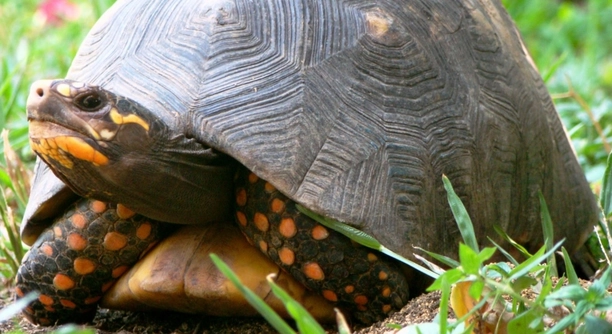
Red-footed tortoises are sensitive to temperature changes and may show signs when they feel too cold. It’s important to recognize these signs to ensure they stay comfortable and healthy in their environment. Proper care keeps them thriving.
A red-footed tortoise might show signs of cold stress through behaviors like sluggishness, reduced appetite, or seeking warmth. Ensuring a proper basking spot and maintaining an appropriate habitat temperature are key to their well-being.
Maintaining the right temperature is vital for your tortoise’s health. Understanding these signs helps you ensure their environment remains comfortable.
Signs Your Red-Footed Tortoise Is Too Cold
When your red-footed tortoise feels cold, it may become lethargic, spending more time hiding and staying inactive. This can be a sign that its environment isn’t warm enough. A proper temperature range is essential for their digestion, activity levels, and overall health. If the enclosure is too cold, your tortoise might refuse food or become less active during the day. The temperature gradient in their habitat should allow them to bask in warmth while also providing a cooler area for rest. They are ectothermic creatures, meaning they rely on external temperatures to regulate their body heat.
A cold tortoise may also show unusual behavior by staying in one spot for extended periods. This is a clear indication they are seeking warmth to adjust their body temperature.
You should regularly monitor the temperature in their habitat using a thermometer. Ensuring proper heat sources like a basking light or heating pad will help prevent cold stress. Consistent warmth encourages your tortoise to stay active and healthy.
Temperature Control is Essential
Maintaining the right temperature is vital for your tortoise’s health. Too much heat can lead to dehydration, but too little will leave them feeling sluggish.
Red-footed tortoises thrive in a range of temperatures between 75-85°F in the cooler areas of their enclosure and 90-95°F in the basking spot. At night, the temperature can drop to around 70-75°F. If the enclosure dips below these temperatures, your tortoise may start to show signs of cold stress. It’s essential to avoid placing them in drafty areas or areas with rapid temperature changes. To regulate temperature, consider using ceramic heat emitters or under-tank heaters that won’t dry out the air. Make sure that both the warm and cool sides of the enclosure are distinct, allowing your tortoise to choose the temperature that suits its needs. Keep in mind that humidity levels also play a role in your tortoise’s comfort, and maintaining the right balance is crucial for their overall health.
Behavioral Changes to Watch For
When a red-footed tortoise gets too cold, its metabolism slows down. This means it may spend more time resting and less time moving around or exploring. These changes are often visible in their behavior, including a lack of interest in food. You may notice your tortoise becoming disinterested in their favorite treats or not eating at all. If the temperature continues to stay low, they could eventually stop eating entirely, which can lead to further health problems.
Red-footed tortoises may also start to retreat into their shells more frequently. This behavior is another sign that they are trying to conserve heat or avoid cold stress. It’s crucial to respond quickly by adjusting the environment, as prolonged cold exposure can result in health issues like respiratory infections.
How to Adjust Temperature for Your Tortoise
If your tortoise feels cold, you need to adjust the temperature in its enclosure. Using a reliable heat source like a basking lamp or ceramic heater can help maintain a steady environment. Keep a thermometer in the enclosure to monitor both the warm and cool areas.
To achieve the right balance, place a basking light over one side of the enclosure. This allows your tortoise to move between warmer and cooler zones depending on its needs. Ensure the temperature gradient is consistent, with one side warmer and the other cooler. Consider using a thermostat to control the heat output and avoid temperature fluctuations. Avoid placing the heat source too close to the tortoise, as excessive heat can cause burns. Additionally, check the humidity level, as proper humidity helps maintain the tortoise’s comfort.
Adding a heating pad under the substrate can also provide consistent warmth from below. This is especially important during cooler nights. Position the pad so that it warms the area without making it too hot for the tortoise to rest comfortably.
Importance of Proper Basking Areas
A basking spot is essential for regulating your tortoise’s body temperature. Make sure the basking area stays at the recommended temperature of 90-95°F. Your tortoise needs this heat to digest food properly and remain active.
Create a basking area using a heat lamp and UVB light. The UVB light will help your tortoise synthesize vitamin D3, which is essential for calcium absorption. The basking spot should be designed so the tortoise can easily reach it when it needs warmth. Ensure the area is large enough for your tortoise to stretch out comfortably. If the basking area is too small or too hot, your tortoise may avoid it altogether, which could lead to health issues. Keep an eye on the temperature with a thermometer to ensure it stays within the recommended range.
Signs of Cold Stress in Red-Footed Tortoises
When your tortoise experiences cold stress, it may show signs such as reduced movement and less appetite. A colder environment can slow their metabolism and cause lethargy.
If these signs persist, it’s crucial to take action. Adjusting the temperature in their habitat can help prevent long-term health problems. Pay attention to the behavior and act quickly.
Effects of Low Temperatures on Digestion
Low temperatures can significantly affect your tortoise’s digestion. If the habitat is too cold, your tortoise may not be able to properly digest food. This can lead to discomfort, lack of appetite, and nutritional deficiencies.
A colder environment slows down the tortoise’s metabolism, making it harder for them to process their food efficiently. It’s essential to monitor the temperature regularly and make adjustments to ensure proper digestion. Providing a stable, warm environment encourages healthy digestion and active behavior.
Adjusting Habitat for Nighttime
At night, it’s important to maintain the right temperature range for your tortoise. While they need a cooler area for resting, the temperature shouldn’t drop too low.
Maintaining a steady temperature at night ensures your tortoise remains comfortable. Use a heat source that helps regulate warmth throughout the night to prevent sudden temperature drops. This will allow your tortoise to stay healthy and avoid cold stress.
FAQ
What temperature is too cold for a red-footed tortoise?
Red-footed tortoises thrive at temperatures between 75°F and 85°F in the cooler areas of their habitat. The basking spot should be between 90°F and 95°F. If the temperature consistently drops below 70°F, it can lead to cold stress. Cold temperatures slow down their metabolism and can make them more susceptible to illness. If the temperature in their enclosure falls below these levels, your tortoise may become lethargic, stop eating, or seek warmth.
How can I keep my tortoise warm at night?
At night, the temperature should be lowered slightly but not below 70°F. To maintain warmth, consider using a ceramic heat emitter or an under-tank heater. These provide steady heat without drying out the air. Make sure there are no sudden temperature drops, as this can stress your tortoise. The cooler side of the enclosure should stay around 75°F, while the basking area remains at 90°F-95°F.
How do I know if my tortoise is too cold?
Your tortoise will exhibit several signs if it’s too cold. These include staying in one spot for long periods, avoiding food, and retreating into its shell more often. Cold stress can cause lethargy and slow movements. A tortoise that is too cold may not show its usual curiosity or activity. If this happens, check the temperature in the enclosure and adjust it as needed. If symptoms persist, consider seeking advice from a reptile vet.
Is it safe to use a heat lamp for my tortoise?
Yes, a heat lamp is a good way to provide warmth for your red-footed tortoise. A basking lamp is essential for providing the heat necessary for digestion and overall health. Ensure that the lamp is positioned correctly, so the tortoise can move away if it gets too hot. A UVB light should also accompany the basking lamp to help the tortoise absorb vitamin D3, which is vital for calcium metabolism. Always use a thermometer to monitor the basking area temperature.
Can my tortoise tolerate a drop in temperature during the day?
While a slight drop in temperature during the day is acceptable, it shouldn’t be drastic. A red-footed tortoise can tolerate temperature fluctuations, but the drop should be gradual and should not fall below 75°F. If temperatures rise too high or fall too low suddenly, your tortoise might experience stress. It’s essential to provide a stable, consistent environment with a temperature gradient, allowing your tortoise to regulate its body heat.
What should I do if my tortoise stops eating because of the cold?
If your tortoise stops eating due to cold stress, the first thing to do is check the temperature in its enclosure. If it’s too cold, adjust the heat source to maintain a consistent, appropriate temperature range. When temperatures are corrected, your tortoise should regain its appetite. If your tortoise refuses food for an extended period, it could be a sign of health issues, and a visit to the vet may be necessary.
Can I use a heating pad to warm my tortoise?
Yes, a heating pad can be used as a supplemental heat source. Place it under the enclosure or underneath the substrate, ensuring it doesn’t overheat. Heating pads provide consistent warmth from below, which can be beneficial, especially during cooler nights. Be sure to use a thermostat with the heating pad to control the temperature and avoid overheating. Always check that the pad provides even warmth and doesn’t create hot spots.
Why does my tortoise dig more when it’s cold?
If your tortoise is digging more frequently, it may be attempting to find a warmer spot. When feeling too cold, they dig to burrow and find more suitable conditions. If you notice excessive digging, check the temperature in their enclosure. Ensure that they have access to both warmer and cooler areas to regulate their body heat. If they continue to dig even after temperatures are adjusted, consider seeking professional advice from a reptile specialist.
How long can a red-footed tortoise stay in the cold?
A red-footed tortoise should not be exposed to cold temperatures for extended periods. They can tolerate brief cool spells, but prolonged exposure to temperatures below 70°F can result in cold stress and long-term health issues. A tortoise’s body functions slow down in cold conditions, and it may stop eating or become lethargic. It is essential to maintain proper temperature levels in their habitat to ensure their health and activity.
What happens if the temperature is too high for my tortoise?
If the temperature becomes too high, it can lead to dehydration and heat stress. Red-footed tortoises need access to cooler areas to regulate their body temperature. Excessive heat in the basking area can cause burns, so always monitor the temperature carefully. Dehydration is a common issue in tortoises exposed to too much heat. Make sure to provide fresh water at all times and ensure the enclosure has both warm and cooler zones for them to move between.
Can I place my tortoise outside during the warmer months?
Yes, you can place your red-footed tortoise outside during warm weather, but only if the temperature is consistently within the appropriate range. Ensure that they are in a secure, safe area where they cannot escape. Always provide shade and a cool retreat for them, and make sure the area is free from predators. If the temperature drops unexpectedly or it becomes too hot, bring your tortoise back indoors. Never leave your tortoise outside overnight or during extreme weather conditions.
Is humidity important for my tortoise?
Yes, maintaining proper humidity is important for a red-footed tortoise’s health. Humidity levels should be between 60-80% to prevent dehydration and support proper shedding. Too low of humidity can cause respiratory issues and difficulty shedding. You can maintain humidity by misting the enclosure or using a humidity gauge to monitor the levels. Ensure that your tortoise always has access to clean water for drinking and soaking, which helps maintain hydration.
What are the best ways to heat a tortoise’s enclosure?
The best way to heat a tortoise’s enclosure is by using a combination of heat lamps, ceramic heat emitters, and under-tank heaters. Each of these provides different types of heat. Heat lamps are great for basking areas, while ceramic emitters provide gentle heat without light. Under-tank heaters can be used to warm the substrate from below. It’s important to have a thermostat to regulate the heat output and avoid overheating. Always check the temperatures regularly to ensure they stay within the correct range.
How often should I check the temperature of my tortoise’s enclosure?
You should check the temperature of your tortoise’s enclosure at least once a day, particularly in the basking area and cooler regions. Use a reliable thermometer to ensure that the temperature is consistent and falls within the recommended range. Sudden temperature changes can stress your tortoise, so keeping a close watch on the environment is essential. Make adjustments to the heating sources as necessary to keep the habitat stable.
Final Thoughts
Maintaining the proper temperature for your red-footed tortoise is crucial for its overall health and well-being. These tortoises are naturally accustomed to warm, tropical environments, and their body functions rely heavily on consistent warmth. If the temperature drops too low, their metabolism slows down, which can lead to lethargy, loss of appetite, and increased susceptibility to illness. On the other hand, high temperatures can cause dehydration and stress. Ensuring a balanced temperature range with a heat source that replicates natural conditions is essential for their active and healthy life.
In addition to temperature, humidity plays a significant role in a red-footed tortoise’s habitat. Proper humidity levels help prevent dehydration and promote healthy skin shedding. It’s important to regularly monitor both temperature and humidity to create the most comfortable environment for your tortoise. Use a thermometer and hygrometer to check the conditions inside their enclosure and make adjustments as necessary. Misting the enclosure or providing a humidity box can help maintain ideal humidity levels, ensuring your tortoise stays healthy and hydrated.
By paying close attention to temperature and humidity, you can create a stable and comfortable environment that supports your tortoise’s natural behaviors. If your tortoise shows signs of cold stress, such as lethargy or loss of appetite, it’s essential to act quickly and adjust the temperature accordingly. Regular monitoring of their habitat will allow you to prevent such issues from becoming serious health concerns. Your tortoise relies on you to provide the right conditions to thrive, so taking the time to adjust the environment will contribute to its overall happiness and well-being.

Hello,
If you enjoy the content that we create, please consider saying a "Thank You!" by leaving a tip.
Every little bit helps us continue crafting quality advice that supports the health, happiness, and well-being of pets around the world, for pets of all shapes, sizes, and species.
We really appreciate the kindness and support that you show us!