
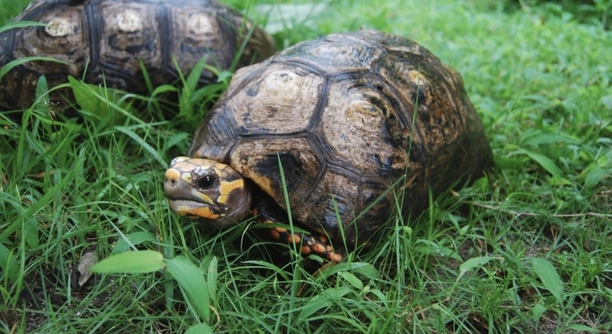
Red-footed tortoises are known for their varied diet, but it’s important to understand what foods are safe for them. One common question among tortoise owners is whether these reptiles can safely eat coconuts.
Red-footed tortoises can eat coconuts, but in moderation. The flesh and water of the coconut are safe for them, though the high fat content should be considered. Too much coconut could lead to digestive issues or obesity.
While coconut is a tasty treat for your tortoise, it’s crucial to offer it as part of a balanced diet.
Can Red-Footed Tortoises Eat Coconut Flesh?
Coconut flesh can be a good treat for your red-footed tortoise, as long as it’s given in small amounts. The high-fat content can be too much if fed regularly. However, it can provide a change in texture and flavor that tortoises might enjoy. If you’re thinking about offering coconut flesh, make sure it’s fresh, as dried coconut contains preservatives that may not be suitable. Always remove any shells or outer parts of the coconut that could pose a choking hazard. Offering a variety of other fruits and vegetables is key to a healthy diet.
The main concern with coconut is its fat content. While it’s not toxic, excessive fat can lead to health problems in red-footed tortoises, such as obesity or liver issues. Moderation is essential to ensure a balanced diet. Coconut should complement a varied selection of foods, rather than become a staple.
Including coconut flesh occasionally can help spice up your tortoise’s meals. However, be mindful of the frequency and amount to avoid any unwanted health issues.
Benefits of Coconut Water for Red-Footed Tortoises
Coconut water can be a refreshing and hydrating treat for red-footed tortoises. It contains essential electrolytes like potassium, which can support hydration. Make sure it’s fresh, as canned coconut water may have added sugars or preservatives that aren’t healthy for your tortoise.
Offering coconut water occasionally is an excellent way to keep your tortoise hydrated, especially if they’re not drinking enough water on their own. However, it’s important to avoid overdoing it. Too much coconut water can lead to diarrhea or upset stomachs due to its natural sugars and electrolytes. Use coconut water as a supplement to their regular water intake, not a replacement.
Hydration is crucial for red-footed tortoises, and providing fresh coconut water can help in times when they’re dehydrated or need an extra boost. However, always monitor your tortoise’s reactions and avoid giving coconut water too often. Keep the water intake balanced for optimal health.
Risks of Feeding Red-Footed Tortoises Too Much Coconut
Feeding too much coconut, whether flesh or water, can cause health issues over time. The primary concern is obesity, as high-fat content may affect your tortoise’s weight. It’s best to use coconut as an occasional treat rather than a regular part of their diet.
While coconut can be a tasty addition, too much can alter your tortoise’s digestive system. If they consume large amounts of coconut, they may experience digestive discomfort or irregular stools. Over time, excessive fat intake could impact their liver and overall health. It’s essential to monitor how much coconut your tortoise consumes to ensure they stay healthy.
To keep your red-footed tortoise in good health, use coconut sparingly. Moderation is key to maintaining a balanced diet that supports their long-term well-being. A variety of other fruits, vegetables, and leafy greens should make up the majority of their food.
Alternatives to Coconut for Red-Footed Tortoises
There are plenty of other safe foods you can offer your red-footed tortoise. Leafy greens, such as collard greens, dandelion greens, and mustard greens, are a great choice. Fruits like papaya, mango, and strawberries can also be offered in moderation.
Vegetables like squash, carrots, and sweet potatoes are good options as well. Offering a variety of foods helps ensure your tortoise receives a balanced diet with all the necessary nutrients. Be sure to avoid feeding them foods that are high in oxalates, like spinach, as these can interfere with calcium absorption.
How Often to Feed Coconut to Red-Footed Tortoises
Coconut should only be offered as an occasional treat. Once or twice a month is plenty, especially considering the fat content. Remember that red-footed tortoises thrive on a diverse diet of fruits, vegetables, and leafy greens. Balance is key to their health.
Preparing Coconut for Red-Footed Tortoises
When preparing coconut for your tortoise, always ensure it’s fresh. Remove the outer shell and any sharp edges that could hurt them. For coconut flesh, slice it into small, manageable pieces to avoid choking hazards. Never feed them coconut products with added sugars or preservatives.
FAQ
Can red-footed tortoises eat coconut shell?
No, red-footed tortoises should not eat coconut shells. The hard texture can pose a choking hazard or cause digestive issues. It’s important to only offer the soft coconut flesh and water, ensuring that the shell is completely removed before offering any coconut to your tortoise.
Is coconut water safe for red-footed tortoises?
Yes, coconut water can be safe for red-footed tortoises in moderation. It provides hydration and some beneficial electrolytes. However, it should not replace their regular water intake. Too much coconut water can cause diarrhea due to its high sugar content, so always offer it sparingly.
How much coconut can I feed my red-footed tortoise?
Coconut should be an occasional treat, not a regular part of their diet. A small piece of coconut flesh or a small amount of coconut water once or twice a month is sufficient. Overfeeding coconut can lead to obesity and digestive issues due to its high fat content.
Can coconut cause health problems for red-footed tortoises?
Yes, overfeeding coconut can cause health problems, particularly obesity and liver issues due to its high-fat content. Too much coconut water can also upset their digestive system. Always offer coconut in small amounts and avoid feeding it too frequently.
What fruits can I feed red-footed tortoises besides coconut?
Red-footed tortoises enjoy a variety of fruits, including papaya, mango, strawberries, blueberries, and watermelon. Make sure to remove seeds or pits from fruits like cherries or peaches, as they can be harmful. Always serve fruit in moderation to avoid sugar-related issues.
Are there any fruits I should avoid feeding red-footed tortoises?
Yes, some fruits should be avoided, including those high in oxalates, like rhubarb, which can interfere with calcium absorption. Citrus fruits such as oranges or lemons should also be avoided in large quantities as they are too acidic for tortoises. Always check which fruits are safe before offering them.
Can red-footed tortoises eat vegetables?
Yes, red-footed tortoises can eat a variety of vegetables, including squash, carrots, bell peppers, and sweet potatoes. Leafy greens like collard greens, kale, and dandelion greens are also highly nutritious. Always avoid vegetables like lettuce that lack nutrients and offer them in moderation.
How often should I feed my red-footed tortoise?
Red-footed tortoises should be fed daily, with fresh food provided each time. Their diet should consist of a variety of fruits, vegetables, and leafy greens. You can feed them multiple times a day depending on their size and age, but avoid overfeeding to maintain a healthy weight.
Can I feed my red-footed tortoise protein?
While red-footed tortoises are primarily herbivores, they may occasionally eat small amounts of animal protein, such as insects or earthworms. This should only be offered occasionally, as their primary diet should consist of plants. Too much protein can lead to health issues, including kidney problems.
Can red-footed tortoises eat dairy or eggs?
Red-footed tortoises should not be fed dairy products, as they cannot properly digest them. Eggs can be offered in small amounts as a treat, but they should not make up a significant part of their diet. Stick to plant-based foods for the majority of their meals.
What is the best way to hydrate my red-footed tortoise?
Ensure that fresh, clean water is available at all times for your red-footed tortoise. They may also drink from shallow water dishes or soak in a shallow bath. Coconut water can occasionally be offered as a hydrating treat, but regular water should always be the main source.
How can I make sure my red-footed tortoise is getting enough calcium?
Calcium is crucial for bone health and shell development. You can provide calcium by offering calcium-rich foods like dandelion greens, collard greens, and bok choy. You may also consider dusting their food with a calcium supplement once or twice a week to ensure they get enough.
Can I feed my red-footed tortoise food that is too ripe or spoiled?
No, spoiled or overly ripe food should be avoided. Rotting food can cause digestive problems and may even lead to poisoning. Always offer fresh, properly ripened food to ensure the health and well-being of your tortoise.
How can I tell if my red-footed tortoise is overweight?
If your red-footed tortoise appears to have difficulty moving, or if their shell seems overly rounded or puffy, they might be overweight. It’s essential to monitor their food intake and provide a balanced diet. If you’re unsure, consult a veterinarian for advice on weight management.
Are there any signs that my red-footed tortoise is unhealthy?
Signs of an unhealthy tortoise include lack of appetite, lethargy, irregular shell growth, or abnormal behavior. If you notice these signs, it’s best to seek professional advice from a vet who specializes in reptiles. Regular check-ups will help catch health issues early on.
Can I feed my red-footed tortoise plants from my garden?
Only offer plants from your garden if you are sure they are safe. Avoid using pesticides, herbicides, or any other chemicals on the plants. It’s safest to feed them plants you know are non-toxic, such as dandelions, clover, or hibiscus flowers.
What should I do if my red-footed tortoise refuses to eat coconut?
If your red-footed tortoise refuses to eat coconut, don’t worry. Some tortoises simply don’t enjoy certain foods. You can try offering different fruits, vegetables, or leafy greens instead. Make sure their diet is varied and balanced to keep them interested in their meals.
Final Thoughts
Coconut can be an interesting treat for red-footed tortoises, but it should not be a regular part of their diet. Offering coconut in moderation ensures that they enjoy the benefits of its nutrients without overloading on fats and sugars. Like all treats, coconut should be given occasionally, with the primary focus being on a balanced diet of fresh vegetables, fruits, and leafy greens. Keeping your tortoise’s diet varied and nutrient-rich is key to their long-term health.
When feeding coconut to your tortoise, it is important to remember the preparation steps. Remove the outer shell completely, as it can pose a risk for choking. Only offer small pieces of the soft flesh, and make sure to avoid any coconut products with added sugars or preservatives. Fresh coconut water can be offered sparingly as a hydrating option, but regular water should always be available to your tortoise. Overfeeding coconut can lead to digestive issues or an imbalance in their diet, so keeping portions small is essential.
Ultimately, understanding the dietary needs of red-footed tortoises is vital for their overall well-being. While coconut can provide a bit of variety, it is just one small part of a much larger picture. Providing a well-rounded diet and ensuring that all their nutritional needs are met will help keep your tortoise happy and healthy. A diverse range of vegetables, fruits, and occasional protein sources will offer the right balance of nutrients, while occasional treats like coconut can keep mealtime exciting for your pet.

Hello,
If you enjoy the content that we create, please consider saying a "Thank You!" by leaving a tip.
Every little bit helps us continue crafting quality advice that supports the health, happiness, and well-being of pets around the world, for pets of all shapes, sizes, and species.
We really appreciate the kindness and support that you show us!