
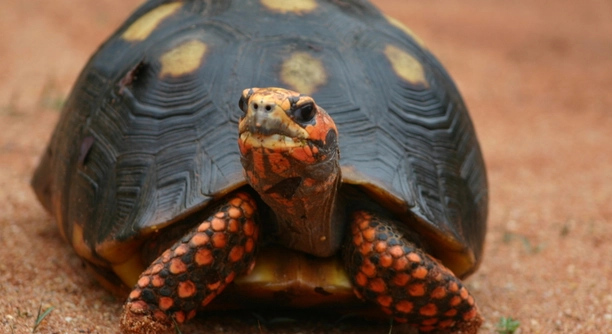
Creating the perfect enclosure for a red-footed tortoise requires careful thought and planning. It’s essential to provide them with a safe, stimulating, and comfortable environment to thrive. The right habitat can make a significant difference in their health and well-being.
The ideal red-footed tortoise enclosure should offer enough space, proper humidity, and a variety of temperatures to mimic their natural habitat. A combination of indoor and outdoor enclosures can be an effective solution, ensuring both shelter and exposure to natural sunlight.
These ideas will help you create a perfect space that meets your red-footed tortoise’s needs, promoting a healthy and happy life.
1. Creating a Spacious Outdoor Enclosure
A spacious outdoor enclosure is one of the best ways to provide a natural habitat for your red-footed tortoise. Choose a well-fenced area with room for the tortoise to roam and forage. Make sure the fence is high enough to prevent escapes and strong enough to withstand the tortoise’s digging tendencies. Adding some plants will help mimic their natural environment, providing both shade and food. A water feature, like a shallow pond or small pool, can also be beneficial for hydration and soaking.
Outdoor enclosures allow red-footed tortoises to enjoy fresh air and natural sunlight. Sunlight is essential for their health, as it helps in the production of Vitamin D3. The enclosure should be in a shaded area to avoid extreme temperatures, and you should provide hiding spots where the tortoise can retreat for warmth or protection.
While the outdoor enclosure offers space and natural elements, it’s essential to monitor the temperature and humidity levels regularly. These factors can significantly affect your tortoise’s comfort and health. You can control these elements by adding a small shelter or using heat lamps when necessary.
2. Building a Secure Indoor Enclosure
When building an indoor enclosure for your red-footed tortoise, size matters. It should be large enough to allow your tortoise to move around and explore. Use a secure container or cage with high sides to prevent escapes. Avoid materials that are toxic or harmful to your tortoise.
The key to a successful indoor enclosure is balancing comfort and function. Providing a warm, well-lit space is important for their activity and overall health. The enclosure should also offer various hiding places and areas with different temperatures to help your tortoise regulate its body heat. Additionally, adding some natural elements, like rocks or branches, can keep your tortoise engaged and help mimic its natural environment.
Don’t forget to include a shallow water dish for hydration and soaking. You can place it in a corner of the enclosure to keep things neat and prevent your tortoise from creating a mess. For lighting, ensure you have UVB lighting, as it will aid in their digestion and bone health.
3. Using Natural Materials for the Enclosure
Natural materials such as wood, rocks, and branches can help create an enriching environment for your red-footed tortoise. These elements can mimic the tortoise’s natural surroundings and offer opportunities for exploration. Make sure the materials are safe, non-toxic, and free from harmful chemicals.
Wooden platforms or branches placed within the enclosure can provide climbing opportunities and hideaways, encouraging natural behavior. Large rocks can serve as basking spots or provide additional shelter. Ensure these items are securely positioned, as tortoises can move or dislodge smaller materials. Avoid sharp-edged rocks or untreated wood that could harm your tortoise.
Providing varied surfaces in your enclosure will also help with your tortoise’s shell and nail health. A mix of soft and harder surfaces can keep them active and engaged. It’s essential to clean these natural materials regularly, as debris or mold could develop. Use pet-safe cleaners or a mild bleach solution to ensure a safe habitat.
4. Maintaining Proper Humidity and Temperature
Temperature and humidity are crucial factors in creating a healthy environment for red-footed tortoises. The ideal range for temperature is between 75°F and 85°F during the day, with a slight drop at night. Humidity levels should be maintained between 60% and 80%.
A basking spot with a heat lamp can help regulate the temperature, while a humidifier or shallow water dish can help with humidity. You can also mist the enclosure with water to increase moisture in the air. Keep an eye on these factors by using a thermometer and hygrometer.
Without proper humidity, your tortoise may experience health issues like dehydration or respiratory problems. If the temperature drops too low, they may become lethargic or stressed. To prevent these problems, monitor the environment regularly, making adjustments as needed.
5. Providing Hiding Spaces
Red-footed tortoises appreciate having hiding spaces in their enclosures. These provide security and comfort, helping to reduce stress. A small wooden box or a pile of rocks can work well as a hiding spot.
Adding these spaces is important for a tortoise’s mental well-being. They offer a retreat from bright lights or loud sounds. When setting up hiding spots, ensure they are large enough for the tortoise to move around in but not too cramped. If the hiding area is too small, it could make your tortoise feel trapped.
6. Adding a Water Feature
A shallow water feature can be a great addition to your tortoise’s enclosure. It provides hydration and an area for your tortoise to soak, which helps with shedding and overall health. Make sure the water is easy to clean and shallow enough for them to enter and exit safely.
You can use a plastic pond or a small kiddie pool. Just ensure the water doesn’t get too deep, as red-footed tortoises are not strong swimmers. Regularly changing the water and cleaning the area will prevent algae buildup and maintain a healthy habitat.
FAQ
What size enclosure does a red-footed tortoise need?
The minimum size for a red-footed tortoise enclosure is about 4 feet by 6 feet for one tortoise. A larger space is always better, especially if you plan to keep more than one. Tortoises enjoy having room to roam and explore, which helps keep them healthy. In an outdoor setup, the space should be large enough to include hiding areas, basking spots, and water features. If you’re using an indoor enclosure, make sure it’s as spacious as possible to allow for natural movement.
Can red-footed tortoises live outside year-round?
Red-footed tortoises can live outside year-round in areas where the temperature stays between 75°F and 85°F during the day, with a slight drop at night. If temperatures drop below 70°F, it’s essential to bring them inside. They are not equipped to handle cold temperatures and can suffer from respiratory issues or become lethargic. If you live in a cooler climate, consider setting up an indoor enclosure during the colder months.
What should I feed my red-footed tortoise?
Red-footed tortoises are primarily herbivores and thrive on a varied diet. Offer them dark leafy greens, such as collard greens, dandelion leaves, and mustard greens. Fruits like papaya, mango, and berries can be given in moderation. Avoid feeding them too much high-oxalate food like spinach, as it can affect calcium absorption. It’s essential to provide fresh, clean food daily and remove any leftovers to prevent mold or bacteria growth.
How often should I clean the tortoise enclosure?
Cleaning the enclosure should be done weekly. Remove any uneaten food and clean water bowls regularly. The substrate (such as soil or coconut fiber) should be replaced or disinfected to prevent bacteria growth. Wipe down any surfaces, including hides, basking spots, and walls, using safe pet cleaners. Thoroughly disinfect the enclosure every month to maintain a healthy environment.
How do I maintain humidity in the enclosure?
To maintain proper humidity levels in a red-footed tortoise enclosure, keep the humidity between 60% and 80%. You can use a humidifier, mist the enclosure with water, or place a shallow water dish inside to help regulate humidity. Adding plants also helps increase humidity, as they release moisture into the air. If you live in a dry area, you may need to mist the enclosure daily to keep it at the right level.
Can I keep more than one red-footed tortoise together?
Red-footed tortoises are generally solitary creatures and can be territorial. If you plan to keep more than one tortoise, it’s best to house them in separate enclosures. If you must house them together, make sure the enclosure is large enough to give each tortoise enough space to establish its territory. Monitor for any signs of aggression, such as biting or chasing. It’s also essential to ensure that there’s enough food and water for each tortoise, as competition can arise.
What is the best bedding for a red-footed tortoise enclosure?
The best bedding for a red-footed tortoise enclosure is one that holds moisture while also providing good drainage. Coconut coir, cypress mulch, or a mixture of soil and sand works well. These materials are safe and easy to clean. Avoid using cedar or pine shavings, as their oils can be toxic to tortoises. Make sure the substrate is deep enough to allow your tortoise to dig and burrow, as this is a natural behavior.
Do red-footed tortoises need UVB lighting?
Yes, red-footed tortoises need UVB lighting to help them synthesize Vitamin D3, which is necessary for calcium absorption and shell health. In an indoor setup, you’ll need a UVB light that covers the entire enclosure. Place the light about 10 to 12 inches above the tortoise, and ensure it’s on for 10 to 12 hours a day. If your tortoise spends time outside in natural sunlight, UVB lighting may not be as necessary, but it’s still recommended for indoor enclosures.
How often should I soak my red-footed tortoise?
Soaking your red-footed tortoise once or twice a week is beneficial for hydration and to help with shedding. Fill a shallow container with lukewarm water, just enough for the tortoise to soak in comfortably. Avoid using cold water, as it can stress the tortoise. After soaking, allow them to dry off before placing them back in their enclosure.
Why is my red-footed tortoise not eating?
A red-footed tortoise may refuse food for several reasons. Stress, illness, or environmental changes such as temperature fluctuations or improper humidity levels can cause a lack of appetite. Ensure that the enclosure is set up correctly and that food is fresh. If your tortoise doesn’t start eating after a few days, it’s best to consult a vet to rule out any underlying health issues.
Final Thoughts
Creating the right environment for your red-footed tortoise is essential for its well-being. These tortoises thrive in enclosures that mimic their natural habitat, providing both space and comfort. With proper care, the right temperature, and plenty of hiding spots, your tortoise can live a long, healthy life. It’s important to keep in mind their need for both a basking area and a cool space. These temperature differences help them regulate their body heat, which is vital for their digestion and overall health.
Having a proper diet is just as crucial. Red-footed tortoises are herbivores, and offering a variety of leafy greens, fruits, and occasional vegetables ensures they get the nutrients they need. It’s also important to avoid feeding them too much high-oxalate food, like spinach, which can interfere with calcium absorption. Fresh water should always be available for drinking and soaking. These elements contribute to the tortoise’s hydration and well-being. Regularly cleaning the enclosure and checking the humidity levels will help maintain a healthy and comfortable space.
By following these basic guidelines, you can create a safe and supportive environment for your red-footed tortoise. Whether you choose to house them indoors or outdoors, ensuring they have enough space, proper lighting, and the right diet will keep them happy and healthy. While tortoises are generally low-maintenance pets, they do require attention to their needs. Keeping a close eye on their behavior and health will help you spot any potential issues early, making it easier to address them quickly.

Hello,
If you enjoy the content that we create, please consider saying a "Thank You!" by leaving a tip.
Every little bit helps us continue crafting quality advice that supports the health, happiness, and well-being of pets around the world, for pets of all shapes, sizes, and species.
We really appreciate the kindness and support that you show us!