
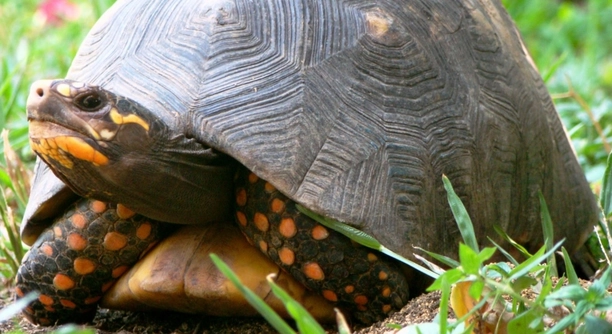
Red-footed tortoises are fascinating pets, but if yours is frequently hiding, it can be concerning. Understanding the reasons behind this behavior is key to addressing it. There are several factors to consider to help your pet feel more comfortable.
The primary reasons your red-footed tortoise hides include stress, inadequate environment, or health issues. These tortoises can feel threatened by loud noises, sudden movements, or changes in their habitat, leading them to seek out hiding spots.
Understanding the root causes will help you create a more comfortable space for your tortoise. This will improve its well-being and behavior in the long run.
Stress and Anxiety from Changes in Environment
Your red-footed tortoise might hide when there are changes in its environment. These changes could include moving to a new tank, rearranging its space, or new household members like pets or people. Tortoises are sensitive to their surroundings, and any sudden disruption can cause stress, leading them to seek out hidden areas.
Small adjustments to its habitat can sometimes be enough to make your tortoise feel more at ease. Give your pet time to adjust, and maintain a consistent, calm environment. Make sure its space is quiet and free from sudden disturbances.
You may also want to consider the lighting and temperature in your tortoise’s habitat. Red-footed tortoises need a specific range of temperatures to thrive. If the temperature fluctuates too much or if the light is too bright or dim, it could lead to hiding behavior. Create a comfortable and stable environment to help your tortoise feel safe and secure.
Inadequate Habitat
An improper habitat is another reason your tortoise may retreat into hiding. Red-footed tortoises need enough space, humidity, and proper substrate for digging. Without these elements, they may feel uncomfortable and insecure.
Consider reviewing its enclosure to ensure the setup is optimal.
Health Issues or Illness
If your red-footed tortoise is hiding, it could be a sign of illness or discomfort. Illnesses can make them feel vulnerable and less active. Common health issues include respiratory infections, shell problems, or parasites. If you notice your tortoise hiding more often and behaving differently, it’s a good idea to schedule a vet checkup.
Veterinary care will help address any underlying health problems. A vet can perform a physical examination and tests to rule out illnesses. If your tortoise is sick, early intervention can prevent further complications, ensuring a quicker recovery and return to normal behavior.
Pay attention to other signs such as a lack of appetite, lethargy, or any abnormal growths. If your tortoise starts to show these symptoms alongside hiding, seek veterinary advice promptly. Treating health issues early can help your tortoise feel more comfortable and reduce hiding behavior.
Temperature and Lighting Issues
Red-footed tortoises rely heavily on proper temperature and lighting for their health. If the enclosure is too cold or too hot, they may seek shelter to regulate their body temperature. Similarly, incorrect lighting can cause stress.
Ensure that their environment has a proper temperature gradient. The warm side should be around 85-90°F, while the cooler side should range between 70-75°F. Proper UVB lighting is also crucial for their health, as it helps with calcium absorption and overall well-being.
Overcrowded Enclosure
Overcrowding can make your red-footed tortoise feel stressed. If there are too many animals or objects in the enclosure, it can limit their space to move freely. This lack of personal space may cause them to hide to feel safe.
To prevent this, ensure the enclosure is large enough for your tortoise to roam without feeling cramped. Properly spacing out decorations and hiding spots will give your tortoise room to explore and rest without feeling threatened. A spacious, well-organized habitat can reduce stress and encourage more active behavior.
Diet and Nutrition Issues
If your tortoise isn’t getting the right nutrients, it may become more reclusive. Poor nutrition can lead to discomfort or digestive issues, which may result in hiding. Make sure its diet consists of the proper variety of vegetables, fruits, and occasional protein.
A well-balanced diet is crucial for your tortoise’s health. Offering leafy greens, fruits, and high-fiber foods will keep them nourished and active. Avoid feeding your tortoise too much fruit, as excess sugar can lead to digestive problems and other health issues.
Lack of Mental Stimulation
Red-footed tortoises are intelligent and need mental stimulation. Without adequate enrichment, they may become bored and withdraw into hiding. Providing new objects, hiding spots, or even a companion can engage your tortoise and reduce stress.
Simple items like logs or plants can create interest, encouraging your tortoise to explore. Change the layout occasionally to keep its environment stimulating. Consider providing safe items like puzzles or rocks to help your tortoise stay mentally active and reduce the urge to hide.
FAQ
Why is my red-footed tortoise hiding more than usual?
Hiding can be a sign of stress, discomfort, or health problems. Your tortoise may be reacting to environmental changes, such as temperature fluctuations or unfamiliar sounds. If your tortoise is hiding more often, check if the habitat is stable, ensuring proper temperature, lighting, and humidity. If these factors are not the issue, consider a vet checkup to rule out illness.
How can I tell if my tortoise is sick?
Look for signs like lethargy, a loss of appetite, or abnormal behavior. If your tortoise is hiding more than usual and showing these symptoms, it could be sick. In addition, check for signs of infection or shell problems. If any health concerns arise, a vet visit is essential to address the issue promptly.
Should I be worried if my tortoise isn’t eating?
A lack of appetite is concerning, especially if it’s combined with hiding. Tortoises can refuse food if they’re stressed, sick, or not getting the right nutrition. Make sure you’re offering a balanced diet with a variety of leafy greens, fruits, and occasional protein. If the problem persists, consult a vet.
How often should I check the temperature and humidity in my tortoise’s enclosure?
It’s essential to check the temperature and humidity regularly, ideally once a day, to ensure they stay within the optimal range. The warm side should be between 85-90°F, and the cool side should be around 70-75°F. Humidity should be around 70%. Monitoring these factors helps keep your tortoise healthy and comfortable.
Can my red-footed tortoise be kept with other pets?
Red-footed tortoises can be kept with other animals, but it’s essential to make sure they’re compatible. Smaller pets, such as other reptiles or gentle animals, may coexist peacefully. However, avoid housing them with larger or aggressive animals, as this can cause stress. Always monitor interactions to prevent any harm.
What should I do if my tortoise is not moving much?
If your tortoise is not moving, it could be a sign of illness or discomfort. First, check the enclosure conditions—temperature, humidity, and lighting must be ideal. If the environment is suitable and your tortoise still isn’t moving, it’s time to consult a veterinarian to rule out health issues.
Can I use a heat lamp to keep my tortoise warm?
Yes, heat lamps are an excellent way to provide warmth. Make sure the heat source is at an appropriate distance to avoid overheating your tortoise. Also, have a cooler side in the enclosure so that your tortoise can move to a more comfortable temperature if needed. A proper temperature gradient is key.
How can I make my tortoise’s habitat more comfortable?
To make your tortoise’s environment more comfortable, provide space to roam, adequate hiding spots, and proper humidity levels. Use substrate that encourages digging, and make sure the habitat mimics their natural surroundings. Adding plants or rocks can also help create a more enriching environment.
Is it okay to handle my tortoise frequently?
While handling is fine in moderation, too much can stress your tortoise, especially if it’s not used to it. It’s essential to allow your tortoise to feel safe and comfortable in its environment. Avoid over-handling, especially if your tortoise is showing signs of stress or hiding more often.
What’s the best diet for a red-footed tortoise?
Red-footed tortoises thrive on a varied diet. Offer a combination of leafy greens like collard greens and dandelion, fruits like papaya or mango, and occasional protein like cooked eggs or mealworms. Avoid feeding them too much fruit, as it can upset their digestive system. A balanced diet promotes health and reduces stress.
Can my tortoise live outside?
Yes, red-footed tortoises can live outside in suitable climates, provided they have access to shade, water, and a secure enclosure. The outdoor area should be safe from predators, with a controlled temperature range. Make sure they have a proper hiding spot for when they feel threatened or need rest.
Why is my tortoise’s shell soft?
A soft shell could indicate a calcium deficiency or improper lighting. Calcium is crucial for shell health, and without adequate UVB exposure, your tortoise may have trouble absorbing it. Ensure your tortoise has access to UVB light and a diet rich in calcium. If the problem persists, seek veterinary advice.
How can I make sure my tortoise stays hydrated?
Ensure your tortoise always has access to fresh water. You can also increase humidity in the enclosure by misting or adding a water dish that’s large enough for them to soak in. Hydration is vital for digestion and overall health, so make sure it’s always available.
Can my red-footed tortoise live with other species?
Red-footed tortoises can live with other species, but it’s essential to choose compatible animals. They tend to do well with other slow-moving reptiles. However, avoid keeping them with more aggressive animals. Always monitor interactions to ensure they are not stressed or threatened by their tankmates.
What is the lifespan of a red-footed tortoise?
Red-footed tortoises can live for several decades, often reaching 50 years or more if cared for properly. They require consistent care, a balanced diet, and the right environment to live a long, healthy life. Be prepared for the long-term commitment that comes with owning one of these amazing creatures.
Why does my tortoise keep hiding in the same spot?
If your tortoise always hides in the same place, it may be its preferred resting spot or a safe zone. Tortoises often choose locations that provide security and comfort. Ensure the area is free of disturbances and check that the temperature and humidity are suitable for its needs.
Should I be concerned if my tortoise sleeps a lot?
Tortoises tend to sleep more when the conditions aren’t ideal. If your tortoise is sleeping excessively, first ensure the temperature and lighting are correct. A lack of stimulation or illness can also contribute to lethargy. If there are no environmental issues, consider a vet visit to rule out health concerns.
Can I use a regular light bulb for my tortoise’s enclosure?
Regular light bulbs do not provide the necessary UVB rays that red-footed tortoises need for calcium absorption and overall health. Use a UVB light specifically designed for reptiles. This will ensure your tortoise gets the proper lighting for its well-being and prevents shell and bone issues.
Final Thoughts
Taking care of a red-footed tortoise can be a rewarding experience, but it requires attention to detail and a solid understanding of their needs. These tortoises are relatively easy to care for as long as their environment is kept stable. Temperature, humidity, and proper lighting are key factors in ensuring they remain comfortable and healthy. If you notice your tortoise hiding more than usual, it’s essential to first evaluate the conditions in their enclosure to see if they meet the necessary requirements. Stress, illness, and improper habitat conditions are often the root causes of this behavior.
In addition to the environmental factors, diet plays an important role in the health of your tortoise. Providing a variety of leafy greens, fruits, and occasional protein helps maintain their well-being. If your tortoise is not eating, it could be a sign of stress, poor diet, or even illness. Addressing these issues promptly will prevent more serious health problems from developing. Always ensure that your tortoise has access to fresh water, and monitor their hydration levels regularly, as dehydration can also lead to behavioral changes. Regular check-ups with a vet will help ensure they stay on track.
While red-footed tortoises are generally low-maintenance, it’s essential to respect their need for space and privacy. Avoid overhandling them, as too much interaction can cause stress. Creating a comfortable, safe environment will encourage your tortoise to thrive. If you’re ever uncertain about any behavior or health concerns, it’s always a good idea to consult with a reptile vet. Keeping a red-footed tortoise happy and healthy requires commitment, but with the right care and attention, they can be a long-lived and enjoyable companion.

Hello,
If you enjoy the content that we create, please consider saying a "Thank You!" by leaving a tip.
Every little bit helps us continue crafting quality advice that supports the health, happiness, and well-being of pets around the world, for pets of all shapes, sizes, and species.
We really appreciate the kindness and support that you show us!