
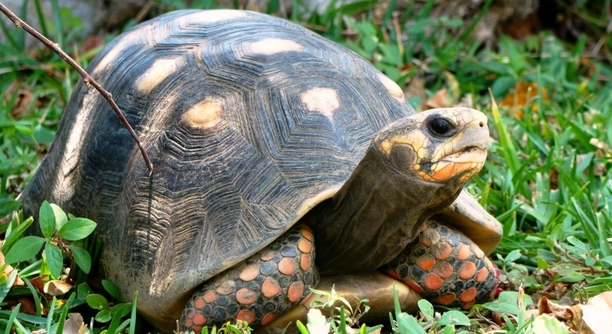
When you bring a red-footed tortoise into a new home, it’s natural to wonder how they are settling in. These reptiles can be sensitive to change, and it’s important to watch for signs of adjustment.
A red-footed tortoise adjusting well to a new environment will show increased activity, good appetite, proper hydration, and a comfortable shell posture. They may explore their surroundings, bask in warm areas, and maintain normal behaviors within a few weeks.
Recognizing these signs early on will help ensure that your tortoise is adapting as expected. This guide will help you monitor their progress.
Increased Activity and Exploration
When your red-footed tortoise is adjusting well, one of the first signs you’ll notice is an increase in activity. In a new environment, tortoises tend to explore their surroundings more often as they get used to the space. This behavior shows that they’re beginning to feel more comfortable.
While exploring, they may actively search for food, water, and places to hide. It’s important to provide plenty of safe spaces for them to roam around. As they grow more confident, they’ll start to move more freely, often becoming more curious about the space you’ve created for them.
Tortoises are creatures of habit, and if they’ve found their environment to be safe and comfortable, they will start exhibiting more natural behaviors like digging, basking, and interacting with their habitat. These small steps in their exploration are a sign of their adjustment, letting you know they are settling in just fine.
Appetite and Eating Habits
A healthy appetite is another clear indication that your red-footed tortoise is adjusting well. Their feeding behavior can reveal how they’re managing in their new environment. If they are eating with regularity and interest, they’re likely feeling more comfortable.
Their diet consists of fruits, vegetables, and leafy greens. Ensure that they have access to fresh, nutritious food that suits their dietary needs. This ensures that your tortoise is not only adjusting to the environment but is also thriving in it. As they settle in, you’ll notice they begin to approach feeding time eagerly. A tortoise who’s eating well is usually a sign that their stress levels are low, and they’re becoming familiar with their new surroundings.
Proper Hydration and Healthy Shell Posture
Hydration is crucial to a tortoise’s health, and its drinking habits are often a good indicator of how well it’s adjusting to a new home. When your red-footed tortoise is settling in, you’ll notice that it drinks more regularly and seems to be comfortable with its water source. Proper hydration plays a key role in their overall well-being. It’s also a sign of good environmental conditions, such as an appropriately maintained temperature and humidity.
In addition to hydration, healthy shell posture is another sign of adjustment. If your tortoise is resting in a natural, relaxed position, it’s a good indicator that it feels secure. A tortoise that huddles in a corner or tucks into its shell may be stressed or unsure of its surroundings. Conversely, a tortoise sitting in a comfortable, open posture shows that it is adjusting well.
Keep monitoring their hydration and shell posture regularly. These are simple yet important ways to gauge how well your red-footed tortoise is adapting. A steady routine of healthy habits is a clear signal of a happy and comfortable pet.
Basking and Temperature Regulation
One of the most noticeable behaviors of a red-footed tortoise adjusting to a new home is basking. They will seek out warm spots in their environment to regulate their body temperature. This natural instinct helps them stay healthy.
Your tortoise will often spend time in areas with appropriate lighting and heat. If they’re basking regularly, it shows that they feel safe and comfortable enough to engage in this behavior. Proper temperature is essential for their digestion and overall health, so make sure the basking area stays warm enough for them to thrive.
If they’re not basking, it could signal that the temperature or lighting is not right. Tortoises are sensitive to their surroundings and need the right environment to feel comfortable. Adjust the conditions, and they’ll likely start basking again, showing that they are properly adjusting.
Behavior Consistency and Normal Habits
As your red-footed tortoise gets used to its new surroundings, you’ll begin to notice consistent behaviors that signal comfort. They will follow their usual routines, such as eating, drinking, and exploring, at regular intervals.
Their normal habits help them feel secure, and when these behaviors continue without signs of stress or disruption, it’s a good indication they are adapting well. It’s important to observe these routines and ensure that their environment is not causing unnecessary stress.
While some tortoises may take time to adjust, most will return to their familiar patterns as they feel more at ease. When you see these behaviors emerge, you can be confident that they are settling in and becoming more comfortable.
Positive Social Behavior
Your red-footed tortoise might show positive social behavior once they’re adjusting to their new home. If they seem curious and not overly shy, it’s a good sign they’re settling in.
They may begin to interact more, exploring their environment and coming near you or other pets. These interactions are a clear sign of comfort.
Exploring New Spaces
A tortoise exploring new spaces indicates they are getting familiar with their surroundings. This behavior suggests they feel safe and are adjusting well. If they’re consistently moving around their habitat, it’s an encouraging sign.
Exploration is important for a tortoise’s mental and physical health. As they explore, they’re also engaging in necessary activities like finding food and water. It’s also a way to establish territory in their new environment.
Resting Comfortably
When your red-footed tortoise begins resting comfortably in different spots, it’s an indication of good adjustment. They will find places where they feel secure and sleep peacefully. This shows they are comfortable with their surroundings.
Make sure their resting spots are quiet and undisturbed to help them rest fully. A happy, well-rested tortoise will show fewer signs of stress and more signs of contentment.
FAQ
How long does it take for a red-footed tortoise to adjust to a new home?
The adjustment period for a red-footed tortoise can vary, but generally, it takes about 1 to 2 weeks for them to begin feeling comfortable in their new environment. During this time, they may seem shy or inactive. Over time, as they explore and adapt, they will show more signs of comfort and confidence.
What should I do if my red-footed tortoise is not eating in its new home?
If your tortoise isn’t eating, check the temperature and humidity levels in their habitat. They may not be comfortable with the environment, which can affect their appetite. Ensure they have access to fresh food and water, and consider giving them time to adjust. If the problem persists, a visit to the vet may be necessary.
Why is my red-footed tortoise hiding all the time?
Hiding is common for tortoises adjusting to new environments. It’s their way of feeling secure. If your tortoise is hiding, check that their habitat is set up correctly with plenty of hiding spots and proper temperature. As they get used to their new space, they should come out more often.
Can I handle my red-footed tortoise while it’s adjusting?
It’s best to give your tortoise space during the initial adjustment period. Handling them too much can cause stress, so allow them time to explore their new home on their own terms. Once they show signs of comfort and curiosity, you can gradually introduce gentle handling.
How can I tell if my red-footed tortoise is stressed?
Signs of stress in a red-footed tortoise include lack of appetite, excessive hiding, or a more withdrawn posture. They may also exhibit pacing or other repetitive behaviors. If these signs persist, it could indicate that something in their environment is not ideal, and adjustments may be necessary.
What temperature should I keep my red-footed tortoise’s habitat at?
The ideal temperature for a red-footed tortoise’s habitat is between 75°F and 85°F during the day, with a basking area that reaches about 90°F. At night, the temperature can drop to around 70°F. Make sure to provide a gradient so your tortoise can regulate its body temperature.
How can I make my red-footed tortoise feel more comfortable in its new habitat?
To help your red-footed tortoise feel more comfortable, provide them with plenty of hiding spots, a consistent temperature, and a balanced diet. Avoid sudden changes to their environment, and ensure they have access to both water and food. Patience is key as they adjust.
How often should I feed my red-footed tortoise in its new home?
Red-footed tortoises should be fed daily when they’re settling into a new home. Offer a variety of leafy greens, fruits, and vegetables to keep them healthy. Monitor their eating habits, as a lack of interest in food can be a sign that they are still adjusting.
Is it normal for my red-footed tortoise to be more active during certain times of day?
Yes, red-footed tortoises are more active during the warmer parts of the day, especially when the basking area is at the right temperature. You’ll notice that they become less active at night, when they rest and hide. Keeping a consistent day-night cycle will help regulate their activity levels.
Should I be concerned if my red-footed tortoise isn’t basking right away?
Not immediately. If your tortoise isn’t basking, it may still be adjusting to its new environment. However, over time, they should begin to seek out warm areas. Ensure your habitat provides the right heat and light, and give them some time. If there are still no signs of basking after a few weeks, consult a vet.
What kind of lighting does my red-footed tortoise need?
Red-footed tortoises need both UVB light and a heat source. The UVB light helps them process calcium and prevents metabolic bone disease. A basking lamp should be used during the day to create a warm area, and the UVB light should be on for 10 to 12 hours each day.
Can I put other pets in the same habitat as my red-footed tortoise?
It’s not recommended to house your red-footed tortoise with other pets, especially other reptiles. Tortoises can be territorial, and introducing another animal can cause stress. If you want to let them interact with other pets, do so cautiously and under supervision.
What should I do if my red-footed tortoise is digging excessively?
Digging can be a normal behavior as tortoises explore their environment, especially when adjusting. However, excessive digging might indicate stress or discomfort. Check their habitat to ensure they have adequate hiding spots and the right environmental conditions. If the behavior continues, consider consulting a vet.
What are the signs that my red-footed tortoise is not adjusting well?
Signs of poor adjustment include a lack of appetite, lethargy, frequent hiding, or unusual aggression. If your tortoise is showing these behaviors for an extended period, it may be due to environmental stress, illness, or improper habitat conditions. Addressing the issues quickly can help them adjust more smoothly.
How long should I wait before making changes to my red-footed tortoise’s habitat?
Give your tortoise at least 1 to 2 weeks to adjust before making any major changes to their environment. Tortoises need time to explore and become familiar with their new space. If changes are necessary, make them gradually to prevent further stress.
Final Thoughts
Adjusting to a new home can be a significant change for your red-footed tortoise, and it’s important to be patient during this period. The time it takes for them to feel comfortable can vary, but most tortoises will start showing signs of adjustment within 1 to 2 weeks. During this time, they may appear shy or less active, but with the right environment and a consistent routine, they will gradually begin to feel more at ease. Providing a safe, calm space with appropriate temperatures, lighting, and hiding spots is crucial to help them adapt smoothly.
While your red-footed tortoise is adjusting, it’s essential to avoid overwhelming them. They may not be ready for frequent handling or interaction right away, and that’s okay. Instead, allow them to explore their new habitat at their own pace. A gradual approach to handling and socialization will ensure that they feel secure and not stressed. Keep monitoring their behavior for any signs of distress or discomfort, such as a lack of appetite or excessive hiding, as this could indicate that something in their environment needs adjustment. Your attention to their needs will pay off as they become more relaxed and confident.
Remember, every tortoise is unique, and some may take longer than others to adjust to a new home. By maintaining a calm and supportive environment, you will help your red-footed tortoise settle in comfortably. Regularly check their habitat conditions, offer a balanced diet, and give them time to rest and explore. With these steps, your tortoise will thrive and become more comfortable with their new life. Over time, they will begin to exhibit positive behaviors, like exploring their environment, interacting more, and resting peacefully, signaling that they have truly settled in.

Hello,
If you enjoy the content that we create, please consider saying a "Thank You!" by leaving a tip.
Every little bit helps us continue crafting quality advice that supports the health, happiness, and well-being of pets around the world, for pets of all shapes, sizes, and species.
We really appreciate the kindness and support that you show us!