
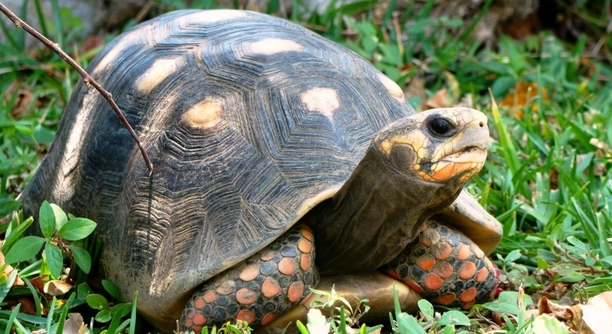
Creating the ideal environment for your red-footed tortoise involves choosing the right climbing accessories. These accessories not only provide enrichment but also support their physical well-being. The right setup is essential for their health and happiness.
Climbing accessories for red-footed tortoises help replicate natural environments, providing opportunities for exercise, exploration, and stimulation. These items, including ramps, logs, and rocks, are crucial for promoting natural behaviors and ensuring a safe, enriching habitat.
Adding climbing accessories can significantly improve your tortoise’s enclosure. Let’s explore how these tools contribute to a healthier, more engaging space for your pet.
The Importance of Proper Climbing Accessories for Red-Footed Tortoises
Providing a variety of climbing accessories is crucial to a red-footed tortoise’s well-being. These tortoises naturally climb over logs, rocks, and various terrain in their habitat. When housed in captivity, it is important to replicate this natural behavior by offering suitable climbing structures. The right accessories can improve their physical health, allowing them to stretch their muscles and maintain a healthy weight. In addition, climbing helps tortoises engage in natural behaviors that promote mental stimulation, which is vital for overall well-being.
These climbing accessories also help create a more dynamic and visually engaging enclosure. Incorporating different textures and structures allows your tortoise to feel more at home, reducing stress. By integrating ramps, logs, and rocks, you offer a variety of challenges that keep them active and curious. This is essential for creating an enriching environment that meets the tortoise’s behavioral needs. Proper climbing accessories will also assist in avoiding any health issues like obesity or joint problems that arise from lack of movement.
Overall, creating an engaging enclosure not only benefits your tortoise physically but also helps in maintaining their mental health.
Choosing the Right Materials for Climbing Accessories
Selecting the appropriate materials for your tortoise’s climbing accessories is key to safety and durability. Natural materials such as untreated wood and rocks are ideal for creating a secure climbing environment.
When choosing materials, ensure that they are free of chemicals or sharp edges. Untreated wood provides a sturdy surface for climbing, while rocks mimic the tortoises’ natural habitat, offering a comfortable climbing experience. Ensure that the items you add are non-toxic and easy to clean. Safe materials will minimize health risks for your tortoise.
Additionally, incorporating various textures, such as smooth and rough surfaces, gives your tortoise the opportunity to exercise their claws and adjust their grip. This variety also ensures that they remain interested in their enclosure. A mix of wood, rocks, and even safe plastic can create a functional and aesthetically pleasing setup that both benefits the tortoise and enhances the look of their habitat.
Benefits of Adding Ramps to the Enclosure
Ramps are essential for helping red-footed tortoises climb and explore different levels of their enclosure. They can be placed at various angles, giving your tortoise access to higher spots for basking or resting. Ramps encourage natural climbing behavior, allowing for better muscle development and mobility.
Ramps also offer a safe way for tortoises to transition between different areas of their enclosure. It prevents them from having to jump or strain themselves, which could lead to injury. By using sturdy, non-slip material for ramps, you ensure your tortoise’s safety while still providing a challenge for their climbing abilities. Ramps are especially useful for older tortoises that may struggle with jumping.
Furthermore, ramps help maximize space in the enclosure by utilizing vertical surfaces. This gives the tortoise more room to roam and explore. By placing ramps strategically, you can create a dynamic environment that stimulates your tortoise both physically and mentally.
Incorporating Rocks for Natural Climbing Surfaces
Rocks are a natural and beneficial addition to any red-footed tortoise’s enclosure. They allow tortoises to climb and hide, offering both mental stimulation and physical exercise. Rocks can be stacked to create different heights, making it more exciting for your tortoise to explore and climb.
The variety of rock surfaces gives your tortoise the opportunity to practice balance and coordination. Rough surfaces mimic natural habitats and help wear down the tortoise’s nails, preventing overgrowth. Be sure to choose rocks that are large enough to prevent tipping or instability. Secure them properly to avoid accidents that could harm your tortoise.
Placing rocks near basking areas also gives your tortoise more options for resting. Tortoises enjoy basking in elevated spots where they can feel the warmth from overhead lights or natural sunlight. Rocks provide a natural environment that encourages these behaviors while ensuring your tortoise has a secure climbing structure.
Using Logs to Create Climbing Opportunities
Logs offer an excellent way for red-footed tortoises to engage in climbing. Their natural texture and shape encourage your tortoise to explore and climb, which is great for physical health. Logs also help create hiding spots and resting areas within the enclosure.
Logs are versatile and can be positioned in different ways to create ramps or bridges, giving your tortoise plenty of climbing opportunities. Their natural feel mimics outdoor environments, offering mental stimulation. Make sure the logs are securely placed and free of sharp edges to prevent injury.
Logs also add a rustic aesthetic to the enclosure, creating a more natural setting for your tortoise. They provide additional vertical space without overcrowding the area, ensuring your pet has plenty of room to move around comfortably.
Creating Elevated Areas for Basking
Elevated areas are essential for red-footed tortoises as they allow them to bask in the warmth. These areas mimic natural habitats where tortoises climb to higher ground to get the right temperature. Providing an elevated platform encourages natural behavior and temperature regulation.
The elevation provides your tortoise with more space and options for resting. Ensure the platform is stable and accessible through a gentle slope or ramp to avoid causing unnecessary strain. It’s also important to ensure the surface is smooth and safe for easy climbing.
By using rocks, logs, or ramps to create these elevated areas, you can enhance your tortoise’s environment. They’ll have a comfortable, safe spot to bask and enjoy warmth, benefiting their overall health.
Adding Climbing Vines
Climbing vines can provide both a natural look and functional climbing opportunities. They offer a soft surface for your tortoise to explore and practice climbing. The vines add another layer of texture, creating a more dynamic environment for your tortoise.
Vines should be placed securely to prevent any risk of the tortoise getting caught or tangled. Choose safe, non-toxic options to ensure your tortoise’s safety. They also help create shade in certain parts of the enclosure, giving your tortoise areas to retreat to if needed.
FAQ
What type of climbing accessories should I provide for my red-footed tortoise?
For red-footed tortoises, the best climbing accessories include ramps, logs, rocks, and climbing vines. These items provide opportunities for physical activity and mimic the natural environment, where tortoises are used to climbing over various terrain. Make sure the accessories are stable, non-toxic, and safe for your tortoise to climb on. A mix of textures, like rough and smooth surfaces, will help keep your tortoise engaged.
Are ramps necessary in a red-footed tortoise enclosure?
Ramps are very helpful for red-footed tortoises, especially when there are elevated areas in their enclosure. Tortoises naturally climb in the wild, and ramps provide them with a safe way to access different heights without straining themselves. They also help keep the tortoise active and engaged in climbing behavior. A well-placed ramp prevents injury, especially for older tortoises or those with mobility issues.
Can I use artificial materials for climbing accessories?
While natural materials like wood, rocks, and vines are ideal, artificial materials can be used as long as they are safe and non-toxic. For example, plastic ramps or synthetic logs can still serve the same purpose as natural materials. Just ensure they are sturdy, smooth, and free from harmful chemicals that could affect your tortoise’s health.
How do I ensure the climbing accessories are safe?
Safety is a priority when adding climbing accessories. Ensure that all items are free of sharp edges, splinters, or anything that could cause harm. Items should also be stable and properly secured to prevent them from tipping over. Always check for any signs of wear and tear, and avoid using any materials that may be harmful if chewed or ingested by the tortoise.
How high should I place climbing accessories in the enclosure?
Climbing accessories should be placed at different heights, but nothing too high that could lead to injury if your tortoise falls. Keep platforms or logs at an angle or near a stable surface to reduce the risk of falling. The height should allow for safe climbing and provide a good view or basking spot without being too difficult for the tortoise to navigate.
How can I create a more natural environment for my red-footed tortoise?
To create a natural environment, include a variety of climbing surfaces like logs, rocks, and plants. Use a mix of materials, including natural wood and safe, non-toxic plants. Adding a substrate like soil or leaves will also help recreate a natural ground cover. Elevate some areas for basking and provide shaded areas where your tortoise can retreat when needed.
Should I use live plants in my tortoise’s enclosure?
Live plants can be a great addition, as long as they are safe for tortoises. Avoid using any plants that are toxic to tortoises, as they may nibble on them. Plants provide extra hiding spots, food sources, and create a more natural aesthetic. Consider plants like hibiscus, dandelions, and clover, which are safe and can be eaten by tortoises.
How often should I clean the climbing accessories?
Climbing accessories should be cleaned regularly to maintain hygiene. Wooden logs and rocks should be wiped down every few weeks and scrubbed to remove dirt, algae, or mold. Ensure that the materials dry completely before placing them back in the enclosure to prevent bacteria growth. For plastic or synthetic materials, a mild cleaning solution or water should suffice. Cleaning is important for your tortoise’s health and to avoid contamination.
Do I need to add a basking area in the enclosure?
Yes, a basking area is essential for red-footed tortoises. These tortoises need a warm, elevated area to bask and regulate their body temperature. This helps with digestion, overall health, and the natural behaviors of your tortoise. You can create a basking area using rocks, logs, or other elevated surfaces that can hold the heat from a basking light or natural sunlight.
Can climbing accessories help with my tortoise’s mental stimulation?
Yes, climbing accessories are great for mental stimulation. Providing different surfaces, textures, and heights encourages exploration and problem-solving. Tortoises are intelligent and curious animals that thrive on the challenge of navigating their environment. A variety of climbing options prevents boredom and promotes natural behaviors, helping your tortoise stay mentally active and healthy.
Should I place climbing accessories near food or water sources?
It is better to place climbing accessories away from the food and water sources to give your tortoise some space. This ensures that they can climb freely without disturbing their feeding or drinking routine. It also reduces the risk of contamination of the food or water by dirt from the climbing items. Keep the climbing structures separate, but still within easy access for your tortoise.
How do I adjust the enclosure as my tortoise grows?
As your red-footed tortoise grows, you may need to adjust the height or stability of climbing accessories. Larger tortoises may require wider or sturdier logs and platforms. Make sure there is enough space for them to move around comfortably. If your tortoise becomes heavier, ensure the structures can support their weight and prevent any accidents. Adjusting the layout as they grow will keep them safe and active.
Is it necessary to provide climbing opportunities for juvenile tortoises?
While juvenile tortoises may not be as interested in climbing as adults, providing climbing accessories can help with their development. The exercise from climbing helps strengthen muscles, improves coordination, and encourages natural behaviors. As they mature, they’ll become more active and will benefit from the opportunities to climb and explore. Even for young tortoises, a mix of flat and slightly elevated surfaces will encourage movement and exploration.
What should I do if my tortoise seems afraid of the climbing accessories?
If your tortoise seems hesitant to use the climbing accessories, give them time to adjust to their new environment. Start with lower ramps or gentle inclines that are easy to navigate. Gradually increase the height as they become more confident. Tortoises are creatures of habit and may need some time to feel comfortable with the changes in their space. Never force them to climb but allow them to explore at their own pace.
Final Thoughts
Creating the right environment for a red-footed tortoise is essential for their well-being. Climbing accessories are a great way to enhance their enclosure and provide physical and mental stimulation. Tortoises are naturally curious creatures, and offering them the opportunity to climb will encourage exploration and mimic their natural behaviors. By including items such as logs, ramps, rocks, and vines, you create a dynamic environment that encourages movement and activity. This not only helps keep your tortoise physically fit but also gives them a more engaging and enriching habitat.
While adding climbing accessories, it’s important to prioritize safety. Make sure all items are stable, non-toxic, and free of sharp edges that could cause injury. The accessories should be easy for your tortoise to navigate without too much effort, ensuring they don’t overexert themselves. Pay attention to the placement of these items, making sure there are no dangerous heights that could lead to falls. A secure, stable enclosure with well-placed climbing structures will allow your tortoise to roam freely while also providing them with the right level of challenge to stay active.
As your tortoise grows, it’s essential to adjust the climbing accessories to meet their changing needs. Over time, your tortoise will become more comfortable using the structures, and you might need to make changes to keep up with their size and activity levels. Keeping their enclosure fresh with new climbing options will ensure they remain engaged and active for years to come. By paying attention to their safety and comfort, you can create an ideal environment where your red-footed tortoise can thrive.

Hello,
If you enjoy the content that we create, please consider saying a "Thank You!" by leaving a tip.
Every little bit helps us continue crafting quality advice that supports the health, happiness, and well-being of pets around the world, for pets of all shapes, sizes, and species.
We really appreciate the kindness and support that you show us!