
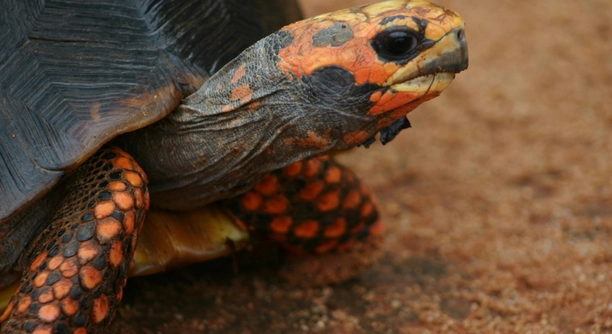
Red-footed tortoises are known for their varied diet, which includes fruits like raspberries. These fruits offer nutritional benefits but should be fed in moderation. It’s important to understand how often they can enjoy this treat.
Raspberries can be safely fed to red-footed tortoises in moderation. While they are rich in nutrients like fiber and antioxidants, offering them too frequently may lead to digestive issues due to their high sugar content.
Feeding raspberries occasionally ensures a healthy, balanced diet. Knowing the right frequency of this treat will help maintain your tortoise’s health and well-being.
Nutritional Benefits of Raspberries for Red-Footed Tortoises
Raspberries are a healthy option for red-footed tortoises when served in moderation. They contain vitamins like vitamin C and antioxidants, which support the immune system and overall health. The fiber in raspberries can also aid in digestion, helping to keep your tortoise’s digestive system functioning properly. However, the high sugar content in raspberries means they should be fed sparingly. Too many sugary fruits can upset your tortoise’s balance, leading to potential health issues such as obesity or digestive problems. When considering adding raspberries to their diet, it’s important to monitor the frequency and amount offered.
Feeding red-footed tortoises raspberries every once in a while can be a nice treat.
It’s key to balance their diet with a variety of other fruits, vegetables, and leafy greens. Variety is important because no single food provides all the necessary nutrients for optimal health. Raspberries, while beneficial, should not be the primary fruit in your tortoise’s diet.
Frequency of Feeding Raspberries to Red-Footed Tortoises
Red-footed tortoises should only be given raspberries once or twice a week. Overfeeding can lead to excessive sugar intake, which may cause weight gain or digestive issues. Moderation is key to keeping your tortoise healthy and preventing the negative effects of too much sugar.
Raspberries should be a treat, not a regular part of their diet. Offering them too often can disrupt the balance of nutrients in their meals. Ideally, fresh leafy greens and vegetables should make up the majority of their diet. This ensures they receive the right balance of nutrients.
To keep things balanced, pair raspberries with other healthy fruits. Consider offering a mix of safe fruits like melon or papaya alongside the raspberries. This way, you can provide a variety of flavors and nutrients without overloading on sugar. Variety in their diet supports their overall health and well-being.
Potential Risks of Too Many Raspberries
Feeding red-footed tortoises raspberries too often can lead to health risks. High sugar content can upset their digestive system, causing diarrhea or dehydration. Additionally, excessive sugar may contribute to obesity over time, especially if not balanced with proper exercise. It’s important to pay attention to portion sizes to avoid these issues.
To prevent problems, always monitor how much fruit is given at once. Keep the portion sizes small, ensuring raspberries are not the main focus of their diet. A healthy tortoise diet should be diverse, including a mix of leafy greens, vegetables, and occasional fruits like raspberries. By offering small amounts of fruit, you can avoid overfeeding sugary treats.
How to Prepare Raspberries for Your Tortoise
Rinse raspberries thoroughly before offering them to your red-footed tortoise. Removing pesticides and dirt ensures a safer treat. Serve the berries whole, as they are small enough for your tortoise to handle easily. Avoid cutting them, as this can lead to unnecessary waste.
After rinsing, remove any damaged or moldy raspberries. Always inspect fruit for signs of rot or decay, as spoiled berries can cause harm to your tortoise. Fresh fruit will provide the most nutritional benefit. Once prepared, offer them in small amounts to avoid overwhelming your tortoise’s digestive system.
Other Fruits to Offer Your Tortoise
Besides raspberries, red-footed tortoises can enjoy other fruits in moderation, such as papaya, melon, and banana. These fruits provide variety and additional nutrients. When introducing new fruits, ensure they are safe for your tortoise and that they complement their regular diet of leafy greens and vegetables.
Fruits like melon and papaya offer hydration, while banana provides potassium. By rotating different fruits, you can create a well-rounded, diverse diet for your tortoise. However, it’s essential not to rely too heavily on fruits with high sugar content.
Signs of Overfeeding Fruit
If your red-footed tortoise shows signs of lethargy, weight gain, or digestive issues, it may be a result of overfeeding fruits like raspberries. When fed too often, high sugar fruits can cause a drop in energy levels or soft stools. Reducing fruit intake can help restore balance.
FAQ
Can red-footed tortoises eat other berries?
Yes, red-footed tortoises can eat a variety of berries, including strawberries, blueberries, and blackberries. Like raspberries, these should be offered in moderation due to their high sugar content. Offering them as occasional treats will help maintain a healthy balance in their diet. Ensure all berries are fresh and washed thoroughly before serving. While berries can provide essential vitamins, they should not be the main focus of their diet.
How often should raspberries be fed to red-footed tortoises?
Raspberries should be given to red-footed tortoises once or twice a week. This ensures that the tortoise receives the nutritional benefits without the risk of consuming too much sugar. A healthy tortoise diet consists mainly of leafy greens, vegetables, and some fruits, but fruits like raspberries should remain an occasional treat. Overfeeding sugary fruits can lead to digestive issues or weight gain.
Are there any fruits that should be avoided for red-footed tortoises?
Yes, there are some fruits that should be avoided. Citrus fruits like oranges, lemons, and grapefruits can cause digestive issues due to their acidity. Also, fruits with high oxalate levels, such as rhubarb and certain types of spinach, should be limited or avoided, as oxalates can interfere with calcium absorption. Always research any fruit before introducing it to your tortoise’s diet.
What other foods can be given to red-footed tortoises?
In addition to fruits, red-footed tortoises should primarily eat leafy greens like collard greens, dandelion greens, and mustard greens. Other vegetables like squash, bell peppers, and carrots are also good choices. Offer a variety of foods to ensure they are getting all the nutrients they need. Avoid feeding them processed or high-fat foods, as these can cause health issues over time.
How can I tell if my tortoise is eating too many raspberries?
Signs that your tortoise may be eating too many raspberries include soft stools, lethargy, or visible weight gain. If these symptoms occur, reduce the frequency of raspberry feedings. Overconsumption of sugary fruits can disrupt the balance of your tortoise’s digestive system. A healthy tortoise diet should consist mostly of leafy greens and a variety of vegetables.
Can raspberries cause diarrhea in red-footed tortoises?
Yes, raspberries can cause diarrhea if fed in excess. The high sugar content can upset the digestive system of your tortoise, especially if they are not used to sugary foods. Always start with small portions and observe your tortoise for any changes in stool consistency. If diarrhea occurs, reduce the amount of raspberries and other sugary fruits in their diet.
Can I feed my tortoise raspberries that are frozen?
Frozen raspberries can be offered to your tortoise, but they must be thawed before feeding. Frozen fruits should not be served directly from the freezer, as they may be too cold and could potentially cause digestive discomfort. Always thaw frozen fruit at room temperature, and inspect it for any signs of spoilage before offering it to your tortoise.
Should raspberries be a regular part of a tortoise’s diet?
No, raspberries should not be a regular part of a red-footed tortoise’s diet. They should be offered as an occasional treat due to their high sugar content. A well-balanced tortoise diet should consist primarily of leafy greens, vegetables, and a small amount of fruit. Moderation is key when feeding fruits like raspberries to avoid potential health problems.
Can raspberries help with hydration for red-footed tortoises?
Raspberries can help with hydration due to their high water content. While not a replacement for fresh water, offering raspberries occasionally can provide extra moisture. However, do not rely solely on fruits for hydration. Always ensure your tortoise has access to fresh, clean water at all times.
What happens if my tortoise eats too many raspberries?
If your tortoise consumes too many raspberries, they may experience digestive upset, diarrhea, or weight gain. The excess sugar can disrupt their digestive system, leading to uncomfortable symptoms. If you notice these issues, reduce the frequency of raspberries and consult a veterinarian if the problem persists.
Final Thoughts
Feeding your red-footed tortoise raspberries can be a healthy treat when done in moderation. These berries provide vitamins, antioxidants, and hydration, but they should not be the main focus of their diet. A healthy, balanced diet for your tortoise should consist mostly of leafy greens, vegetables, and some fruits. Raspberries and other fruits should be reserved for occasional treats to ensure your tortoise stays healthy and doesn’t consume too much sugar. If you want to keep your tortoise’s diet varied and nutritious, it’s best to offer different fruits in small amounts.
It is important to always prepare raspberries correctly before feeding them to your tortoise. Wash the berries thoroughly to remove any pesticides or dirt. Make sure to remove any damaged or moldy raspberries as these could cause digestive issues for your tortoise. Serving the berries in moderation helps avoid overfeeding sugary fruits, which can lead to health problems like weight gain or digestive upset. Make sure to monitor your tortoise’s reaction after eating raspberries. If you notice any changes in their behavior or digestive health, adjust the amount of fruit in their diet accordingly.
By offering a variety of foods, you can ensure that your red-footed tortoise gets the nutrients it needs for a long and healthy life. Fruits like raspberries are a fun way to add diversity to their meals but should never replace the primary food sources of leafy greens and vegetables. Always research new foods before offering them to your tortoise to make sure they are safe and beneficial. A balanced, well-rounded diet will help your tortoise thrive and stay in good health.

Hello,
If you enjoy the content that we create, please consider saying a "Thank You!" by leaving a tip.
Every little bit helps us continue crafting quality advice that supports the health, happiness, and well-being of pets around the world, for pets of all shapes, sizes, and species.
We really appreciate the kindness and support that you show us!