
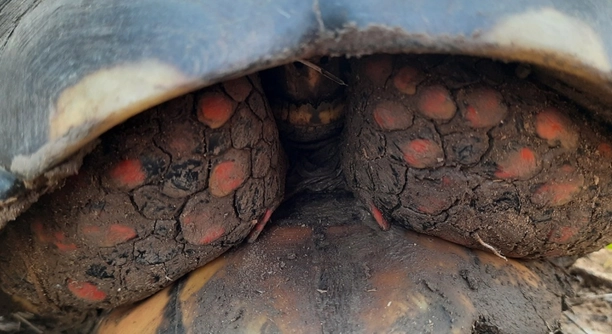
Red-footed tortoises are wonderful pets, but like any pet, they require proper care to stay healthy. Overfeeding can lead to several health problems, so it’s important to manage their diet effectively. Here are some tips to prevent overeating.
To prevent overeating in red-footed tortoises, it is crucial to provide them with a balanced diet, establish consistent feeding schedules, and control portion sizes. Additionally, you should avoid overfeeding high-calorie foods and encourage exercise through environmental enrichment.
By making a few simple changes to your tortoise’s daily routine, you can ensure they stay happy and healthy. Proper diet management will help prevent health issues and promote longevity. Let’s explore some key strategies for maintaining the right feeding habits.
Offer a Balanced Diet
A red-footed tortoise thrives on a diet that includes a variety of vegetables, fruits, and occasional protein. Offering a balanced meal not only helps prevent overeating, but it also promotes overall health. Too much of one food, especially high-calorie items, can lead to obesity. Focus on leafy greens, such as dandelion greens, collard greens, and kale, as well as fruits like papaya, mango, and strawberries. Additionally, you can occasionally add protein in the form of insects or cooked eggs, but keep this limited. A healthy balance ensures your tortoise receives the nutrients it needs without overindulging.
Portion control is key when feeding your tortoise. Overfeeding can lead to weight gain and unhealthy eating habits. It’s essential to measure out their food properly to avoid excess.
Creating a feeding routine is just as important. Try to feed your tortoise at the same time every day and avoid offering food outside of their regular meals. This helps their digestive system and prevents them from expecting food all the time. Monitoring the amounts you give will help ensure they stay within healthy weight limits. Keep track of their food intake, and remember that red-footed tortoises should eat in moderation for the best health outcomes.
Control Feeding Frequency
Feeding your tortoise once or twice a day is sufficient. Overfeeding them by offering food too often can lead to overeating. It’s important to establish a set feeding schedule.
Having set feeding times and sticking to a routine prevents overfeeding. Additionally, by offering smaller portions at those times, your tortoise will learn to adjust to appropriate meal sizes. This reduces the risk of them grazing more than necessary and helps maintain healthy body weight.
Provide Appropriate Food Types
Certain foods are more suitable for your tortoise than others. Stick to vegetables and fruits with lower sugar content to prevent weight gain. Avoid feeding too many high-calorie treats like bananas and grapes. Instead, focus on fiber-rich options like grass, herbs, and leafy greens to support their digestive system.
Variety is essential in keeping your tortoise healthy. While you can offer fruits and vegetables, make sure the majority of their diet consists of fibrous plants. Providing a mix of safe, nutritious foods will give your red-footed tortoise the best chance for long-term health. Avoid sugary or fatty foods that contribute to excessive weight gain.
Along with healthy foods, ensure fresh water is always available. Hydration is key to digestion and overall well-being. A dehydrated tortoise can become lethargic or suffer from kidney issues. Regular access to fresh water will help them stay active and healthy, avoiding some common health problems.
Use Food Enrichment
To prevent overeating, make mealtime more engaging for your tortoise. Instead of simply offering a plate of food, scatter it around their habitat. This encourages foraging behavior and keeps your tortoise mentally stimulated. It can also slow them down during feeding time, reducing the risk of overeating.
Enrichment methods like hiding food in different areas can help mimic the tortoise’s natural environment. This will make your tortoise work for its food, which is a more natural way to eat. It also ensures they are getting the exercise they need while eating. By slowing down their eating process, you reduce the chance of overeating and help them engage more fully with their surroundings.
Avoid Feeding High-Calorie Foods
Foods like bananas, grapes, and tomatoes are high in sugar and calories. While they can be offered occasionally, they should not make up the majority of your tortoise’s diet. Too much sugar can lead to obesity and other health problems, so it’s best to limit these treats.
If you want to offer these foods, give them in small portions and less frequently. It’s important to balance them with more nutritious, fiber-rich foods. You can offer a variety of greens, grasses, and vegetables to keep their diet well-rounded and healthy, avoiding excess calories.
Encourage Physical Activity
Exercise is just as important as diet for your tortoise. Make sure your pet has enough space to roam around and explore. This not only helps keep them active but also reduces the chance of overeating. A tortoise that has room to move will be less likely to overeat out of boredom.
A larger enclosure can help by giving your tortoise opportunities to wander and engage in natural behaviors. You can also add obstacles and objects for them to climb or hide around, which encourages more movement and keeps their body healthy. Regular physical activity aids digestion and promotes a healthy weight.
FAQ
How often should I feed my red-footed tortoise?
It’s best to feed your red-footed tortoise once or twice a day. Their feeding schedule should be consistent, and you should avoid offering food outside of these times. This helps maintain a healthy routine and reduces the chances of overeating. You can monitor their food intake and adjust portions as necessary to maintain their health.
Can I give my tortoise fruit every day?
While fruits are healthy in moderation, they should not be offered daily. Many fruits are high in sugar, which can lead to weight gain if fed too often. Offer fruits only a couple of times a week, and focus on providing a variety of vegetables and leafy greens most days.
What is the best food for a red-footed tortoise?
The best food for a red-footed tortoise includes leafy greens such as collard greens, dandelion greens, and turnip greens. You can also offer safe vegetables like squash, bell peppers, and carrots. In addition, fruits like papaya, mango, and strawberries are great for occasional treats. Always aim for a well-balanced diet with plenty of fiber.
Should I give my tortoise protein?
Yes, but only in moderation. Red-footed tortoises are omnivores and will eat small amounts of protein, such as insects, eggs, or lean meats. Protein should only be offered occasionally, as an excess can lead to weight gain or other health problems. Stick to offering protein once a week or less.
How do I prevent my tortoise from becoming overweight?
To prevent your tortoise from becoming overweight, ensure that you control portion sizes and avoid feeding too many high-calorie foods. Offer them a balanced diet of mostly fiber-rich plants and greens, and avoid overfeeding with sugary fruits. Regular exercise in a spacious enclosure will also help maintain a healthy weight.
How can I tell if my tortoise is overweight?
An overweight tortoise will often have difficulty moving around and may appear sluggish. You may also notice a rounder, softer body, and a noticeable belly that hangs lower than usual. Regular weight checks can help you monitor any changes, so you can adjust their diet and exercise as needed.
How much should I feed my red-footed tortoise?
The amount you feed your tortoise depends on its size and age. Generally, for adults, you can offer a variety of leafy greens and vegetables to fill about 80-90% of their diet. Young tortoises may need smaller portions, as they grow faster. A good rule of thumb is to offer a portion that is roughly the size of their shell when it comes to leafy greens.
What kind of enclosure does my tortoise need for exercise?
A spacious, outdoor enclosure with plenty of room to roam is ideal for encouraging exercise. Red-footed tortoises enjoy exploring, so providing them with natural obstacles like rocks, logs, and shrubs can keep them moving. If you keep your tortoise indoors, a large indoor enclosure with safe climbing objects and hiding spots can also work.
Can I overfeed my red-footed tortoise with vegetables?
While vegetables are important to a red-footed tortoise’s diet, overfeeding them can still be an issue. Even healthy vegetables, when given in excessive amounts, can lead to obesity. Monitor your tortoise’s weight and adjust the portion size if needed. Stick to offering a variety of veggies and make sure the portions are appropriate for their size.
Are there any foods I should completely avoid feeding my tortoise?
Yes, some foods should be completely avoided. These include foods high in oxalates, such as spinach and beet greens, which can affect calcium absorption. Avoid feeding your tortoise processed foods, dairy, or foods high in fats and sugars, like chocolate, avocado, or processed meats. Always stick to natural, safe foods for your tortoise’s well-being.
How do I know if my tortoise is dehydrated?
Dehydration in tortoises can lead to lethargy, dry or cracked skin, and a lack of appetite. If your tortoise isn’t drinking water or seems sluggish, it could be dehydrated. Make sure they always have fresh water available and consider soaking them in warm water for 15-20 minutes to help with hydration. Regular hydration is important to keep their digestive system functioning properly.
What should I do if my tortoise refuses to eat?
If your tortoise refuses to eat, check for signs of illness or stress. Make sure their habitat is at the correct temperature, and that they are not being overfed. Sometimes, tortoises may refuse food if they are not feeling well or if their environment is not ideal. If they continue to refuse food, it’s best to consult a vet.
How can I provide a variety of food without overfeeding?
You can provide a variety of food by offering smaller portions of different foods throughout the week. Mix things up by offering different vegetables, fruits, and occasional proteins. It’s also a good idea to rotate the food types to ensure your tortoise gets a balanced diet without overfeeding on any one item. Always monitor portion sizes and adjust accordingly.
Can I feed my tortoise directly from the garden?
Yes, but be cautious. Ensure that the plants from your garden are free of pesticides or chemicals. Only offer safe, edible plants that are suitable for tortoises. Many common garden plants are safe, such as dandelion greens and clover. Always research the safety of plants before feeding them to your tortoise.
Final Thoughts
Taking care of a red-footed tortoise involves more than just feeding them regularly. Proper diet management is crucial to avoid overeating and maintain your tortoise’s overall health. By offering a variety of fresh, nutritious foods and controlling portions, you can help your tortoise stay fit and active. Reducing high-calorie treats and ensuring a balanced diet will help prevent obesity, which is a common problem in many tortoises. It’s important to be mindful of what you feed them and how often you offer food, as this directly impacts their well-being.
Exercise is also a key part of keeping your tortoise healthy. Giving them enough space to roam and explore encourages physical activity, which helps with digestion and weight management. A well-enriched environment can also keep them mentally stimulated, preventing boredom that could lead to overeating. When your tortoise has the chance to move around freely and engage with its surroundings, it will naturally burn off excess calories. Keeping their habitat spacious and safe can make a big difference in their quality of life. A more active tortoise is a healthier tortoise, both physically and mentally.
Lastly, be patient and observant. Each tortoise is different, so it’s important to monitor their weight, behavior, and overall health regularly. If you notice any signs of weight gain or changes in their eating habits, adjust their diet or feeding routine accordingly. Providing a balanced diet, exercise, and a safe environment are the best ways to keep your red-footed tortoise happy and healthy for years to come. With proper care and attention, your tortoise will thrive, allowing you to enjoy the companionship of this unique and fascinating reptile.

Hello,
If you enjoy the content that we create, please consider saying a "Thank You!" by leaving a tip.
Every little bit helps us continue crafting quality advice that supports the health, happiness, and well-being of pets around the world, for pets of all shapes, sizes, and species.
We really appreciate the kindness and support that you show us!