
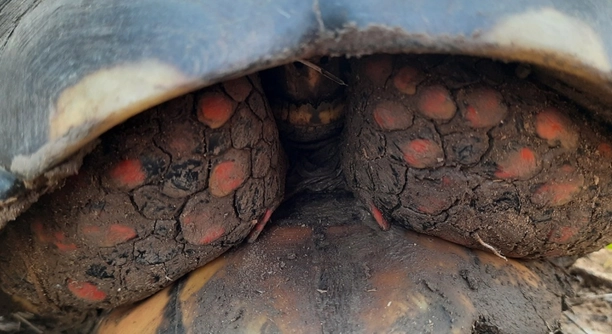
Monitoring your red-footed tortoise’s growth is essential to ensure it is developing properly. Growth signs help you track its health and make necessary adjustments to its care routine.
A healthy red-footed tortoise grows steadily and consistently, with a well-rounded shell and active behavior. Regular feeding, proper lighting, and a suitable environment play key roles in supporting their growth. Observing these signs can ensure their well-being.
Keep an eye on these key signs to make sure your red-footed tortoise is on the right track. Understanding their growth stages will help you support their development and happiness.
Consistent Growth Rate
As you care for your red-footed tortoise, observing its growth rate is crucial. A healthy tortoise grows steadily, with noticeable changes in size over time. It’s important to monitor how much it increases in both length and weight. Red-footed tortoises grow at different speeds, but regular growth, rather than sudden jumps, indicates good health. Keep track of its size every few weeks to ensure the growth remains consistent. If you notice slow or uneven growth, it might be a sign of improper care, such as poor diet or insufficient lighting.
Slow growth can often be caused by a lack of proper care, such as poor diet or an improper habitat. Make sure your tortoise is in an environment that supports its growth, with proper temperature and humidity levels.
A healthy diet is also key to supporting steady growth. Offering your red-footed tortoise a balanced diet of leafy greens, fruits, and vegetables can help it develop properly. Be sure to include calcium and vitamin supplements to support the shell’s hardening and overall strength. If your tortoise is growing too slowly, revisit its care routine and environment to ensure it’s getting what it needs. Proper growth will show as it becomes active, eats regularly, and continues to grow steadily over time.
Healthy Shell Development
A healthy, properly growing red-footed tortoise will develop a smooth, hard shell. The shell should have an even, symmetrical shape and grow without cracks or deformities. If the shell starts showing signs of weakness, such as soft spots or deformities, this could indicate issues with nutrition, lighting, or habitat conditions.
A consistent, symmetrical shell development is a sign that your tortoise is growing well. Ensure that your tortoise has enough access to calcium, sunlight, and vitamin D, as these are vital to a healthy shell.
Proper shell development is also influenced by how well your tortoise can bask under the right lighting. They need UVB light to process calcium and support shell growth. Without it, the shell may not harden correctly, leading to deformities. Consistently providing these conditions will help your red-footed tortoise grow a strong, sturdy shell. In addition, handling your tortoise with care and avoiding any pressure on the shell will prevent any potential damage. The shell should grow uniformly, without pits or soft areas, showing your tortoise is developing as expected.
Activity Level
A growing red-footed tortoise should be active, exploring its environment and moving around regularly. Lack of activity or excessive lethargy can signal health concerns.
A red-footed tortoise’s activity level is a good indicator of its growth and well-being. As they grow, they should show an interest in their surroundings, moving about, and foraging for food. If your tortoise is too sluggish, it could indicate problems like poor diet, wrong temperatures, or not enough light. Inadequate care can lead to inactivity, which may affect growth and development. A healthy tortoise is usually active during the day, walking around and eating when appropriate.
If you notice that your tortoise isn’t as active as usual, check its environment. Ensure the temperatures and humidity levels are in the right range. A basking spot with UVB light is crucial for both its activity and growth. If these conditions aren’t met, it may hinder its natural movements. Regular monitoring of your tortoise’s behavior can help identify any potential issues early on.
Proper Weight Gain
A growing red-footed tortoise should steadily gain weight over time. If it’s not gaining weight, it may indicate that something is wrong.
Tracking your tortoise’s weight helps you assess whether it’s growing properly. If the tortoise gains weight gradually, it’s likely that its diet and care are on track. However, too much weight gain could point to overfeeding or an unbalanced diet. Ideally, the weight gain should be proportional to the size and age of the tortoise. This ensures that your tortoise is not underfed or overfed, maintaining a healthy balance.
Make sure your red-footed tortoise is eating a balanced diet of leafy greens, fruits, and occasional protein. Overfeeding sugary fruits or fatty foods can lead to rapid weight gain, which isn’t healthy. If your tortoise isn’t gaining weight as expected, consider adjusting its diet. Over time, you’ll learn the signs of healthy weight gain and be able to make adjustments to support its proper growth.
Healthy Appetite
A red-footed tortoise that is growing properly will have a healthy appetite. It should eat regularly and show interest in its food.
If your tortoise isn’t eating enough, it could indicate stress, an illness, or poor habitat conditions. Appetite changes should be closely monitored, as they can signal underlying issues. Regular feeding is essential for growth, so make sure your tortoise is eating consistently.
You can offer a variety of leafy greens, fruits, and vegetables, ensuring the diet is balanced. If you notice a significant loss of appetite, check environmental factors such as temperature and lighting. A tortoise that is eating well will have the energy to explore and grow properly.
Proper Shell Shape
As your red-footed tortoise grows, its shell should gradually increase in size and maintain a smooth, symmetrical shape.
If the shell starts to show deformities, it might indicate nutritional deficiencies or improper living conditions. Over time, the shell should remain smooth, with no noticeable indentations or softness. Keep an eye on its development to ensure proper growth.
Bright Eyes and Clear Skin
A healthy red-footed tortoise will have clear, bright eyes and smooth skin. Any dullness or discharge could be a sign of health problems.
Make sure your tortoise is well-hydrated and that the habitat is clean. If you see any signs of illness, such as cloudy eyes or abnormal skin, consider adjusting its care.
FAQ
What is the ideal temperature for a red-footed tortoise’s habitat?
A red-footed tortoise needs a warm environment to thrive. The basking area should be around 90°F (32°C), while the cooler side of the enclosure should be about 75-80°F (24-27°C). At night, the temperature can drop to around 70°F (21°C). Proper temperature gradients are essential for digestion and overall health.
How often should I feed my red-footed tortoise?
You should feed your red-footed tortoise daily, offering a variety of fresh, leafy greens and vegetables. Fruits can be offered 2-3 times a week. Ensure that the diet is well-balanced with a mix of fiber and calcium-rich foods. Monitor its appetite to avoid overfeeding, which can lead to obesity.
What types of food are best for my red-footed tortoise?
Red-footed tortoises enjoy a variety of leafy greens like dandelion greens, collard greens, and mustard greens. You can also feed them fruits such as papaya, mango, and berries. Avoid feeding them high-fat or sugary foods in excess. Ensure that all food is clean and pesticide-free to prevent health issues.
How can I tell if my red-footed tortoise is dehydrated?
Signs of dehydration include sunken eyes, lethargy, and a dry or flaky skin texture. If you notice these symptoms, ensure your tortoise has access to fresh water at all times. You can also soak your tortoise in shallow, lukewarm water for 15-20 minutes to help with hydration.
Can my red-footed tortoise live outdoors?
Yes, red-footed tortoises can live outdoors in warmer climates. They need an enclosed space with shade, a warm basking area, and access to clean water. If you live in a cooler climate, it’s best to keep them inside to avoid temperature drops that could harm their health.
How do I ensure proper lighting for my red-footed tortoise?
UVB lighting is essential for your red-footed tortoise to absorb calcium and maintain a healthy shell. You should provide a UVB light source that covers the entire enclosure. It’s important to replace the bulb every 6-12 months as the UVB rays can weaken over time.
What should I do if my red-footed tortoise has a soft shell?
A soft shell can indicate a calcium deficiency or improper lighting. Ensure your tortoise has access to UVB light and a calcium supplement. You can dust its food with calcium powder and provide a proper basking area. If the condition persists, consult a vet to rule out other health problems.
How can I make sure my red-footed tortoise is growing at a healthy rate?
Track its growth by measuring its size regularly and monitoring its weight. A healthy tortoise should grow steadily, with a balanced diet and proper care. If you notice any unusual slowing of growth or a lack of appetite, revisit its environment, diet, and activity levels to ensure everything is in order.
Why does my red-footed tortoise sleep so much?
Tortoises may sleep more during colder months or if they feel stressed. Ensure that your tortoise’s habitat is within the proper temperature range and free from disturbances. If the sleeping persists even when conditions are ideal, consult a vet to check for any underlying health issues.
Is it safe to handle my red-footed tortoise often?
While red-footed tortoises are generally docile, handling them too often can cause stress. Limit handling to a few short sessions per week, ensuring it’s done gently. Always wash your hands before and after touching your tortoise to prevent the spread of bacteria or illness.
How can I tell if my red-footed tortoise is sick?
Signs of illness include a lack of appetite, lethargy, cloudy eyes, nasal discharge, or abnormal behavior. If you notice any of these symptoms, it’s important to consult a veterinarian with experience in reptiles. Early intervention can help prevent more serious health issues.
Can I keep more than one red-footed tortoise together?
Red-footed tortoises can be kept together, but it’s important to monitor them for aggression. Males may fight for territory or mates, so it’s generally better to keep them in separate enclosures unless they have plenty of space. Make sure there’s enough food and basking spots for all tortoises to avoid competition.
How do I maintain humidity levels for my red-footed tortoise?
Maintain humidity levels between 60-80% to ensure your red-footed tortoise stays healthy. You can achieve this by regularly misting the enclosure, providing a shallow water dish for soaking, and using a humidity gauge to monitor the levels. Proper humidity is important for skin shedding and overall hydration.
What is the lifespan of a red-footed tortoise?
Red-footed tortoises can live for 50 years or more with proper care. It’s important to commit to their long lifespan by providing them with a stable environment, a balanced diet, and regular veterinary checkups. These tortoises can be long-lived companions if treated with the right care.
What type of bedding should I use for my red-footed tortoise?
Use bedding that can retain moisture and provide a comfortable surface for your tortoise. Coconut coir, organic topsoil, or cypress mulch are good options. Avoid using sand or gravel, as they can cause digestive issues if ingested. Make sure the bedding is clean and dry to prevent bacteria growth.
Can my red-footed tortoise live with other pets?
It’s best to keep your red-footed tortoise in a separate enclosure from other pets. Many common household pets, such as dogs and cats, can be too rough or curious and may harm the tortoise. If you want to keep other animals, make sure there is a safe distance between them and the tortoise.
Should I take my red-footed tortoise to the vet regularly?
Yes, regular vet visits are important for maintaining your red-footed tortoise’s health. Annual checkups can help catch potential health issues early and ensure its shell, eyes, and overall condition are in good shape. Always consult a vet if you notice any signs of illness or unusual behavior.
Final Thoughts
Caring for a red-footed tortoise requires attention to detail, but with the right approach, you can ensure your tortoise grows healthily and happily. Their environment plays a crucial role in their overall well-being. Maintaining the right temperature, humidity, and lighting conditions is essential for proper growth. Regular monitoring of their size, weight, and activity level helps you track their progress and spot any potential problems early on. If you notice any signs of slow growth, poor shell development, or changes in appetite, it may be a signal to adjust their care routine.
Their diet is another important factor in their growth. Offering a balanced diet of fresh greens, fruits, and vegetables is vital. Don’t forget to include calcium and vitamin D supplements to support their shell development and overall health. Just as important is making sure they’re eating enough to fuel their growth. Keep track of their weight and ensure they’re gaining at a healthy rate. If they’re not eating enough or seem lethargic, you may need to reevaluate their care setup. Keeping an eye on their behavior and adjusting as needed will help them grow into strong, healthy adults.
Remember, a red-footed tortoise can live for many years, so consistency in care is key. Regular vet visits can help you monitor their health and catch any potential issues early. A proper habitat, a good diet, and attention to their overall health will set them up for a long and fulfilling life. With patience and the right care, your tortoise will thrive and be a wonderful companion for years to come.

Hello,
If you enjoy the content that we create, please consider saying a "Thank You!" by leaving a tip.
Every little bit helps us continue crafting quality advice that supports the health, happiness, and well-being of pets around the world, for pets of all shapes, sizes, and species.
We really appreciate the kindness and support that you show us!