
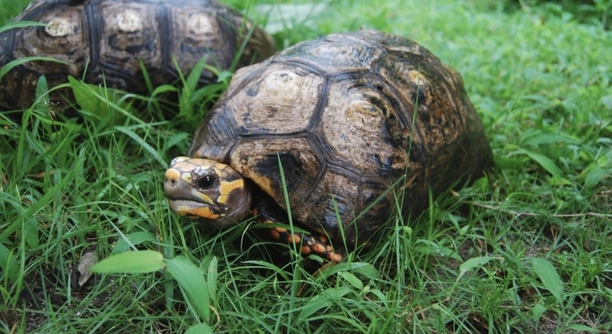
Owning a red-footed tortoise can be a rewarding experience. However, first-time owners often make mistakes that can affect their tortoise’s health and well-being. Understanding these common errors can make your pet’s care much easier and more enjoyable.
Many first-time red-footed tortoise owners make mistakes such as improper habitat setup, incorrect diet, and lack of proper hydration. These errors can lead to health problems like dehydration, shell issues, and stress, affecting the tortoise’s quality of life.
By avoiding these common mistakes, you can ensure your red-footed tortoise has the best care possible. Proper habitat, diet, and hydration are crucial for their long-term health. Let’s take a look at the most common pitfalls and how to prevent them.
Mistake #1: Incorrect Habitat Setup
One of the biggest mistakes first-time red-footed tortoise owners make is not providing the correct environment. These tortoises are native to humid, tropical regions and need an enclosure that mimics these conditions. A proper habitat includes a spacious area with heat lamps, UVB lighting, and a humidity level between 70-80%. Without these elements, your tortoise may become stressed or ill. Ensure there is a warm side and a cooler side in the enclosure to allow your tortoise to regulate its body temperature.
A lack of proper space and environmental control can lead to health issues, as the tortoise’s natural instincts are disrupted.
Making sure your pet feels comfortable in its environment is crucial. Keep the habitat clean, and maintain the right temperature and humidity levels. If you get this part right, your tortoise will thrive in its new home, reducing stress and promoting healthy behavior.
Mistake #2: Improper Diet
Many new owners don’t realize that red-footed tortoises require a very specific diet. While they are primarily herbivores, their food should include a variety of fruits, vegetables, and leafy greens. Avoid feeding them high-protein foods, such as meat, as this can harm their digestive system. Offer them calcium-rich foods like dandelion greens, collard greens, and occasionally, fruits like papaya.
A poor diet can cause issues like shell deformities or metabolic bone disease.
Your tortoise’s diet should always be fresh and free from pesticides or harmful chemicals. Additionally, make sure you are providing a proper calcium supplement if necessary. Keeping their diet balanced is a key part of ensuring long-term health.
Mistake #3: Inadequate Hydration
Many first-time owners fail to properly hydrate their tortoises. Red-footed tortoises need access to fresh water at all times. Dehydration can lead to serious health problems, including kidney failure or digestive issues. It’s important to offer water in a shallow dish, ensuring your tortoise can easily drink without risk of drowning.
In addition to providing water in their enclosure, you can also soak your tortoise in warm water for 20 to 30 minutes a few times a week. This helps them absorb moisture through their skin, keeping them properly hydrated.
If your tortoise isn’t drinking enough, try offering water at different times of the day or changing its water more frequently. Hydration plays a huge role in their overall health, and consistent access to water is essential.
Mistake #4: Not Understanding Temperature Needs
Temperature is a crucial factor for red-footed tortoises. These creatures require a warm environment to thrive, with a basking spot that reaches between 90-95°F (32-35°C). A cooler side should be around 75°F (24°C). Incorrect temperatures can lead to stress, poor digestion, and even hibernation attempts in non-native climates.
Without the correct heat gradient, your tortoise won’t be able to digest food properly or regulate its body temperature. This can cause long-term health problems like shell deformities or metabolic disorders. Additionally, they need access to UVB lighting to help process calcium and promote overall wellness.
It’s important to monitor your tortoise’s enclosure regularly with a thermometer. Ensuring the proper temperature range will keep your tortoise healthy, happy, and active. Remember, red-footed tortoises need both heat and UVB light to survive and thrive in captivity.
Mistake #5: Overfeeding
Overfeeding is another common mistake. Red-footed tortoises are slow eaters and don’t need to be fed large portions. Overfeeding can lead to obesity and shell deformities. Offer food in small amounts, and remove any uneaten food to prevent it from spoiling.
It’s essential to provide a balanced diet, not only in variety but also in quantity. Monitor your tortoise’s weight to ensure it stays healthy and avoids unnecessary weight gain.
Pay attention to portion sizes, offering just enough food for your tortoise to eat in one sitting. Always avoid feeding them too often to maintain their overall health.
Mistake #6: Ignoring Shell Health
Shell health is crucial for a red-footed tortoise. An unhealthy shell can indicate underlying issues such as poor diet, dehydration, or improper habitat. Regularly inspect your tortoise’s shell for signs of abnormalities, like softness, cracks, or discoloration. If you notice anything unusual, it’s important to consult a vet.
A healthy shell is a sign of a well-maintained tortoise, and keeping it that way requires regular care and attention. Make sure your tortoise is receiving enough calcium in its diet to promote shell health. Also, ensure the environment is not too dry or humid, which can affect the shell.
If you see scarring or deformities on the shell, it could be a sign of inadequate care. Early intervention can prevent more severe problems down the line, ensuring a longer, healthier life for your pet.
Mistake #7: Not Providing Proper Socialization
Red-footed tortoises are generally solitary animals but still benefit from occasional interaction. Lack of socialization, especially when young, can result in shyness or stress. Take time to handle your tortoise gently and consistently, allowing them to become familiar with you.
FAQ
What do red-footed tortoises eat?
Red-footed tortoises are primarily herbivores, and their diet should consist of a variety of leafy greens, fruits, and vegetables. They enjoy dandelion greens, hibiscus flowers, and various types of leafy lettuces. You can also feed them fruits like papaya, banana, and mango in moderation. Avoid feeding them high-protein foods like meat, as this can lead to health issues such as kidney problems. Occasionally, they can have a small amount of calcium-rich foods like collard greens or kale. Always remove any leftover food to prevent it from spoiling in the enclosure.
How big do red-footed tortoises get?
Red-footed tortoises can grow to around 12-16 inches in length when fully mature. Males tend to be slightly smaller than females. They usually reach their full size by the age of 10 to 15 years, but their growth rate depends on their diet, habitat conditions, and overall care. A larger enclosure is important as they grow, so make sure their space is spacious enough to accommodate their size.
Do red-footed tortoises need UVB lighting?
Yes, red-footed tortoises require UVB lighting. This is crucial for their overall health, as UVB helps them synthesize vitamin D3, which is necessary for calcium absorption. Without UVB light, they may develop metabolic bone disease or suffer from shell deformities. Use a UVB bulb specifically designed for reptiles and place it within their enclosure. It’s important to change these bulbs regularly to ensure they remain effective, as the UVB output decreases over time.
How often should I feed my red-footed tortoise?
Red-footed tortoises should be fed every other day. Unlike some pets that need daily feeding, overfeeding can lead to obesity and digestive problems. Offering fresh food every other day allows them to maintain a healthy weight. Ensure the portions are appropriate for their size, and adjust the amount if you notice any significant weight changes. Always provide fresh water in their enclosure at all times.
Can red-footed tortoises live outside?
Yes, red-footed tortoises can live outside in appropriate climates, but they need a secure, safe, and escape-proof enclosure. They thrive in warm, humid environments, so outdoor housing is ideal in areas with a consistent warm climate. If the temperature drops below 70°F (21°C), you’ll need to bring them indoors or provide a heated shelter. The enclosure should have areas for basking, hiding, and soaking, and it should be free from potential predators.
How can I tell if my red-footed tortoise is sick?
Look out for signs such as lack of appetite, abnormal behavior, respiratory problems (e.g., wheezing or nasal discharge), or swelling on the body. If your tortoise’s shell appears soft, cracked, or discolored, it could indicate a health issue. Dehydration is also a common problem, so ensure they have access to fresh water at all times. If you notice any of these symptoms, it’s important to consult with a veterinarian who specializes in reptiles.
How do I keep my red-footed tortoise’s shell healthy?
A healthy shell starts with proper hydration, a balanced diet, and the right environmental conditions. Offer calcium-rich foods to promote shell growth, and make sure they have access to UVB lighting for vitamin D3 synthesis. Regular soaking in warm water helps prevent dehydration and promotes shell health. Keep their habitat clean and ensure the temperature and humidity levels are consistent to prevent shell problems.
What type of substrate should I use for my red-footed tortoise’s enclosure?
For substrate, use materials that maintain humidity, like coconut coir, cypress mulch, or orchid bark. These substrates help keep the environment moist, which is essential for red-footed tortoises. Avoid using sand or gravel, as they can cause digestive issues if ingested. Make sure the substrate is deep enough to allow for burrowing, and replace it regularly to prevent bacterial growth.
How long do red-footed tortoises live?
Red-footed tortoises can live for 40 to 50 years, with some individuals reaching even older ages with proper care. Their lifespan depends on factors such as diet, environment, and general health maintenance. With the right habitat, a balanced diet, and regular vet check-ups, they can live a long, healthy life.
Can I house more than one red-footed tortoise together?
While it’s possible to house more than one red-footed tortoise together, it’s not always recommended. Tortoises can be territorial, and keeping multiple tortoises in the same enclosure can lead to stress, fighting, or health issues. If you do house more than one, make sure the enclosure is large enough and has plenty of hiding spots. Monitor their behavior to ensure they’re getting along. For most pet owners, it’s easier to keep one tortoise in an enclosure.
Final Thoughts
Caring for a red-footed tortoise can be a rewarding experience, but it comes with responsibility. These tortoises require specific care to thrive, including the right environment, diet, hydration, and temperature control. By avoiding the common mistakes first-time owners often make, you can create a habitat that supports your tortoise’s health and happiness. It’s important to research and understand their needs before bringing one into your home, as proper care will ensure they live a long and healthy life.
The most crucial factors to focus on are their habitat, diet, and hydration. Ensuring that your tortoise has the proper lighting, humidity, and space is essential. Without these elements, your tortoise may become stressed or suffer from health issues. Offering a balanced diet with plenty of fresh fruits and vegetables and monitoring hydration are also key components of keeping them healthy. By paying attention to these basic needs, you can prevent many of the common issues that come with tortoise care.
Lastly, always remember that your red-footed tortoise may live for decades. With proper care, they can become a long-term companion, providing you with years of enjoyment. Regularly checking on their health, adjusting their environment as needed, and maintaining a consistent routine will help ensure they continue to thrive. If you ever face challenges in tortoise care, seeking advice from a reptile specialist or veterinarian can make all the difference in keeping your pet happy and healthy.

Hello,
If you enjoy the content that we create, please consider saying a "Thank You!" by leaving a tip.
Every little bit helps us continue crafting quality advice that supports the health, happiness, and well-being of pets around the world, for pets of all shapes, sizes, and species.
We really appreciate the kindness and support that you show us!