
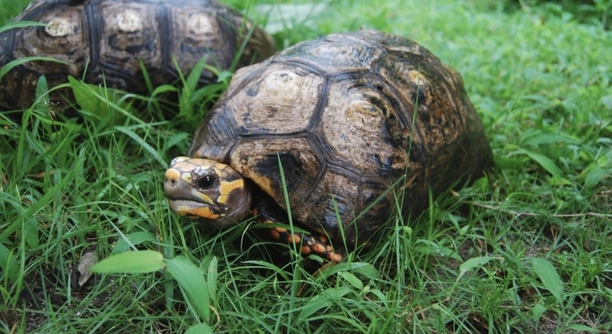
Red-footed tortoises are unique and fascinating creatures, often making hissing sounds. These noises can be surprising and even concerning for their owners. Understanding the reasons behind these sounds is crucial for proper care.
The primary cause of hissing in red-footed tortoises is related to their breathing or vocalization. Tortoises may hiss when they feel threatened, stressed, or even during respiratory issues. Monitoring their environment and health can help identify the underlying cause.
The reasons for this behavior may be linked to environmental factors, health, or natural responses. Understanding these aspects ensures a more informed approach to their care.
Stress or Anxiety
Red-footed tortoises can be sensitive to changes in their surroundings. Loud noises, sudden movements, or unfamiliar environments may cause them to feel stressed. When this happens, they may hiss as a way to express discomfort or fear. Their hissing is a form of communication, signaling that they feel threatened. This behavior can also occur when they are handled too frequently or roughly.
If your tortoise is hissing during handling, try giving them more space and avoid handling them too much. Stress can also be caused by other animals in the area, so ensure that their environment is peaceful and calm.
If stress is the cause of your tortoise’s hissing, taking steps to reduce their anxiety is important. Create a calm, quiet environment for them, and allow them to retreat to their safe space. This will help your tortoise feel more secure, minimizing unnecessary stress-related behaviors.
Respiratory Problems
Hissing sounds may sometimes be linked to respiratory issues, such as an infection or a cold. These issues are common in tortoises that are exposed to cold or damp conditions. In some cases, a tortoise might make a hissing noise while trying to clear its airways. If you notice other symptoms like wheezing, nasal discharge, or difficulty breathing, it’s important to get your tortoise checked by a vet as soon as possible.
Respiratory infections can be serious and require medical attention. If left untreated, they may lead to further complications, including pneumonia. Tortoises with weakened immune systems, improper humidity levels, or poor ventilation are at higher risk of developing these conditions. It’s essential to maintain a stable and warm environment for your tortoise.
If your red-footed tortoise starts hissing frequently or showing other signs of respiratory distress, acting quickly will help prevent the situation from worsening. Provide a proper habitat and consult a veterinarian for proper care and treatment.
Territorial Behavior
Red-footed tortoises can become territorial, especially during breeding seasons. They may hiss to warn off other animals or even humans if they feel their space is being invaded. This is a normal part of their behavior, often linked to their instincts for protecting their environment.
A tortoise may hiss when another tortoise enters its territory, or if it feels crowded or confined. They see this as a way to establish boundaries and protect their resources. While this behavior is mostly harmless, it’s important to respect their space to avoid causing unnecessary stress.
If your tortoise hisses when you approach its enclosure, consider giving them more room to move around. If you have multiple tortoises, monitor their interactions closely. Overcrowding or forced interaction may increase territorial behavior. Creating individual spaces can reduce conflict and keep your tortoises calmer.
Mating Behavior
Hissing can be a part of mating behavior, especially during the breeding season. Male red-footed tortoises may hiss or grunt as they attempt to court females. This is a natural part of their reproductive cycle, with hissing serving as a vocalization to express dominance or interest.
During mating season, males can become more vocal and aggressive. They might hiss when they are trying to impress a female or even when competing with other males. It’s important to observe this behavior as part of their natural mating rituals. Allowing them to express these behaviors can lead to successful breeding.
If you’re breeding tortoises, keep an eye on their behavior. Hissing during this time is common and should not be a cause for concern unless it leads to excessive aggression or injury. The right environment can help ensure their mating attempts are successful and peaceful.
Pain or Injury
Tortoises may hiss when they are in pain. If your red-footed tortoise is injured or unwell, it may vocalize by hissing to indicate discomfort. This could happen if they have been mishandled, hurt in their environment, or are experiencing internal pain.
If your tortoise starts hissing suddenly or is more withdrawn than usual, it’s important to check for signs of injury. Look for physical damage such as scratches, swelling, or limping. Pain-induced hissing is their way of communicating distress, and it should be addressed quickly to avoid further complications.
If your tortoise is hissing due to injury, providing a safe, comfortable space for recovery is essential. A vet visit can help rule out severe issues and ensure they receive the right treatment.
Environmental Issues
Improper environmental conditions can lead to hissing in red-footed tortoises. If the temperature or humidity levels are off, tortoises may become stressed or uncomfortable. Hissing could be a sign that they are struggling with their habitat conditions.
Tortoises require specific temperature and humidity ranges to feel secure. If they are too cold or too hot, they may exhibit behaviors like hissing. Make sure your tortoise’s enclosure is properly heated and has the right humidity levels. A balanced environment is key to their overall health and happiness.
Poor Diet
A poor diet can contribute to stress and health issues in red-footed tortoises, which may cause them to hiss. Inadequate nutrition can lead to digestive problems or discomfort, triggering vocalizations as a sign of distress.
Ensure that your tortoise has a varied, well-balanced diet consisting of leafy greens, fruits, and occasional protein. Overfeeding or underfeeding can disrupt their digestive system, leading to discomfort. Regularly assess their diet to ensure they are receiving the proper nutrients for optimal health.
FAQ
Why is my red-footed tortoise hissing all of a sudden?
If your tortoise has started hissing suddenly, it could be a sign of stress, pain, or discomfort. Changes in their environment, such as loud noises, new animals, or unfamiliar surroundings, can cause them to feel threatened. It’s also possible that your tortoise is experiencing a health issue, such as a respiratory infection or injury. Check for any signs of injury or illness, and ensure their habitat conditions are ideal for their well-being.
Can hissing be a sign of a respiratory infection in red-footed tortoises?
Yes, hissing can sometimes be a symptom of a respiratory infection. When tortoises have trouble breathing, they may make hissing sounds as they try to clear their airways. If you notice your tortoise hissing along with other symptoms such as nasal discharge, wheezing, or lethargy, it’s important to get them checked by a veterinarian. Respiratory infections can become serious if left untreated.
How can I tell if my tortoise is stressed or just making noise?
Tortoises often hiss when they feel stressed, but it’s not always a sign of alarm. Look for other signs of stress, such as pacing, hiding, or excessive burrowing. If your tortoise hisses only in certain situations, like when you handle them, it’s likely a response to stress. Reducing handling or making their environment quieter might help. On the other hand, if hissing occurs alongside health issues, it could be a sign of discomfort.
Is it normal for a red-footed tortoise to hiss during mating season?
Yes, it’s completely normal for red-footed tortoises to hiss during mating season. Male tortoises often make vocalizations as part of their courtship behavior, which can include hissing, grunting, or other sounds. This is typically harmless and part of their natural mating ritual. However, if the hissing is accompanied by aggression or injuries, you may want to separate the tortoises to prevent harm.
What should I do if my tortoise hisses when I approach its enclosure?
If your tortoise hisses when you approach, it could be a sign that they feel threatened or territorial. This is common in tortoises that feel their space is being invaded. You can reduce the chances of hissing by avoiding sudden movements or loud noises around the enclosure. Give your tortoise plenty of space and ensure that it has a comfortable, safe environment. If you have multiple tortoises, ensure their territories are clearly defined to prevent territorial disputes.
Can hissing be a sign of injury in red-footed tortoises?
Yes, if a tortoise is injured, it may hiss to signal pain. Red-footed tortoises may make this noise if they have been physically harmed or if they are suffering from internal discomfort. If you notice that your tortoise is hissing and shows signs of physical injury, such as swollen limbs, difficulty moving, or cuts, take them to a vet right away. Prompt medical care can prevent the injury from becoming more serious.
How can I reduce the chances of my tortoise hissing due to stress?
To reduce stress-related hissing, ensure your tortoise’s environment is calm and predictable. Avoid loud noises or sudden changes in their surroundings. Create a peaceful habitat with proper temperature, humidity, and lighting. Also, handle your tortoise gently and infrequently to avoid overwhelming them. If there are other pets in the home, ensure they don’t intimidate your tortoise, as this can also lead to stress.
What environmental factors could be causing my tortoise to hiss?
Temperature and humidity play a big role in a red-footed tortoise’s comfort. If the environment is too hot or too cold, your tortoise may hiss as a sign of distress. Make sure your tortoise has a temperature gradient in their enclosure, with a warm basking spot and a cooler area. Humidity is also important, so ensure their habitat is humid enough, especially if you live in a dry area. Poor ventilation can also lead to discomfort and hissing.
How often should I check my tortoise’s health if it’s hissing frequently?
If your tortoise is hissing frequently, it’s a good idea to monitor their health regularly. Look for signs of illness, injury, or distress. Check their breathing, movement, and eating habits. If the hissing continues or if you notice other concerning symptoms, take them to a vet for a thorough checkup. Preventive care can help catch potential health issues early.
Can diet cause hissing in red-footed tortoises?
Yes, an improper diet can cause stress or discomfort in red-footed tortoises, leading to hissing. If they’re not getting the right balance of nutrients, they may experience digestive issues or discomfort. Offer a variety of leafy greens, fruits, and some protein to keep their diet balanced. Avoid feeding them too many high-oxalate foods, like spinach, which can lead to health problems.
Should I be worried if my tortoise hisses occasionally?
Occasional hissing is usually nothing to worry about. It may just be a sign of communication, especially if your tortoise hisses when startled or handled. However, if the hissing is persistent or accompanied by other unusual behaviors, such as loss of appetite, lethargy, or difficulty breathing, it’s important to have your tortoise evaluated by a veterinarian to rule out any health issues.
How can I tell if my tortoise’s hissing is a sign of pain or aggression?
Pain-induced hissing is usually accompanied by other signs of discomfort, such as changes in behavior or posture. If your tortoise is hissing and showing signs of limping, swelling, or unusual movements, pain may be the cause. Aggression, on the other hand, is more likely to happen during territorial disputes or breeding. Watch for aggressive body language, such as head bobbing or charging, to differentiate between the two.
Final Thoughts
Understanding the reasons behind your red-footed tortoise’s hissing sounds is essential for providing proper care. While it might initially seem alarming, hissing can be a natural response to stress or environmental changes. It’s important to observe your tortoise closely and assess any other signs that might indicate an underlying issue, such as a health concern or discomfort. Making the necessary adjustments to their environment or routine can help reduce these stressful reactions, improving their overall well-being. By paying attention to these subtle cues, you can create a more comfortable, safe habitat for your tortoise.
If your red-footed tortoise continues to hiss despite making environmental changes, or if you notice other signs of illness like difficulty breathing, lethargy, or a loss of appetite, it’s crucial to consult a veterinarian. Hissing may sometimes indicate respiratory issues, injury, or other medical concerns that require prompt treatment. A professional diagnosis ensures your tortoise receives the right care, allowing you to address the problem early on. Regular health checks and preventive care are essential in keeping your tortoise healthy and minimizing unnecessary stress.
Ultimately, hissing in red-footed tortoises doesn’t always point to something serious, but it’s a behavior that should not be ignored. With careful observation and a proactive approach, you can manage and minimize stressors in their environment. Providing a balanced diet, appropriate temperature and humidity levels, and handling your tortoise gently will help maintain their comfort and happiness. Your tortoise’s health and safety depend on your ability to recognize and address their needs, so don’t hesitate to reach out to a vet if you are unsure.

Hello,
If you enjoy the content that we create, please consider saying a "Thank You!" by leaving a tip.
Every little bit helps us continue crafting quality advice that supports the health, happiness, and well-being of pets around the world, for pets of all shapes, sizes, and species.
We really appreciate the kindness and support that you show us!