
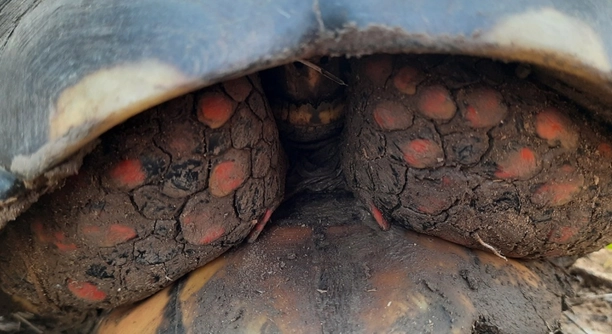
Red-footed tortoises are fascinating creatures that require specific care. Ensuring they are healthy and well-nourished is essential. One key aspect of their well-being is maintaining an ideal weight. Recognizing if your tortoise is underweight is crucial.
To determine if your red-footed tortoise is underweight, observe its overall body condition. Look for a sunken shell, noticeable ribs, and a lack of muscle mass. A healthy tortoise should have a firm and rounded body with a strong shell.
By knowing how to spot signs of underweight, you can take the necessary steps to improve your tortoise’s health and quality of life. Understanding these signs can make a big difference in your tortoise’s well-being.
Signs of Underweight in Red-Footed Tortoises
One of the first things you’ll notice when a red-footed tortoise is underweight is its shell. A healthy tortoise should have a firm, rounded shell that isn’t overly thin. If the shell appears sunken or weak, it’s a clear sign that your tortoise isn’t getting the nutrition it needs. Another indicator is the tortoise’s overall body shape. If you can easily feel its ribs through the skin or notice a lack of muscle around the legs, this could also point to underweight issues. Their body mass should be evenly distributed, and they should not appear too thin in any area.
While you may not see immediate changes, these signs often appear over time. Keep a close eye on your tortoise’s shell and overall body condition to monitor any changes. If you notice any of these indicators, it’s essential to act quickly. A red-footed tortoise in such a state requires attention to its diet and overall care routine.
If you notice your red-footed tortoise becoming visibly underweight, it’s important to assess its diet. Make sure the food offered is high in fiber and provides adequate vitamins and minerals. If your tortoise isn’t getting enough of these nutrients, it will struggle to gain weight. Additionally, tortoises need a balanced diet of vegetables, fruits, and occasional protein to stay healthy. Consider incorporating more leafy greens like collard greens and dandelion greens, which are both nutritious and easy to digest. Avoid feeding them foods that are too high in phosphorus or oxalates, as these can interfere with calcium absorption.
Causes of Underweight in Red-Footed Tortoises
There are several factors that can contribute to your tortoise becoming underweight. One of the most common reasons is an insufficient diet. Tortoises require a balanced, nutrient-rich diet to maintain a healthy weight. If your red-footed tortoise isn’t receiving the right mix of foods, it may not be getting enough calories to stay at a healthy weight. Another cause can be stress or environmental changes. Stress affects a tortoise’s appetite and digestion, which may lead to weight loss. Temperature is also crucial; if your tortoise’s habitat is too cold, its metabolism slows down, and it may not eat as much.
Lack of proper hydration is another concern. A dehydrated tortoise may not have the energy to eat as it should, and this could also lead to weight loss. If the water dish is too small, dirty, or frequently emptied, your tortoise may struggle to drink enough. A simple solution is to regularly clean and refill their water source to encourage proper hydration. Providing them with access to a shallow soaking dish can also help ensure they stay hydrated, particularly in warmer months.
By taking all these factors into consideration, you can better ensure your tortoise’s health and prevent it from becoming underweight.
Impact of Temperature on Weight
Temperature plays a crucial role in the health of red-footed tortoises. If the environment is too cold, it can slow down their metabolism, causing them to eat less and potentially lose weight. A stable, warm habitat encourages normal digestion and appetite, helping maintain a healthy weight.
Red-footed tortoises thrive in temperatures ranging from 75 to 85°F. Anything below this can cause them to become sluggish and less active, which in turn affects their feeding habits. If your tortoise’s habitat is too cold, it might not feel hungry and could start losing weight. It’s essential to maintain a temperature gradient in the enclosure so your tortoise can regulate its body heat and feel comfortable enough to eat regularly. Ensure that the warm side of the enclosure stays within this range and provide a cooler area for your tortoise to retreat to when necessary.
Providing heat sources such as UVB lighting and heat lamps is important to simulate their natural environment. This helps them absorb essential vitamins and minerals, supporting digestion and promoting a healthy appetite. Always monitor the temperature, making adjustments as needed to create an optimal environment for your tortoise’s overall well-being.
Proper Hydration for Healthy Weight
Hydration is just as important as a nutritious diet when it comes to maintaining a healthy weight. If a red-footed tortoise is dehydrated, it may not eat as much, leading to weight loss. Ensuring access to clean, fresh water daily is essential for its health.
Dehydration affects a tortoise’s ability to digest food properly. When dehydrated, a tortoise might lose its appetite or struggle to consume enough food to maintain a healthy weight. Offering a shallow dish with clean water encourages your tortoise to drink. Occasionally soaking your tortoise in a shallow bath can also help increase hydration. Keeping the water dish fresh and easily accessible can make a significant difference in how much your tortoise drinks.
If you notice your tortoise’s skin appearing dry or its eyes looking sunken, dehydration might be the cause. This is a sign that your tortoise is not drinking enough water and could be at risk of weight loss. Hydration should be a priority for the overall health of your tortoise.
Diet Adjustments for Weight Gain
If your red-footed tortoise is underweight, adjusting its diet can help. Adding more leafy greens like collard greens, dandelion greens, and turnip greens provides essential vitamins and minerals. Avoid too many high-phosphorus foods that can interfere with calcium absorption.
Incorporating more fibrous vegetables, such as squash and pumpkin, can also improve digestion and help your tortoise gain weight. Fresh fruits like papaya and berries should be offered occasionally, as they are nutritious but not too high in sugar. Make sure to avoid feeding them high-protein foods like meat, as this can upset their balance and affect their health.
The key to a successful diet is variety. Offering a range of healthy foods ensures that your tortoise gets all the nutrients it needs to thrive. A well-balanced diet is essential for gaining weight and maintaining a healthy body condition.
Importance of Regular Exercise
A healthy tortoise needs regular exercise to maintain muscle mass and overall health. Tortoises that do not get enough physical activity may lose muscle tone and become lethargic. Ensure that your tortoise has a large enough space to move around and explore.
Allowing your tortoise to roam and forage in a safe, enclosed outdoor space provides not only physical exercise but also mental stimulation. The activity can improve digestion and help them maintain a healthy appetite. When a tortoise is physically active, it’s more likely to eat and gain weight. Encourage exercise by offering different areas for climbing and walking.
Checking for Parasites
Parasites can prevent a tortoise from gaining weight. Intestinal worms or other parasites can cause malnutrition, making it harder for your tortoise to absorb nutrients. If your tortoise is not gaining weight despite proper care, consider a vet checkup for parasites.
Having your tortoise checked for parasites is essential for proper treatment. A veterinarian can perform a fecal test to determine if your tortoise has any intestinal issues that might affect its weight. Treating parasites early will help your tortoise regain its strength and health.
FAQ
How can I tell if my red-footed tortoise is underweight?
A red-footed tortoise that is underweight will often show signs like a visibly sunken or weak shell, easily felt ribs, and lack of muscle around the legs. A healthy tortoise’s body should have a balanced, firm shape, without any obvious thinness. The shell should not appear overly thin or concave, and the tortoise should have enough muscle mass to prevent any bones from sticking out. If your tortoise is active but still looks too slim, it might be underweight. Regularly check its weight and body condition to ensure it’s healthy.
What should I feed my red-footed tortoise to help it gain weight?
To help your tortoise gain weight, focus on providing a variety of leafy greens like collard greens, turnip greens, and dandelion greens. These are high in essential vitamins and minerals that support healthy weight. You can also offer fibrous vegetables like squash and pumpkin. Occasionally, fresh fruits like papaya and berries can be added to the diet for additional nutrition. However, it’s important to avoid feeding them too much fruit or high-protein foods like meat, as these can upset their digestive balance. Make sure to provide clean, fresh water daily as well.
Can temperature affect my tortoise’s weight?
Yes, temperature plays a significant role in your tortoise’s ability to eat and gain weight. If the enclosure is too cold, your tortoise may become sluggish and not feel hungry, leading to weight loss. Red-footed tortoises thrive in temperatures between 75 and 85°F. A cold environment slows down their metabolism, making it harder for them to digest food and maintain their weight. Ensure that the habitat has a proper temperature gradient, with a warmer side for basking and a cooler side for resting. Regularly monitor the temperature to keep it within the ideal range.
How much should I feed my red-footed tortoise?
The amount you should feed your red-footed tortoise depends on its size, age, and activity level. Generally, a tortoise should be fed once a day, offering a portion size that is roughly the size of its shell. For young tortoises, feed them a larger portion to support growth. Adult tortoises can eat smaller portions but should still receive a balanced diet of leafy greens, fibrous vegetables, and occasional fruit. Always ensure the food is fresh and varied to provide the necessary nutrients for weight gain and overall health.
How do I make sure my tortoise stays hydrated?
Hydration is key to your tortoise’s health, and it can significantly affect its weight. Make sure your tortoise has access to fresh, clean water daily. A shallow dish works best, allowing your tortoise to drink easily. You can also soak your tortoise in a shallow bath for 20 minutes a few times a week to increase hydration, especially in dry climates or warmer months. If you notice signs of dehydration, like sunken eyes or dry skin, act quickly to ensure your tortoise is drinking enough water. Keeping the water bowl clean is essential to prevent any bacterial growth.
What are some common causes of underweight in red-footed tortoises?
Several factors can contribute to a red-footed tortoise being underweight. The most common causes include insufficient diet, lack of proper hydration, and temperature issues in the enclosure. Stress from environmental changes, inadequate lighting, or parasites can also affect their appetite and overall health. Poor diet—especially one lacking in fiber and calcium—can prevent weight gain. If your tortoise isn’t eating enough or has difficulty digesting food, it may not be able to absorb the nutrients it needs to maintain a healthy weight. Ensuring a stable, warm environment and a balanced diet can help prevent underweight issues.
Should I take my red-footed tortoise to the vet if it is underweight?
If your red-footed tortoise is significantly underweight or showing signs of malnutrition, it’s a good idea to take it to the vet. A veterinarian will be able to check for parasites, dehydration, and other underlying health issues that could be preventing weight gain. They may also suggest blood tests or a fecal exam to rule out infections or digestive problems. Early intervention is key to preventing long-term health issues, and a vet can help create a treatment plan to get your tortoise back to a healthy weight.
Can I feed my tortoise high-protein foods to help it gain weight?
Feeding a red-footed tortoise high-protein foods like meat is not recommended. Tortoises are herbivores and require a diet rich in fiber, calcium, and low in protein. High-protein foods can upset their digestive system and lead to kidney problems, as well as an imbalance in their nutrient intake. If your tortoise is underweight, it’s more beneficial to offer a variety of leafy greens, fibrous vegetables, and occasional fruits to provide the necessary nutrients. Focus on providing a well-balanced diet that mimics its natural food sources in the wild.
How can I tell if my tortoise is dehydrated?
Dehydration in red-footed tortoises can cause their skin to appear dry and their eyes to look sunken. They may also become lethargic and less active than usual. If you notice that your tortoise isn’t eating or drinking as much as it should, dehydration might be the cause. A dehydrated tortoise may have a dull shell, and you might notice it spending more time in one spot. If you suspect dehydration, offer a shallow water dish or soak your tortoise in lukewarm water for 20 minutes. Make sure to keep the water clean and refill it daily.
Is it normal for my tortoise to lose weight during hibernation?
Yes, it’s normal for red-footed tortoises to lose some weight during hibernation, but it should not be excessive. If your tortoise is hibernating, its metabolism slows down, and it may not eat as much. However, it should still have some body fat reserves to last through this period. If your tortoise loses a lot of weight or seems to be in poor health when it wakes up from hibernation, consult a vet. A healthy tortoise should gradually regain weight once it starts eating again after hibernation.
Final Thoughts
Maintaining a healthy weight for your red-footed tortoise is crucial for its overall well-being. By closely monitoring its diet, hydration, and environment, you can ensure your tortoise stays in good shape. Remember that a proper diet rich in leafy greens, fibrous vegetables, and occasional fruits is essential for their health. Avoid overfeeding fruits, as too much sugar can upset their digestive system. Providing clean water daily and offering regular soaks will help keep your tortoise hydrated and aid in digestion.
It’s important to regularly check your tortoise’s body condition to identify any signs of being underweight early. Look for signs like a visibly thin shell or ribs that are easily felt. If you notice these signs, adjust its diet, temperature, and hydration routine. A vet visit is always a good idea if you’re concerned about your tortoise’s weight or health. Early intervention can prevent more serious issues and get your tortoise back on track. You don’t have to deal with this alone—veterinarians experienced in reptile care can guide you through the best steps to take.
In the end, consistency is key. Keeping your red-footed tortoise in a stable, warm environment, offering a variety of food options, and making sure they stay hydrated will help them maintain a healthy weight. You will likely see positive changes in their activity levels and behavior once their needs are met. With the right care, your tortoise can lead a long, healthy life.

Hello,
If you enjoy the content that we create, please consider saying a "Thank You!" by leaving a tip.
Every little bit helps us continue crafting quality advice that supports the health, happiness, and well-being of pets around the world, for pets of all shapes, sizes, and species.
We really appreciate the kindness and support that you show us!