
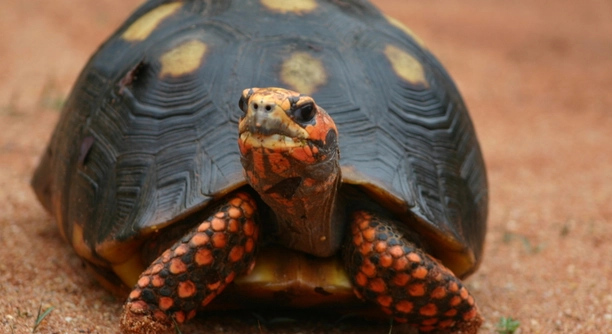
Red-footed tortoises are known for their varied diet, and mango is a fruit often included in their meals. This tropical fruit provides them with nutrients, but it’s important to know how to feed it to ensure their health.
Yes, red-footed tortoises can eat mango in moderation. Mangoes provide vitamins and hydration, but the fruit should be offered in small amounts to avoid digestive issues. Always remove the pit and peel before serving.
By understanding how to safely feed mangoes, you can offer your red-footed tortoise a tasty and nutritious treat. Let’s explore the best ways to introduce this fruit into their diet.
Why Mango Is Good for Red-Footed Tortoises
Mangoes are a great source of vitamins and minerals that red-footed tortoises can benefit from. The fruit is rich in vitamin A, which supports their immune system, and vitamin C, which helps maintain healthy skin. Mangoes also offer a good amount of fiber, which aids in digestion. However, feeding mango in large quantities can cause digestive upset due to its high sugar content. Offering it in small portions is key to maintaining balance in their diet. When feeding mango, always ensure that the fruit is ripe and free from chemicals or pesticides that could harm your tortoise.
Offering mango as a treat is a great way to diversify your red-footed tortoise’s diet. As with any fruit, moderation is essential to avoid excess sugar intake. Always remove the skin and pit to prevent choking hazards.
The variety of nutrients found in mangoes can help keep your tortoise healthy, but it should only be one of many fruits in their diet. Be sure to rotate fruits and offer a wide range of foods, such as leafy greens and vegetables, to ensure your tortoise gets the nutrients it needs.
Best Ways to Feed Mango to Your Red-Footed Tortoise
It is essential to feed mango to your red-footed tortoise in a safe and controlled manner.
First, remove the skin and pit of the mango. The skin can be tough for your tortoise to digest, and the pit can present a choking hazard. Cut the mango into small, bite-sized pieces that are easy for your tortoise to manage. Offering it this way helps your tortoise enjoy the fruit without overconsumption.
You should limit the amount of mango to avoid any digestive issues. A small slice or two once or twice a week is sufficient. Mango is a high-sugar fruit, which can lead to weight gain or digestive problems if given too often. While it’s important to provide variety in their diet, don’t forget that other foods, like leafy greens, should make up the majority of their intake.
How Often Should You Feed Mango to Your Red-Footed Tortoise?
Mango should be fed in moderation, about once or twice a week. This helps avoid excess sugar intake and ensures a balanced diet. Too much fruit can lead to digestive problems, so it’s important to keep portions small.
Feeding mango too frequently could result in your red-footed tortoise becoming overweight or experiencing gastrointestinal upset. By offering mango only occasionally, you can provide a tasty, nutrient-rich treat without risking harm to your tortoise’s health. Mixing mango with other fruits, like papaya or berries, can add variety while keeping sugar levels in check.
It’s crucial to ensure that the mango is fresh and ripe. Overripe mangoes can ferment, which may cause stomach issues for your tortoise. You also want to avoid serving mango with any additives like sugar or preservatives. Stick to natural fruit, which provides the best nutritional value.
Potential Risks of Feeding Mango
While mangoes are healthy, they can pose certain risks if not prepared or fed properly.
Overfeeding mango can lead to an imbalance in your tortoise’s diet. Excessive sugar can result in obesity and other health issues. Additionally, the pit and skin of the mango can cause choking or digestive blockages. Always remove these parts before feeding.
Another concern is the use of pesticides or chemicals on mangoes. Ensure that the fruit is organic or thoroughly washed before serving it to your red-footed tortoise. Even small amounts of residue can be harmful over time. The skin of the mango can be particularly problematic, as it may contain harmful substances.
Other Fruits That Are Safe for Red-Footed Tortoises
Red-footed tortoises can enjoy a variety of fruits alongside mango. Some safe options include papaya, berries, and bananas. These fruits provide essential nutrients without being too high in sugar. Always feed them in moderation to ensure a balanced diet.
In addition to mango, fruits like figs and guava are also suitable for red-footed tortoises. These fruits contain vitamins and fiber, supporting your tortoise’s overall health. However, it’s important to vary their diet and avoid feeding the same fruit too often.
Importance of a Balanced Diet
A balanced diet is crucial for the health of red-footed tortoises.
They need a mix of fruits, vegetables, and leafy greens to thrive. While fruits provide essential vitamins and hydration, leafy greens like dandelion greens and collard greens should make up the bulk of their diet. A variety of foods helps ensure they get all the nutrients they need for proper growth and immunity.
Signs Your Red-Footed Tortoise May Have a Sugar Imbalance
If your red-footed tortoise shows signs of weight gain or lethargy, it could be a sign of overconsumption of sugary fruits.
Excessive sugar can lead to obesity, which puts strain on your tortoise’s joints and overall health. If they seem sluggish or have difficulty moving, it’s a good idea to reduce the amount of sugary fruits they receive. Keep an eye on their activity level and body condition.
FAQ
Can mango be harmful to red-footed tortoises?
Mango is not harmful when fed in moderation, but it can cause issues if given too frequently. The fruit’s high sugar content can lead to obesity or digestive problems, especially if overfed. Always remove the pit and skin, as they can pose choking hazards or cause digestive blockages. The key is to offer mango in small, controlled amounts, ensuring it’s part of a varied diet.
How do I know if my red-footed tortoise is eating too much fruit?
If your tortoise is eating too much fruit, you may notice it gaining weight or becoming less active. Tortoises that are overfed sugary foods may seem lethargic and have a slower metabolism. Additionally, if they develop a soft shell or other health issues, it could indicate an unbalanced diet. Keep an eye on their body condition and adjust the amount of fruit they receive if necessary.
Can red-footed tortoises eat other tropical fruits?
Yes, red-footed tortoises can eat various tropical fruits in moderation. In addition to mango, they enjoy papaya, guava, and bananas. These fruits are packed with vitamins and hydration. However, just like mango, they should be fed as treats and not the main part of their diet. Always wash the fruits thoroughly and remove any seeds or pits before feeding them to your tortoise.
Are there any fruits that should be avoided?
Certain fruits should be avoided due to their high sugar content or potential toxicity. Grapes, for example, are too high in sugar and can lead to health problems if fed in excess. Citrus fruits, such as oranges or lemons, are acidic and may upset your tortoise’s stomach. Also, avoid feeding your tortoise any fruits with pesticides or chemicals on the skin. Stick to natural, ripe fruits without additives for the safest options.
How much fruit should I feed my red-footed tortoise?
Fruit should only be a small part of your red-footed tortoise’s diet. Offer fruit no more than once or twice a week. A small slice or a few bite-sized pieces are usually enough. The majority of their diet should come from leafy greens, vegetables, and high-fiber plants. Always monitor your tortoise’s weight and health to ensure they are getting the proper nutrients.
Can red-footed tortoises eat mango pits?
No, red-footed tortoises should not eat mango pits. The pits are hard and can pose a choking hazard. They can also be difficult for the tortoise to digest, leading to potential blockages. Always remove the pit before feeding mango to your tortoise, ensuring they only get the safe, edible parts of the fruit.
How do I prepare mango for my red-footed tortoise?
To prepare mango for your tortoise, start by peeling the skin and removing the pit. Cut the mango into small, manageable pieces that are easy for your tortoise to eat. Offering it in bite-sized pieces reduces the risk of overeating or choking. Make sure the mango is ripe, as overripe mangoes can ferment and upset your tortoise’s stomach.
Can mango cause digestive issues in red-footed tortoises?
If fed too much, mango can cause digestive upset in red-footed tortoises. Mangoes are high in sugar and can lead to diarrhea, bloating, or other digestive problems. To prevent this, it’s important to feed mango only as a treat, not as a regular part of their diet. Always monitor their reaction after eating fruit, and adjust their diet if you notice any digestive issues.
Can mango be given to hatchlings or baby red-footed tortoises?
Mango can be offered to baby red-footed tortoises in small amounts, but it should not be a primary food. Hatchlings require a more specialized diet that focuses on leafy greens, grasses, and other high-fiber foods for proper growth. Mango can be introduced as a treat once they are older and can handle fruit more easily. Always be cautious with young tortoises, as their digestive systems are still developing.
Can red-footed tortoises eat mango every day?
Feeding mango to your red-footed tortoise every day is not advisable. While the fruit offers beneficial vitamins, too much can lead to weight gain, high blood sugar, or gastrointestinal issues. Fruit should be offered sparingly, with a diet rich in fiber and vegetables to ensure proper nutrition. Stick to offering mango once or twice a week for the best results.
Final Thoughts
Red-footed tortoises can enjoy mango as part of their diet, but it should be given in moderation. While mango provides beneficial vitamins and hydration, it is also high in sugar. Feeding your tortoise too much fruit can lead to obesity or digestive problems. Mango should be considered a treat rather than a staple food. Offering small portions once or twice a week will help maintain a balanced diet for your tortoise.
It’s important to remember that a healthy diet for a red-footed tortoise should be diverse and rich in fiber. While fruits like mango are a great source of vitamins, they should not replace leafy greens, vegetables, and other high-fiber foods that are essential for your tortoise’s overall health. A well-rounded diet will help prevent health issues and support their long-term well-being. Monitoring the amount of fruit your tortoise eats is key to maintaining its health and preventing any negative effects from overfeeding sugary foods.
By being mindful of what you feed your red-footed tortoise, you can help ensure that it lives a healthy, happy life. Mango can be a delicious treat, but it is just one piece of the puzzle. Offering a variety of fruits, vegetables, and greens will provide a balanced, nutritious diet. As long as you keep their diet varied and avoid overfeeding fruits, your tortoise will thrive and enjoy a wide range of healthy foods.

Hello,
If you enjoy the content that we create, please consider saying a "Thank You!" by leaving a tip.
Every little bit helps us continue crafting quality advice that supports the health, happiness, and well-being of pets around the world, for pets of all shapes, sizes, and species.
We really appreciate the kindness and support that you show us!