
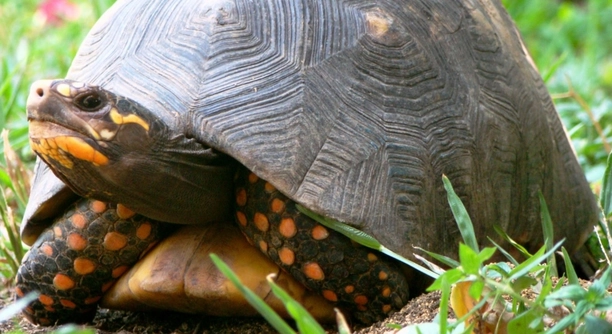
Red-footed tortoises are herbivores that enjoy a varied diet, often consuming fruits, vegetables, and other plant matter. However, you may wonder if mushrooms are safe for these curious creatures. This article provides helpful insights.
Red-footed tortoises can eat mushrooms in moderation, but certain types should be avoided. Wild mushrooms, in particular, can be toxic and should never be offered. Stick to safe, non-poisonous varieties to ensure their health and safety.
Learning which mushrooms are safe and understanding what other foods to avoid can help you provide the best care for your tortoise.
Why Mushrooms Can Be Risky for Red-Footed Tortoises
Mushrooms may seem like a natural addition to your red-footed tortoise’s diet, but they can pose significant health risks. Wild mushrooms, in particular, are known to contain toxins that can be harmful or even fatal to your pet. Even store-bought varieties can be problematic if they are not carefully selected. It’s essential to be aware of which types are safe and which ones to avoid. Tortoises are highly sensitive to toxins, and consuming the wrong kind of mushroom can lead to poisoning, digestive issues, or even death.
Safe mushrooms are few, so it’s best to be cautious when offering them as a treat. Stick to safe, edible mushrooms like button mushrooms, but limit them to small amounts. Feeding mushrooms should only be done occasionally, and the rest of their diet should consist of other plant matter.
When in doubt, it’s better to skip mushrooms entirely. Red-footed tortoises thrive on a balanced diet of fruits, vegetables, and leafy greens, which provide them with the essential nutrients they need. Consider offering them other nutritious foods to ensure their well-being.
Identifying Safe Mushrooms for Red-Footed Tortoises
While some mushrooms are safe, knowing which ones to choose is important. Stick with familiar, store-bought varieties and avoid wild mushrooms entirely.
Only safe, well-known mushrooms should be given in small portions. Avoid any that have not been confirmed safe for consumption.
Potential Health Risks of Feeding Mushrooms
Mushrooms contain compounds that can affect your tortoise’s digestive system. Some wild mushrooms have toxins that are not always visible, and these can be deadly if ingested. Even edible mushrooms, if given in excess, can cause stomach upset or imbalance in their diet.
Feeding your tortoise mushrooms without knowing which types are safe can lead to health complications. Symptoms of poisoning include lethargy, vomiting, and diarrhea. These issues can be severe and require immediate attention. Always err on the side of caution and avoid feeding your tortoise mushrooms from unknown sources.
The risk of feeding unsafe mushrooms is far too great to take chances. Even if you believe a mushroom is safe, it’s better to stick to foods with known safety and nutritional benefits. Red-footed tortoises need a carefully balanced diet, and it’s not worth jeopardizing their health with mushrooms.
What to Do If Your Tortoise Eats a Toxic Mushroom
If you suspect your tortoise has eaten a harmful mushroom, don’t wait for symptoms to appear. Contact a vet immediately. The sooner the vet can intervene, the better the chances for recovery.
When bringing your tortoise to the vet, try to identify the mushroom they ate. If possible, take a sample or a picture of it to help the vet determine the exact treatment. Poisoning can be treated, but the outcome depends on how quickly the tortoise receives medical attention. Make sure to act fast.
Safe Mushroom Varieties
If you decide to feed your tortoise mushrooms, stick to safe, edible varieties like button mushrooms. These are the most commonly available and pose fewer risks. Always ensure they are fresh and clean before offering them.
Even with safe mushrooms, moderation is key. Only offer small portions to avoid upsetting your tortoise’s diet. These mushrooms should not replace their regular meals of greens, fruits, and vegetables.
Alternative Foods for Red-Footed Tortoises
A varied diet is essential for your tortoise’s health. Aside from mushrooms, you can feed them a mix of leafy greens, such as collard greens and dandelion greens. Fruits like papaya and mango are also good options.
The right balance of fruits, vegetables, and leafy greens will ensure your tortoise gets all the necessary nutrients. Keep in mind that red-footed tortoises thrive on variety, so mix up their meals regularly. Avoid feeding them too much fruit as it can cause digestive issues.
FAQ
Can red-footed tortoises eat mushrooms regularly?
No, red-footed tortoises should not eat mushrooms regularly. While some mushrooms are safe in small amounts, mushrooms should only be an occasional treat. A consistent diet of mushrooms can lead to nutritional imbalances and digestive issues. Stick to fruits, vegetables, and leafy greens as the main part of their diet.
Are there any types of mushrooms safe for red-footed tortoises?
Yes, some mushrooms are safe for red-footed tortoises. Button mushrooms (Agaricus bisporus) are among the safest. However, they should still be offered in moderation. Never feed wild mushrooms, as they can contain harmful toxins that are difficult to identify. Always consult a vet if you are unsure.
What happens if my tortoise eats a toxic mushroom?
If your tortoise consumes a toxic mushroom, it may show signs of poisoning, such as lethargy, vomiting, diarrhea, or loss of appetite. In severe cases, it could be fatal. Immediate veterinary care is critical for the best chance of recovery. Time is essential in these situations.
How can I tell if a mushroom is safe for my tortoise?
It can be difficult to tell if a mushroom is safe just by looking at it. Some mushrooms may appear harmless but contain toxins that can harm your tortoise. It’s safest to avoid feeding wild mushrooms altogether. Stick to well-known, safe varieties, and always consult your vet if you’re unsure.
How often should I feed mushrooms to my tortoise?
Mushrooms should only be given occasionally and in small amounts. They should never be a regular part of your tortoise’s diet. A tortoise’s diet should focus on leafy greens, fruits, and vegetables. Consider mushrooms a rare treat rather than a staple food.
Can I feed my tortoise mushrooms if I wash them first?
Washing mushrooms before feeding them helps remove dirt and pesticides but does not eliminate the risk of toxins. Even cleaned mushrooms should only be given in moderation, and only safe, store-bought varieties should be used. Never feed wild mushrooms, regardless of how clean they appear.
What should I do if I accidentally feed my tortoise a bad mushroom?
If you accidentally feed your tortoise a potentially toxic mushroom, it’s important to act quickly. Contact a veterinarian immediately and provide as much information as possible, such as the type of mushroom and how much your tortoise consumed. The quicker your tortoise gets help, the better the chances of recovery.
Are there any symptoms of mushroom poisoning in tortoises?
Yes, symptoms of mushroom poisoning can include vomiting, diarrhea, lethargy, and loss of appetite. In severe cases, your tortoise may experience difficulty moving or breathing. Prompt treatment by a vet is essential if you notice any of these symptoms.
Can mushrooms cause long-term health problems for tortoises?
If consumed in large amounts or regularly, mushrooms could lead to long-term digestive issues, liver damage, or other health complications. Tortoises are best served by a diet that is rich in leafy greens and low in processed or rare foods like mushrooms. Stick to safe and balanced foods to maintain optimal health.
What other foods should I avoid feeding my tortoise?
In addition to mushrooms, avoid feeding your tortoise toxic plants such as avocado, onions, or garlic. Some types of fruit, like citrus, should be given sparingly, as they can cause stomach upset. Always research a food item before offering it to your tortoise, and stick to their recommended diet for the best health outcomes.
Can red-footed tortoises eat cooked mushrooms?
No, cooked mushrooms should also be avoided. The cooking process can alter the nutritional content of mushrooms and may introduce harmful substances. It’s always safer to offer raw, well-known edible mushrooms in very small quantities or stick to their regular diet of leafy greens and fruits.
Final Thoughts
Feeding red-footed tortoises mushrooms can be a risky choice. While some mushrooms are safe in small amounts, it’s crucial to be cautious. Toxic mushrooms can be hard to identify, and even safe mushrooms should only be offered occasionally. Regularly feeding mushrooms, especially wild ones, can lead to digestive issues and even poisoning. A tortoise’s diet should focus on leafy greens, fruits, and vegetables to maintain its health. It is better to avoid mushrooms entirely unless you are absolutely certain they are safe and suitable for your tortoise.
Mushrooms, when fed in moderation, can be a fun treat, but they are not a necessary part of a tortoise’s diet. Red-footed tortoises thrive on a well-balanced diet that includes a variety of fresh, safe foods. This ensures that they receive the proper nutrients they need for their growth and long-term health. When feeding your tortoise, it’s best to stick to the recommended foods like dandelion greens, collard greens, and other leafy vegetables. Fruits such as papaya and mango can also be included in small portions for added variety. These foods offer essential vitamins and minerals that mushrooms cannot provide.
If you do decide to offer mushrooms, be sure to carefully select them from trusted sources. Stick with varieties that are commonly known to be safe, such as button mushrooms. Always wash them thoroughly and serve them in small quantities. If your tortoise eats a wild mushroom, or if you’re unsure about the safety of the mushroom, contact a vet immediately. The health of your tortoise is the priority, and taking preventative measures and being informed about what to feed them will go a long way in keeping them healthy.

Hello,
If you enjoy the content that we create, please consider saying a "Thank You!" by leaving a tip.
Every little bit helps us continue crafting quality advice that supports the health, happiness, and well-being of pets around the world, for pets of all shapes, sizes, and species.
We really appreciate the kindness and support that you show us!