
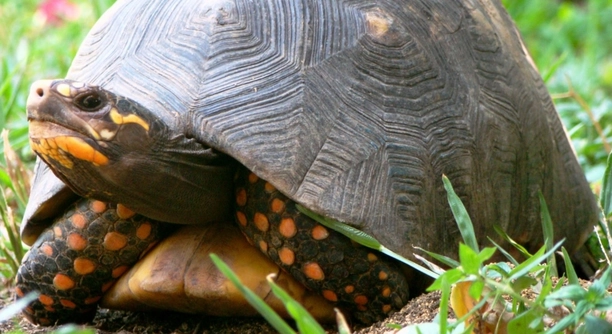
A Red-footed tortoise’s habitat plays a crucial role in its health and well-being. Choosing the right plants for your tortoise’s enclosure ensures they have a safe and enriching environment to thrive in.
The best plants for Red-footed tortoises are those that provide natural food sources, shelter, and enrichment. Look for safe, non-toxic plants that are nutritious and easy to maintain, ensuring a balanced and stimulating enclosure for your tortoise.
By selecting the right plants, you will create a habitat that promotes your tortoise’s physical and mental health. Keep reading for the best plant options to support your tortoise’s needs.
1. Hibiscus: A Vibrant, Safe Option
Hibiscus plants are a colorful and safe addition to your tortoise’s enclosure. The vibrant flowers not only add beauty but are also edible. Red-footed tortoises enjoy nibbling on the leaves and flowers. Hibiscus is non-toxic to tortoises and provides a great source of hydration. It’s easy to maintain and adds natural enrichment to their environment. Keep in mind that these plants require moderate sunlight and well-drained soil for healthy growth.
While hibiscus can thrive in a variety of environments, it’s important to monitor the plant’s condition. Overwatering can lead to root rot, so ensure proper drainage. This plant also appreciates some shade, making it ideal for creating a cool, sheltered area in the enclosure.
Adding hibiscus to your tortoise’s home not only enhances its appearance but also offers an extra source of nutrition. The flowers are rich in water and provide hydration, while the leaves give your tortoise a natural foraging opportunity. It’s an excellent choice for both aesthetic and health benefits in the enclosure.
2. Dandelion: A Nutritious Delight
Dandelions are one of the most common plants found in tortoise enclosures.
These plants offer high nutritional value with a good balance of fiber, vitamins, and minerals. Red-footed tortoises will eagerly consume both the leaves and flowers, benefiting from the plant’s antioxidant properties. Dandelions also promote healthy digestion, which is essential for your tortoise’s overall well-being. They thrive in both indoor and outdoor environments, growing quickly and easily with minimal care. Just be sure the dandelions are free from pesticides or chemicals.
Dandelions can be grown directly in your tortoise’s enclosure or provided as a supplemental food source. The leaves are especially beneficial for their high calcium content, which supports healthy shell growth. Providing dandelions in your tortoise’s diet gives them access to natural food, mimicking their wild diet. This plant also promotes a more stimulating and natural environment for your tortoise to explore.
3. Clover: A Tasty Addition
Clover is another great plant for your tortoise’s enclosure. It’s easy to grow and provides a nutritious snack for Red-footed tortoises. The leaves are rich in vitamins and minerals, supporting your tortoise’s overall health. Clover grows well in both sunny and partially shaded areas, making it a versatile plant.
Clover is also an excellent choice for enriching your tortoise’s habitat. It provides a natural surface for your tortoise to graze on, encouraging foraging behavior. It’s important to allow the clover to grow in patches, so your tortoise can enjoy both fresh leaves and flowers.
This plant is especially beneficial for Red-footed tortoises, as it helps with hydration and digestion. The high water content in clover ensures that your tortoise stays hydrated, while the fiber supports a healthy digestive system. It’s an easy and low-maintenance plant that thrives in the warm conditions of a tortoise enclosure.
4. Spider Plant: A Low-Maintenance Choice
Spider plants are a fantastic low-maintenance option for your tortoise’s enclosure.
These plants are non-toxic and easy to care for, making them perfect for beginner tortoise keepers. Spider plants also add an attractive, leafy appearance to the habitat, helping create a more natural environment. They can tolerate low light, so they fit well in shaded spots.
Spider plants are not only decorative but also provide a small, safe source of greenery for your tortoise. While not as nutritionally rich as other plants, they still offer some fiber and hydration when eaten. Be sure to monitor the size of the plant, as spider plants can spread quickly. Regular trimming will ensure they don’t overtake the enclosure. They also purify the air in the enclosure, adding a subtle benefit to your tortoise’s environment.
5. Purslane: A Nutrient-Rich Choice
Purslane is a highly nutritious plant that grows easily in a tortoise enclosure. It contains omega-3 fatty acids and antioxidants, which benefit your Red-footed tortoise’s health. This plant is safe and can be enjoyed as part of a varied diet.
Purslane is also a great choice for your tortoise due to its high water content. It helps keep your tortoise hydrated, especially during the warmer months. The succulent leaves are easy to eat and provide a satisfying texture for your tortoise to munch on. Grow it in sunny spots for optimal results.
6. Pothos: A Decorative Option
Pothos is a popular plant choice for reptile enclosures due to its hardiness.
It thrives in low light and can be easily pruned to fit the space. Though primarily used for its aesthetic appeal, pothos can provide some enrichment to the tortoise’s habitat. It’s a great way to mimic a natural environment.
Pothos is non-toxic and adds both beauty and shade to the enclosure. However, it’s important to remove any dead leaves promptly to maintain a clean space. While not a major food source, pothos helps create a more stimulating environment by encouraging your tortoise to explore.
FAQ
Can Red-footed tortoises eat all plants?
No, not all plants are safe for Red-footed tortoises. Some plants contain toxins that can harm your tortoise. It’s essential to research each plant before adding it to your tortoise’s enclosure. Only include non-toxic plants that are safe for consumption. Stick to plants that are specifically recommended for tortoises to avoid any health issues.
How do I ensure the plants are safe for my tortoise?
To ensure plants are safe, start by checking if they are non-toxic to tortoises. You can research plants or consult reptile care guides. Avoid plants with known toxins, such as ivy or certain lilies. Always buy plants from reputable sources, and if in doubt, avoid adding them to your enclosure.
Are there any common plants that are toxic to Red-footed tortoises?
Yes, some common plants are toxic to Red-footed tortoises. For example, ivy, oleander, and rhubarb can be harmful. These plants contain chemicals that can cause serious health issues for your tortoise. Always double-check the safety of any plant before introducing it to the enclosure.
How much sunlight do the plants in my tortoise’s enclosure need?
The sunlight requirements vary depending on the type of plant. Some plants, like hibiscus and clover, thrive in full sunlight, while others, like pothos, do better in shaded or low-light conditions. Ensure you match the light needs of the plants with the conditions in your tortoise’s enclosure to keep them healthy and thriving.
Can I grow edible plants inside the tortoise’s enclosure?
Yes, you can grow edible plants inside the enclosure, as long as they are safe and non-toxic. Plants like dandelion, hibiscus, and clover are great choices. These plants not only provide nourishment for your tortoise but also add variety to its diet, making it more interesting and stimulating.
How do I take care of the plants in the enclosure?
Taking care of the plants in your tortoise’s enclosure requires proper watering, appropriate sunlight, and occasional pruning. Be sure not to overwater plants as this can lead to root rot. Regularly trim dead or excess growth to keep the plants manageable. Monitor your plants for pests or diseases and remove any affected leaves or stems.
Do the plants need to be fertilized?
Some plants may benefit from occasional fertilization, especially if the soil becomes depleted of nutrients over time. Use an organic, tortoise-safe fertilizer to ensure the plants grow healthy and strong. However, over-fertilizing can harm the plants, so use it sparingly. Regularly check the soil and adjust as necessary.
Can I grow these plants in pots or should I plant them directly in the enclosure?
Both methods are possible. You can plant some plants directly in the enclosure, which allows them to grow naturally. However, planting in pots makes it easier to manage and move the plants around, especially if your tortoise prefers specific areas. Potted plants are also easier to replace if needed.
What if my tortoise eats too much of a plant?
If your tortoise eats too much of a plant, it might experience digestive upset. While many plants are safe in moderation, too much of any one plant can cause discomfort or diarrhea. Keep an eye on your tortoise and ensure a varied diet with different plant types to avoid overconsumption of one. If you notice any signs of illness, consult a vet.
Can I use store-bought plants for my tortoise’s enclosure?
You can use store-bought plants, but it’s crucial to ensure they haven’t been treated with pesticides or chemicals. Always ask the seller if any chemicals were used, as they could harm your tortoise. It’s safest to grow plants yourself from untreated seeds or purchase from reptile-safe nurseries.
How often should I change the plants in my tortoise’s enclosure?
Changing the plants in your tortoise’s enclosure depends on how quickly they grow and how much they are eaten. In general, you should replace plants when they begin to wilt, die, or become overgrown. Regularly prune plants and refresh the enclosure with new growth to maintain a healthy environment for your tortoise.
Can I grow a variety of plants in the same enclosure?
Yes, you can grow multiple types of plants in the same enclosure, as long as their care requirements match. Be mindful of how they interact with each other—some plants may need more space to grow. Having a variety of plants offers a stimulating environment and more options for your tortoise to explore.
Are artificial plants safe for Red-footed tortoises?
While artificial plants are safe in terms of toxicity, they don’t provide the same benefits as real plants. Artificial plants can still be used for decoration and hiding spots, but they won’t contribute to your tortoise’s diet or hydration. If you choose to use artificial plants, make sure they are securely attached to prevent your tortoise from accidentally ingesting them.
Final Thoughts
Creating the right environment for your Red-footed tortoise involves more than just providing a suitable substrate and proper temperature. The plants in their enclosure play a key role in their overall well-being. Plants not only enhance the aesthetic value of the habitat but also contribute to the tortoise’s diet, hydration, and mental stimulation. Choosing the right plants can help mimic a natural environment, offering the tortoise an enriching space to explore and feed. Whether you opt for edible plants like hibiscus and clover or decorative options like pothos, ensuring they are safe and non-toxic is essential.
Maintaining the plants in the enclosure is an ongoing task. Regular watering, pruning, and monitoring for pests will keep the plants healthy and vibrant. Be sure to provide plants with the right amount of sunlight and care based on their specific needs. While some plants require full sun, others thrive in shaded areas. Understanding the needs of each plant will help you maintain a thriving enclosure that benefits both your tortoise and the plants. Overwatering or under-watering can harm the plants, so finding a balance is important for creating a sustainable environment.
Lastly, the safety of your tortoise should always be a priority. Not all plants are safe for tortoises, so research is crucial before adding anything new to the enclosure. Avoid toxic plants like ivy or oleander, and be sure to remove any dead or decaying plant matter to maintain cleanliness. By selecting the right plants and keeping the enclosure well-maintained, you provide a healthy, natural space where your tortoise can thrive.

Hello,
If you enjoy the content that we create, please consider saying a "Thank You!" by leaving a tip.
Every little bit helps us continue crafting quality advice that supports the health, happiness, and well-being of pets around the world, for pets of all shapes, sizes, and species.
We really appreciate the kindness and support that you show us!