
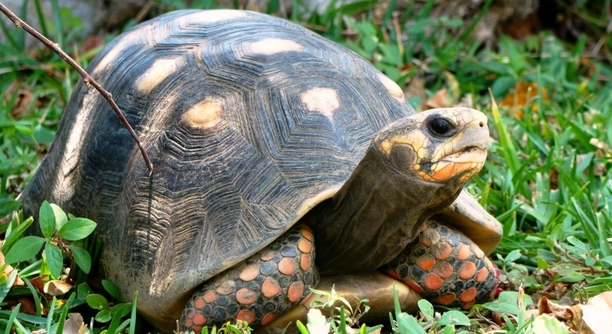
Red-footed tortoises are fascinating creatures with specific dietary needs. Understanding their feeding habits is key to ensuring their well-being and health. Proper care requires knowledge of what they should and shouldn’t eat to thrive.
Red-footed tortoises are primarily herbivores and should stick to plant-based foods. While they may occasionally consume small amounts of meat in the wild, feeding them a meat-heavy diet is not recommended for their overall health and nutrition.
Providing a balanced, plant-based diet is essential for your tortoise. Exploring what foods to offer and what to avoid can help keep them healthy and happy in the long run.
Why Red-Footed Tortoises Should Avoid Meat
Red-footed tortoises are mainly herbivores, and their digestive system is designed to process plants. While it’s true that they might occasionally consume small insects or carrion in the wild, this is not a staple in their diet. Feeding meat to a red-footed tortoise can disrupt their digestion and lead to health problems like kidney issues or obesity. These tortoises are better suited to a diet rich in fruits, vegetables, and some types of flowers. Their bodies are not built to process animal protein efficiently, and feeding them too much meat can harm their internal organs.
Their health can be affected by high-protein foods, which may result in kidney stress. Red-footed tortoises also have a slow metabolism, which makes digesting meat difficult for them. Too much animal protein could overload their system, leading to long-term damage. Plant-based diets are naturally more aligned with their biological needs, making them healthier and more balanced.
In the wild, red-footed tortoises may consume small insects or carrion occasionally, but this does not mean they require meat. Their digestive systems thrive on the breakdown of plant material, which is easier for them to process and convert into nutrients. With proper care and feeding, your tortoise will stay healthy and avoid unnecessary health complications.
What Happens If You Feed Your Tortoise Meat?
Feeding your red-footed tortoise meat can cause various health issues. In particular, it can lead to kidney problems. A high-protein diet stresses their kidneys, potentially causing long-term damage.
The kidneys of red-footed tortoises are not designed to filter out the excess waste produced by breaking down animal proteins. When fed a meat-based diet, their kidneys can become overloaded, which may lead to kidney disease or failure. Moreover, feeding them too much protein can result in obesity due to their slow metabolism. Unlike some animals that are naturally adapted to digest animal protein, red-footed tortoises cannot effectively process it, making their system struggle and affecting their overall health. This is why it’s best to stick to a plant-based diet that is easier for them to handle.
When considering their diet, it’s important to remember that while a tiny bit of animal protein occasionally might not cause immediate harm, it’s not worth the risk of long-term health issues. Feeding them a balanced, plant-focused diet will support their natural biological functions and ensure a long, healthy life. It’s essential to follow the appropriate feeding guidelines to avoid causing damage to their kidneys or metabolism.
The Risks of Feeding Meat to Red-Footed Tortoises
Feeding meat to red-footed tortoises is not recommended because their digestive system is designed for plant-based foods. Meat can cause severe health issues like kidney damage and obesity. The high protein content found in meat puts unnecessary stress on their kidneys, making it difficult for them to process properly.
A high-protein diet can disrupt the tortoise’s delicate digestive balance. Red-footed tortoises are better equipped to process fiber and plant material, which is what keeps their system functioning smoothly. When they are fed meat, they may experience digestive discomfort, kidney strain, and even weight gain, leading to additional health concerns. Their natural diet mainly consists of fruits, vegetables, and leaves, all of which provide the essential nutrients they need.
Avoiding meat in their diet is critical to maintaining their health in the long run. By sticking to plant-based foods, you’ll ensure that your tortoise’s kidneys are not overwhelmed by the excess protein. Keeping their diet natural will reduce the risk of diseases that can arise from improper feeding habits.
A Balanced Diet for Your Tortoise
The best diet for a red-footed tortoise includes a mix of leafy greens, fruits, and vegetables. You can offer foods like collard greens, dandelion leaves, and hibiscus flowers. These foods provide the necessary vitamins and minerals for their overall well-being. It’s also important to include calcium-rich foods like kale and bell peppers to promote strong shell growth.
It’s important to avoid feeding them high-oxalate foods like spinach, which can interfere with calcium absorption. While occasional treats like strawberries or bananas are fine, they should be given in moderation due to their high sugar content. Too many sugary fruits can lead to obesity and other health problems. By ensuring that the diet is varied and rich in plant-based foods, you’ll help your red-footed tortoise maintain proper digestion and overall health.
A well-balanced diet will also support your tortoise’s immune system, reducing the chances of illness. Proper feeding helps keep their energy levels stable and ensures they’re getting enough fiber to support digestion. The key to a long, healthy life for your tortoise lies in providing them with the right food and avoiding high-protein, meat-based meals.
Proper Feeding Habits for Red-Footed Tortoises
To keep your red-footed tortoise healthy, make sure to feed them regularly with fresh plant material. Their diet should consist of a variety of greens, vegetables, and fruits. Avoid offering them processed foods or foods high in sugar, as this can cause health issues.
You should also provide fresh water daily. Hydration is crucial for digestion and overall health. Red-footed tortoises drink water to stay hydrated and aid in digestion. Without adequate water intake, they may become dehydrated, which can lead to problems with their kidneys and other bodily functions.
Supplementing Their Diet
Sometimes, it’s important to add supplements to their diet to ensure they get all the nutrients they need. Calcium and vitamin D3 are especially important for red-footed tortoises, helping to support shell growth and bone health. You can sprinkle calcium powder on their food or provide them with foods naturally rich in calcium.
A supplement will help maintain proper calcium levels and prevent issues like shell deformities or weak bones. It’s crucial to ensure that any supplements you use are designed specifically for tortoises. Too much calcium can also be harmful, so always follow the recommended dosages.
Handling Treats for Your Tortoise
Treats should be given in moderation. While it’s okay to offer fruits like strawberries or mango as occasional treats, they should not make up the majority of their diet. Too many sugary treats can lead to obesity, which places additional stress on their organs.
Treats should only be given to supplement a balanced diet, not replace it. Stick to small portions and make sure treats are low in sugar and high in beneficial nutrients. By maintaining a healthy balance, you’ll ensure your tortoise remains strong and happy.
FAQ
Can red-footed tortoises eat animal protein?
Red-footed tortoises are not suited for a diet high in animal protein. While they may occasionally consume insects or small animals in the wild, their digestive system is designed to process plant material. A high-protein diet can lead to kidney stress, obesity, and other health issues. Therefore, it’s best to avoid feeding them meat or any animal-based foods on a regular basis. Stick to fresh fruits, vegetables, and leafy greens to ensure they get the right nutrients without compromising their health.
What foods are safe for a red-footed tortoise to eat?
Red-footed tortoises thrive on a diet that includes leafy greens, vegetables, fruits, and some edible flowers. Good food options include dandelion greens, collard greens, hibiscus flowers, squash, and pumpkin. You can also offer fruits like papaya, bananas, or strawberries, but in moderation due to their high sugar content. Avoid high-oxalate vegetables like spinach, as they can interfere with calcium absorption. Fresh, varied foods will provide the essential vitamins, minerals, and fiber they need for healthy digestion and overall well-being.
How often should I feed my red-footed tortoise?
Adult red-footed tortoises should be fed every day with fresh food. Younger tortoises, however, may require more frequent meals, ideally every day or even twice a day to support their growth. A consistent feeding schedule helps maintain their digestive health. Make sure to remove any leftover food to prevent it from rotting. The portion size depends on the tortoise’s size and activity level, but a good rule is to offer an amount of food that’s roughly the size of their shell.
Can I feed my red-footed tortoise treats?
Treats can be offered to red-footed tortoises occasionally, but they should not be the focus of their diet. You can offer small amounts of fruits like strawberries, papaya, or mango, as well as some edible flowers, but keep in mind that these should only make up a small portion of their food. Too many sugary treats can lead to obesity, so it’s important to maintain balance. Use treats as an enrichment activity, but always prioritize fresh, nutritious greens and vegetables.
Do red-footed tortoises need water?
Yes, water is essential for red-footed tortoises. They should always have access to fresh water, both for hydration and for aiding in digestion. You can offer water in a shallow dish, but make sure it’s deep enough for them to soak in. Soaking allows them to hydrate properly, and it also helps with shell health. Ensure the water is clean and change it regularly to prevent bacteria buildup.
How do I ensure my red-footed tortoise is getting enough calcium?
Calcium is important for shell growth and bone health in red-footed tortoises. You can provide calcium through food such as dark leafy greens (like kale and collard greens), which are naturally rich in calcium. You can also dust their food with a calcium supplement, especially if you’re concerned they aren’t getting enough from their diet. It’s important to also provide adequate exposure to UVB light, as this helps them metabolize calcium. Too much calcium, however, can be harmful, so follow recommended supplement guidelines.
What should I avoid feeding my red-footed tortoise?
Certain foods should be avoided to keep your red-footed tortoise healthy. High-oxalate foods like spinach, beet greens, and parsley can block calcium absorption and lead to health problems. Avoid feeding them animal protein, as their digestive systems aren’t designed for it. Processed foods, sugary snacks, and dairy should also be avoided. While it might be tempting to offer a variety of foods, sticking to a plant-based diet is key to their long-term health.
Is it okay to feed my red-footed tortoise pellets?
While tortoise pellets can provide some nutrition, they should not be the primary food source. Fresh, whole foods like fruits, vegetables, and leafy greens are far superior. Pellets may lack the variety and moisture that tortoises need for optimal health. If you choose to feed them pellets, use them as a supplement rather than a mainstay in their diet. Always check that the pellets are specifically designed for tortoises and avoid those with added artificial ingredients.
How can I tell if my red-footed tortoise is healthy?
A healthy red-footed tortoise should have clear, bright eyes, a firm, smooth shell without cracks or lesions, and be active when it’s awake. They should be eating regularly and have a clean, dry living environment. If your tortoise is lethargic, refusing food, or showing signs of weight loss, it could be a sign of illness. Pay attention to their behavior and consult a veterinarian if you notice any concerning symptoms.
Can red-footed tortoises live with other animals?
Red-footed tortoises can be kept with other tortoises, but it’s important to be cautious when introducing new animals into their environment. They can be territorial and may become stressed or aggressive. It’s better to keep them in a separate enclosure from other species unless you’re experienced in animal behavior and can monitor them closely. Always ensure that the animals are compatible in terms of diet and space.
Final Thoughts
Red-footed tortoises are unique creatures with specific dietary needs. These tortoises thrive on a plant-based diet, which includes a variety of leafy greens, fruits, and vegetables. While they might consume small insects or carrion in the wild, feeding them meat regularly is not recommended. A meat-heavy diet can cause kidney stress, obesity, and other health problems. The best way to keep your tortoise healthy is by focusing on a diet that mirrors what they would naturally eat. This ensures they get the right balance of nutrients and stay active and healthy.
A well-rounded diet for red-footed tortoises is essential for their long-term health. In addition to plant-based foods, supplements such as calcium and vitamin D3 may be needed to support strong shells and bones. Be mindful of overfeeding sugary fruits or treats, as too much sugar can lead to obesity and other issues. Fresh water should also be available at all times to keep them hydrated. Offering a variety of greens and vegetables helps mimic the natural diversity they would experience in the wild, which is crucial for their overall well-being.
Taking the time to understand the dietary needs of your red-footed tortoise will pay off in the long run. By providing the right foods, maintaining a balanced diet, and avoiding harmful practices like feeding meat, you can ensure your tortoise leads a healthy and happy life. A good diet is the foundation of their care, and making sure they have access to clean water, proper lighting, and a safe environment is equally important. Keeping them in the best possible conditions will help your red-footed tortoise thrive for many years.

Hello,
If you enjoy the content that we create, please consider saying a "Thank You!" by leaving a tip.
Every little bit helps us continue crafting quality advice that supports the health, happiness, and well-being of pets around the world, for pets of all shapes, sizes, and species.
We really appreciate the kindness and support that you show us!