
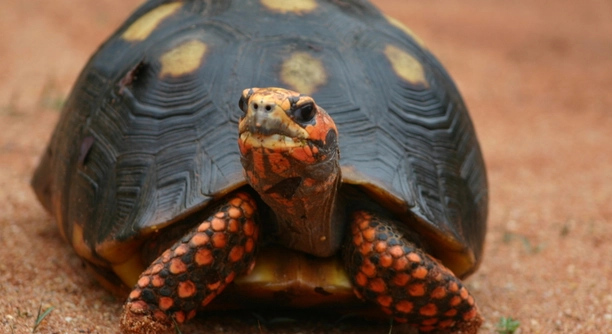
Is your red-footed tortoise’s shell getting darker, leaving you wondering if it’s a natural change or a sign of something else? Shell color changes can be concerning, but they often have simple explanations related to health, environment, or aging.
A red-footed tortoise’s shell may darken due to aging, increased melanin production, or environmental factors such as humidity and UV exposure. In some cases, dietary changes or underlying health conditions can also contribute to shell darkening over time.
Various factors influence shell coloration, and understanding them can help you ensure your tortoise remains healthy. From natural aging to environmental influences, learning what causes these changes will give you the confidence to care for your pet properly.
Natural Aging and Melanin Production
As red-footed tortoises grow, their shells often darken due to natural aging. This happens because melanin production increases over time, making the shell appear darker. Some tortoises start with lighter shells that gradually take on deeper tones as they mature. This change is completely normal and does not indicate any health issues. Other factors, like genetics, can also influence shell color. Some tortoises are simply predisposed to develop darker shells as they age. If your tortoise is healthy and active, a darkening shell is usually nothing to worry about.
Aging-related darkening is a slow process, so you may not notice it immediately. Keeping track of subtle color changes over time can help you understand what is normal for your tortoise. If the shell darkens gradually and evenly, it is most likely a natural part of aging.
If your tortoise’s shell is darkening unevenly, appears dull, or is accompanied by other changes like weight loss or lethargy, it may be worth checking for underlying issues. Observing your tortoise’s overall health and behavior will help you determine whether the color change is natural or something that needs attention.
Environmental Factors and UV Exposure
A tortoise’s shell color can change due to environmental conditions. Factors such as humidity, temperature, and UV exposure all play a role in shell pigmentation.
When red-footed tortoises spend more time under direct UV light, their shells may darken due to increased melanin production. This is a protective response that helps prevent damage from excessive sun exposure. In contrast, tortoises that live in lower light conditions may retain a lighter shell. Humidity and temperature can also contribute to color changes, especially if they differ significantly from the tortoise’s natural habitat.
Providing the right balance of UV exposure is important for your tortoise’s health. A proper setup should include a UVB lamp or access to natural sunlight for a few hours daily. If your tortoise is housed indoors, ensure that its enclosure mimics natural conditions as closely as possible. Monitoring humidity and temperature will also help maintain a healthy shell. If the shell darkens too quickly or unevenly, consider adjusting environmental conditions to see if the changes slow down.
Diet and Nutritional Impact
What a tortoise eats can influence its shell color. A diet lacking essential nutrients may cause the shell to darken or appear dull. Foods rich in beta-carotene, calcium, and vitamins help maintain a healthy shell, while poor nutrition can lead to pigmentation changes over time.
A balanced diet should include leafy greens, fruits, and protein sources in moderation. Red-footed tortoises benefit from foods like dandelion greens, squash, papaya, and calcium supplements. Lack of proper nutrition can weaken the shell and lead to color changes. Ensuring your tortoise gets the right nutrients will help maintain a strong, healthy shell. If the diet is unbalanced, you might notice a darker, brittle, or less vibrant shell. Making small dietary adjustments can sometimes slow or reverse these changes, especially if caught early.
Sudden shell darkening related to diet may indicate a deficiency or an excess of certain nutrients. Overfeeding high-sugar fruits or neglecting calcium intake can affect shell coloration. If you suspect a dietary issue, consider adjusting meal portions and introducing a wider variety of foods. Monitoring your tortoise’s eating habits and shell condition will help you determine if the color change is linked to nutrition or another factor.
Health Issues and Shell Conditions
Illness or infections can sometimes cause a tortoise’s shell to darken. Fungal infections, shell rot, or bacterial issues may lead to discoloration, often accompanied by other symptoms like soft spots, flaking, or an unpleasant odor. A darker shell combined with these signs could indicate a health problem.
Checking the shell regularly can help catch issues early. If the shell appears unevenly darkened, has pits, or feels softer than usual, it might be time for a veterinary visit. Poor hygiene, excess moisture, or dirty enclosures can contribute to shell infections. Keeping the habitat clean and dry prevents bacteria and fungi from affecting shell health. If you notice a sudden color change along with unusual shell texture, addressing it quickly can prevent further complications.
A veterinarian can diagnose and treat shell conditions before they worsen. Treatments may include antifungal creams, antibiotics, or habitat adjustments. Ensuring proper UV exposure, a balanced diet, and regular cleanings will help maintain a healthy shell and reduce the risk of darkening due to illness.
Shedding and Shell Growth
As red-footed tortoises grow, their scutes shed in thin layers. This process can sometimes make the shell appear darker, especially if the old layers have not fully shed yet. A healthy shedding process is gradual and should not cause sudden, uneven darkening.
If the shell is not shedding properly, it may indicate a humidity imbalance. Too much dryness can slow down shedding, while excessive moisture can lead to shell problems. Maintaining the right humidity level and providing occasional gentle soaks can help support healthy shell growth and prevent abnormal darkening.
Stress and Behavioral Factors
Stress can contribute to physical changes, including shell darkening. Factors like an inadequate enclosure, improper handling, or frequent disturbances can impact a tortoise’s overall well-being. A stressed tortoise may show changes in appetite, activity levels, and even shell appearance over time. Reducing stress can help maintain a healthier shell.
Final Thoughts
Observing shell changes is important for monitoring a tortoise’s health. While natural aging and environmental factors often cause darkening, sudden or uneven changes may signal a problem. Regular care, proper diet, and a suitable habitat will help keep the shell strong and in good condition.
FAQ
Can a red-footed tortoise’s shell lighten after darkening?
A shell that has darkened due to natural aging or genetics will not lighten. However, if the darkening is caused by environmental factors, diet, or minor health issues, adjusting those conditions may lead to some improvement. Regular UV exposure, a balanced diet, and proper humidity can help maintain a healthy shell.
Does shell darkening mean my tortoise is sick?
Not always. A darker shell is often a normal part of aging, melanin production, or environmental changes. However, if the shell darkens suddenly, unevenly, or is accompanied by other symptoms like softness, flaking, or lethargy, it could indicate a health issue. Checking for additional signs will help determine if veterinary care is needed.
Can poor lighting cause a tortoise’s shell to darken?
Yes, insufficient UVB exposure can lead to darker, weaker shells over time. UVB light helps regulate calcium absorption, which is essential for a healthy shell. Without proper lighting, the shell may darken and become more prone to deformities. Using a high-quality UVB lamp or allowing natural sunlight exposure can prevent these issues.
Does diet affect shell color?
Diet plays a big role in shell health and color. Nutrient deficiencies, especially in calcium and vitamins, can lead to dull or darker shells. A diet rich in leafy greens, vegetables, fruits, and calcium sources supports proper shell development. Feeding a variety of nutritious foods helps maintain natural coloration.
What environmental factors contribute to shell darkening?
Humidity, temperature, and UV exposure all impact shell color. High humidity levels may cause the shell to darken slightly, while direct sunlight can increase melanin production. If a tortoise is kept in a poorly lit or overly humid environment, the shell may darken more than usual. Adjusting these conditions can help.
Should I be concerned if my tortoise’s shell darkens unevenly?
Uneven darkening may be a sign of an underlying issue. If only certain areas of the shell are darkening, check for signs of infection, fungal growth, or injury. Inconsistent darkening combined with flaking or soft spots could indicate shell rot or another health concern that requires veterinary attention.
How can I prevent unhealthy shell darkening?
Providing a well-balanced diet, maintaining proper UVB exposure, and keeping the habitat clean will help prevent unnatural shell darkening. Regular shell inspections, proper humidity levels, and a stress-free environment also contribute to healthy shell maintenance. Consistent care ensures that any changes are natural and not due to health issues.
Does stress affect shell color?
Chronic stress can indirectly affect a tortoise’s shell by weakening its overall health. Stress from improper handling, overcrowding, or an inadequate enclosure can lead to appetite loss, reduced activity, and potential shell problems. Creating a calm, suitable environment helps keep the tortoise healthy and its shell in good condition.
Can I clean my tortoise’s shell to reduce darkening?
Gently cleaning the shell with lukewarm water and a soft brush can remove dirt or algae buildup, but it will not lighten a naturally darkened shell. Avoid using harsh chemicals or scrubbing too hard, as this can damage the shell. Routine cleaning helps maintain a clean and healthy appearance.
When should I see a vet about shell darkening?
If the shell darkens suddenly, unevenly, or is accompanied by flaking, softness, or unusual odors, a vet visit is necessary. Other concerning signs include lethargy, appetite loss, or abnormal shell texture. A vet can diagnose potential issues and recommend the best course of action.
Final Thoughts
A red-footed tortoise’s shell darkening is often a natural process influenced by aging, genetics, and environmental factors. Many tortoises develop deeper shell colors as they grow, and this is completely normal. Factors like UV exposure, humidity, and diet can also contribute to changes in shell pigmentation. While some darkening is expected, sudden or uneven changes may indicate a problem. Paying attention to your tortoise’s overall health, activity level, and eating habits will help determine if the shell color change is normal or a sign of something that needs attention.
Caring for a tortoise involves maintaining the right habitat conditions, providing a balanced diet, and ensuring proper lighting. A well-maintained environment with appropriate humidity and temperature levels supports a healthy shell and reduces the risk of abnormal darkening. Regularly monitoring your tortoise’s shell for any signs of damage, flaking, or soft spots can help catch potential health issues early. Keeping the enclosure clean and stress-free also plays a role in preventing infections or other shell-related concerns. Making small adjustments when necessary can help your tortoise stay comfortable and maintain a strong, healthy shell.
Understanding why a shell darkens can give peace of mind and help you provide the best care for your tortoise. While some changes are completely natural, sudden or extreme darkening should be monitored closely. If you ever feel unsure about your tortoise’s shell condition, consulting a reptile veterinarian is always a good option. With proper care, your red-footed tortoise can thrive and continue to develop a strong, well-maintained shell throughout its life.

Hello,
If you enjoy the content that we create, please consider saying a "Thank You!" by leaving a tip.
Every little bit helps us continue crafting quality advice that supports the health, happiness, and well-being of pets around the world, for pets of all shapes, sizes, and species.
We really appreciate the kindness and support that you show us!