
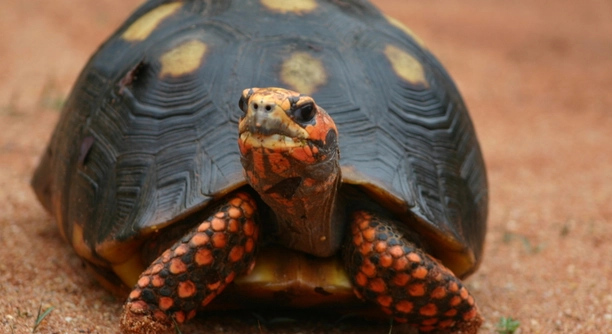
Sometimes, you may notice your red-footed tortoise biting its food dish, and it can leave you wondering if something is wrong. This behavior might seem odd, but it’s more common than you might think.
This biting behavior is often due to the tortoise’s natural instincts or an attempt to get attention. Tortoises may bite their food dish as a form of exploration, or they might associate it with feeding time.
Understanding why your tortoise behaves this way can help ensure you’re meeting its needs. Learning more about the cause will help you create a better environment for your pet.
Natural Exploration Behavior
Red-footed tortoises are curious creatures by nature. They explore their surroundings using their sense of touch and taste, and biting objects is part of their process. When they bite their food dish, it’s a form of investigation. Tortoises tend to nibble on anything new or unfamiliar, and the dish is no exception. They might not even be interested in the food at first; they’re simply figuring out what the object is.
This behavior is often harmless, but it can indicate that your tortoise is in need of more mental stimulation. Without proper enrichment, they may resort to repetitive actions like biting their dish.
Offering various objects to explore can help reduce this behavior. You can try adding natural items like rocks, sticks, or safe plants. Providing these items will encourage exploration without stressing your tortoise. Plus, it keeps them mentally engaged and helps them stay healthy.
Hunger or Feeding Time Routine
When tortoises repeatedly bite their food dish, it might also be a sign of hunger or a conditioned behavior. Some tortoises begin to associate the dish with food, and biting it becomes a way to signal that they are ready to eat. This is a learned behavior that they pick up over time.
A consistent feeding schedule is essential for keeping your red-footed tortoise in a stable routine. If the tortoise consistently bites the dish before feeding, it’s often because it has learned to connect the dish with mealtime.
Environmental Stress
Tortoises are sensitive to their environment. If there’s a change in temperature, lighting, or humidity, your red-footed tortoise may react by biting its food dish. It can be a sign of stress, especially if it’s paired with other behaviors like pacing or hiding.
Improper housing conditions can trigger anxiety in your tortoise. Make sure your tortoise’s enclosure maintains the right temperature, humidity, and lighting to mimic its natural habitat. This will help your tortoise feel secure and reduce stress-related behaviors.
If your tortoise continues to bite the dish despite ideal conditions, consider if there are other potential stressors such as loud noises, new animals, or overcrowding. Reducing these factors will help create a peaceful environment.
Boredom
Red-footed tortoises are intelligent, and if they don’t have enough stimulation, they may resort to repetitive actions like biting their food dish. Lack of enrichment can make them bored, leading them to repeat behaviors for entertainment.
To avoid boredom, ensure your tortoise has access to different objects to explore and interact with. Items like logs, climbing structures, or hidden food can keep them busy and prevent negative behaviors. Adding variety to their habitat encourages exploration and mental stimulation.
Providing regular opportunities for activity and movement can also help reduce the frequency of biting the food dish. Tortoises need exercise and mental challenges, just like any other pet.
Physical Discomfort
Biting the food dish can also be a sign of discomfort. If your tortoise is feeling unwell, it may bite or chew on objects like its food dish out of frustration or to soothe itself. This could indicate a need for medical attention.
If your tortoise continues to bite the dish and shows other signs of illness, such as lethargy, lack of appetite, or abnormal behavior, it’s time to check with a vet. Sometimes, internal issues like digestive discomfort or mouth problems can cause these behaviors.
Overfeeding
Overfeeding your tortoise can lead to health issues like obesity, which might cause it to act out by biting its food dish. Red-footed tortoises can be especially prone to overconsumption if their diet is not properly managed.
A well-balanced diet is crucial for your tortoise’s health. Ensure you’re providing the right portions of food and avoid overfeeding, which can cause unnecessary stress and health problems. Stick to a feeding schedule, and only offer the amount of food your tortoise needs for its size and age.
FAQ
Why does my red-footed tortoise bite its food dish?
Tortoises often bite their food dish as a form of exploration or a learned behavior, associating it with feeding time. It can also signal hunger or a desire to interact with its environment. If the behavior continues, it may indicate boredom or stress, but it’s mostly harmless.
How can I stop my tortoise from biting the food dish?
To reduce this behavior, ensure your tortoise has enough mental stimulation. Provide toys, rocks, or safe plants for exploration. Also, try changing the feeding schedule or offering food in a different way to avoid reinforcing the behavior. Creating a more engaging environment can help.
Is it normal for a tortoise to bite objects like its food dish?
Yes, it’s normal for tortoises to bite objects, especially when they are exploring. It’s part of their natural behavior to investigate their surroundings. Biting items like the food dish may simply be a sign that they are curious or trying to understand their environment.
How do I know if my tortoise is stressed?
Signs of stress in tortoises can include biting the food dish, pacing, hiding more often than usual, or showing a lack of appetite. If your tortoise starts behaving differently, check for changes in its environment, such as temperature or lighting, and consider any potential disturbances in its habitat.
Can stress cause my tortoise to bite its food dish more often?
Yes, stress is a common reason for repetitive behaviors in tortoises. If the tortoise feels threatened or uncomfortable, it may express that by biting its food dish. Identifying and removing sources of stress, such as poor living conditions or environmental changes, can help minimize the behavior.
Should I be concerned if my tortoise keeps biting its dish?
Generally, occasional biting isn’t a cause for concern. However, if it becomes frequent and is paired with other signs of discomfort, such as weight loss, lethargy, or abnormal behavior, it may indicate a health issue that requires attention.
What can I do if my tortoise is bored and biting its dish?
If boredom is the cause, try offering different types of enrichment. Change up the environment with new objects like logs, plants, or climbing structures. You can also hide food around the enclosure to encourage foraging and mental stimulation. Keeping your tortoise active will reduce boredom-related behaviors.
How do I know if my tortoise is hungry or just biting its dish out of habit?
If your tortoise bites the dish consistently before feeding time or shows signs of increased activity when the dish is around, it may be hungry. However, if the behavior occurs at random times, it’s more likely a habit or result of curiosity, rather than hunger.
Can overfeeding cause my tortoise to act out?
Yes, overfeeding can lead to health problems like obesity, which may cause your tortoise to act out, including biting its food dish. Ensure you’re offering the right portion sizes and avoid feeding more than your tortoise needs. Excessive food can also lead to lethargy and stress.
What are the signs of illness in a red-footed tortoise?
Signs of illness in tortoises include changes in eating habits, lethargy, shell discoloration, and abnormal behavior such as excessive biting or hiding. If your tortoise seems to be biting its food dish alongside any other concerning symptoms, it’s best to have it examined by a veterinarian.
Can environmental changes cause my tortoise to bite its food dish?
Yes, changes in temperature, humidity, or lighting can cause stress, which might result in biting behaviors. Make sure the environment remains stable and replicates the conditions your tortoise would encounter in the wild. A well-maintained habitat will reduce the likelihood of stress-related behaviors.
How often should I feed my red-footed tortoise?
Feed your tortoise every 2-3 days, providing a balanced diet with vegetables, fruits, and some protein sources. Overfeeding can lead to obesity and health problems, so make sure to follow the appropriate guidelines for your tortoise’s age and size. Always monitor its weight and adjust food intake accordingly.
Is it okay to feed my tortoise from a dish or should I place the food directly on the ground?
Feeding from a dish is fine, but placing food directly on the ground can encourage natural foraging behavior. Some tortoises prefer to search for food, which stimulates their mind and mimics their natural feeding habits. Consider alternating between feeding methods for variety.
What should I do if my tortoise is biting its food dish and not eating?
If your tortoise is biting the dish but not eating, it could be a sign of health issues. It may be stressed, or there could be an underlying medical concern. Consult a veterinarian if the behavior persists and is accompanied by other symptoms like lack of appetite or lethargy.
Is biting the food dish a sign that my tortoise wants attention?
Sometimes, biting the food dish can be a way for your tortoise to get your attention, especially if it associates the dish with feeding. However, if it’s paired with other behaviors, such as pacing or vocalizing, it may be an attempt to communicate that it needs something more, like stimulation or a change in its environment.
Final Thoughts
Biting the food dish is a common behavior for red-footed tortoises, and in most cases, it isn’t a major cause for concern. Tortoises are naturally curious creatures, and they often bite objects around them as part of their exploration. This includes their food dish, which they may associate with feeding time. For some tortoises, it becomes a habit or a learned behavior, especially if they’ve been conditioned to expect food when they interact with the dish. In these instances, it’s simply a sign that your tortoise is following its instincts or routine.
However, if your tortoise’s biting behavior seems excessive or is accompanied by other signs, such as a lack of appetite, changes in movement, or unusual lethargy, it may indicate something more serious. Environmental factors like improper temperature or humidity can cause stress, which can lead to biting. In these situations, ensuring your tortoise’s habitat is appropriate and free from stressors is crucial. Always check for any signs of illness or discomfort, as tortoises are good at masking pain, and early intervention can prevent more severe health issues.
Ultimately, understanding your red-footed tortoise’s needs and behavior is key to providing the best care. Regularly offering enrichment, maintaining a consistent feeding schedule, and monitoring its environment can help reduce unwanted behaviors like dish-biting. By creating a comfortable and engaging habitat, you can ensure your tortoise remains happy and healthy. Keep in mind that occasional biting is completely normal, but if the behavior becomes problematic, it’s important to explore potential causes and take appropriate action.

Hello,
If you enjoy the content that we create, please consider saying a "Thank You!" by leaving a tip.
Every little bit helps us continue crafting quality advice that supports the health, happiness, and well-being of pets around the world, for pets of all shapes, sizes, and species.
We really appreciate the kindness and support that you show us!