
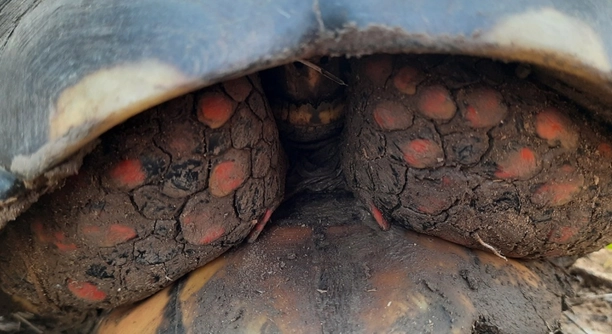
A red-footed tortoise may occasionally ignore its food, which can be concerning for owners. Understanding the reasons behind this behavior is key to helping your tortoise regain its appetite and stay healthy.
Several factors can lead to a red-footed tortoise ignoring its food. These include environmental changes, improper temperature, stress, or dietary imbalances. Ensuring proper care and a suitable habitat is essential for encouraging healthy feeding habits.
Addressing these factors can help your tortoise eat properly again. By recognizing the possible causes, you can take the right steps to improve their health and feeding routine.
Environmental Changes Affecting Feeding Habits
Red-footed tortoises are sensitive to environmental changes. If you’ve recently moved their habitat, altered the temperature, or changed their living conditions, these factors could disrupt their appetite. Tortoises rely on stable surroundings to feel secure and comfortable. Changes in light, temperature, or humidity levels can stress them out, making them less likely to eat.
These stressors can be temporary, but it’s important to address them promptly. If you’ve recently made changes, try returning their habitat to the previous state or adjusting it gradually. It’s also helpful to monitor their behavior closely to ensure they adapt to the changes over time.
If your tortoise is experiencing stress due to environmental changes, providing a stable and comfortable space is essential. Give them time to adjust, and ensure their habitat is appropriate, with the right temperature, humidity, and lighting. Stability can help them regain their appetite over time.
Temperature and Lighting
The proper temperature and lighting are essential for a tortoise’s digestion and overall health. A red-footed tortoise thrives in temperatures between 75°F and 85°F. If the enclosure is too cold or too hot, it can impact their feeding behavior and health. Tortoises also require a UVB light source for calcium absorption, which is essential for their bone health and appetite.
Without proper lighting, their natural feeding habits can be disrupted. Ensure the enclosure includes a basking area and shaded areas to provide a suitable range of temperatures. Proper lighting can help restore your tortoise’s normal feeding routine and behavior.
Stress from Handling or New Surroundings
Tortoises can become stressed from frequent handling or being placed in unfamiliar environments. Stress can lead to a loss of appetite. When your red-footed tortoise feels threatened or out of its comfort zone, it may refuse food as a natural response.
Limiting handling and providing a quiet, peaceful environment can help. Tortoises are sensitive to movement and changes, so creating a safe space with minimal disturbances is essential. If you have recently moved or changed the setup, allow your tortoise time to adjust before attempting to feed again.
Be mindful of the noises and activities around their enclosure. A calm environment will reduce stress and help your tortoise regain its appetite. Giving them time to feel comfortable can encourage natural feeding behaviors to return.
Diet and Food Variety
Offering a limited variety of food can sometimes lead to a lack of interest in eating. Red-footed tortoises need a diverse diet that includes fruits, vegetables, and leafy greens. If your tortoise’s food selection is too repetitive, they may stop eating altogether.
Introducing new food items gradually is key. Tortoises enjoy a range of flavors and textures, so mixing in new items like hibiscus flowers or dandelion greens can spark their interest. Fresh, high-quality food will also attract their attention and improve their overall diet.
A varied diet not only encourages eating but provides essential nutrients to keep your tortoise healthy. Make sure to remove uneaten food after a day to prevent spoilage.
Overfeeding or Feeding at the Wrong Time
Overfeeding can be just as problematic as underfeeding. If your red-footed tortoise has access to too much food at once, it may become overwhelmed and lose interest in eating. This is especially true if the food offered is not consumed in a timely manner.
It’s important to regulate the portions you give your tortoise. Offering smaller, more frequent meals can keep them interested. Avoid leaving food in the enclosure for extended periods, as it can lose freshness and appeal.
By maintaining a proper feeding schedule and portion sizes, you can keep your tortoise healthy and engaged during meal times.
Health Issues or Illness
If your tortoise continues to ignore food, it may be suffering from health problems. Illnesses or parasites can cause a lack of appetite. Respiratory infections, digestive issues, or internal parasites are some common health concerns that may lead to reduced eating.
If you notice any other signs of illness, such as lethargy, discharge from the eyes, or changes in behavior, it’s crucial to consult a veterinarian. Identifying any underlying health problems early can prevent more serious issues down the line.
Seeking professional help ensures that your tortoise receives the appropriate treatment and care.
FAQ
Why is my red-footed tortoise not eating?
There are several reasons why a red-footed tortoise may not be eating. It could be due to stress, changes in their environment, improper temperature, or even health issues. If the habitat has changed recently, the tortoise may be stressed, causing it to refuse food. It’s important to check if the temperature is in the right range (75°F to 85°F) and if they have access to proper UVB lighting. Additionally, the food provided might not be appealing or fresh enough. If the problem persists, a visit to the vet may be necessary to rule out health concerns.
How can I tell if my tortoise is stressed?
A stressed tortoise may exhibit several behaviors like hiding more than usual, moving less, or becoming more aggressive. Stress can also cause your tortoise to stop eating. Changes in behavior, including excessive lethargy, abnormal breathing, or rapid movement, can all be signs of stress. If you notice these behaviors after a move, a new pet in the house, or changes in the enclosure, it’s likely stress-related. It’s best to give your tortoise time to adjust, keeping its environment calm and stable.
Is it normal for a tortoise to fast?
Fasting can be normal for a tortoise, particularly during colder months when their metabolism slows down. This is often a natural response to seasonal changes, especially in areas with a clear distinction between seasons. However, fasting for too long, especially during warm months, can be a sign of an underlying problem, such as an illness or stress. If the fasting lasts for more than a week, or if your tortoise shows other signs of illness, it’s a good idea to consult with a vet.
What should I do if my tortoise refuses food?
If your tortoise refuses food, start by ensuring its habitat is suitable. Check the temperature, lighting, and humidity levels to make sure they align with the tortoise’s needs. If these are all correct, try offering different food items to spark interest. Some tortoises may refuse food simply because they are bored with their diet. Gradually introducing new fruits, vegetables, or leafy greens can help. If the refusal to eat continues, it’s important to look for other signs of illness, which may require a vet visit.
How often should I feed my red-footed tortoise?
Red-footed tortoises should generally be fed every other day. Their diet should include a variety of leafy greens, fruits, and some vegetables. Overfeeding or feeding too frequently can lead to obesity and other health problems. Make sure to remove any uneaten food after a few hours to avoid spoilage. Adjust their feeding schedule based on their age and activity levels. Hatchlings and juveniles may require more frequent meals than adults.
Can a red-footed tortoise go without food for a few days?
While red-footed tortoises can survive for several days without food, it’s not ideal for their health. A short fast may not be concerning if it’s due to seasonal changes or minor stress. However, prolonged periods without food can lead to dehydration, nutritional deficiencies, and weight loss. If your tortoise refuses food for more than a few days, check its health and environment. A visit to the vet may be needed to ensure it’s not suffering from a serious condition.
How can I tell if my tortoise is dehydrated?
Signs of dehydration in a tortoise include sunken eyes, dry skin, and a lack of interest in food. You may also notice that the tortoise’s urine is concentrated or absent. Dehydration can be serious, leading to organ failure or other complications. Ensure your tortoise has constant access to fresh water, and consider soaking them in shallow, lukewarm water for 15 to 20 minutes to help with hydration. If dehydration persists, a visit to the vet is essential for proper treatment.
Why is my red-footed tortoise sleeping so much?
Tortoises may sleep more than usual when they are stressed, not feeling well, or experiencing changes in their environment. If your tortoise is sleeping excessively, it may be a sign of illness or improper conditions. For instance, if the enclosure is too cold or if the lighting is incorrect, the tortoise may sleep more to conserve energy. Check the temperature, humidity, and lighting first, and consult with a vet if the sleeping continues or is accompanied by other concerning symptoms.
How do I provide a proper diet for my red-footed tortoise?
A proper diet for a red-footed tortoise includes a variety of leafy greens like collard greens, dandelion leaves, and kale. Fruits such as papaya, banana, and berries should be offered in moderation. Vegetables like squash and bell peppers can be added to their diet as well. Avoid feeding them too much high-oxalate food like spinach, as it can interfere with calcium absorption. A balanced diet ensures your tortoise receives essential vitamins and minerals. Fresh, high-quality food is key to maintaining their health.
What is the best way to handle a red-footed tortoise?
Handling a red-footed tortoise should be kept to a minimum, as frequent handling can lead to stress. When you do need to handle them, be gentle and supportive. Always pick them up from the sides of their shell, never by the tail or legs. Avoid sudden movements that could startle the tortoise. Give them time to adjust to your presence, and try not to overwhelm them with too much handling. Providing a calm, stable environment is more important for their well-being than regular interaction.
Final Thoughts
If your red-footed tortoise is ignoring its food, it could be due to various factors like stress, illness, or environmental conditions. It’s important to assess their habitat, check for any changes, and ensure that the temperature, humidity, and lighting are all in proper range. A tortoise’s refusal to eat can often be linked to improper care or small changes that may go unnoticed. Ensuring a stable environment can make a significant difference in their appetite and overall health.
Understanding the cause behind your tortoise’s loss of appetite is crucial in determining the right course of action. If the conditions are right but the tortoise still refuses to eat, a health issue may be at play. If you notice other symptoms such as lethargy, abnormal behavior, or changes in its shell, a vet visit is necessary. Even if there are no obvious signs of illness, it’s always a good idea to consult with a veterinarian if the refusal to eat lasts for several days.
Maintaining a balanced diet and proper care routine is key to keeping your tortoise healthy and happy. Pay attention to their diet, make sure they are hydrated, and provide them with a stress-free environment. If you suspect the cause is something beyond simple environmental changes, getting professional advice can help identify any potential health issues early. With the right care and attention, your tortoise will likely return to its normal eating habits and continue to thrive.

Hello,
If you enjoy the content that we create, please consider saying a "Thank You!" by leaving a tip.
Every little bit helps us continue crafting quality advice that supports the health, happiness, and well-being of pets around the world, for pets of all shapes, sizes, and species.
We really appreciate the kindness and support that you show us!